
Shinagawa in the moonlight — History & Facts
In the stillness of Shinagawa in the moonlight, there lies a profound truth that resonates deeply within the viewer's soul. Look to the left at the delicate interplay of moonlight and shadow, where reflections shimmer on the water's surface. The artist employs a palette of deep blues and silvery whites, creating a tranquil atmosphere that invites contemplation. Distinctively Japanese, the flowing lines of the landscape guide the eye across the canvas, drawing attention to the elegant silhouettes of distant hills and a solitary figure by the water’s edge.
Each brushstroke seems to pulse with life, revealing both the beauty and solitude found within this serene night. Yet beneath the surface, there is a tension between isolation and connection. The lone figure evokes a sense of longing, perhaps searching for truths hidden in the stillness of the night. The juxtaposition of the expansive landscape with the intimate presence of this individual suggests a universal quest for meaning amidst nature’s vastness.
Delicate details, such as the rippling water and the gentle sway of trees, speak of the transient moments in life that often hold the deepest significance. In 1922, Negoro Raizan painted this piece during a period of introspection and artistic growth. Living in Japan, he was influenced by the shifting cultural dynamics of the time, which saw the blending of traditional aesthetics with the modern world. This artwork reflects his unique vision, capturing not just a scene, but an emotional landscape that invites viewers to ponder their own truths and confessions in the silence of existence.
More Artworks by Negoro Raizan
Browse all →
Ochanomizu Bridge
Negoro Raizan

Asakusa Temple
Negoro Raizan

Meiji Shrine
Negoro Raizan
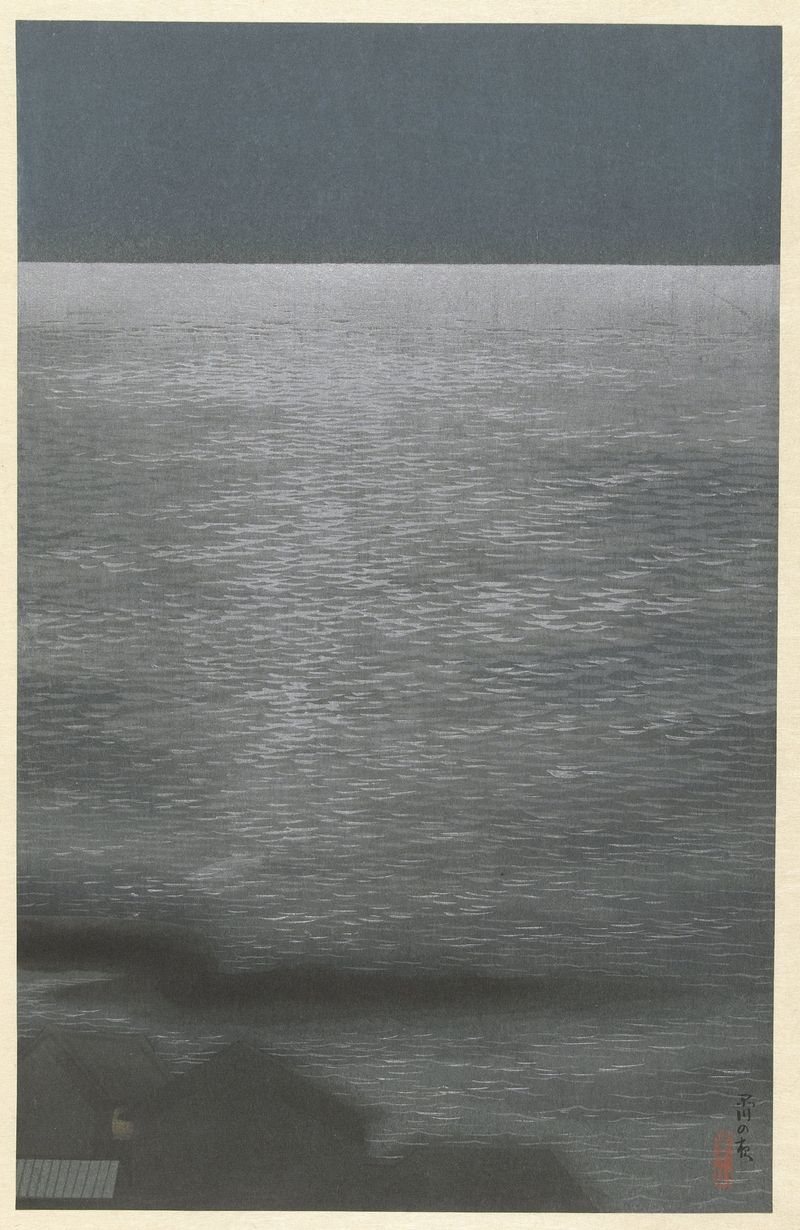
Nacht in Shinagawa
Negoro Raizan
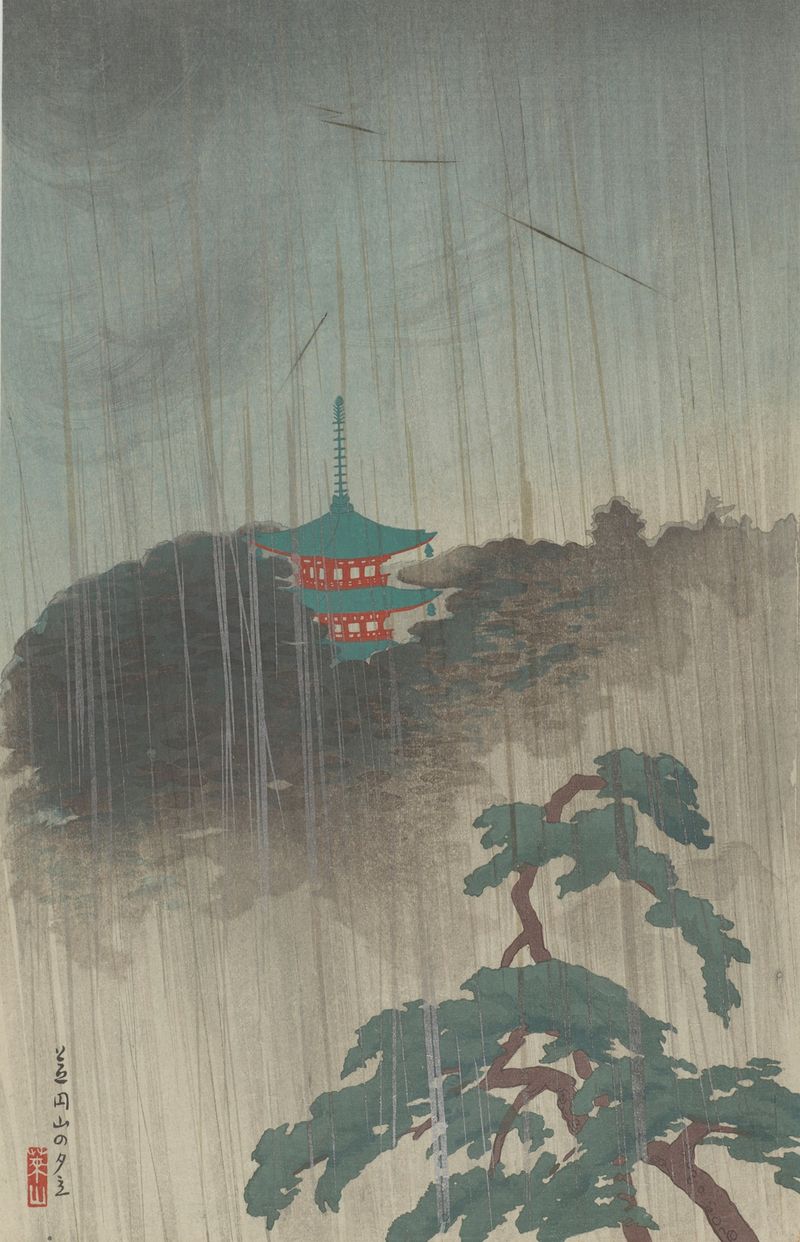
Evening Rain at Maruyama, Shiba
Negoro Raizan
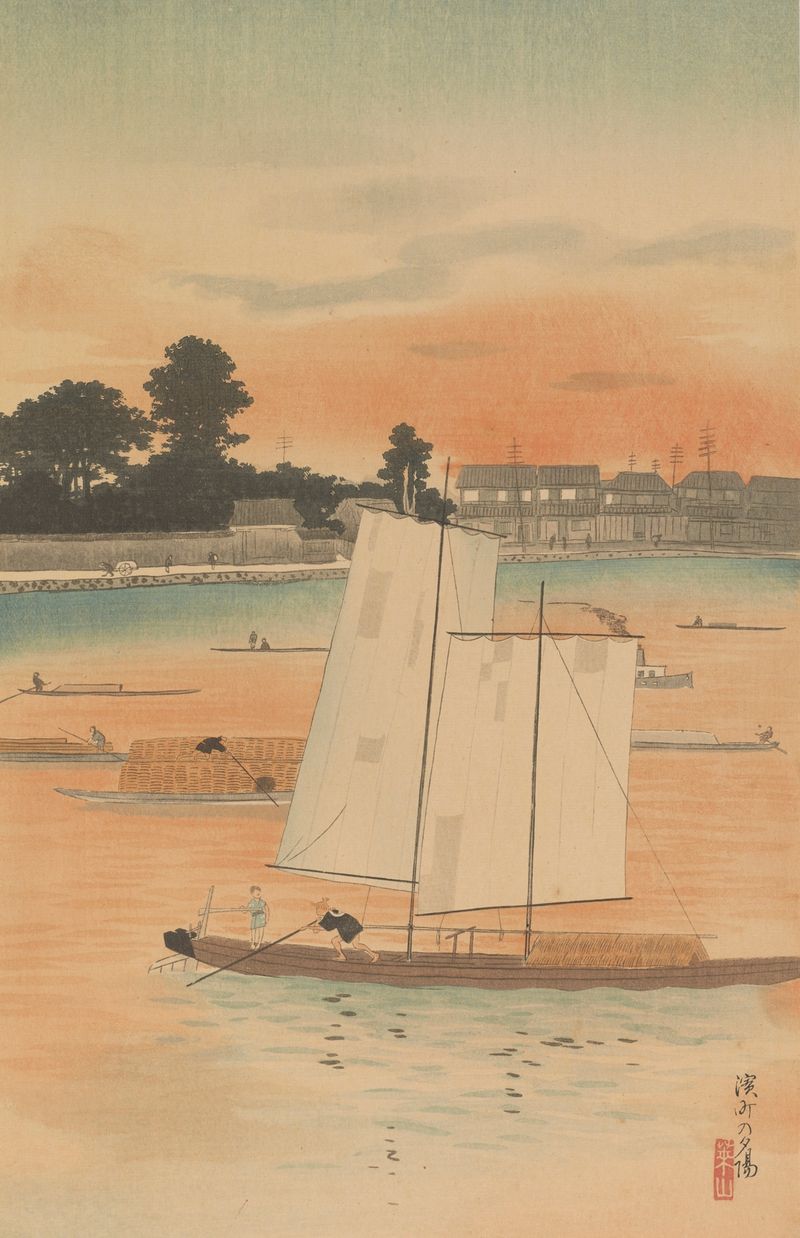
Sunset at Hamachō
Negoro Raizan

Ueno Takenodai
Negoro Raizan
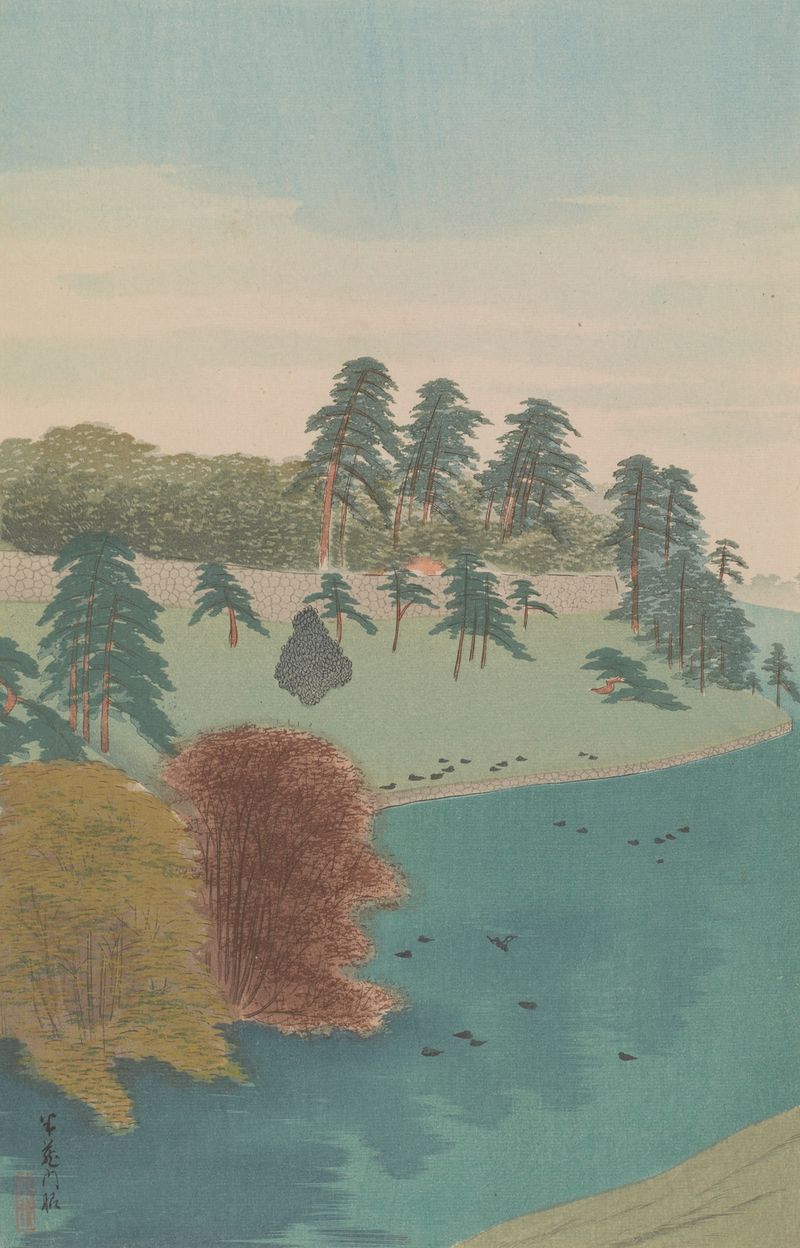
To the side of Hanzōmon gate
Negoro Raizan

Untitled
Negoro Raizan

Kinokunizaka
Negoro Raizan





