Ship wrecked on a rocky coast — History & Analysis
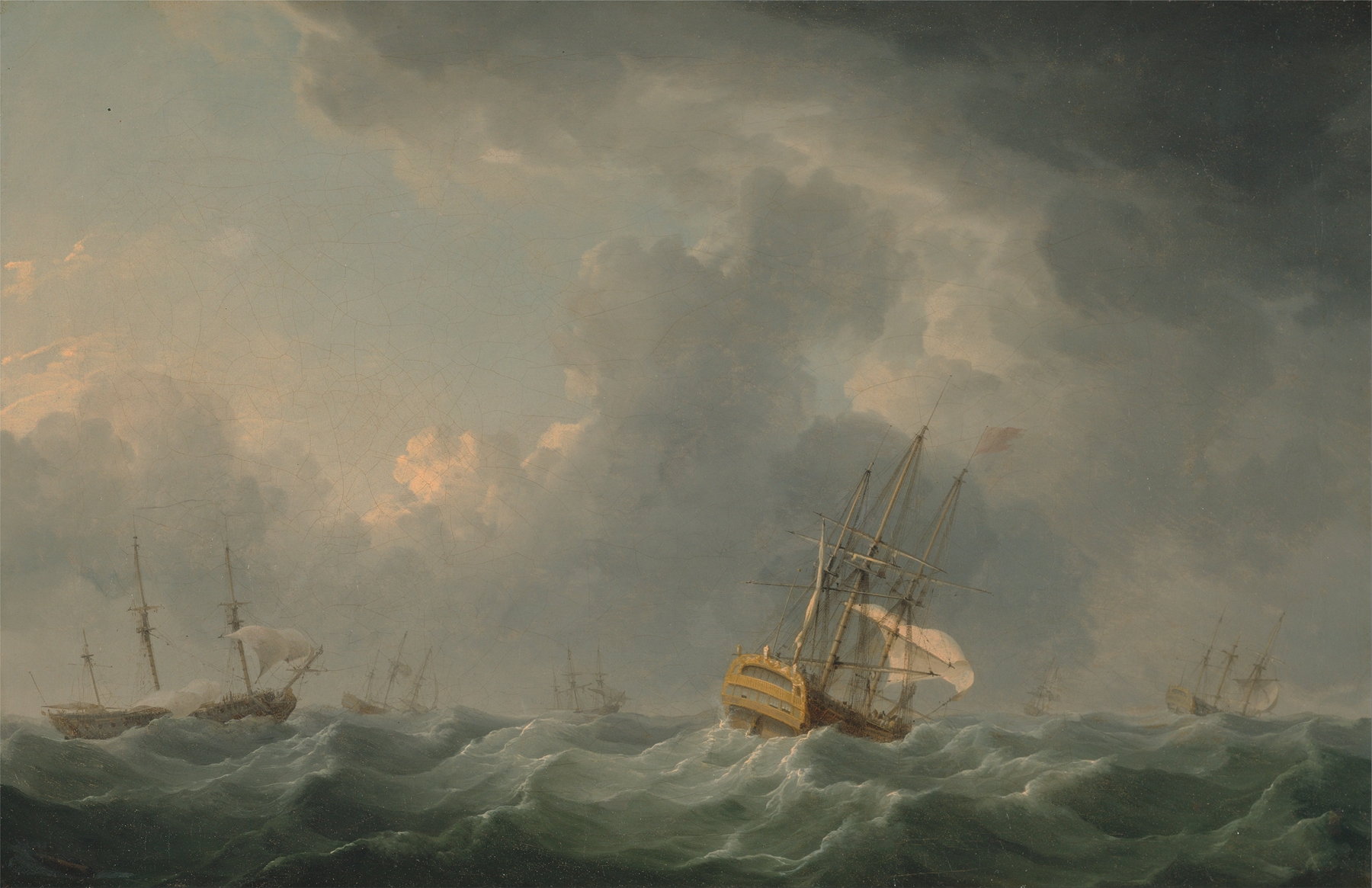
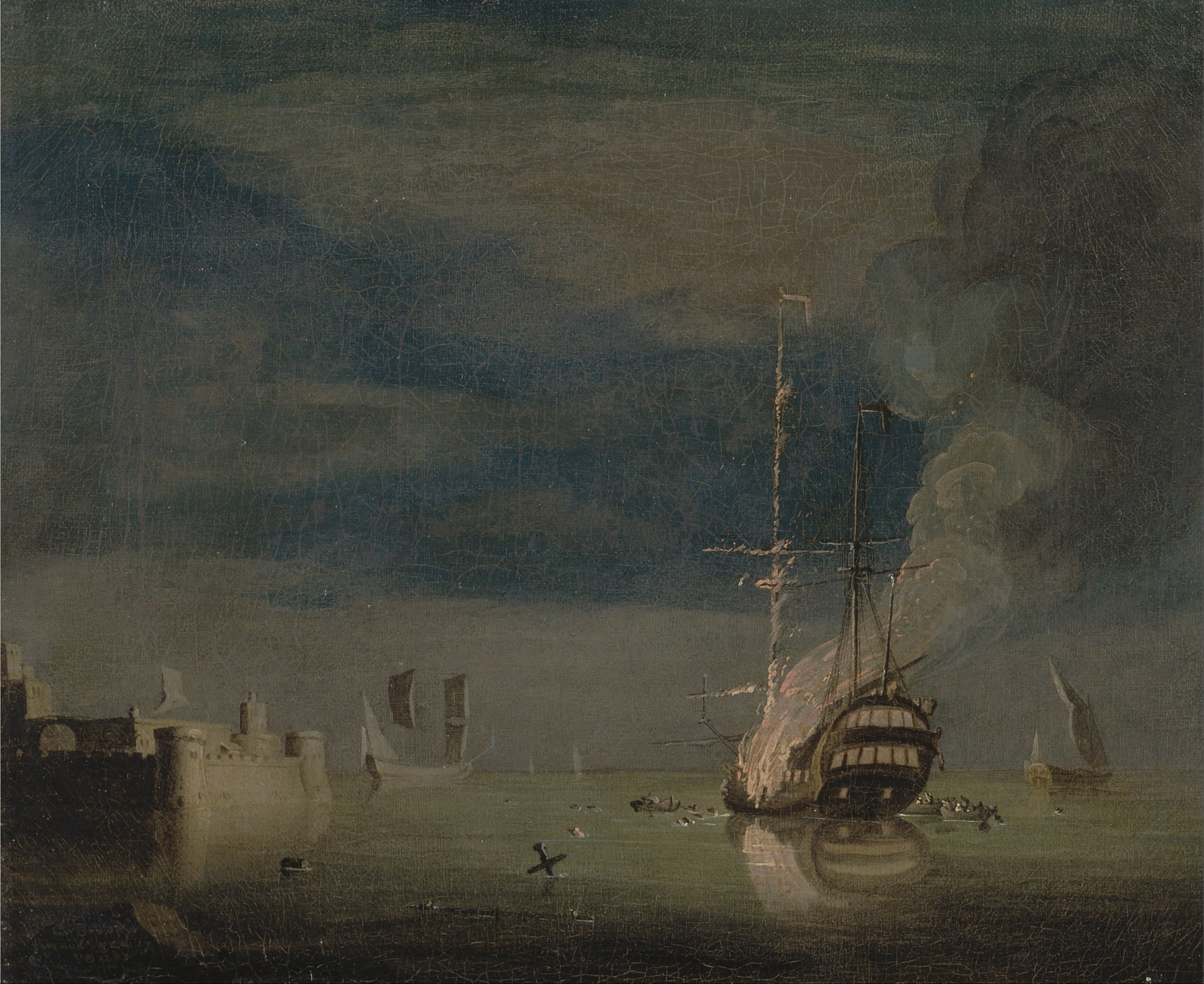
What if beauty was never meant to be finished? The jagged edges of despair meet the alluring pull of nature's relentless grasp in a moment frozen forever. Look to the tumultuous waves crashing against the rough, unforgiving rocks, their foam erupting like an exclamation mark. Notice how the ship, a lone vessel battered by fate, lists precariously to one side, its masts reaching skyward as if imploring heaven for salvation. The color palette of stormy grays and browns is punctuated by streaks of white, capturing both the wrath and beauty of the tempest.
Brooking’s meticulous brushwork creates a sense of movement, drawing the eye from the chaos of the sea to the distant horizon, where clouds meet light, implying both danger and hope. Yet, beneath the surface, deeper meanings unfold. The wrecked ship symbolizes ambition thwarted by nature's indifference, a poignant reminder of humanity's fragility. The interplay of light and shadow not only heightens the drama but also evokes a longing for the unattainable—perhaps a desire for mastery over the very forces that defy us.
Every detail, from the scattered debris to the turbulent sky, encapsulates the tension between aspiration and devastation. In the years between 1747 and 1750, Brooking crafted this evocative scene during a time when maritime exploration was both celebrated and perilous. Living in England, he was influenced by the burgeoning Romanticism that emphasized the sublime power of nature. This painting reflects not just a moment captured on canvas, but a contemporary discourse on the relationship between man and the sea, showcasing both vulnerability and the relentless pursuit of dreams amidst chaos.