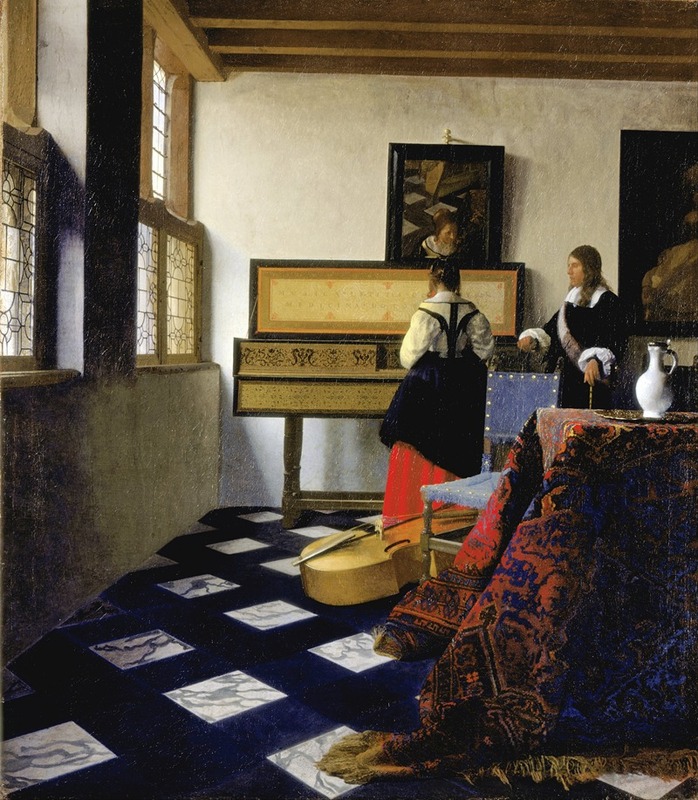
Shipbuilder’s House — History & Facts
Light transforms a world of disarray into an ordered beauty, reflecting the delicate balance between creation and the surroundings that cradle it. In Shipbuilder’s House, this notion resonates deeply, revealing how the essence of light can redefine and elevate the mundane. Look to the left where the soft sunlight filters through the trees, casting intricate shadows upon the weathered facade of the house. Notice the gentle blend of colors; the earthy browns of the structure contrast harmoniously with the vibrant greens of the foliage.
The brushstrokes weave together an inviting texture that draws you in, inviting a deeper exploration of the domestic scene and its relationship to nature. The angle of perspective creates a sense of intimacy, making the viewer feel as though they are part of the world presented. Within this serene composition lies an emotional tension between industry and nature. The shipbuilder’s home stands as a testament to human endeavor, yet the surrounding flora suggests a quiet strength of the natural world that persists in harmony with human creations.
The interplay of light and shadow symbolizes the passage of time, hinting at both human labor and the inevitability of nature's reclaiming touch. Each element holds a narrative that speaks to resilience and coexistence. Ernest Haskell painted Shipbuilder’s House in 1920 during a time when American art was evolving towards modernism. At this point, he was deeply influenced by the scenes of his New England surroundings, reflecting both the region's industrial roots and its rich natural beauty.
Haskell’s works from this period often explore the intersections between human life and the environment, a relevant discourse as the world was grappling with the aftermath of World War I and pondering its future.
More Artworks by Ernest Haskell
Browse all →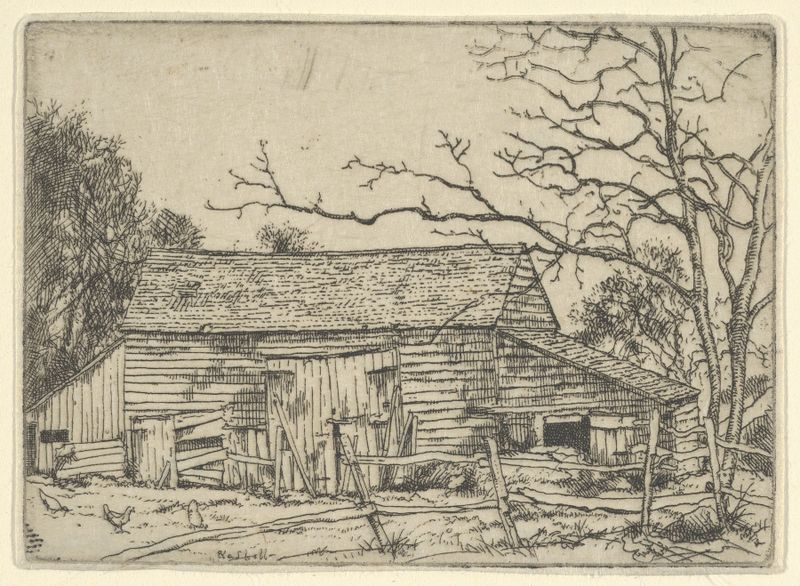
The Barn–Staten Island, N.Y.
Ernest Haskell

Four Live Oaks
Ernest Haskell
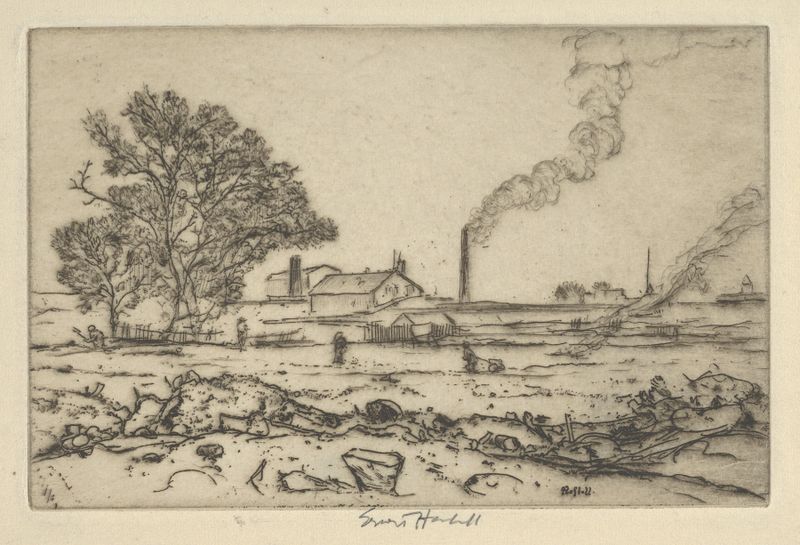
Outskirts of Boston
Ernest Haskell
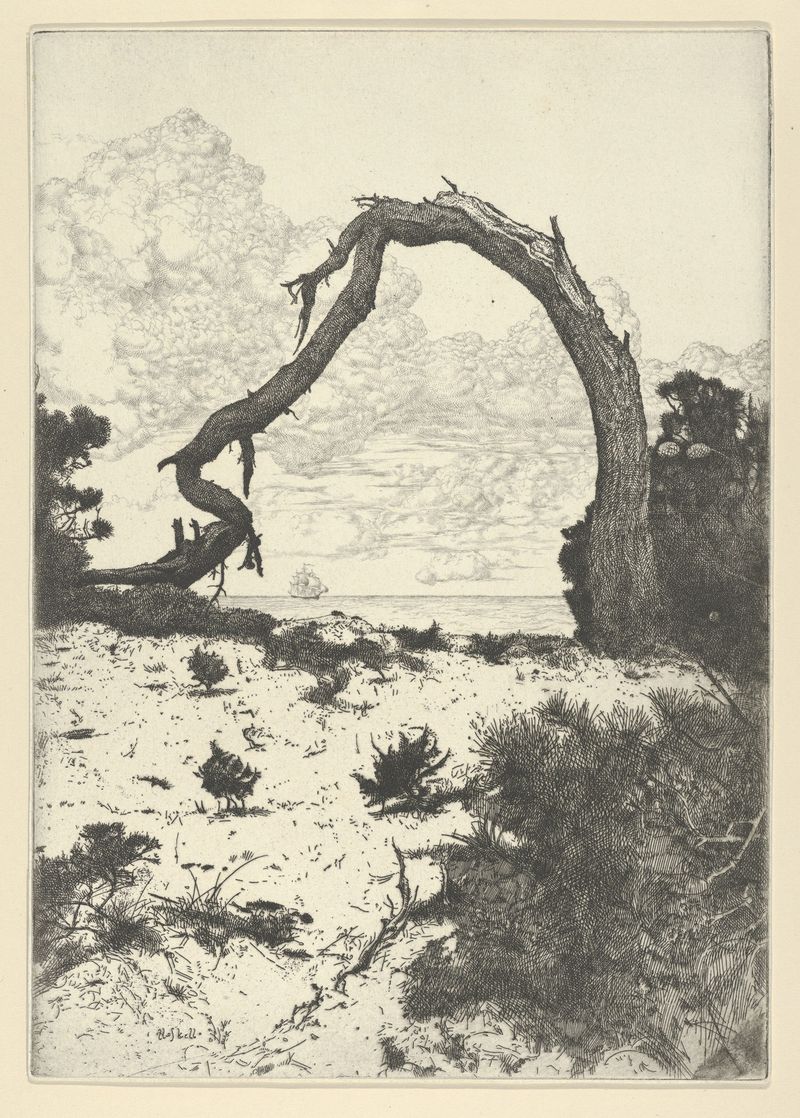
Pine Arch
Ernest Haskell

General Sherman
Ernest Haskell
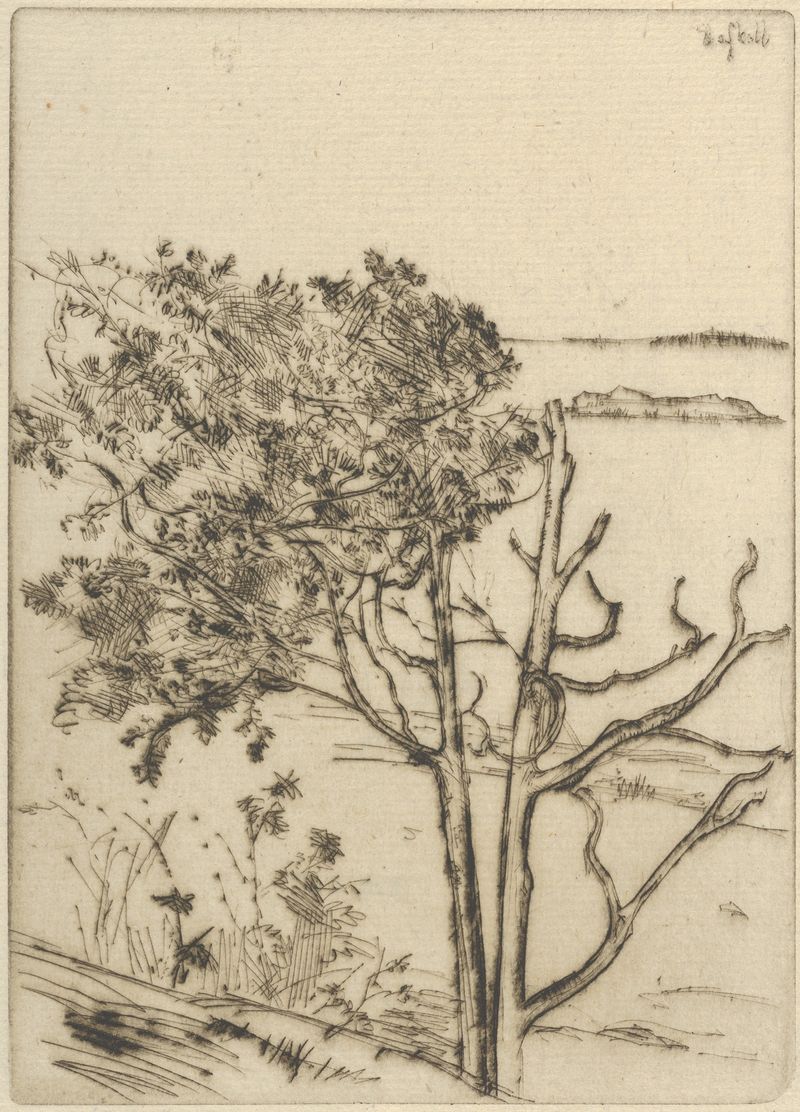
Ragged Tree – Maine
Ernest Haskell

Tide Mill
Ernest Haskell

Ship Building
Ernest Haskell
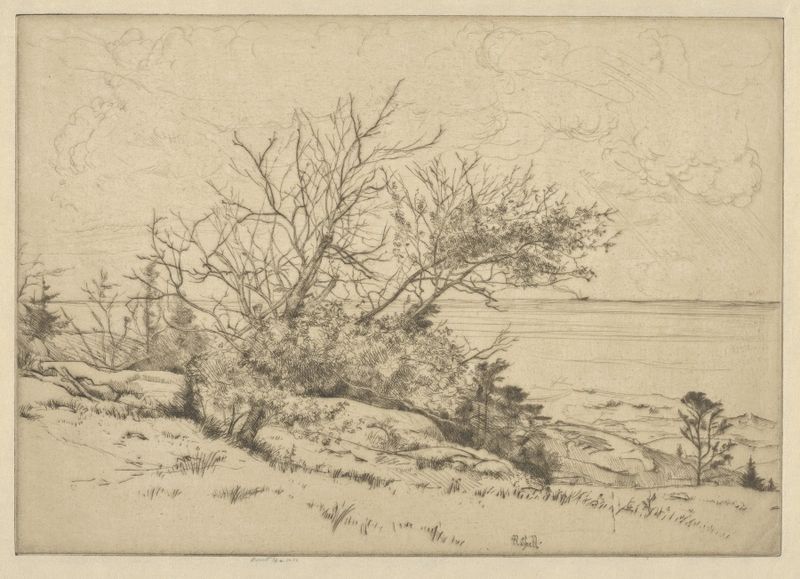
To the Southward – Ragged Island, Me.
Ernest Haskell
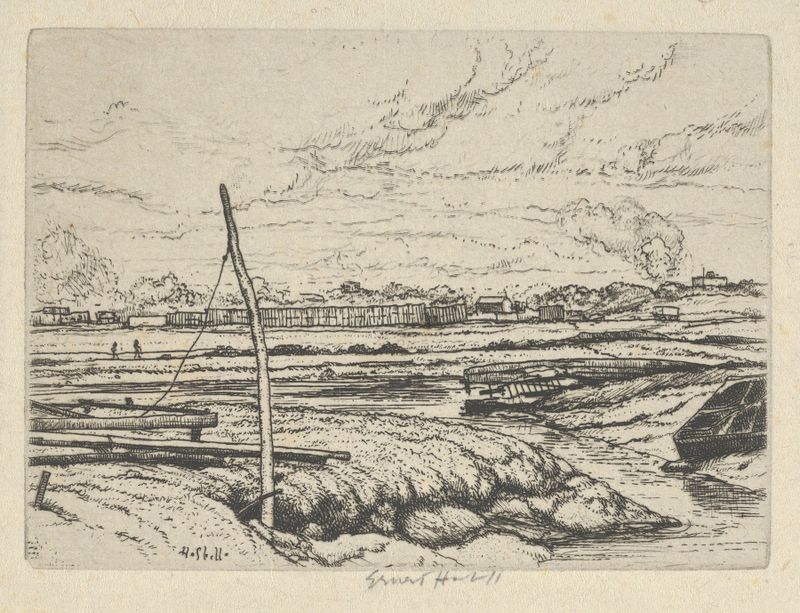
Long Island Marshes
Ernest Haskell