
Shitakiri suzume — History & Facts
In Shitakiri suzume, we see a delicate portrayal of a sparrow. The colors are soft and muted, with shades of brown and gray dominating the scene. The background features subtle textures that suggest a natural setting, enhancing the bird's presence.
This composition captures a moment of stillness in nature. This artwork is a woodblock print, a traditional Japanese technique known as ukiyo-e. The intricate details of the sparrow are highlighted through careful line work and color application. Viewers can appreciate the craftsmanship involved in creating the layers of color and texture.
The print exemplifies the skill of Tsukioka Yoshitoshi in this medium. Tsukioka Yoshitoshi was a prominent figure in the ukiyo-e movement during the late Edo and early Meiji periods. Shitakiri suzume is notable for its focus on a single subject, reflecting a shift in Japanese art towards more intimate representations. An interesting fact about this work is that it showcases Yoshitoshi's ability to blend traditional themes with a modern sensibility.
His works often explore themes of beauty and transience, making them significant in the history of Japanese art.
More Artworks by Tsukioka Yoshitoshi

Frost fills the air and the autumn air is still/lines of returning geese cross the moon in the third hour-Kenshin, from the series Twelve Aspects of the Moon
Tsukioka Yoshitoshi
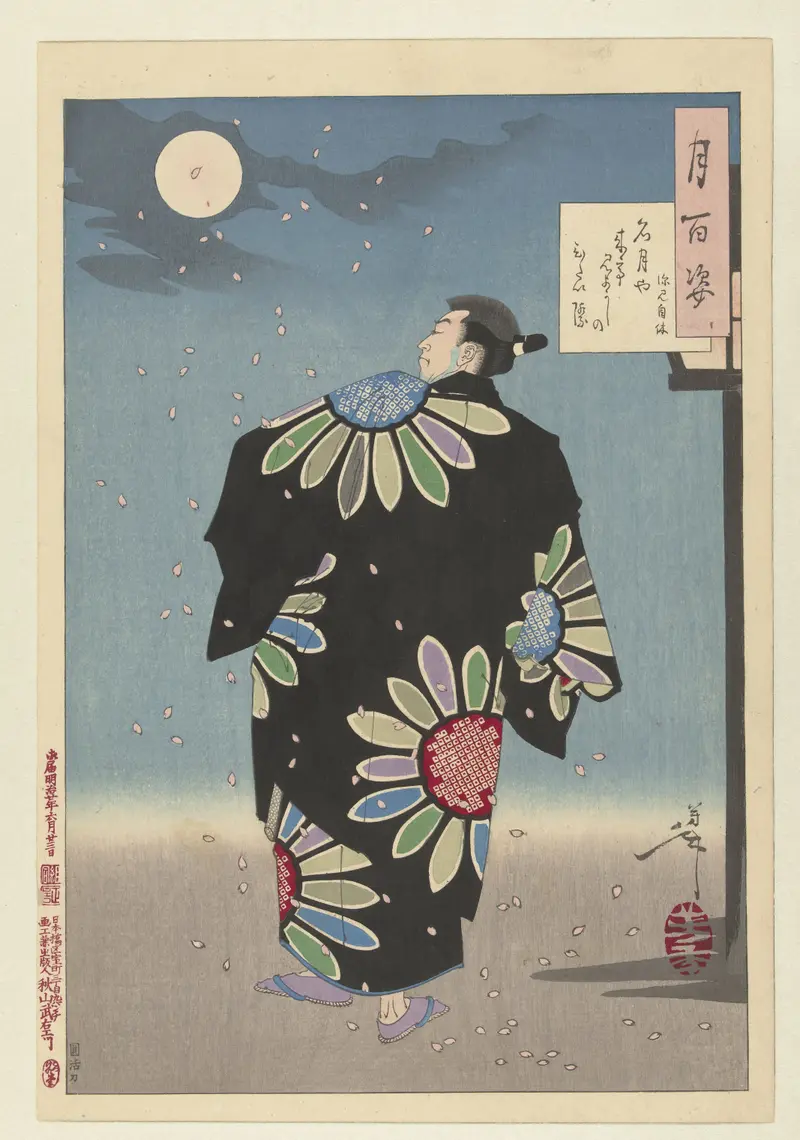
Fukami Jikyu in maanlicht
Tsukioka Yoshitoshi
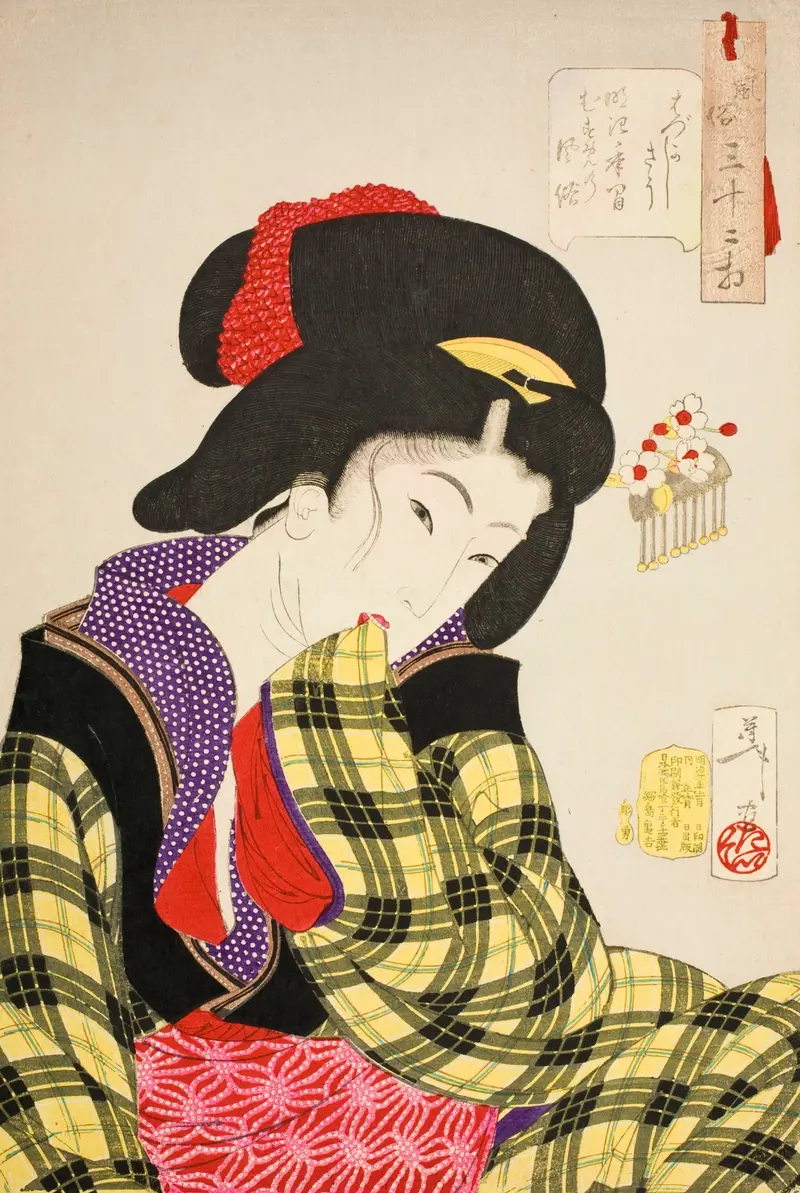
Looking Shy; The Manners of a Young Girl of the Meiji Era
Tsukioka Yoshitoshi
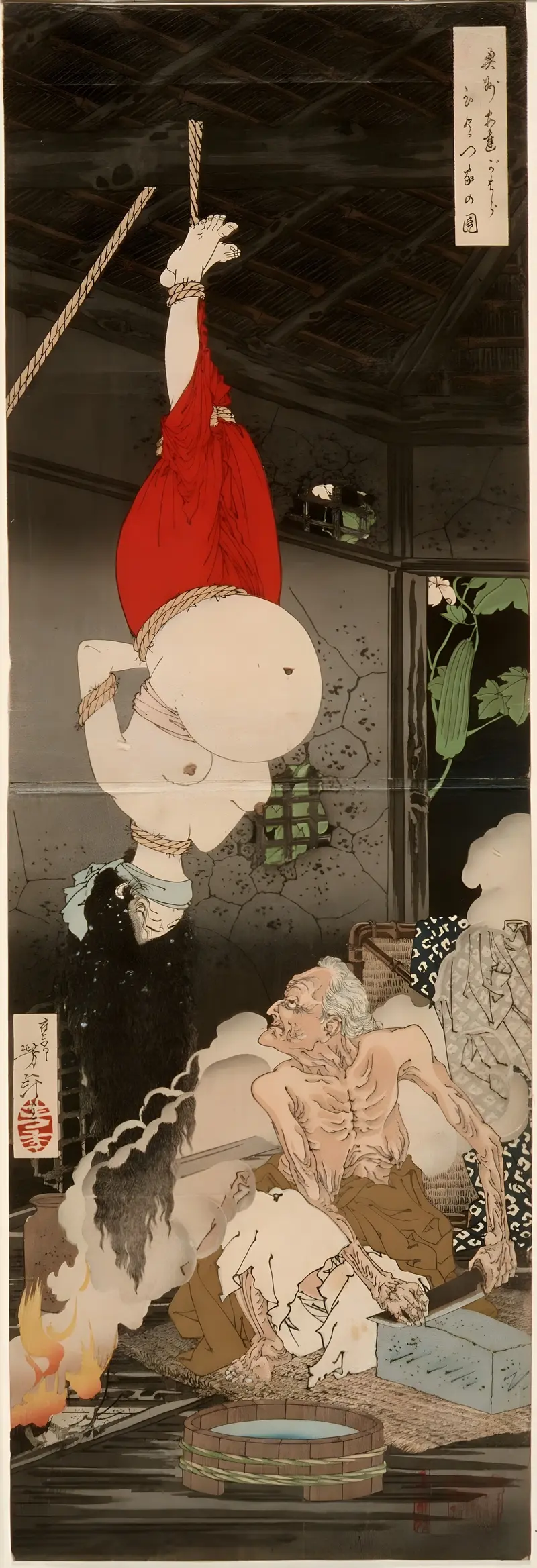
The Lonely House on Adachi Moor in Northern Japan
Tsukioka Yoshitoshi
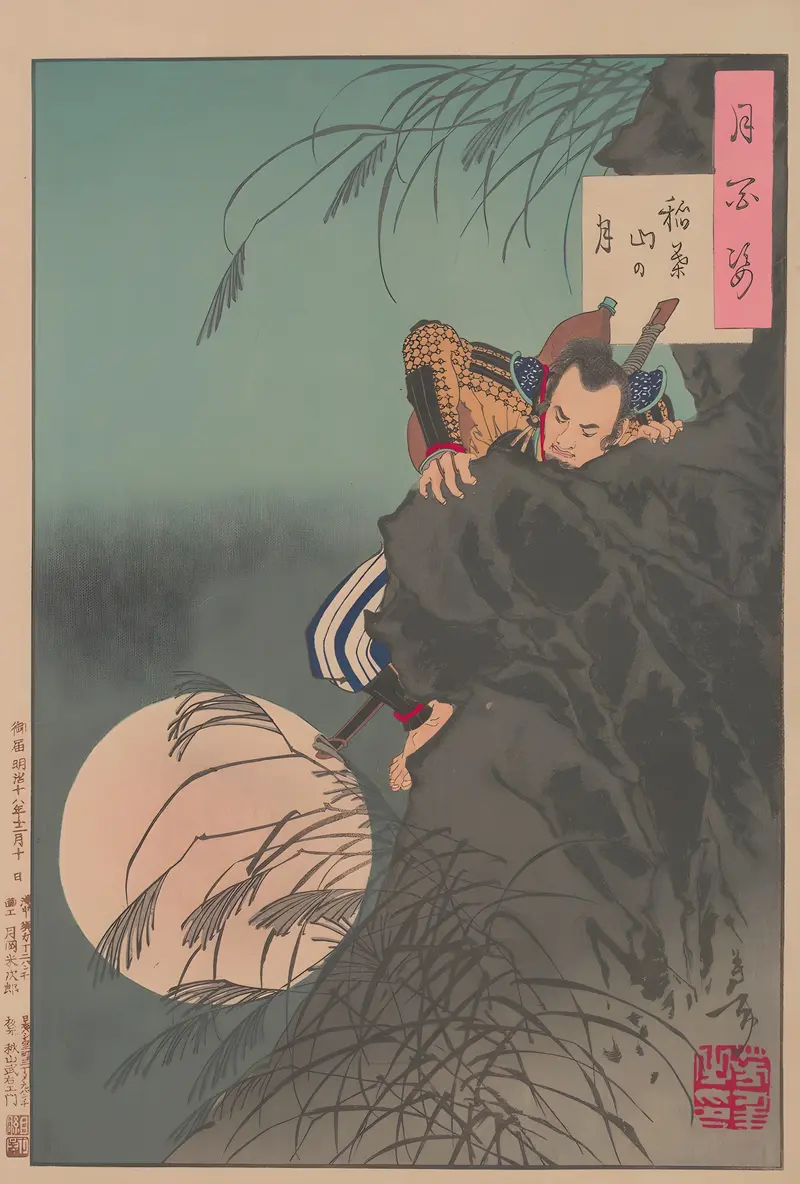
Inaba Mountain moon (Inabayama no tsuki)
Tsukioka Yoshitoshi
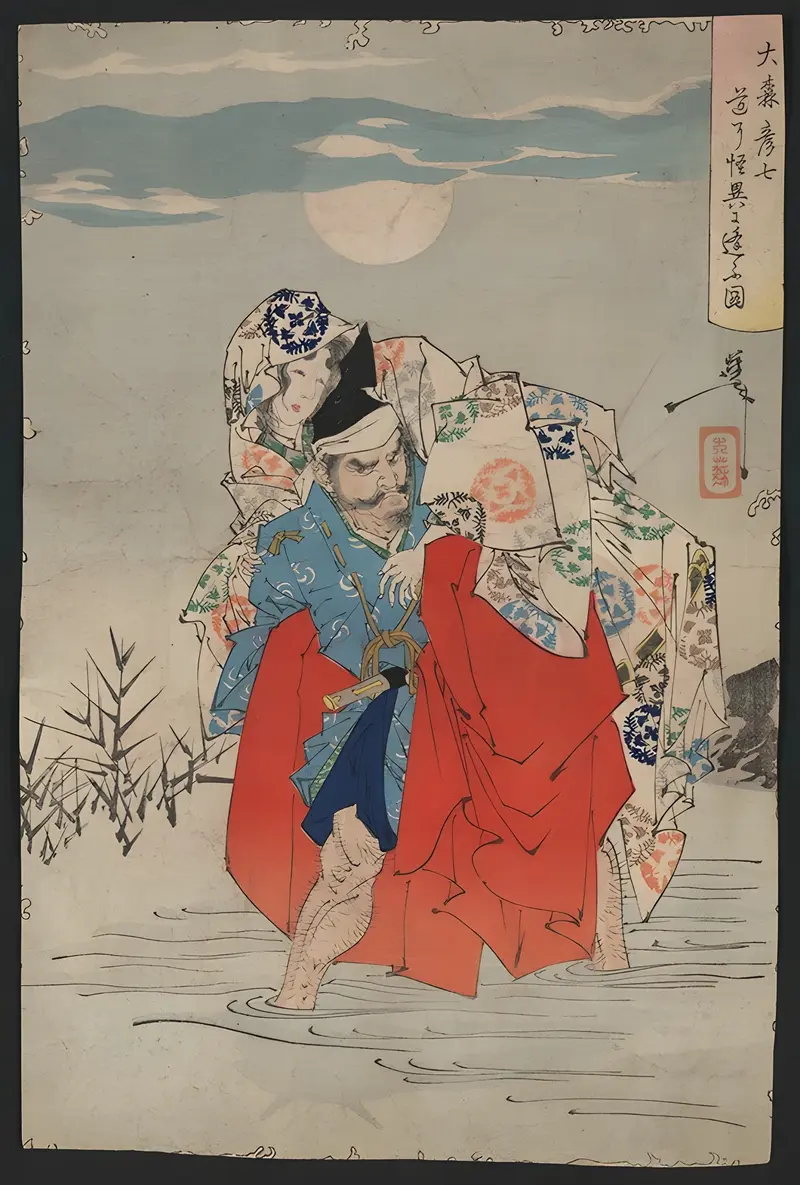
Omori Hikoshichi
Tsukioka Yoshitoshi
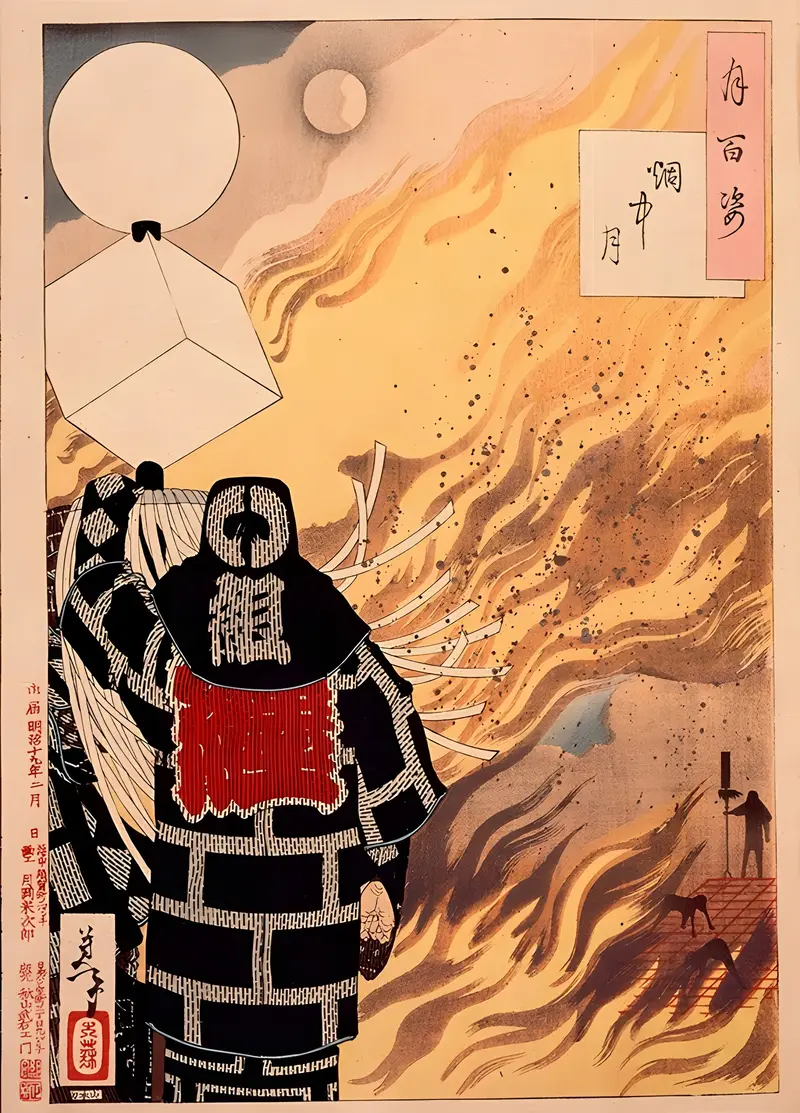
One Hundred Aspects of the Moon
Tsukioka Yoshitoshi
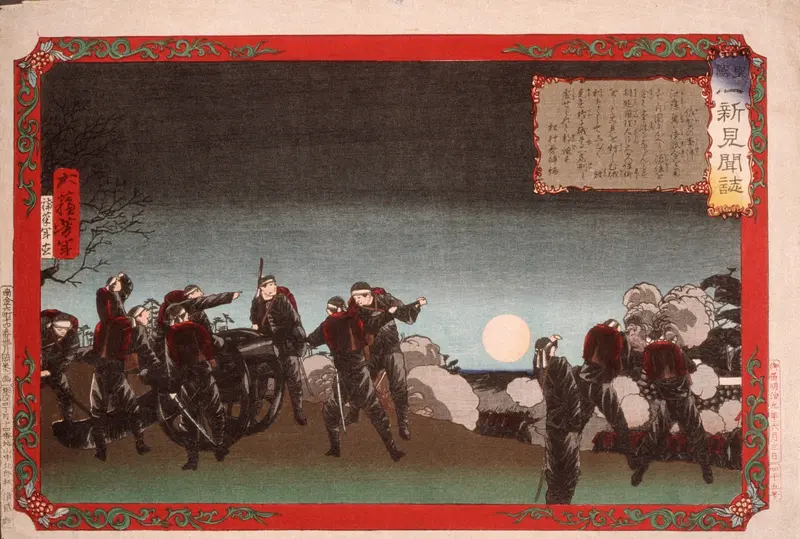
The Saga Incident
Tsukioka Yoshitoshi
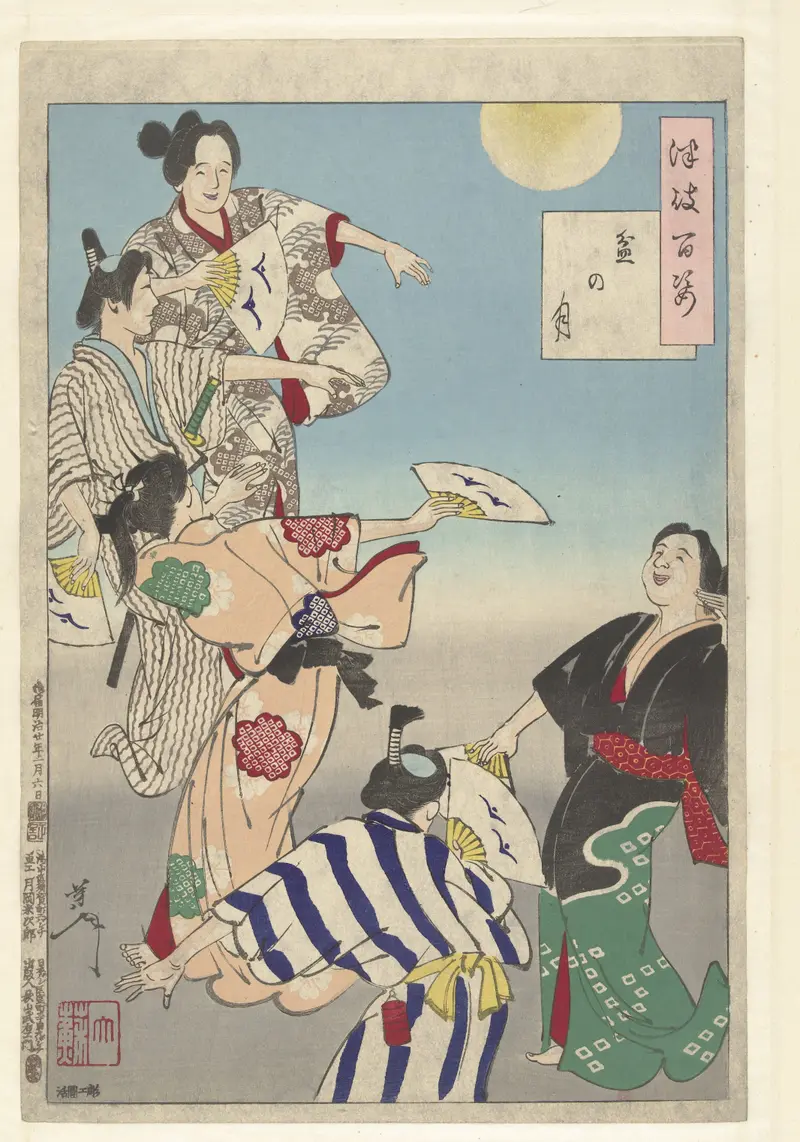
Bon Festival Moon (Bon no tsuki)
Tsukioka Yoshitoshi
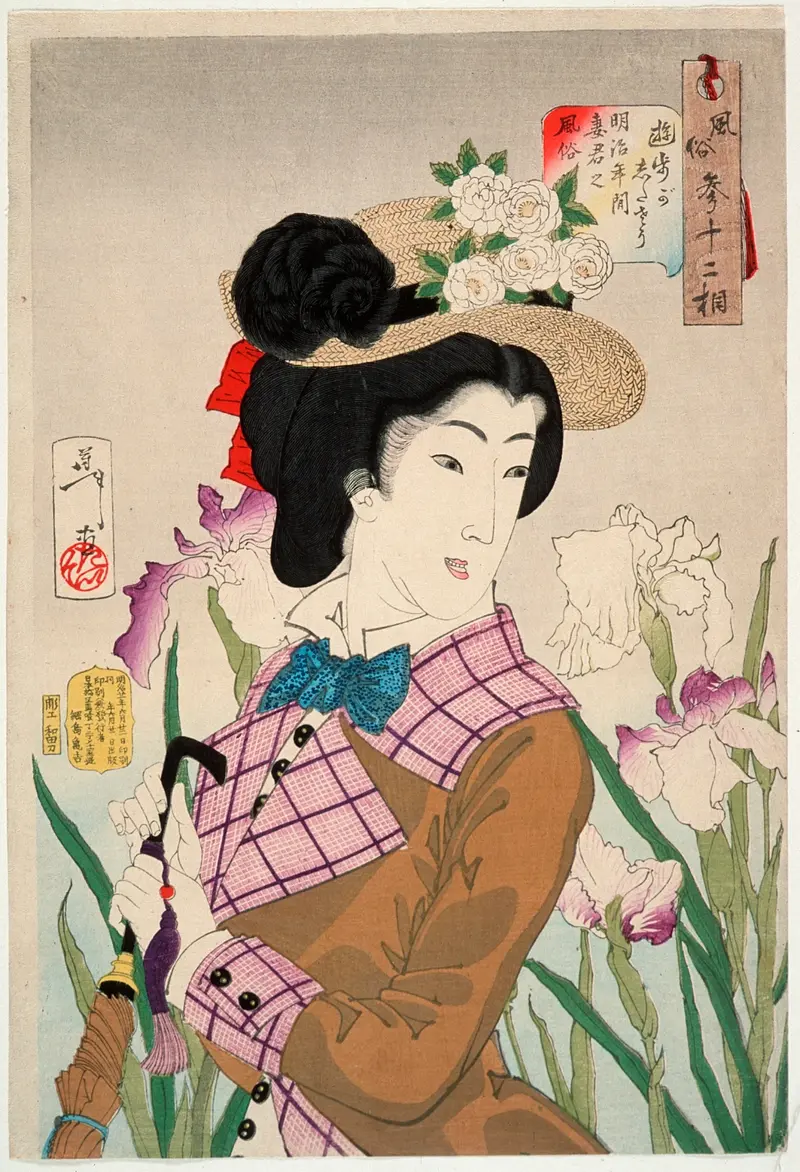
Preparing to Take a Stroll; The Wife of a Nobleman of the Meiji Period
Tsukioka Yoshitoshi
More Genre Scene Art

Banquet of the Officers of the St George Civic Guard
Frans Hals

Rembrandt and Saskia in the Scene of the Prodigal Son
Rembrandt van Rijn

Bal du moulin de la Galette
Pierre-Auguste Renoir

Quadrille at the Moulin Rouge
Henri de Toulouse-Lautrec

A Burial at Ornans
Gustave Courbet

When Will You Marry?
Paul Gauguin