Shūbi gakan, Pl.04 — History & Facts
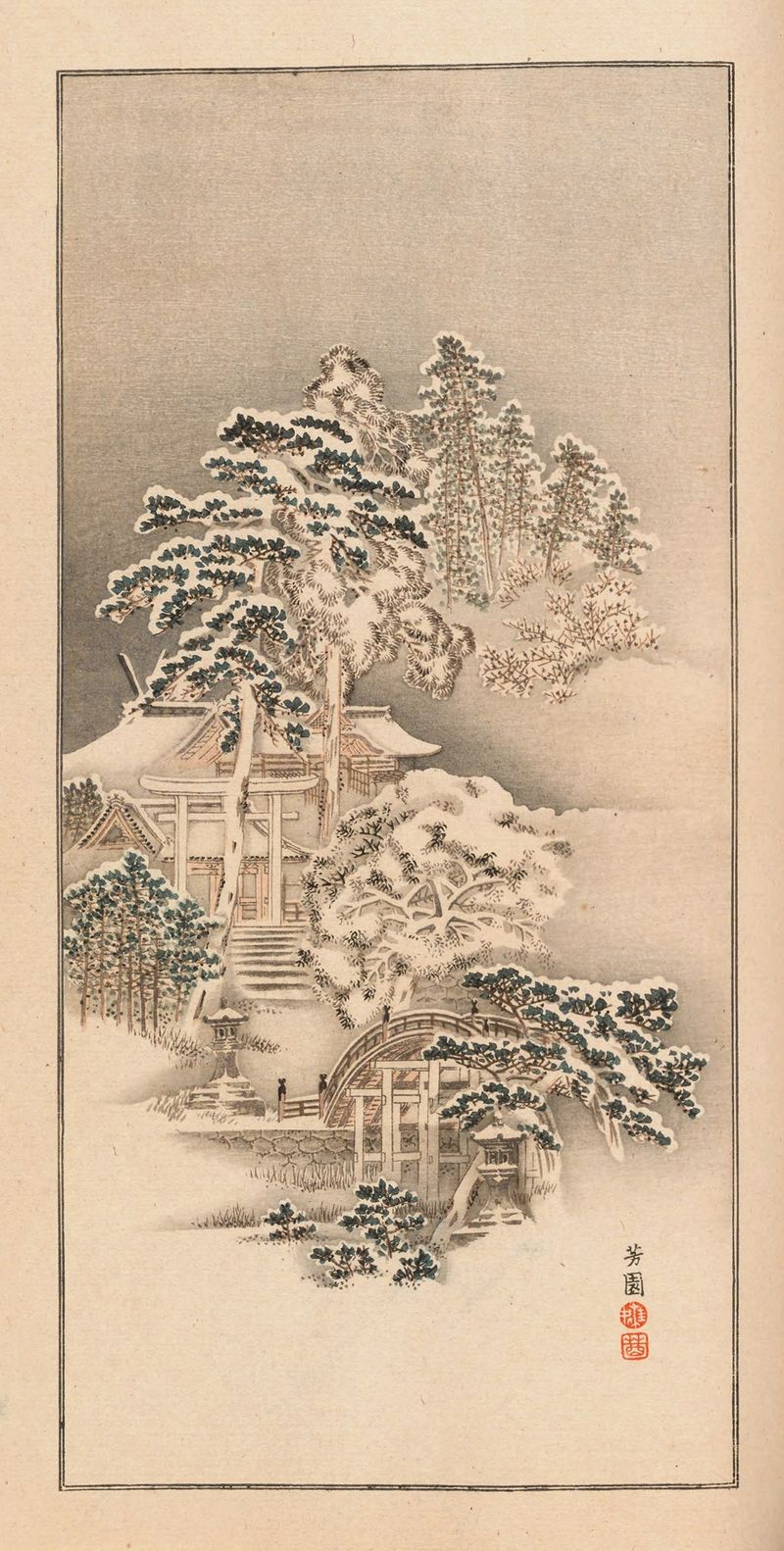
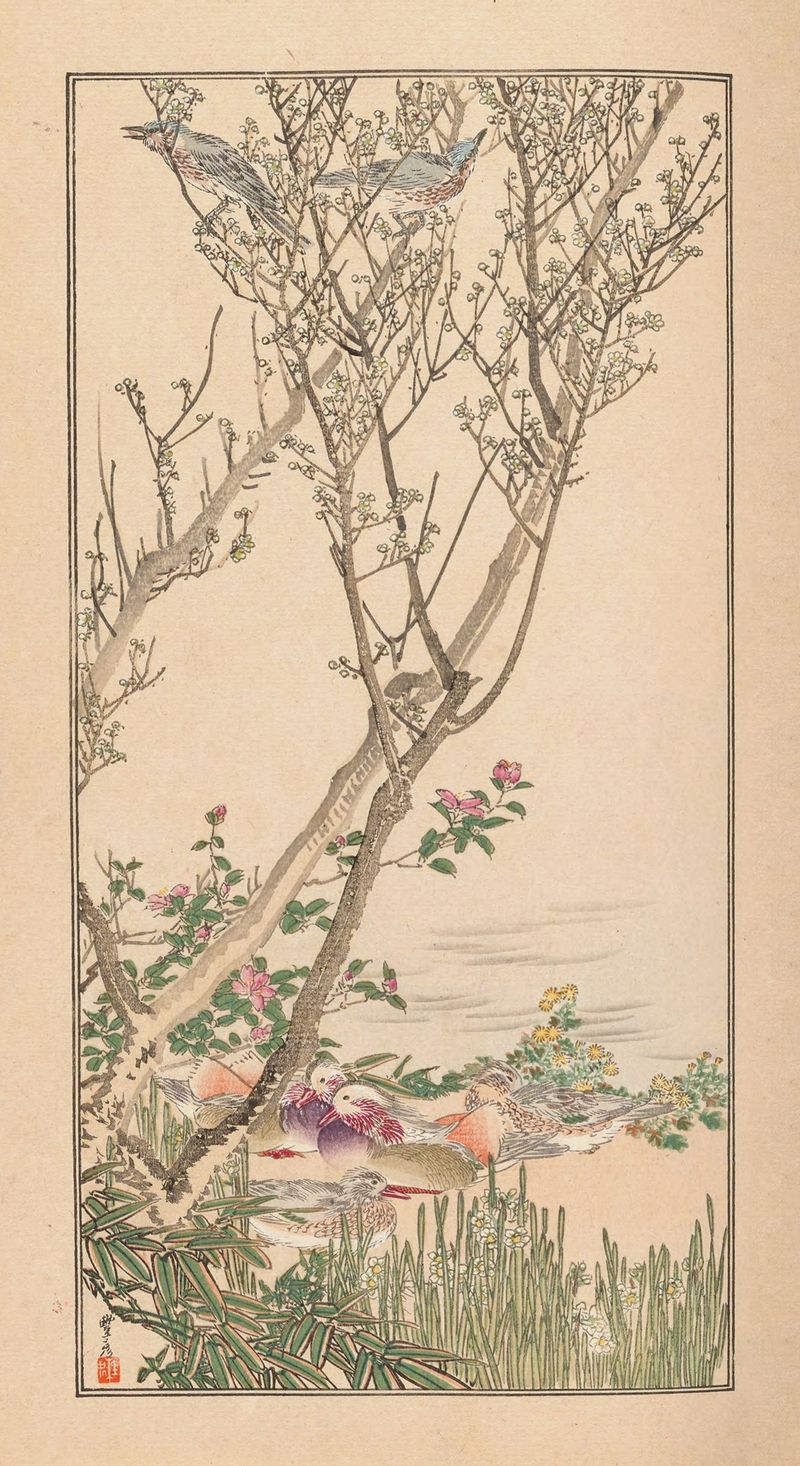
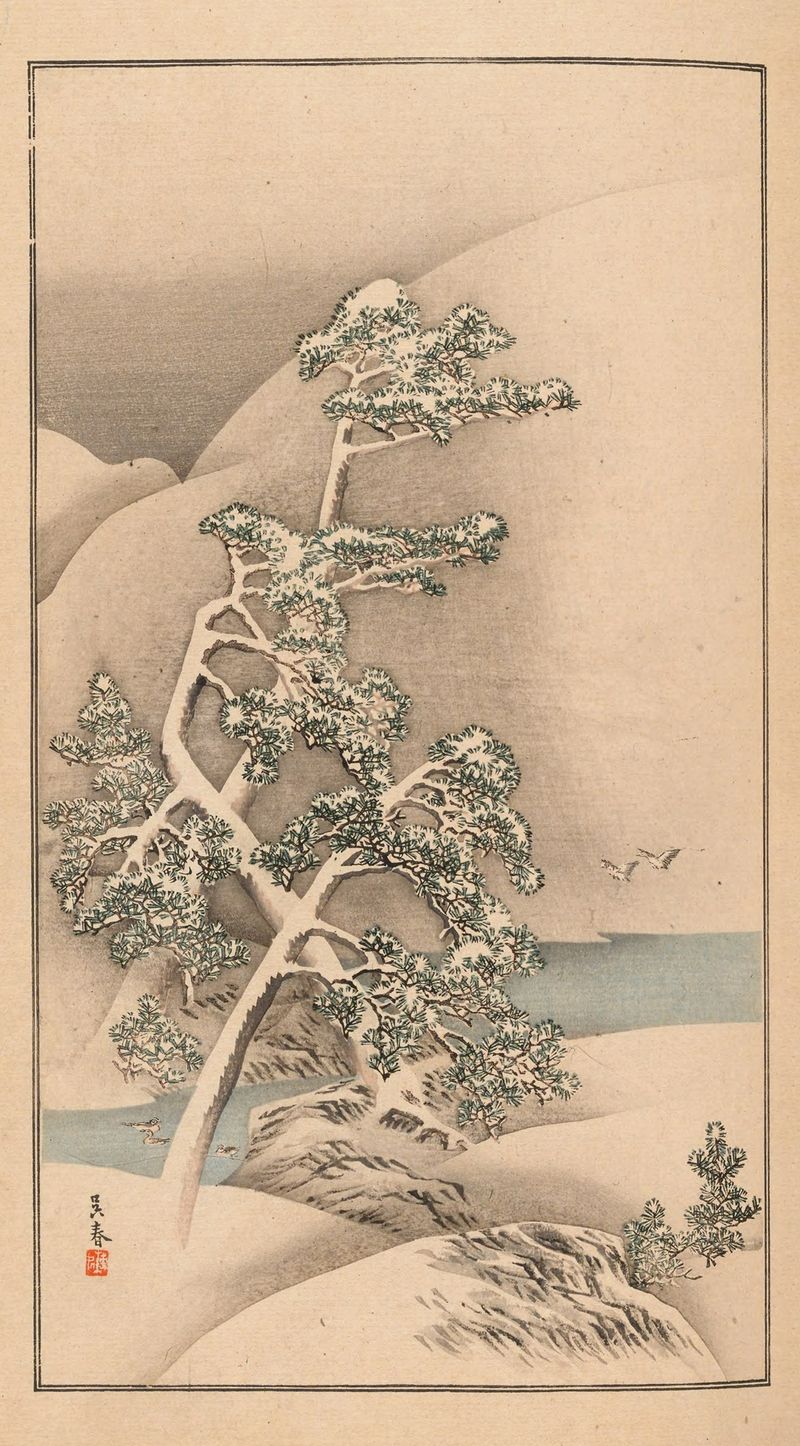
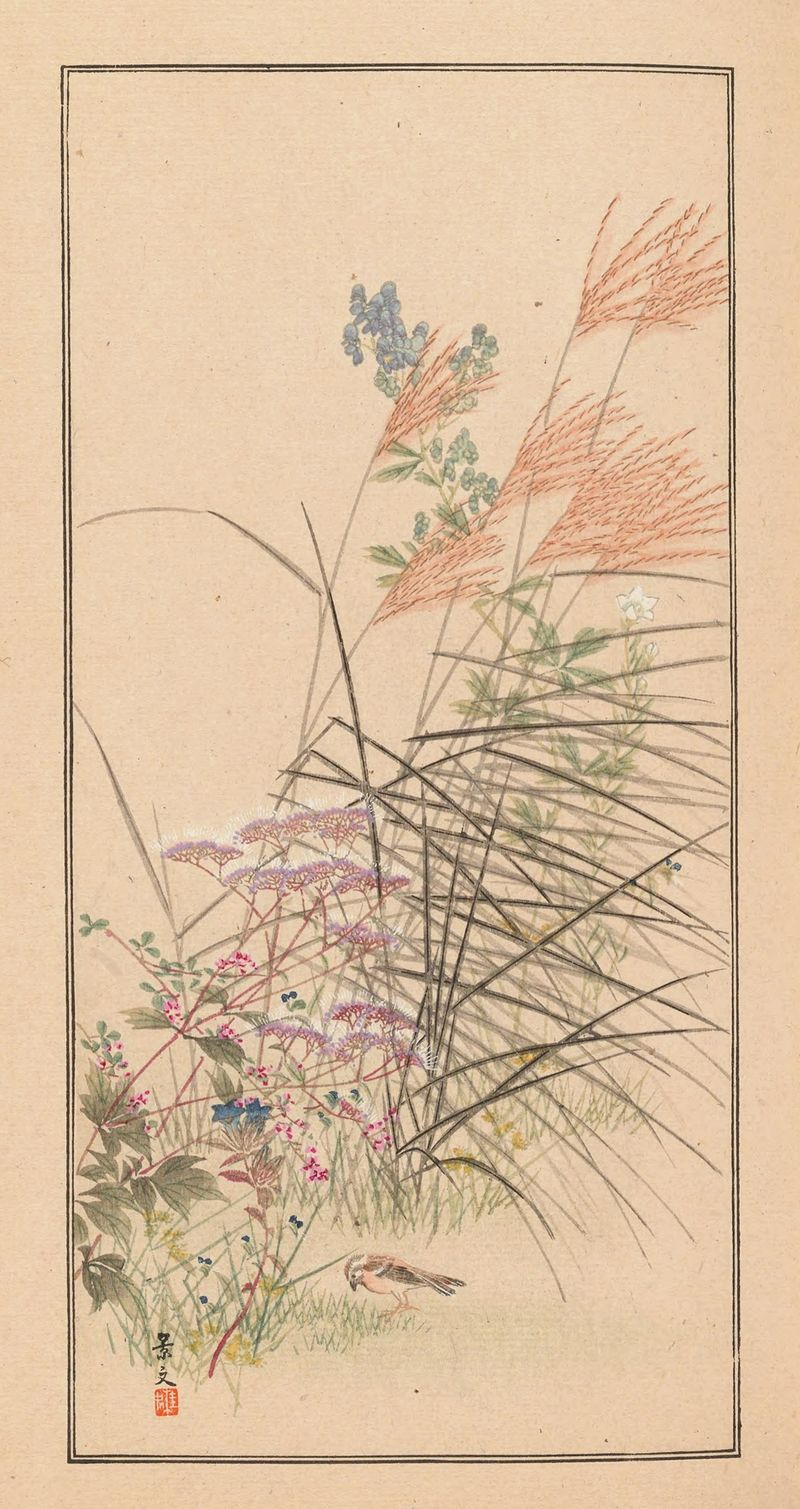
Who listens when art speaks of silence? In the stillness of Shūbi gakan, Pl.04, one can feel the weight of obsession, a dialogue held between the viewer and the canvas, as if the painting itself is holding its breath. Look to the center, where the delicate brushstrokes create a vast expanse of muted colors, drawing you into a world both serene and contemplative. Notice the intricate interplay of light and shadow, accentuating the subtle textures of the surface, leaving you captivated by its quiet beauty. The composition is masterfully balanced, with soft lines that guide the eye gently across the canvas, inviting reflection on the nature of existence. Delve deeper into the nuances, and you will find layers of meaning embedded in the simplicity.
Each stroke suggests a longing, a narrative implied through the oscillation between light and dark, chaos and calm. The soft hues bring forth an emotional landscape, one that mirrors the artist's own internal struggles, embodying the tension of desire that cannot be fully articulated. It is a whisper of yearning, a testament to the complexities of the human experience. Nanbara Sakujirō created this work in 1889 during a period where he sought to meld traditional Japanese aesthetics with Western influences.
Living and working in Japan, he was part of a broader movement that embraced and challenged artistry in a rapidly modernizing world. The late 19th century was a time of significant change, and his exploration of such themes in this piece reflects both personal introspection and the upheaval of societal norms in art.