Shūbi gakan, Pl.05 — History & Facts
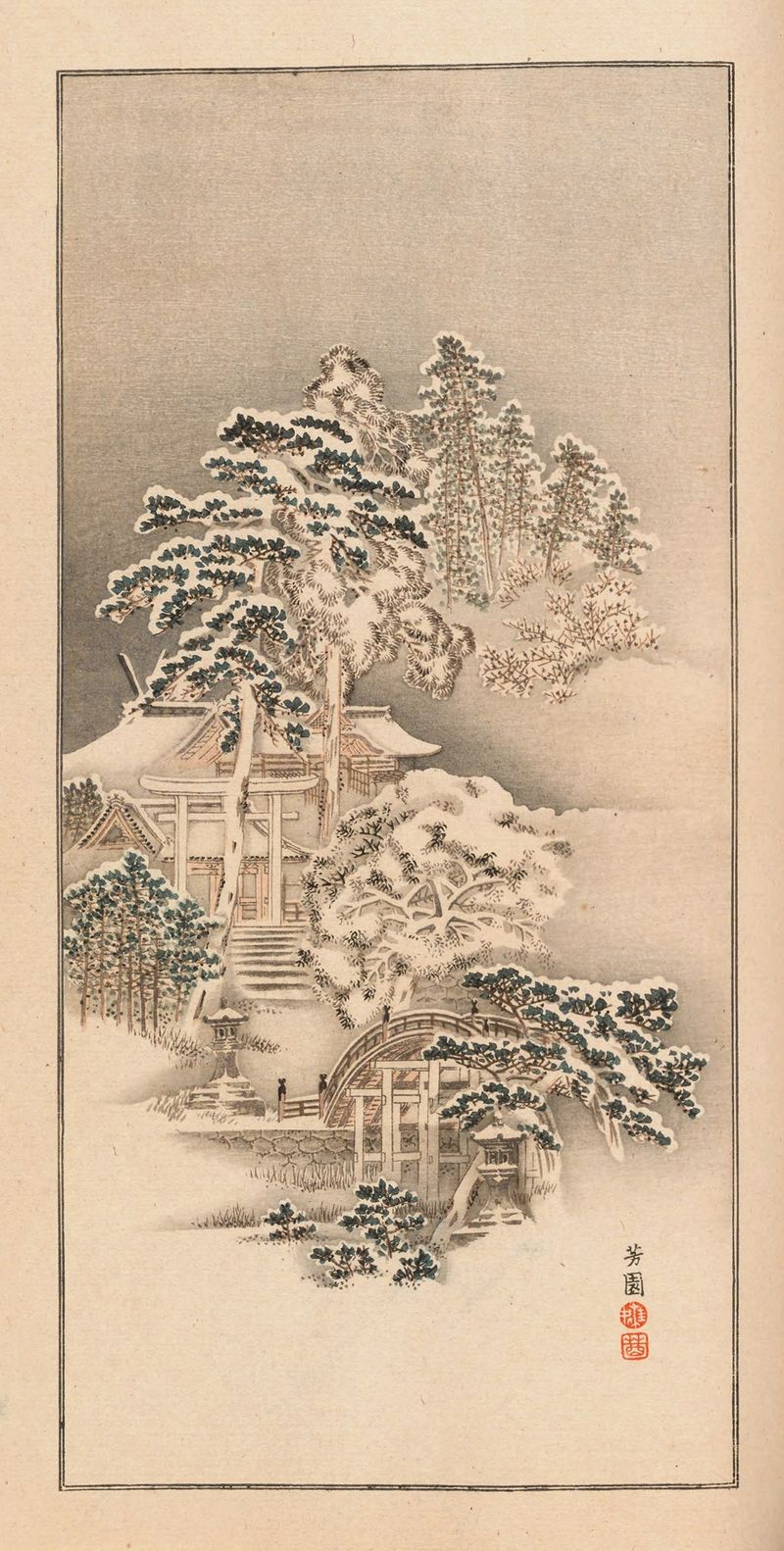
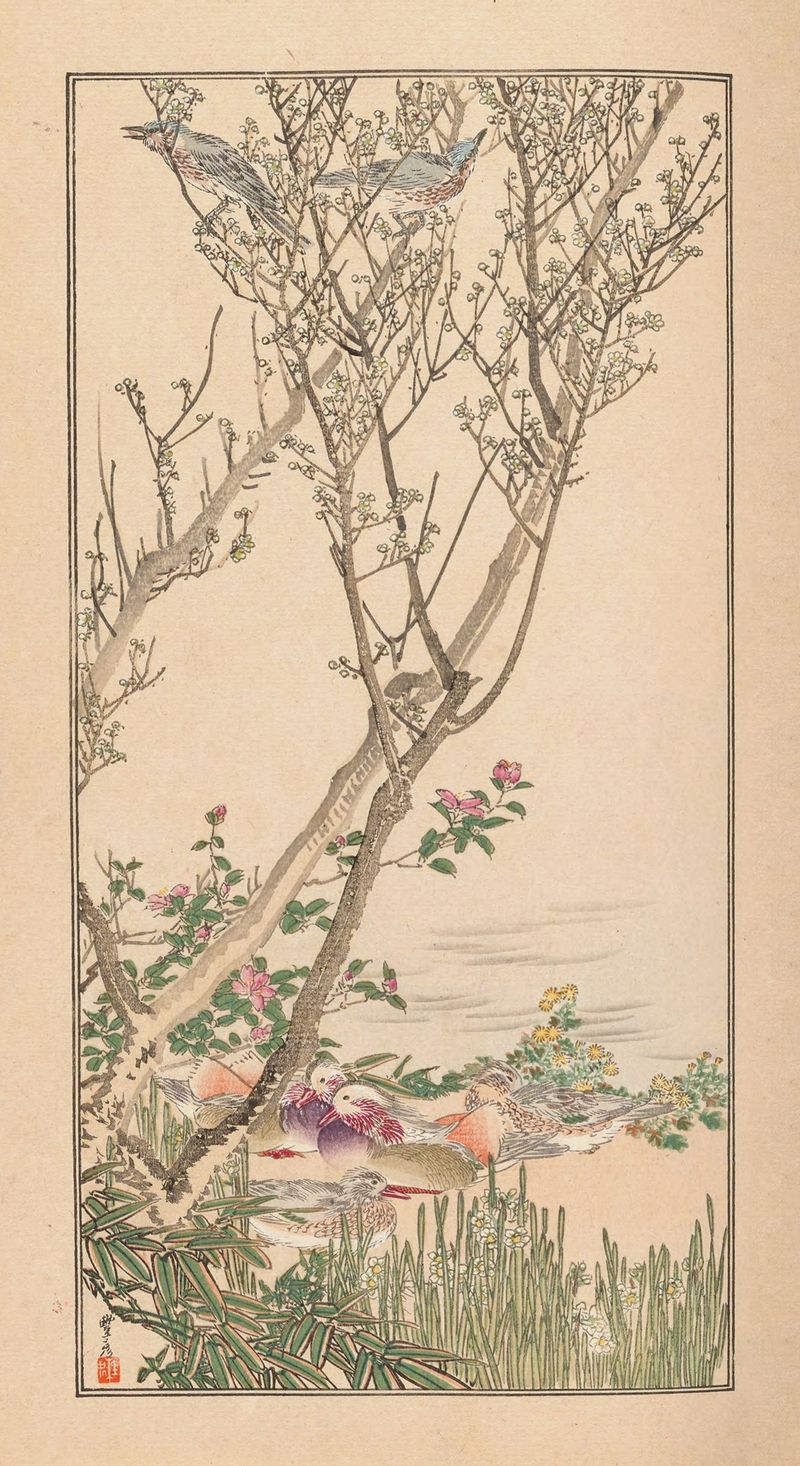
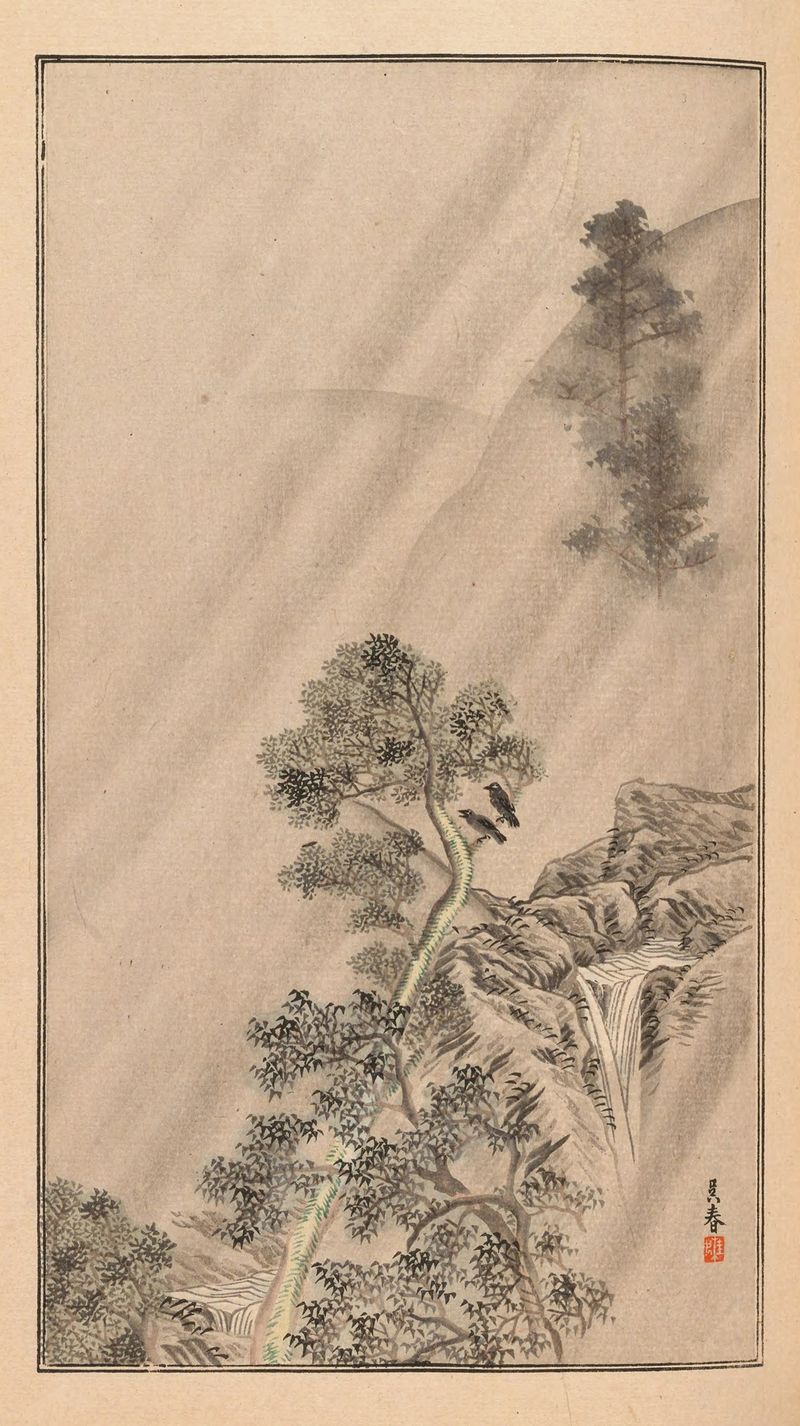
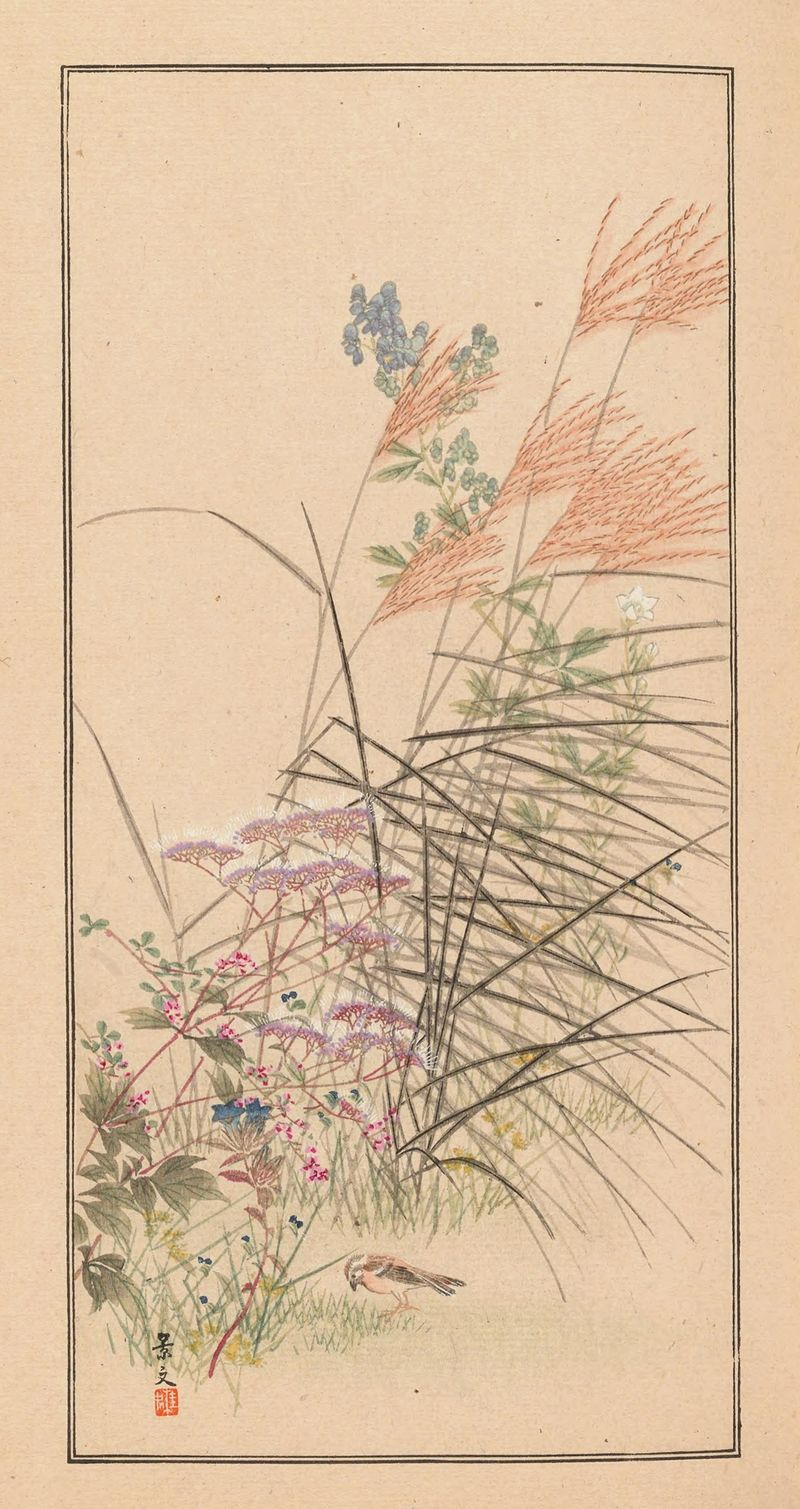
Can beauty exist without sorrow? In Shūbi gakan, Pl.05, this question lingers like a whisper, inviting contemplation on the fragility of existence. Look closely at the delicate interplay of muted hues that envelops the composition. The soft, almost ethereal light casts gentle shadows across the surface, guiding your gaze from the foreground to the intricate details in the background. Notice how the subtle brushwork animates the scene, each stroke a testament to the artist's mastery in capturing nuance.
The blending of colors creates a dreamlike quality, drawing the viewer deeper into this moment suspended in time. The painting evokes a poignant tension between the ephemeral nature of beauty and the inevitability of mortality. The serene expressions etched on the figures’ faces juxtapose the transience of life, suggesting a story beneath their tranquil exteriors. The quiet landscape, punctuated by fleeting elements, resonates with a sense of longing, hinting at the delicate balance between joy and sorrow.
Each element serves as a reminder that even in moments of grace, the specter of loss looms closely behind. In 1889, Nanbara Sakujirō created this work during a period of artistic exploration, as Japan was opening its doors to Western influences while grappling with its own cultural identity. As new ideas permeated the art world, he sought to blend traditional Japanese aesthetics with contemporary techniques, establishing a unique voice amidst a rapidly changing landscape. This piece embodies that fusion, reflecting a deep engagement with themes that resonate through time.