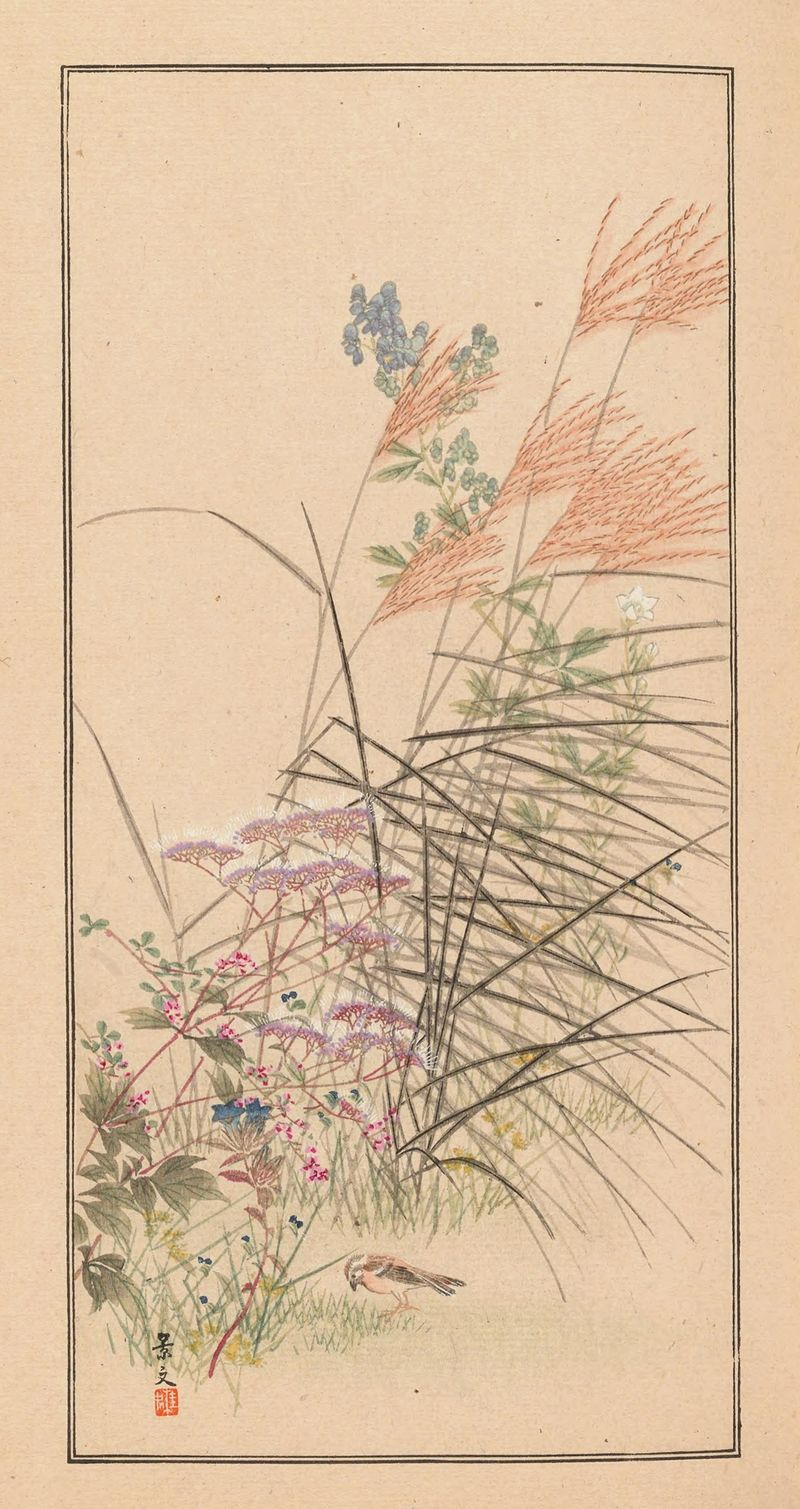
Shūbi gakan, Pl.16 — History & Facts
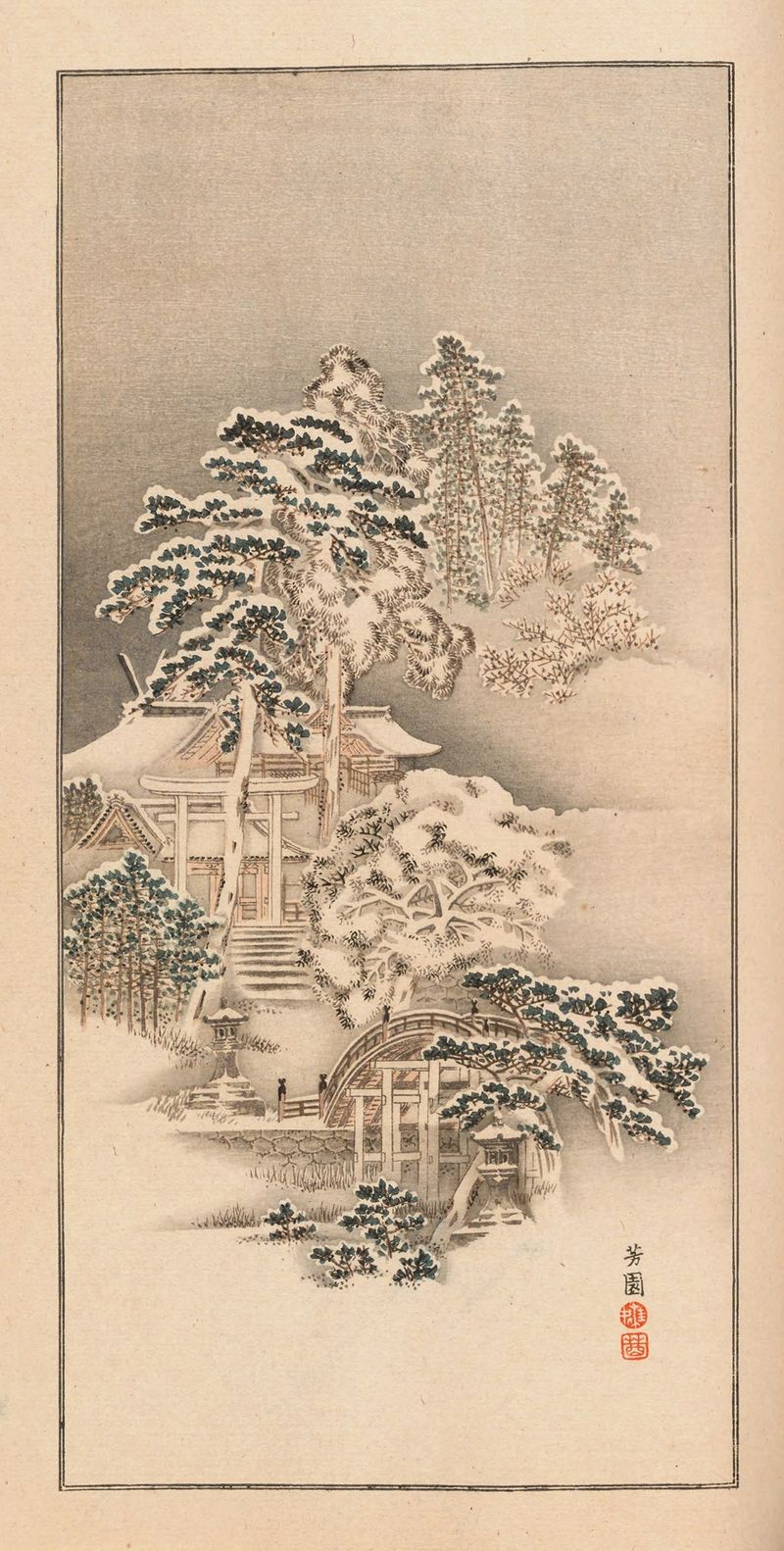
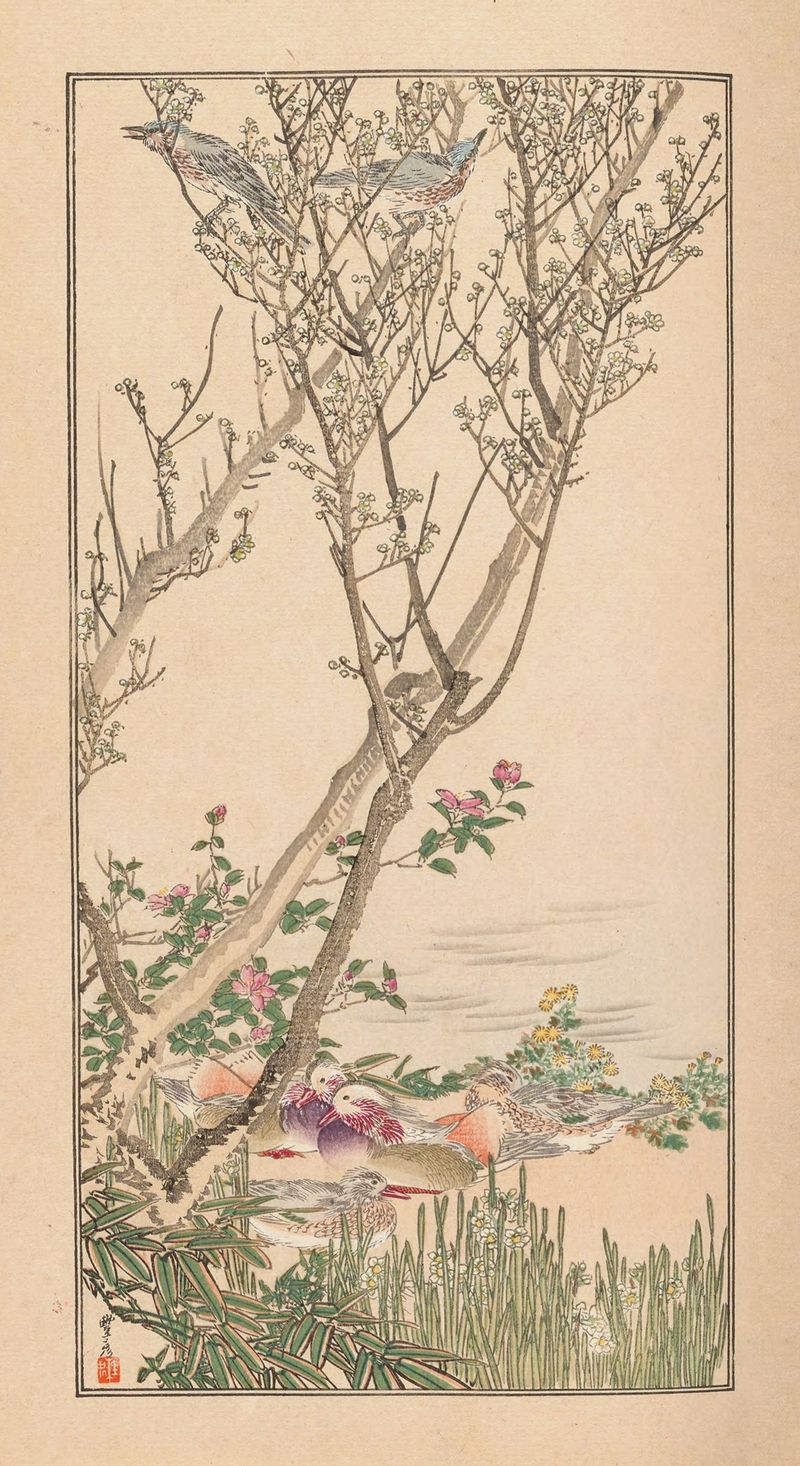
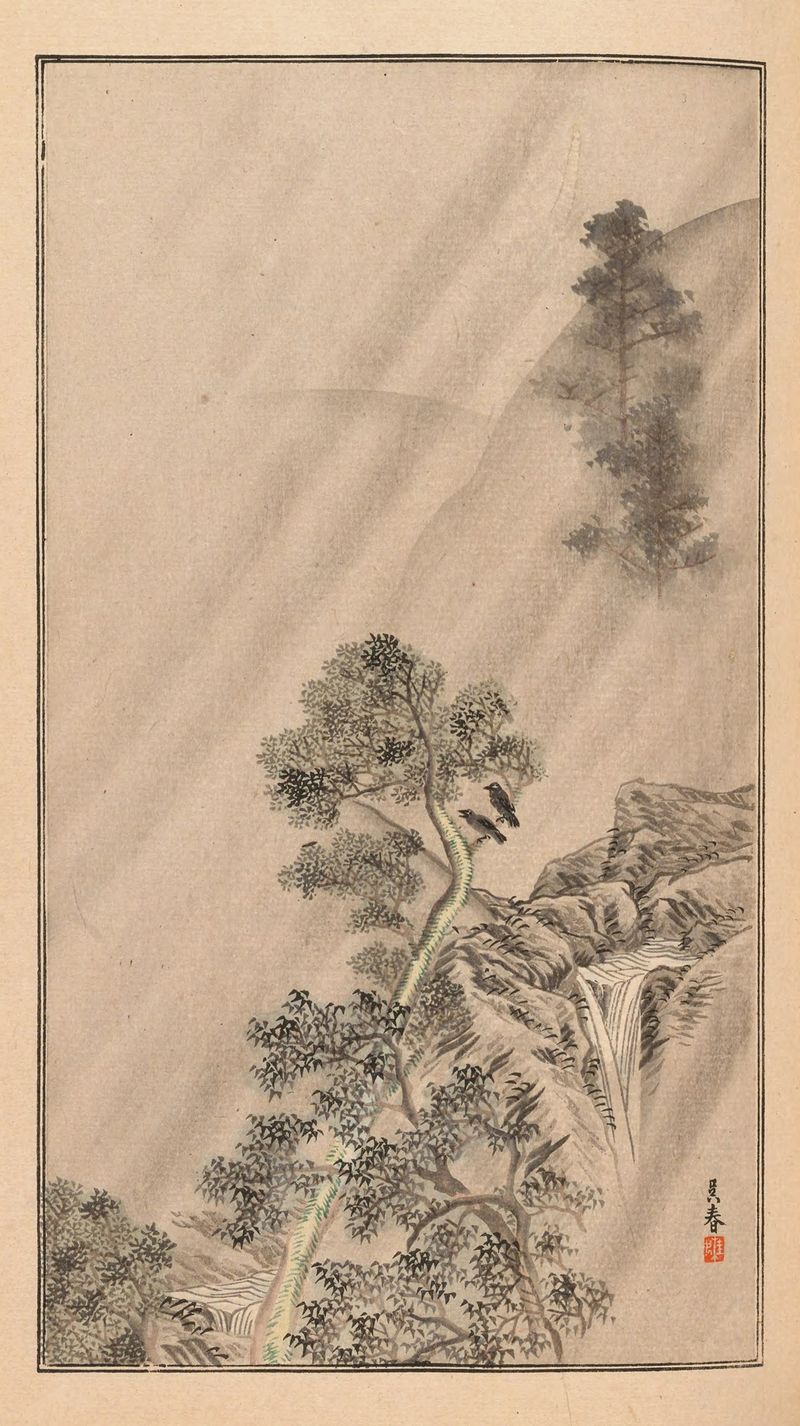
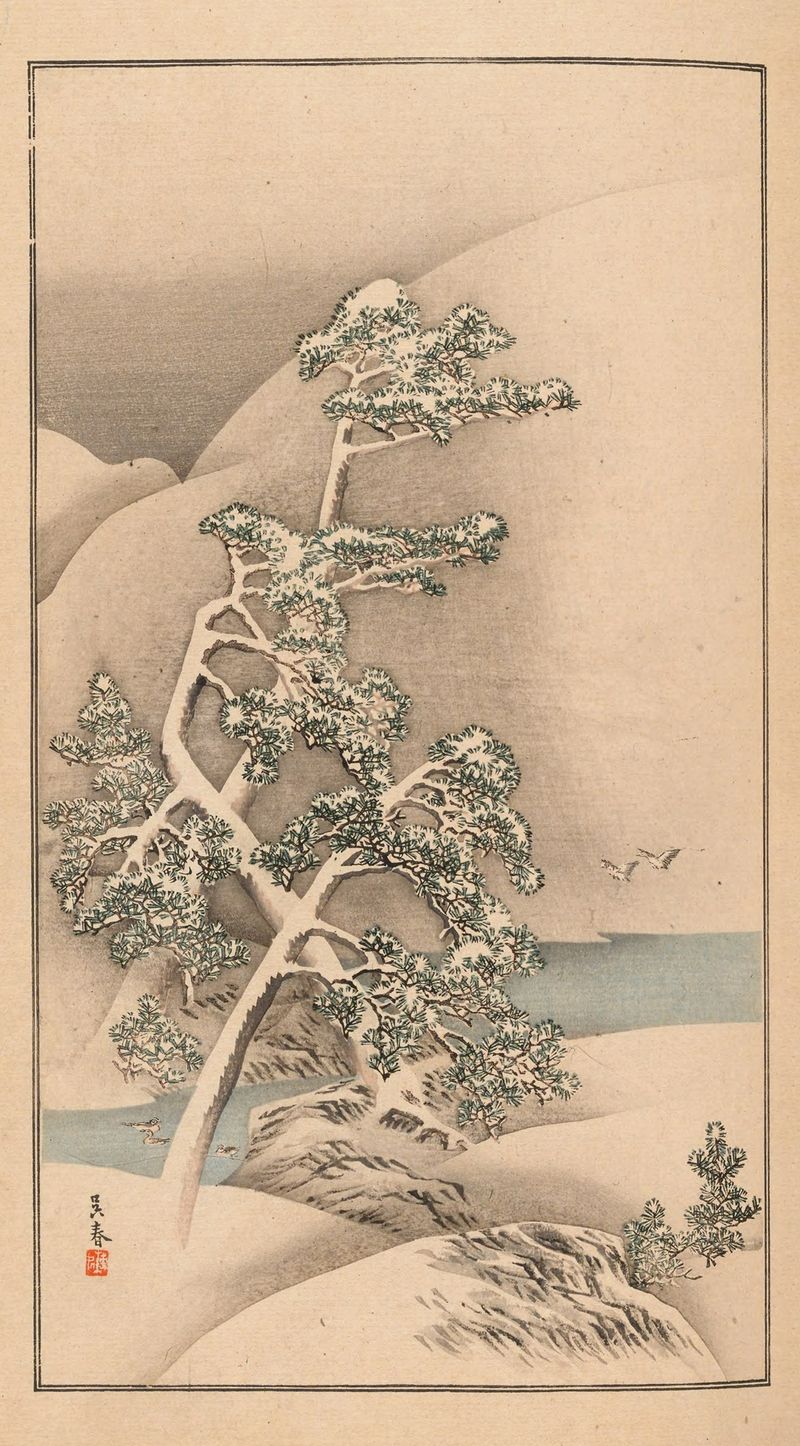
When did color learn to lie? In the delicate interplay of hues and shadows, truth and illusion blend, evoking a world where perception takes flight. Look to the left at the soft, swirling blues that invite you into a tranquil realm, expertly layered to create depth. The composition is a masterclass in balance, with gentle strokes that mimic the fluidity of nature, while the subdued palette speaks of introspection. Notice how the shadows dance subtly across the canvas, revealing hidden contours and inviting the viewer to explore the nuances nestled within the piece. Amidst the calm, there is a tension—the juxtaposition of light and dark creates an emotional undercurrent that resonates deeply.
The interplay of illumination casts doubt on what is real, transforming the ordinary into something extraordinary. Each shadow, a whisper of mystery, hints at stories untold, pulling us into a contemplative state where we ponder the boundaries of truth and fiction. In 1889, as Nanbara Sakujirō painted Shūbi gakan, Pl.16, he was immersed in the richness of Japan’s Meiji era, a time defined by cultural upheaval and the merging of traditional Japanese art with Western influences. This work embodies the artist's exploration of these evolving aesthetics, reflecting both personal introspection and the broader shifts occurring in the art world.
Sakujirō sought to capture the essence of beauty through the profound interplay of light and shadow, signaling a transformative moment in his creative journey.