Shūbi gakan, Pl.07 — History & Facts
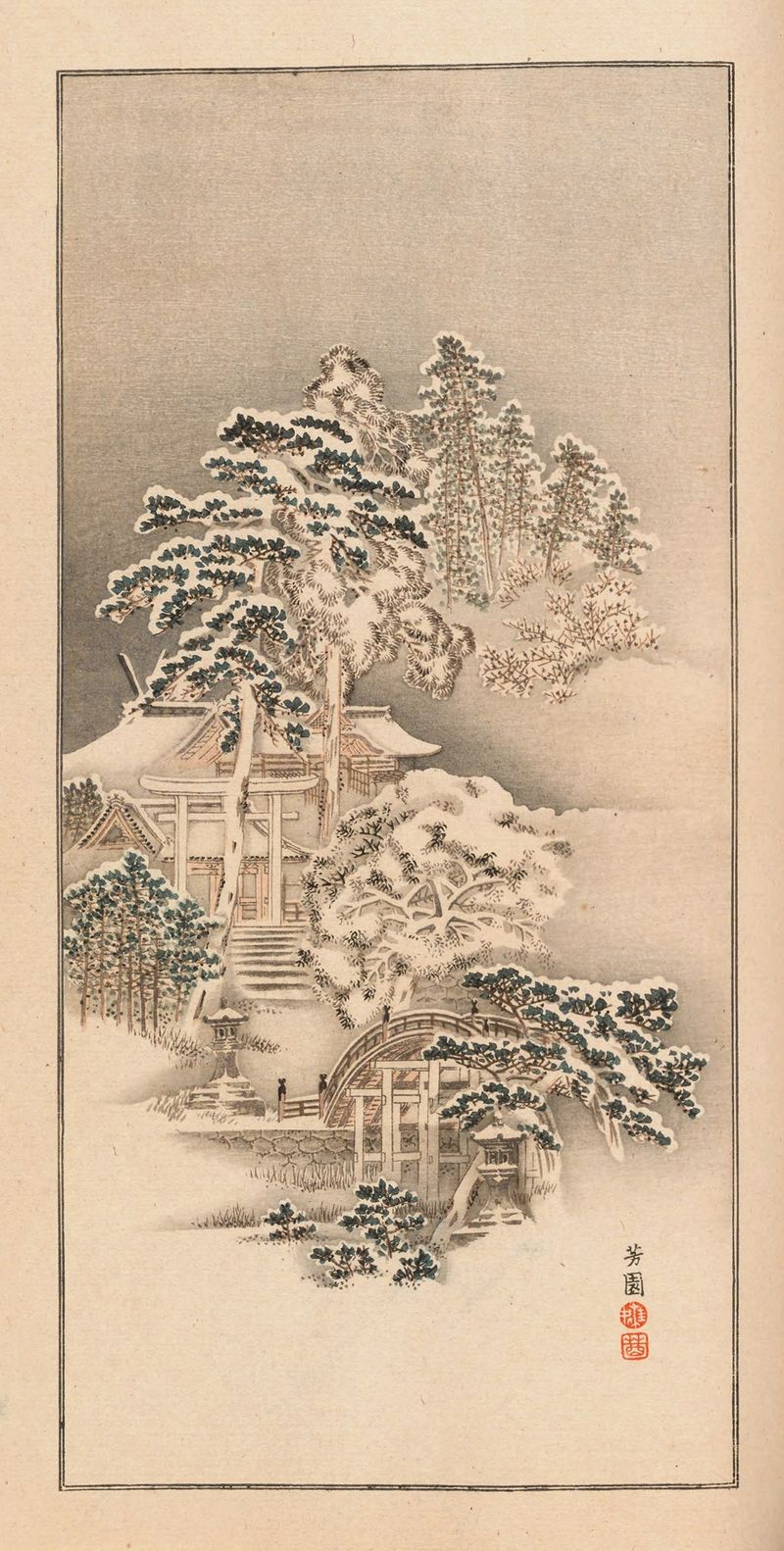
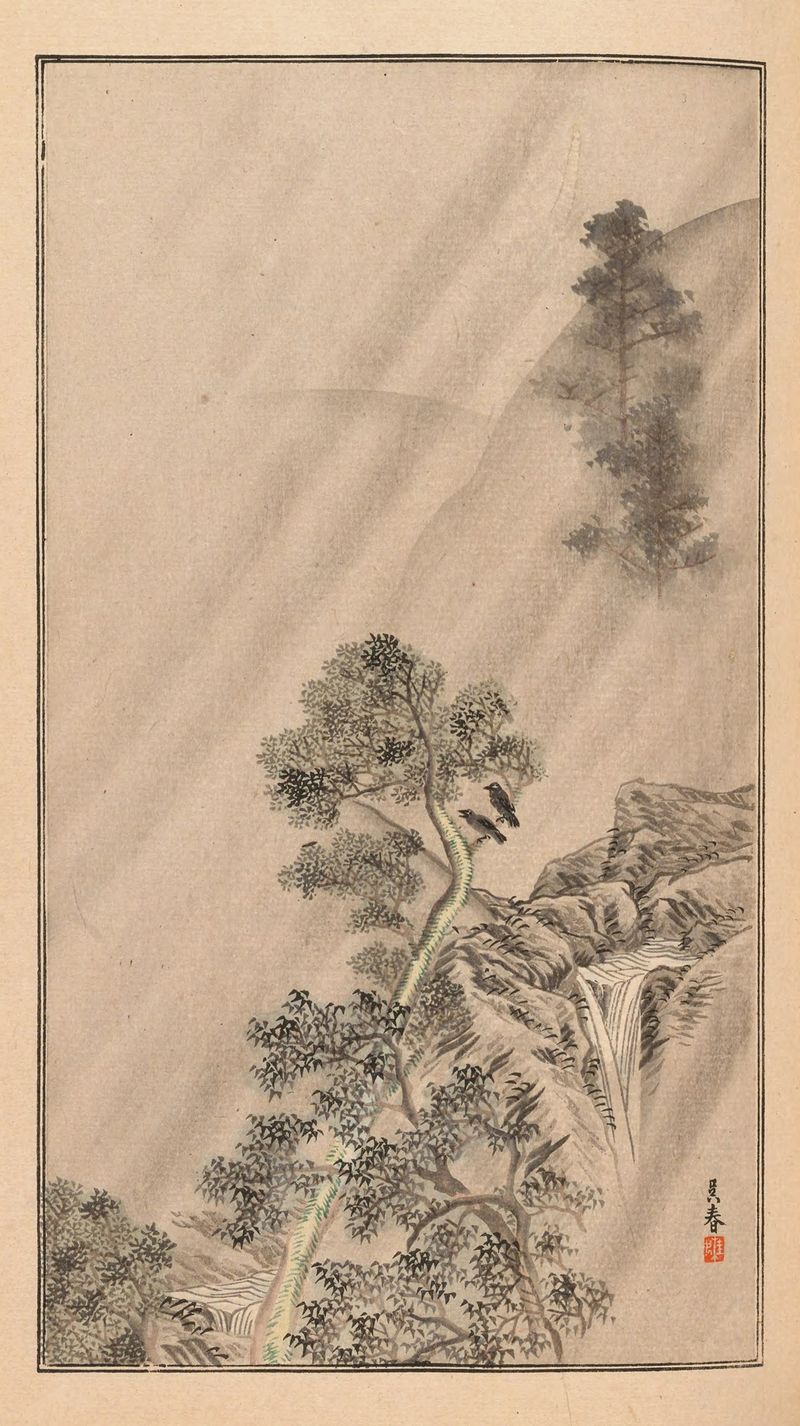
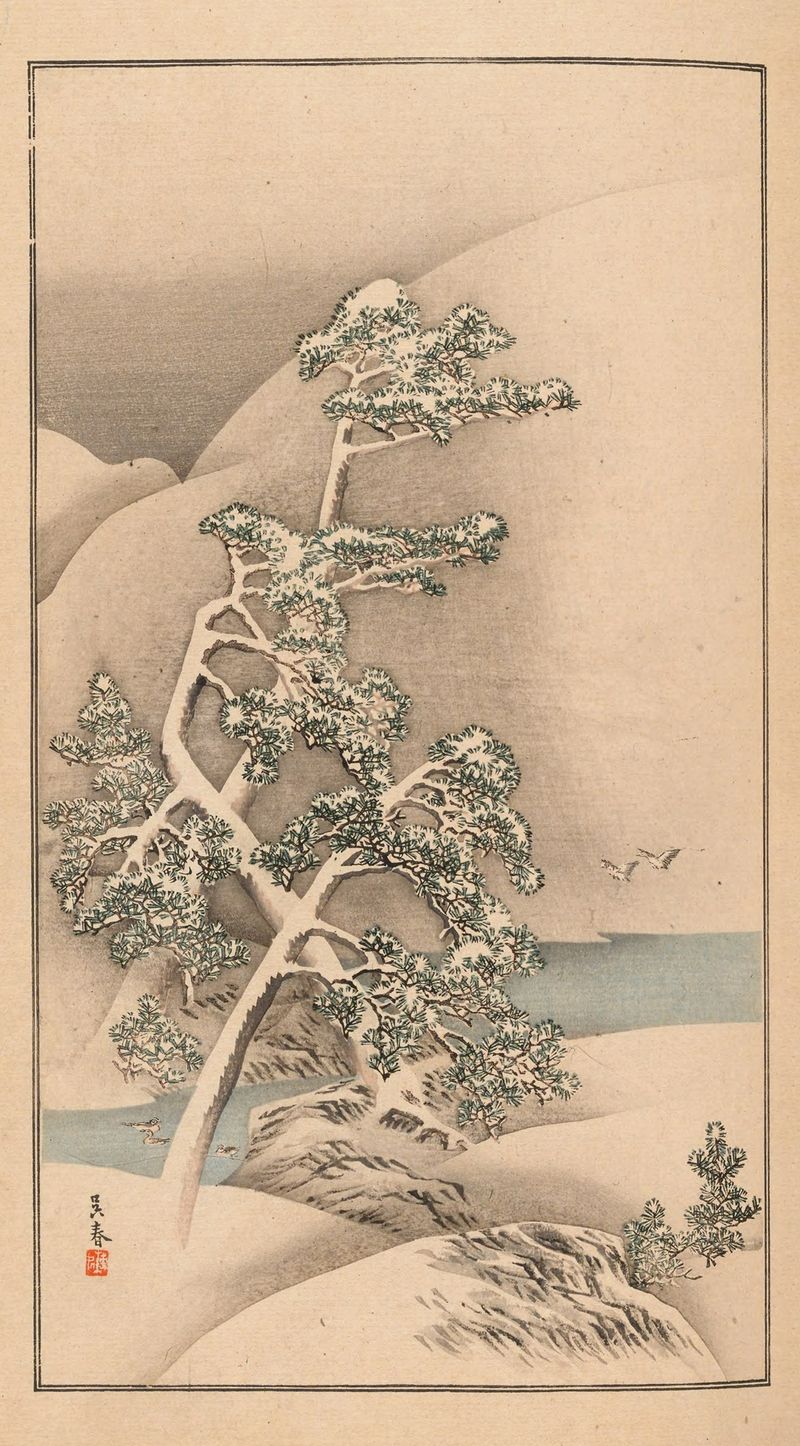
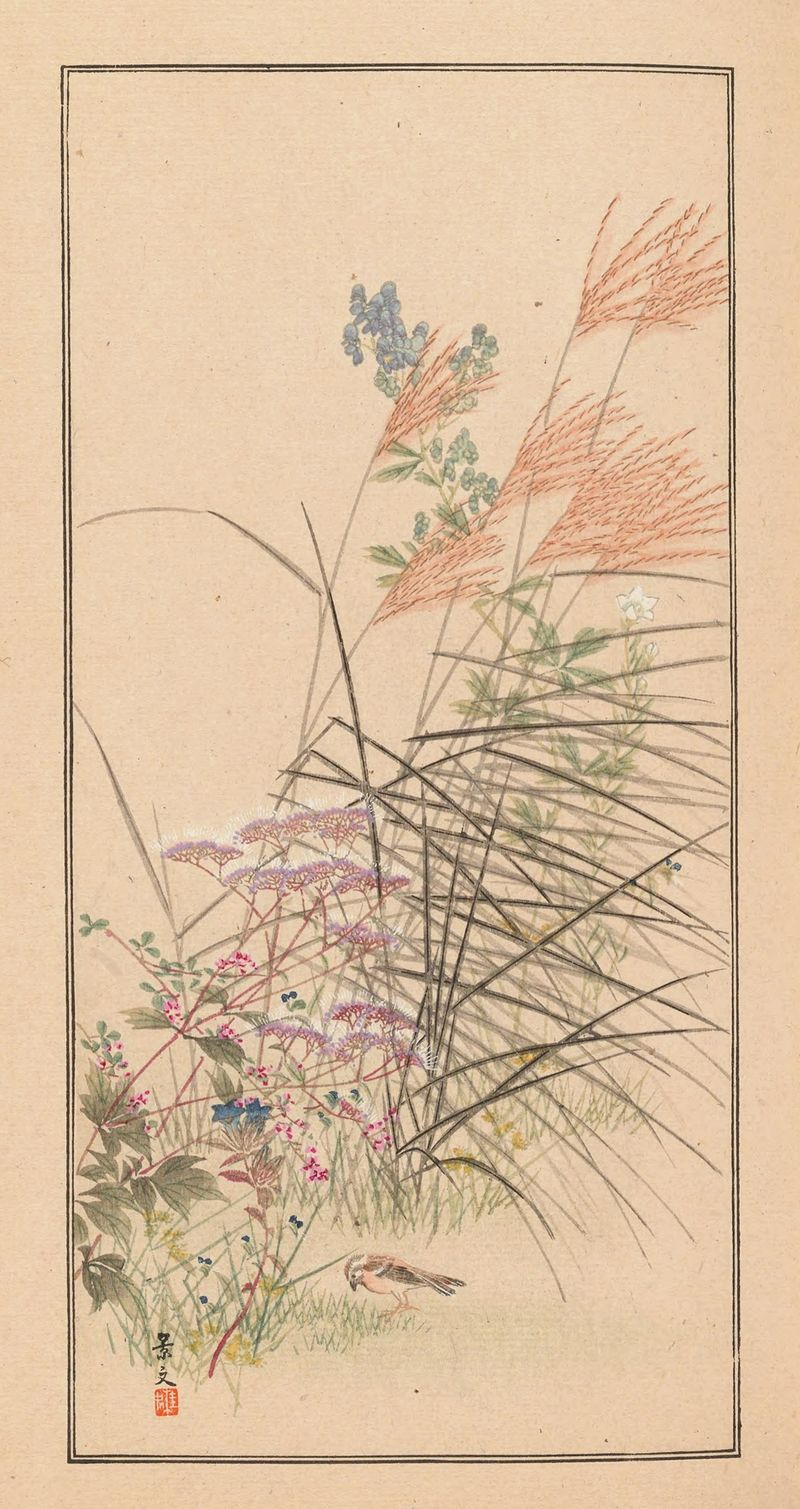
Could beauty survive in a century of chaos? In a world rife with turmoil, the quiet elegance captured in this work offers a fragile glimmer of hope and rebirth. Look closely at the delicate interplay of colors in the foreground, where soft pastels blend harmoniously, creating a tranquil oasis amid a tumultuous backdrop. Notice the intricate brushwork that forms ethereal shapes, invoking a sense of movement as if the viewer might step into this serene realm. The light radiates from an unseen source, caressing the surfaces and enhancing the depth of the composition, inviting the eye to wander through layers of detail and texture. The juxtaposition of vibrant blossoms against muted, almost melancholic elements reflects the tension between life and decay.
Each petal seems to pulse with vitality, a defiant statement against the encroaching shadows that threaten to engulf it. This dance of colors and forms encapsulates a moment of rebirth, suggesting that even in despair, beauty can emerge anew and flourish, challenging the stark realities of the time. Created in 1889, this piece emerged during a period of significant change in Japan, as the country transitioned from isolation to modernization. Sakujirō was deeply influenced by the artistic movements of the time, blending traditional techniques with a modern sensibility.
Amidst societal upheaval, he sought to explore themes of continuity and transformation, reflecting a collective yearning for renewal and hope that resonated through the turbulent landscape of the late 19th century.