Shūbi gakan, Pl.18 — History & Facts
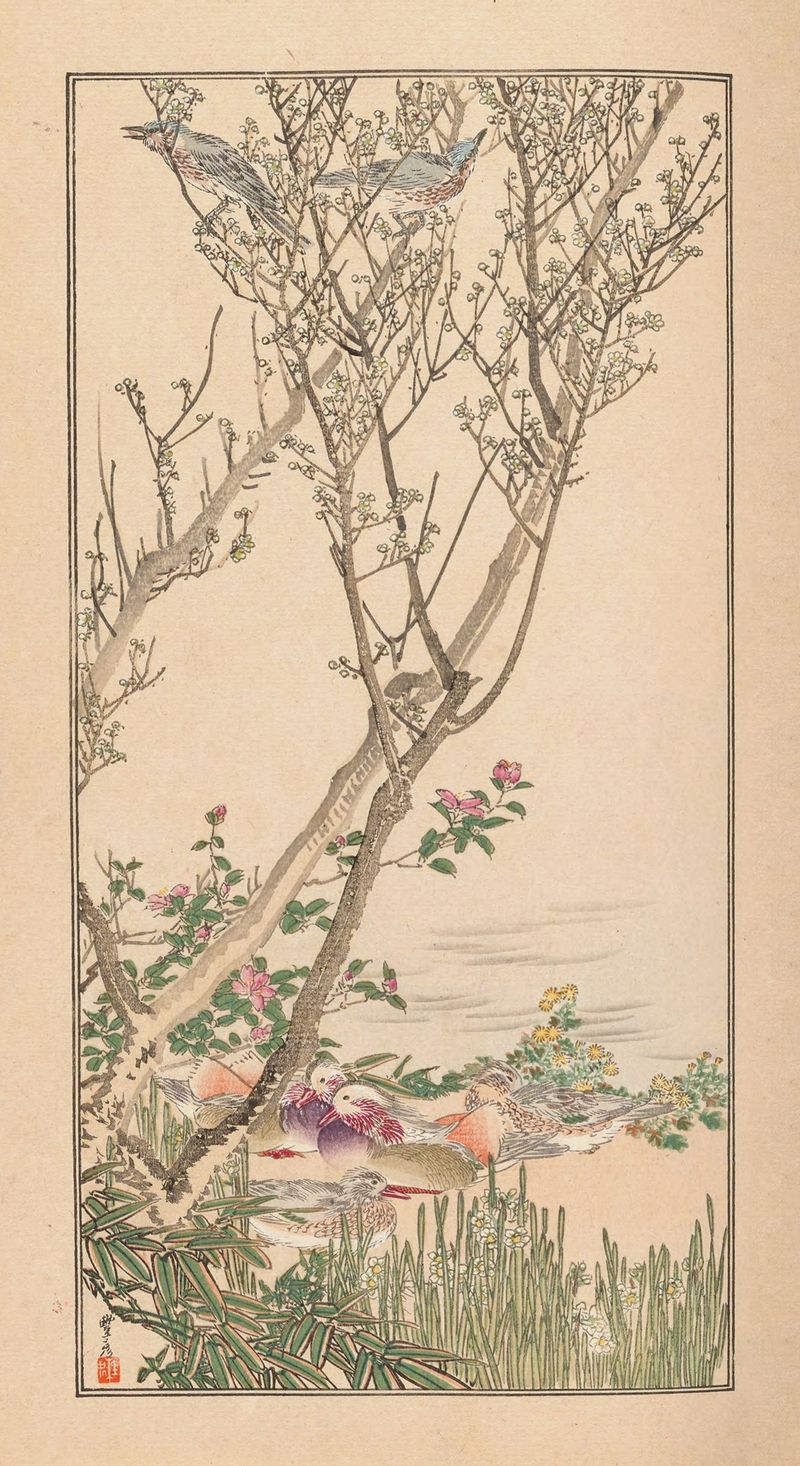
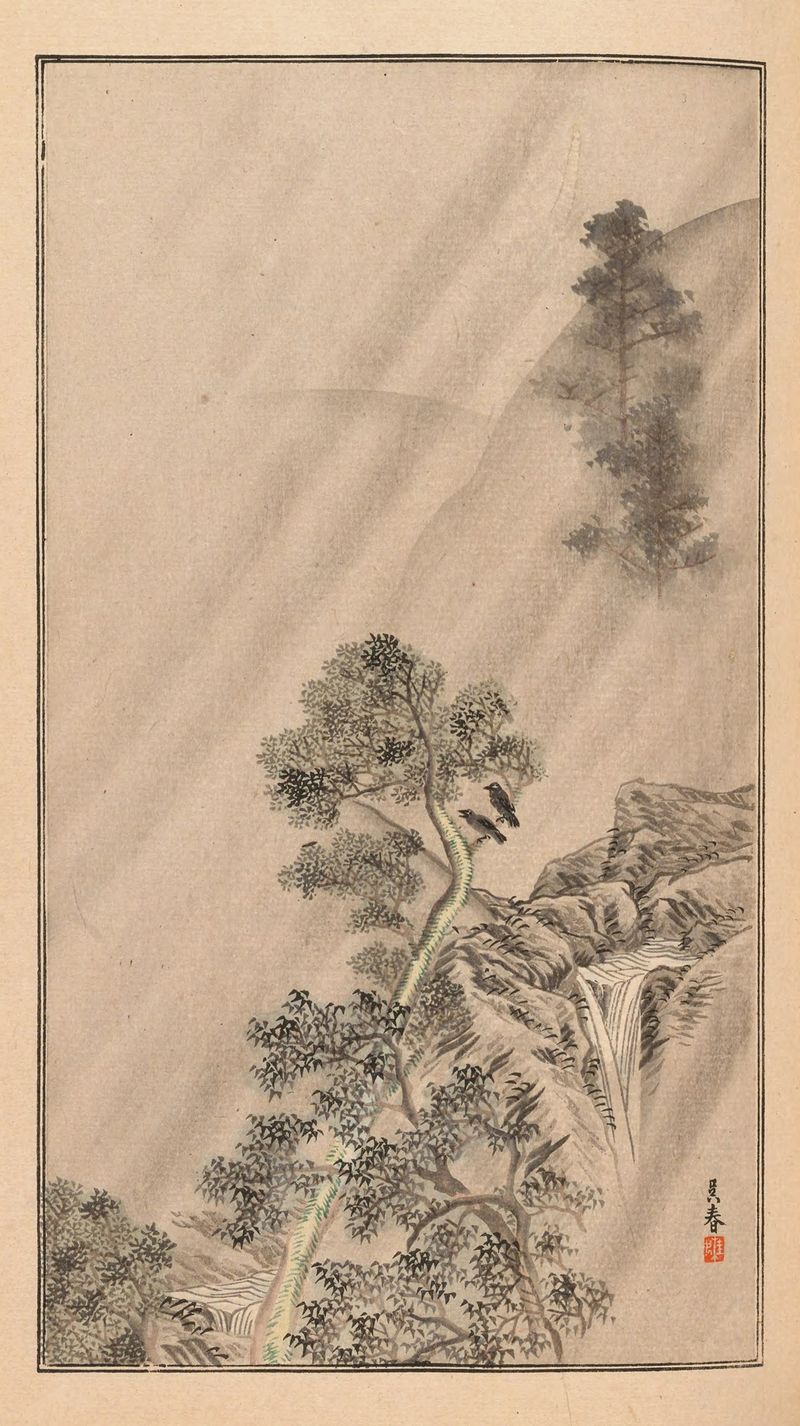
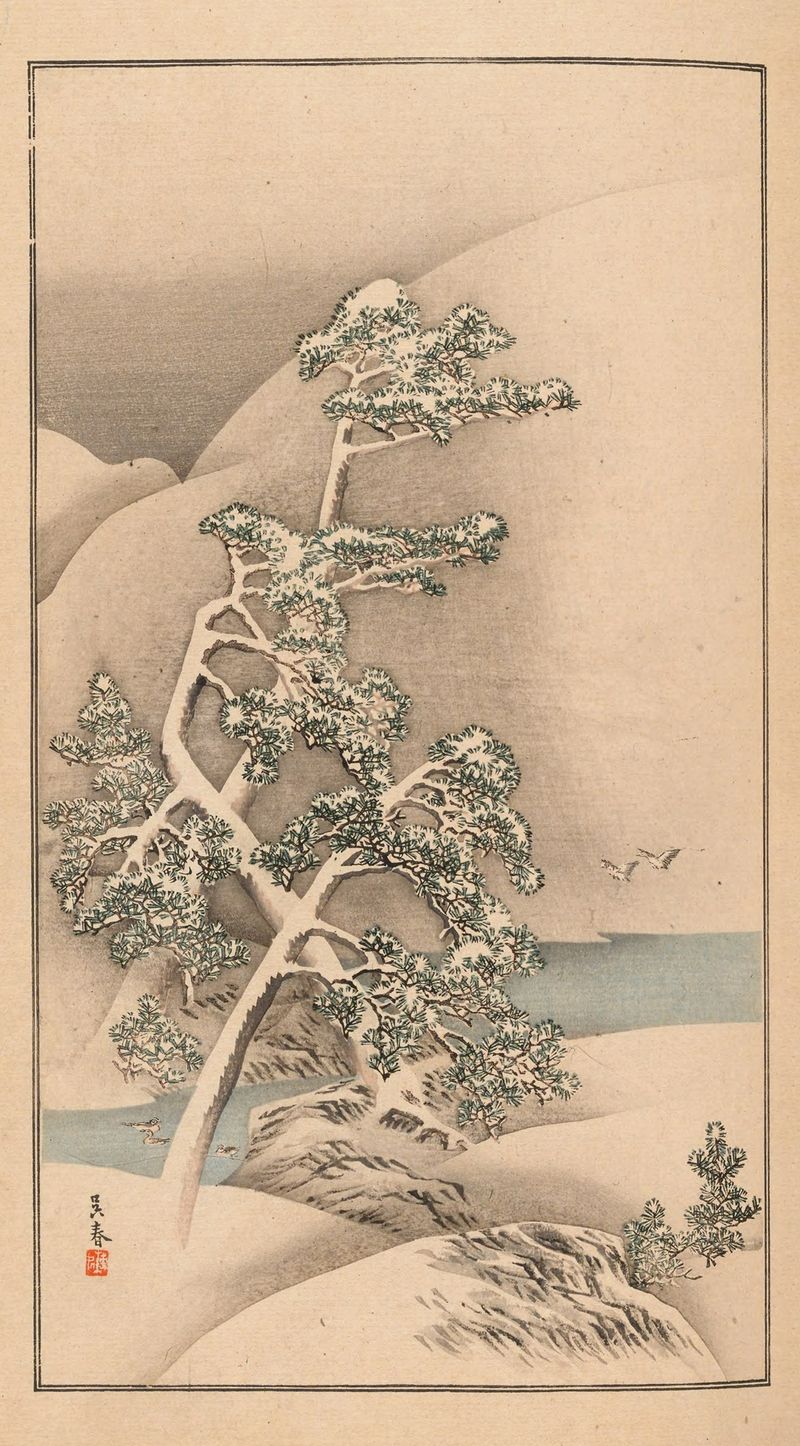
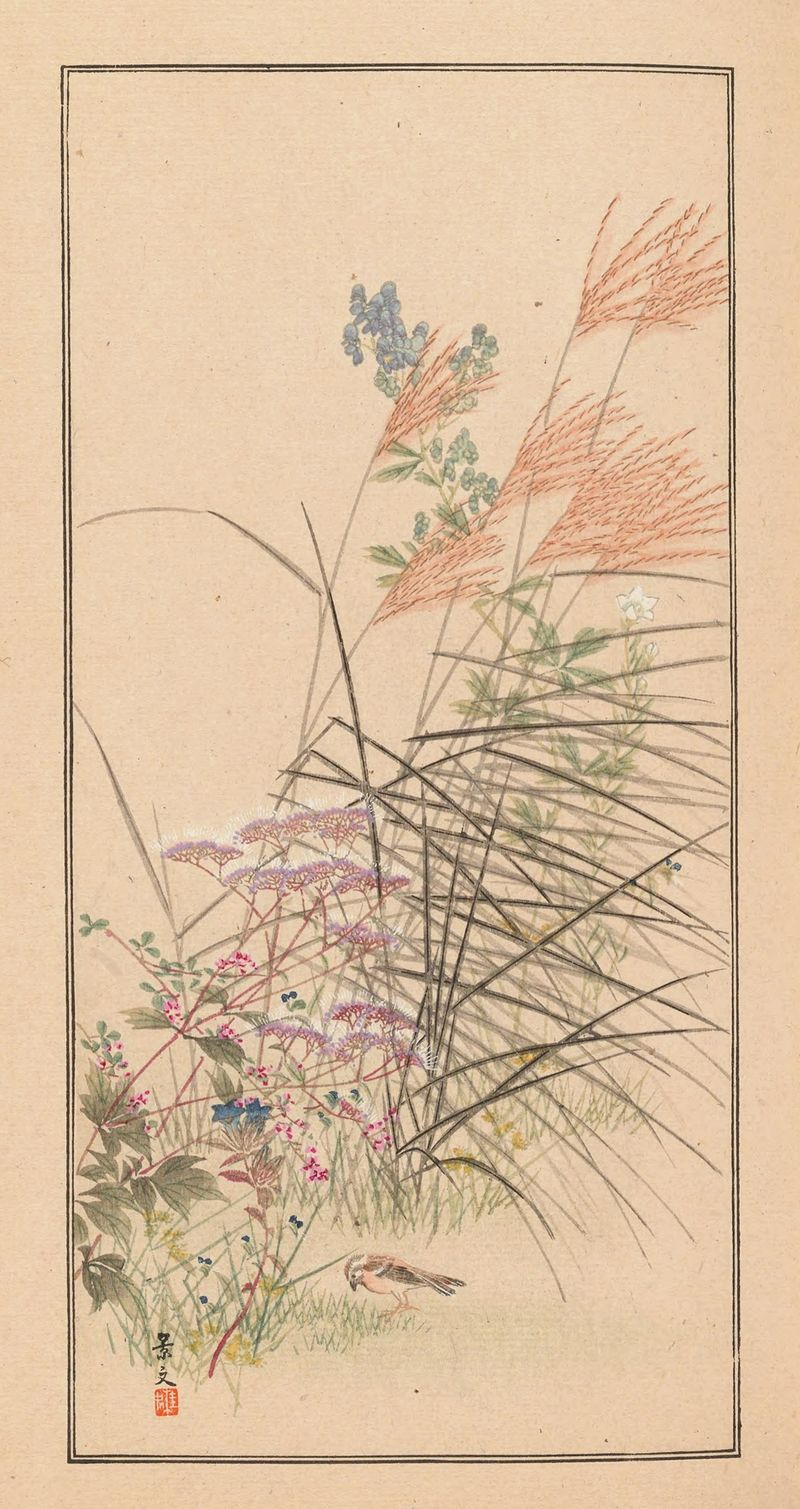
In the realm of dreams, where reality melds with the ethereal, one finds solace in the intricate worlds painted by the imagination. This is a testament to the power of perception and the quiet, unspoken narratives that linger in our subconscious. Look to the center of Shūbi gakan, Pl.18, where the soft interplay of color beckons the eye. The delicate brushstrokes create an atmosphere that seems suspended in time, inviting you to lose yourself within its layers.
Notice how the muted palette of greens and blues harmonizes with subtle hints of warmer tones, casting a dreamlike quality that envelops the viewer. The composition draws you in, inviting a journey through its serene landscape filled with suggestive forms and textures. Beyond its surface beauty lies a deeper exploration of solitude and introspection. Each element, from the nuanced shadows to the gentle curves of the landscape, speaks to the dreams we harbor within—a reflection of our innermost thoughts and desires.
The artwork masterfully contrasts light and dark, revealing the tension between hope and despair, as if each stroke carries the weight of whispered secrets and unfulfilled dreams. In 1889, Nanbara Sakujirō painted during a transformative era in Japan, when Western influences were reshaping traditional art forms. Based in Kyoto, he navigated the delicate balance between modernity and his cultural heritage, creating works that captured the essence of a nation in transition. This piece stands as a bridge between the past and the burgeoning present, echoing the complexities of an artist grappling with both personal and societal change.