
Siège des Maubeuge — History & Facts
In the ebb and flow of history, moments of movement can encapsulate the spirit of an entire era, a captured urgency on canvas. Focus first on the swirling brushstrokes that form the very fabric of the scene; they draw you toward the intense action at the forefront. Notice how the chaotic energy of the figures—their bodies twisting and leaning—creates a palpable tension that seems to vibrate off the canvas. The earth-toned palette reflects a somber reality, where dark hues contrast sharply against fleeting highlights, suggesting the interplay of light and shadow inherent in battle.
Each stroke feels like a dash of urgency, propelling us into the fray. As you examine the painting more closely, consider the significance of the figures that appear isolated amidst the turmoil. They embody the duality of courage and fear, reminding us of the human cost of conflict. The blurred lines evoke not only the chaos of war but also hint at the fleeting nature of life itself.
The composition creates a dynamic rhythm, accentuating the relentless movement of soldiers as they march into the unknown, each brushstroke echoing a heartbeat lost to history. In 1914, Siège des Maubeuge emerged from Auguste Louis Lepère's studio at a time when Europe stood on the precipice of World War I. The artist, deeply affected by the onset of war, sought to capture the emotions and realities of the moment. As the world of art grappled with changing perceptions of conflict, Lepère’s work offered a poignant reflection on human resilience, marking a significant point in a tumultuous period.
More Artworks by Auguste Louis Lepère
Browse all →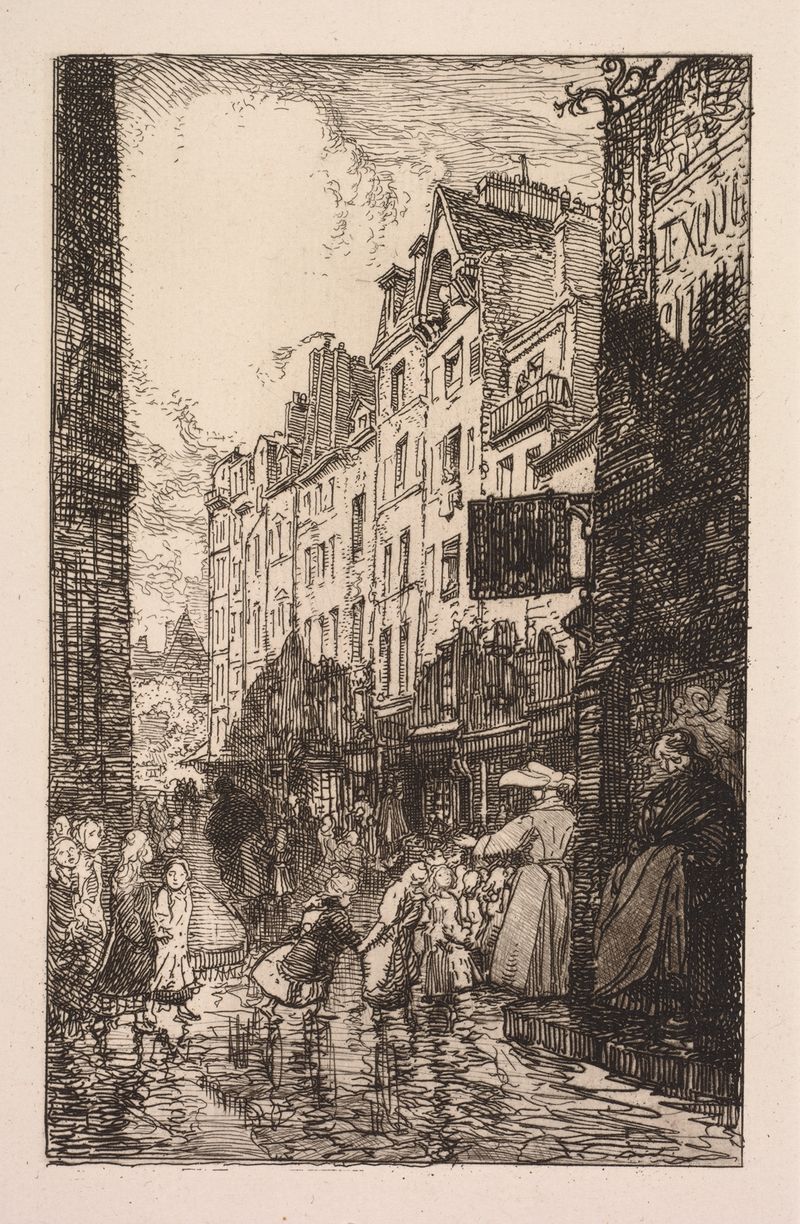
La Rue des Prêtres Saint-Séverin
Auguste Louis Lepère
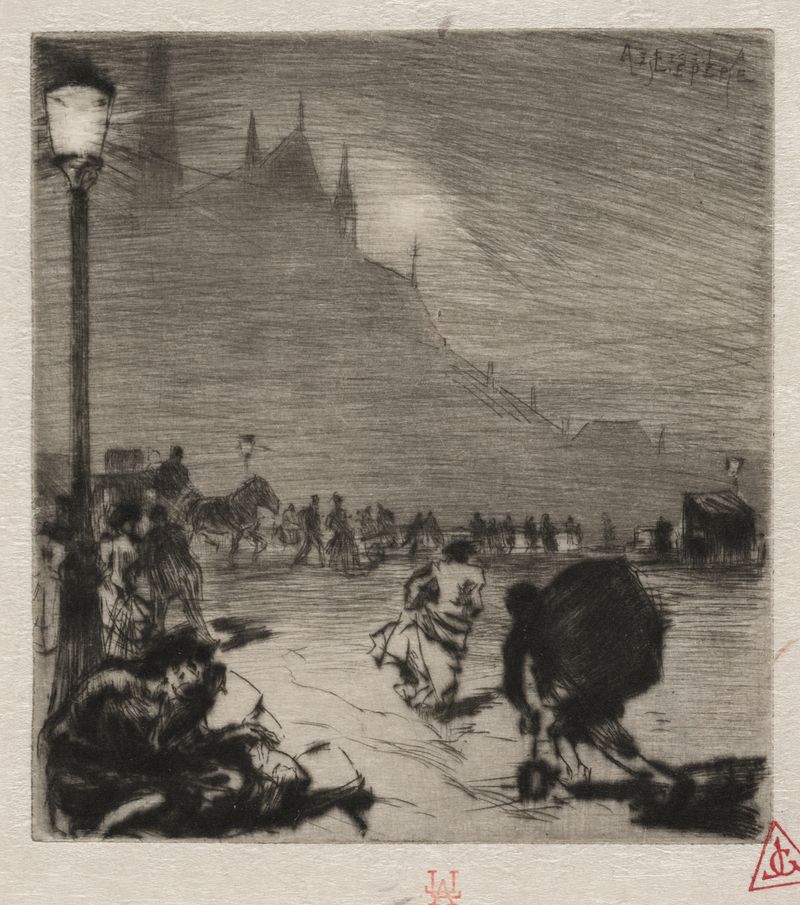
Au Coin du Pont-aux-Doubles
Auguste Louis Lepère
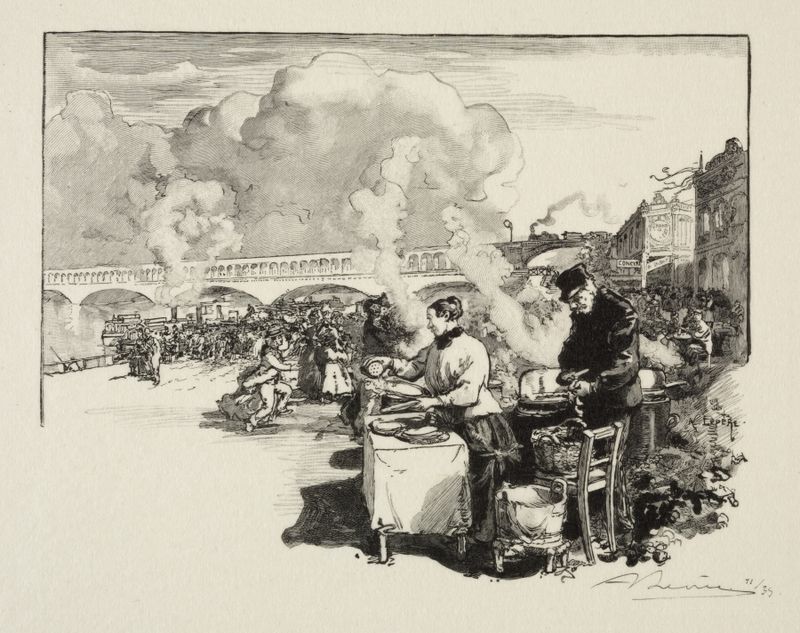
Debarcadère des bateaux-omnibus
Auguste Louis Lepère

La Seine, au quai de la Rapée
Auguste Louis Lepère
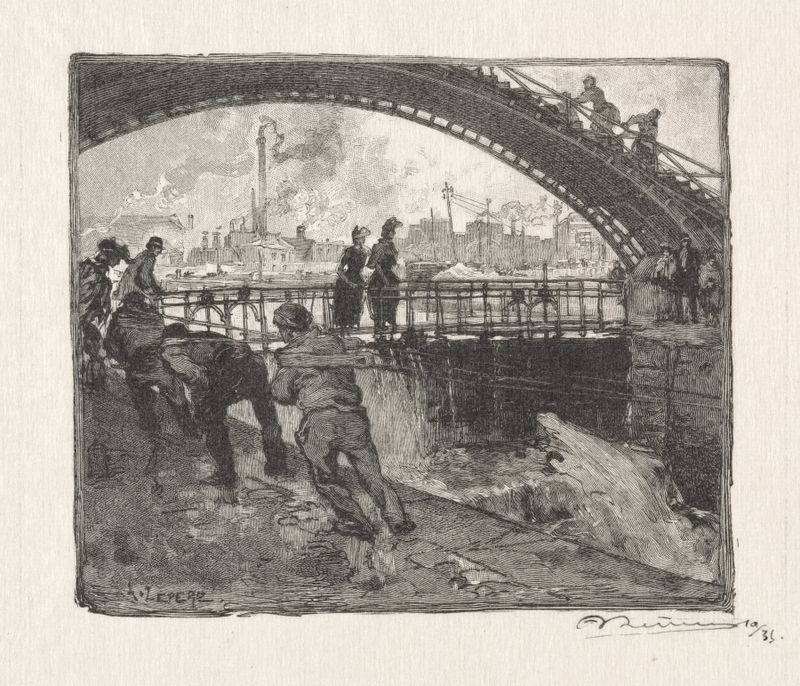
L’Ecluse du Canal St. Martin
Auguste Louis Lepère

Le Boulevard Montmartre, le Soir
Auguste Louis Lepère

Une Chasse au Mont Gérard
Auguste Louis Lepère
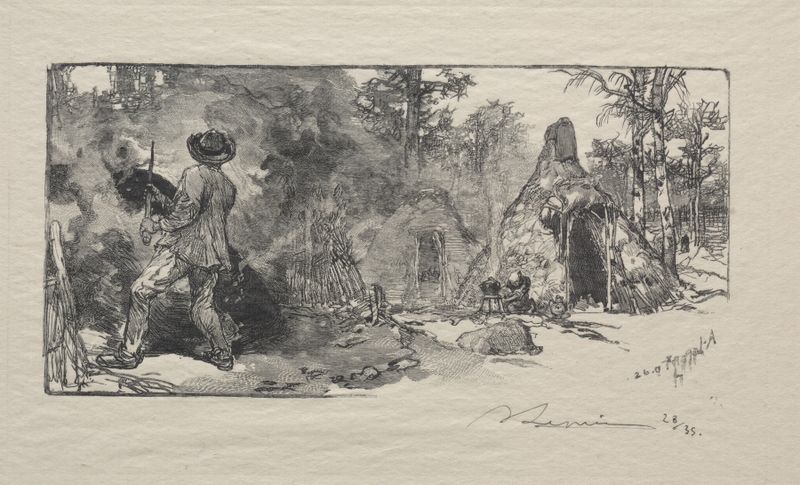
Les Charbonniere
Auguste Louis Lepère
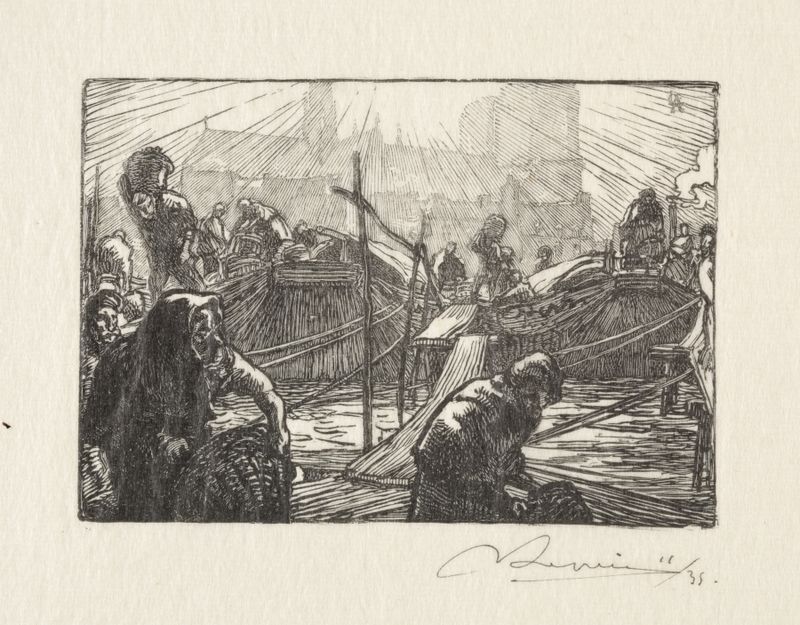
Notre Dame vue du Marché aux pommes
Auguste Louis Lepère

Le Palais des Arts Liberaux, Intèrieur
Auguste Louis Lepère
More Historical Art
Browse all →
The Night Watch Militia Company of District II under the Command of Captain Frans Banninck Cocq
Rembrandt van Rijn

Lincoln Memorial
Henry Bacon

The Third of May 1808
Francisco de Goya

Isaac and Rebecca, Known as ‘The Jewish Bride’
Rembrandt van Rijn

The Charge of the Mamelukes (1814)
Francisco de Goya

De vier ruiters van de apocalyps
Albrecht Dürer