
Sint Antoniesmarkt met de Waag — History & Facts
In Sint Antoniesmarkt met de Waag, the bustling life of a marketplace unfurls with divine orchestration, revealing the delicate balance between humanity and chaos. Look to the left of the canvas, where the imposing structure of the Waag stands tall against a backdrop of cottony clouds. Notice how the light cascades over the rooftops, casting intricate shadows that dance on the cobblestones below. The vibrant colors of the market stalls and the animated figures draw the viewer’s eye throughout the intertwined narratives of daily life.
You can almost hear the lively chatter of merchants and customers blending into the soft whispers of the wind. Yet, beneath the vibrant surface lies a tension between the sacred and the mundane. The contrast of bustling activity and the dignified architecture invites contemplation on the divinity woven into everyday existence. Small details—a heavenly blue sky gracing the scene, the serene expressions of some figures amidst the chaos—whisper of a higher order underlying the human experience, suggesting that even in the ordinary, there exists an extraordinary grace. Reinier Nooms painted this scene between 1657 and 1670, a period marked by the transformation of Amsterdam into a bustling trade hub.
As the city flourished, so did the art scene, reflecting the complexities of urban life. Nooms' attention to both the allure and the vitality of the marketplace captures a pivotal moment in art and society, where the divine found its expression amidst the daily pursuits of the people.
More Artworks by Reinier Nooms
Browse all →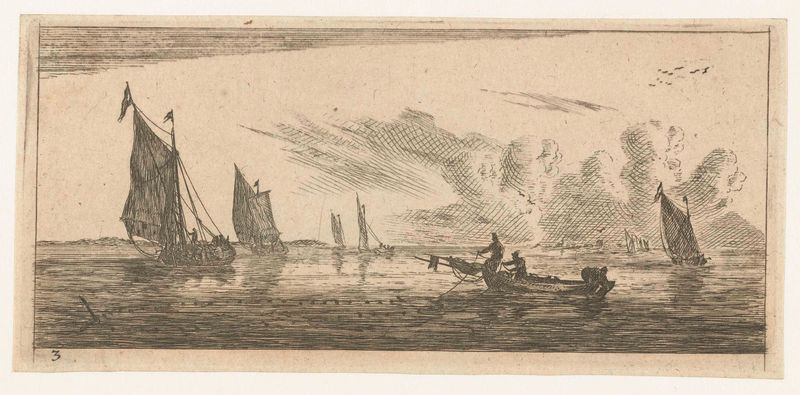
Zeegezicht met verschillende zeilschepen
Reinier Nooms
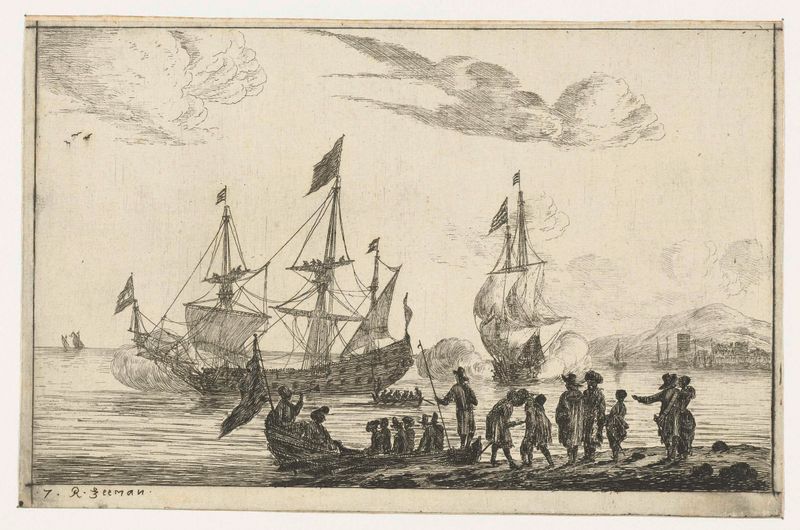
Havenscène met een spiegelsloep
Reinier Nooms
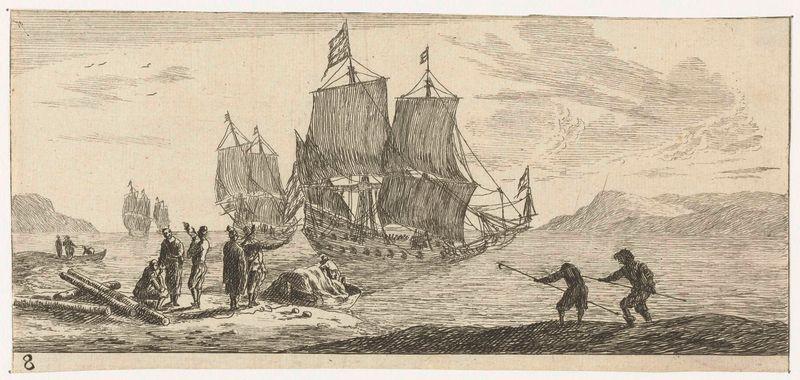
Vier grote zeilschepen in een baai
Reinier Nooms
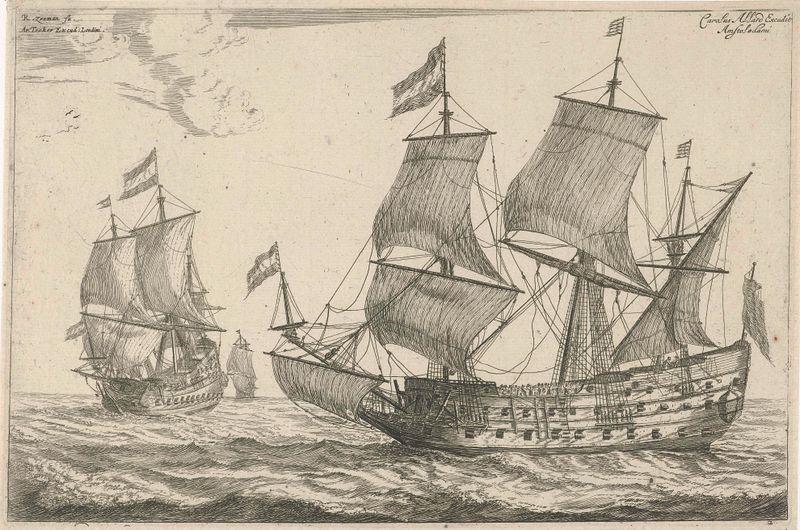
Twee grote oorlogsschepen
Reinier Nooms
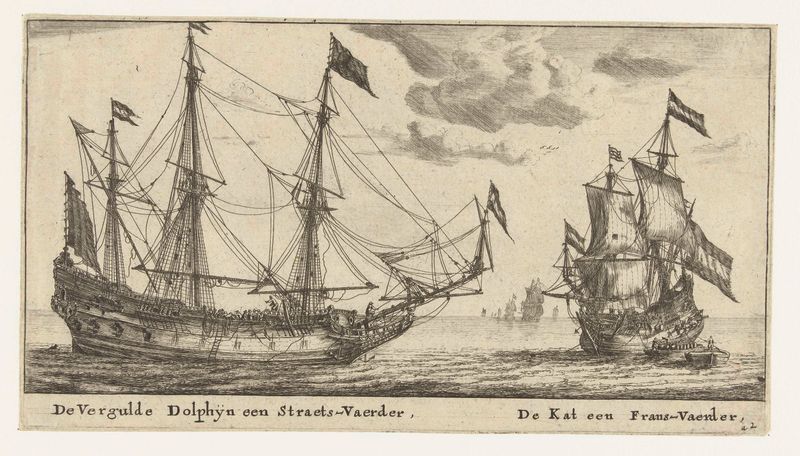
De schepen De Vergulde Dolfijn en De Kat
Reinier Nooms
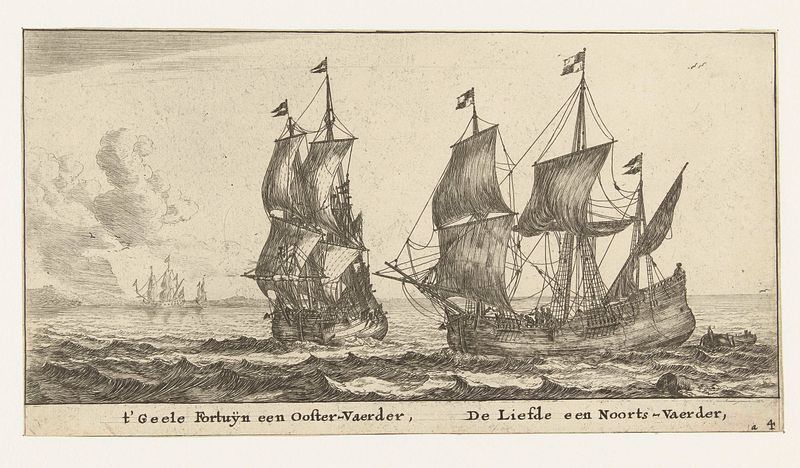
De schepen 't Gele Fortuin en De Liefde
Reinier Nooms
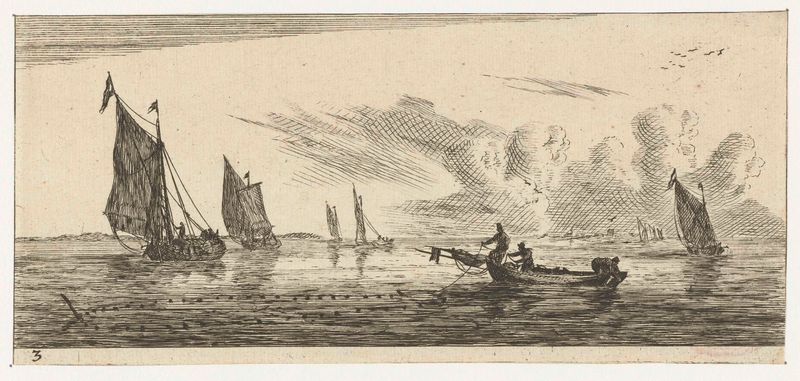
Zeegezicht met verschillende zeilschepen
Reinier Nooms
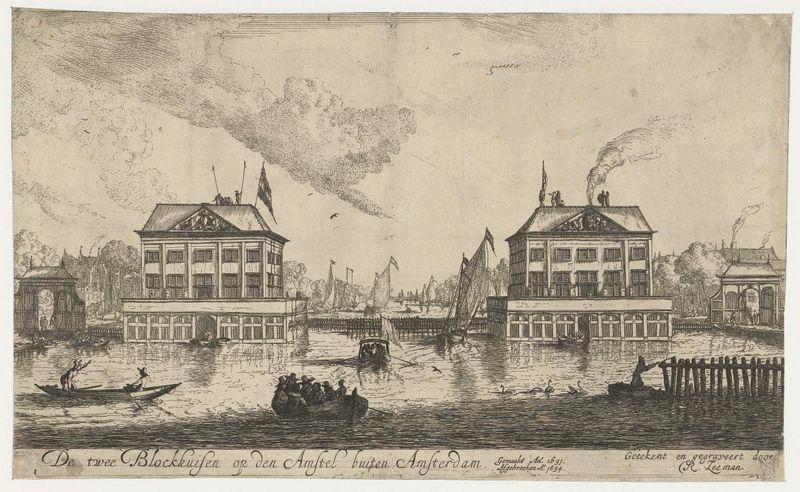
Gezicht op de twee Blokhuizen in de Amstel
Reinier Nooms
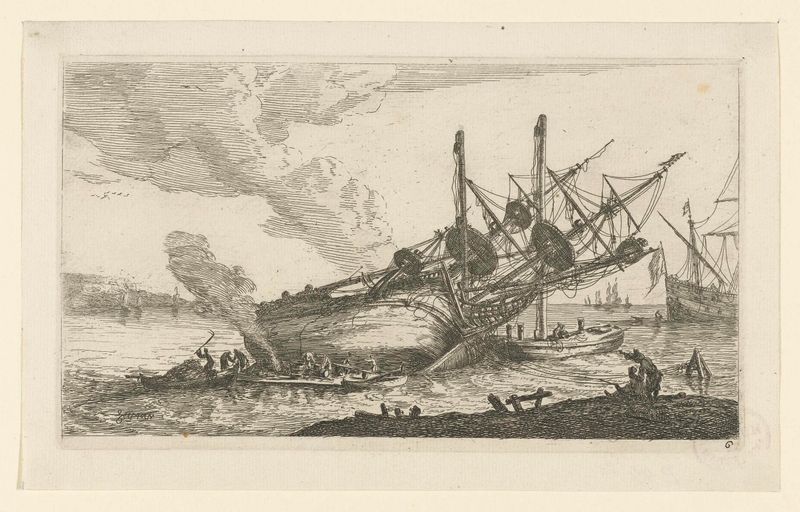
Reparaties aan de romp van een schip
Reinier Nooms
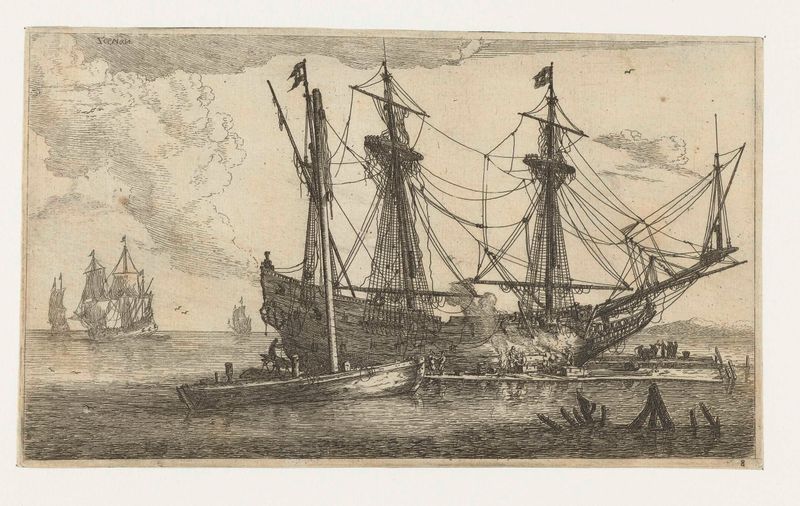
Reparaties aan de romp van een schip
Reinier Nooms





