
Sint Antoniesmarkt met de Waag — History & Facts
Who listens when art speaks of silence? In a world bustling with life, the stillness captured here invites reflection on time, memory, and transition. Focus on the center of the composition, where the Waag stands as a sentinel, its sturdy architecture grounding the scene. The market, alive with figures, radiates outwards, drawing your gaze to the vibrant activity unfolding. Notice how the muted earth tones of the buildings contrast with the lively colors of the merchants’ wares, creating a tapestry of life that murmurs beneath the surface. Amidst the chaos of market day, small details reveal deeper meanings.
A solitary figure leans against a wall, seemingly detached from the surrounding energy, embodying introspection in a cacophony of sound. The play of shadow and light across the cobblestones hints at the passage of time, while the architectural lines of the Waag evoke permanence against the ephemeral nature of market transactions. This tension between the timeless and the transient reflects the delicate balance of existence. Painted between 1657 and 1690, this work emerged during a period of profound change in the Netherlands.
Reinier Nooms, a notable figure in Dutch art, found inspiration in the bustling life of Amsterdam during its Golden Age, where trade flourished and communities thrived. His portrayal of the Sint Antoniesmarkt reveals not just a scene, but a vivid snapshot of societal dynamics, capturing the essence of an era teetering on the brink of modernity.
More Artworks by Reinier Nooms
Browse all →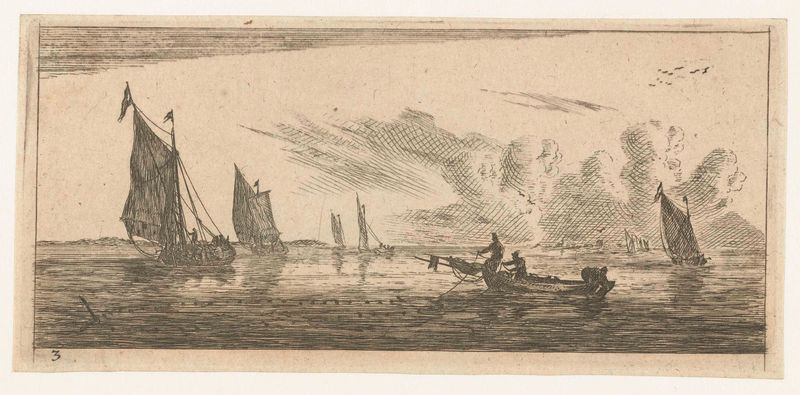
Zeegezicht met verschillende zeilschepen
Reinier Nooms
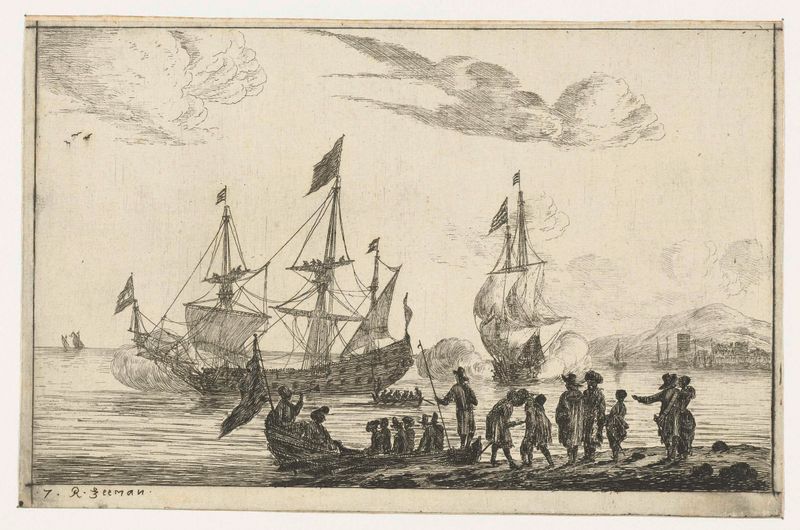
Havenscène met een spiegelsloep
Reinier Nooms
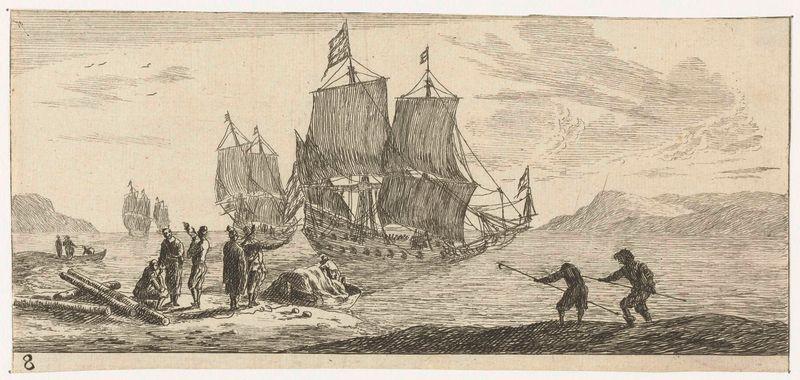
Vier grote zeilschepen in een baai
Reinier Nooms
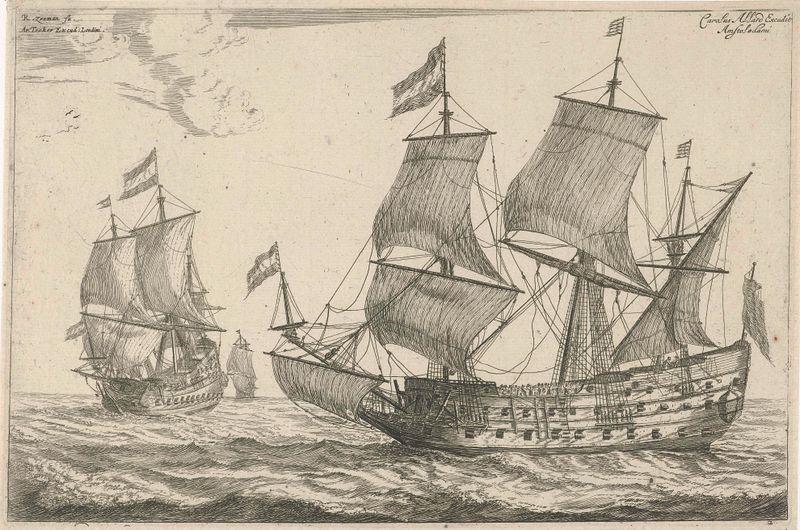
Twee grote oorlogsschepen
Reinier Nooms
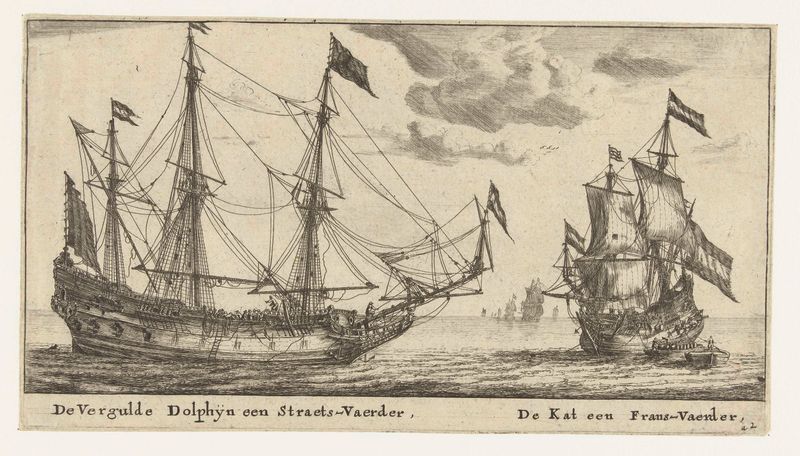
De schepen De Vergulde Dolfijn en De Kat
Reinier Nooms
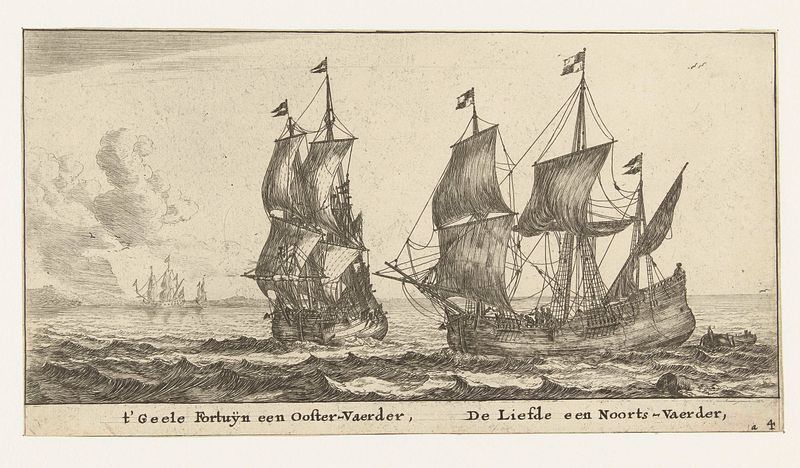
De schepen 't Gele Fortuin en De Liefde
Reinier Nooms
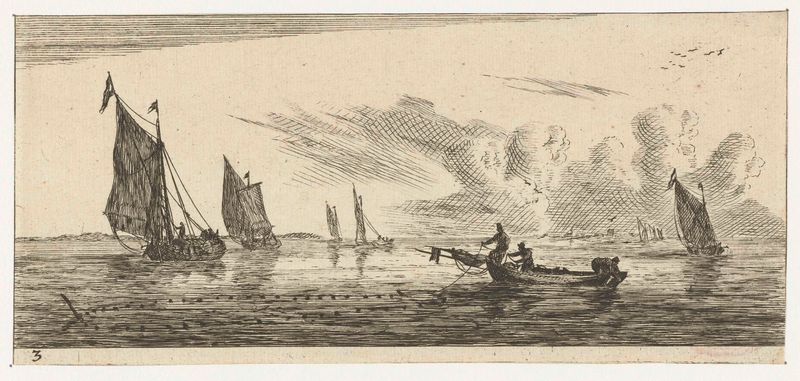
Zeegezicht met verschillende zeilschepen
Reinier Nooms
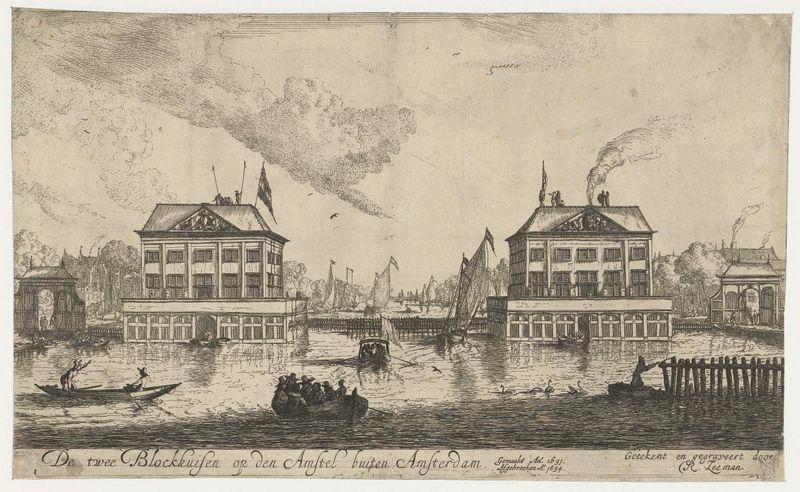
Gezicht op de twee Blokhuizen in de Amstel
Reinier Nooms
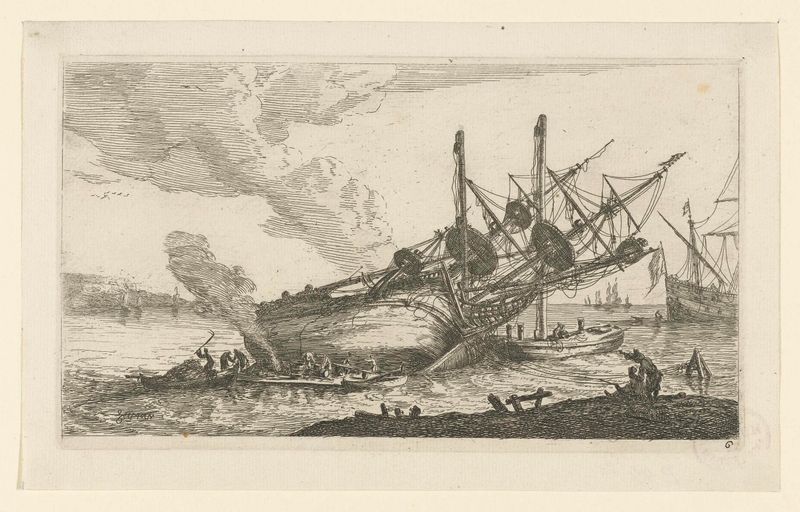
Reparaties aan de romp van een schip
Reinier Nooms
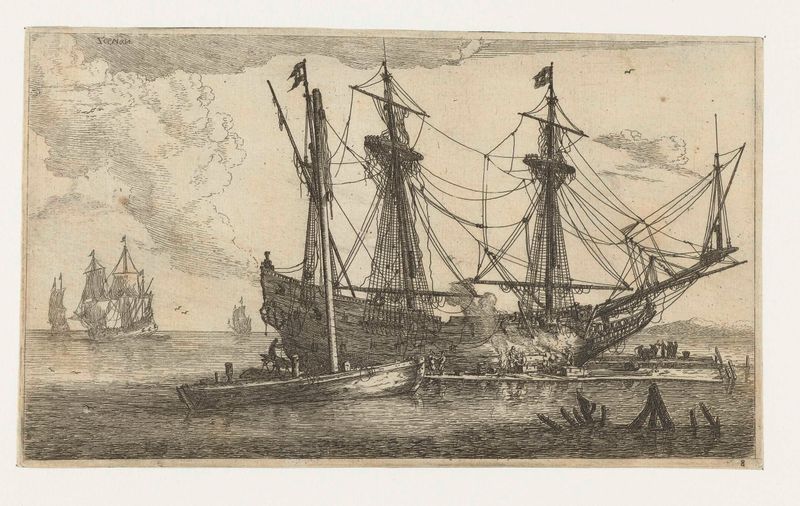
Reparaties aan de romp van een schip
Reinier Nooms





