
Sisak van Egypte rooft schatten uit de tempel — History & Facts
In the stillness of a moment captured, lingering shadows speak of lost stories and unfulfilled destinies. Look to the left at the intricate details of the temple's architecture, where the light plays coyly across the stone surfaces, illuminating textures that evoke a sense of age and mystery. The figures, almost ghostly in their presence, seem to merge with the shadows, their expressions a blend of sorrow and contemplation. Warm earth tones are juxtaposed with deeper hues, crafting a visual dialogue that invites the viewer to ponder the weight of history and the passage of time. The melancholy of the scene is palpable; the figures, with their hesitant gestures, hint at a past filled with longing and reflection.
One hand rests lightly on the stone, while the other appears to reach for something just out of grasp, embodying the tension between hope and despair. The shadows cast by the temple not only symbolize the looming presence of history but also evoke feelings of solitude that resonate deeply within the viewer, causing a profound emotional stir. In 1538, while working on this piece, Holbein was immersed in the vibrant cultural tapestry of the Renaissance in Basel, Switzerland. The period was marked by a blend of humanistic inquiry and meticulous craftsmanship, as artists sought to portray the depth of the human experience.
This work stands as a testament to Holbein’s ability to weave narrative and emotion through his brush—the canvas revealing not just a scene but a reflection of the era's complexities and the artist's own contemplative spirit.
More Artworks by Hans Holbein (II)
Browse all →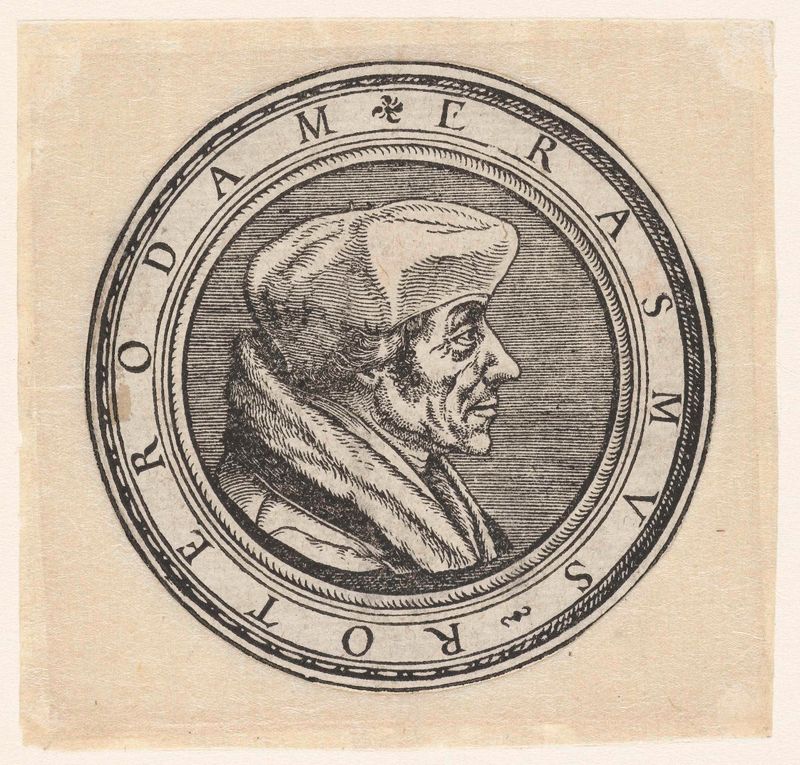
Portret van Erasmus
Hans Holbein (II)
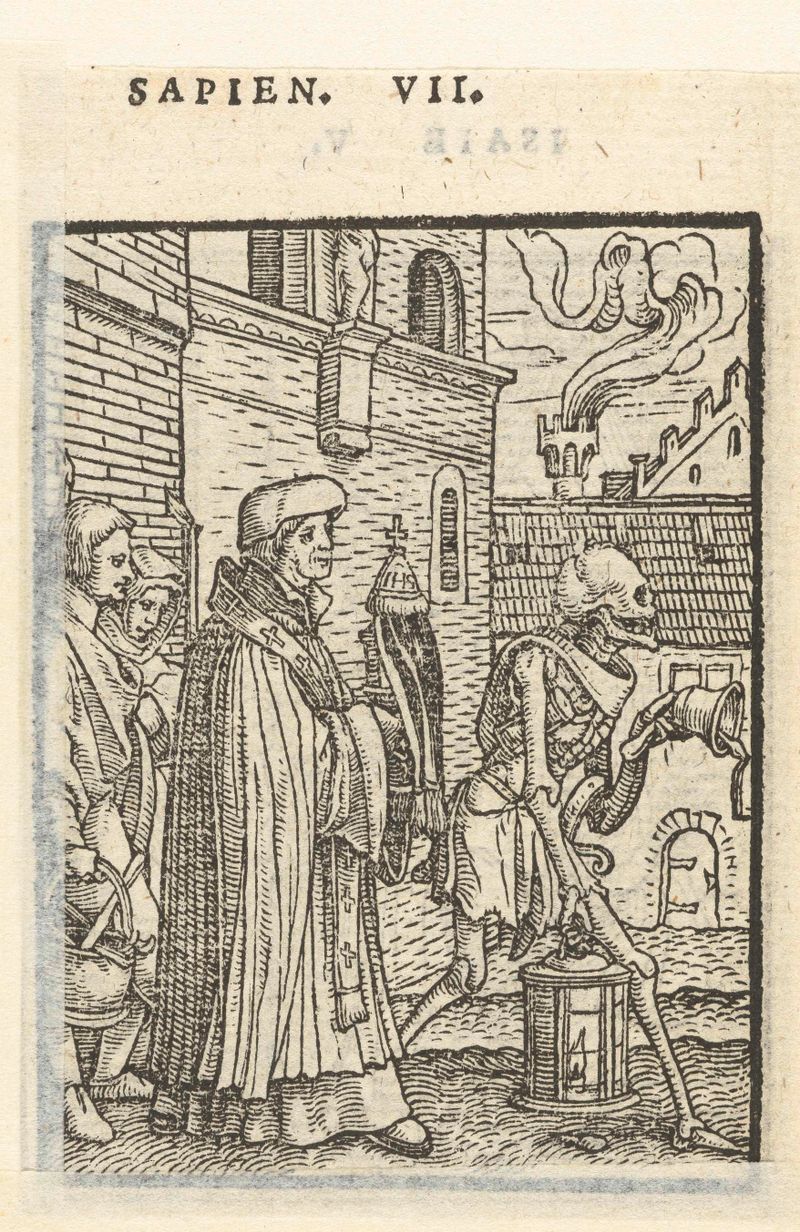
Priester en de Dood
Hans Holbein (II)
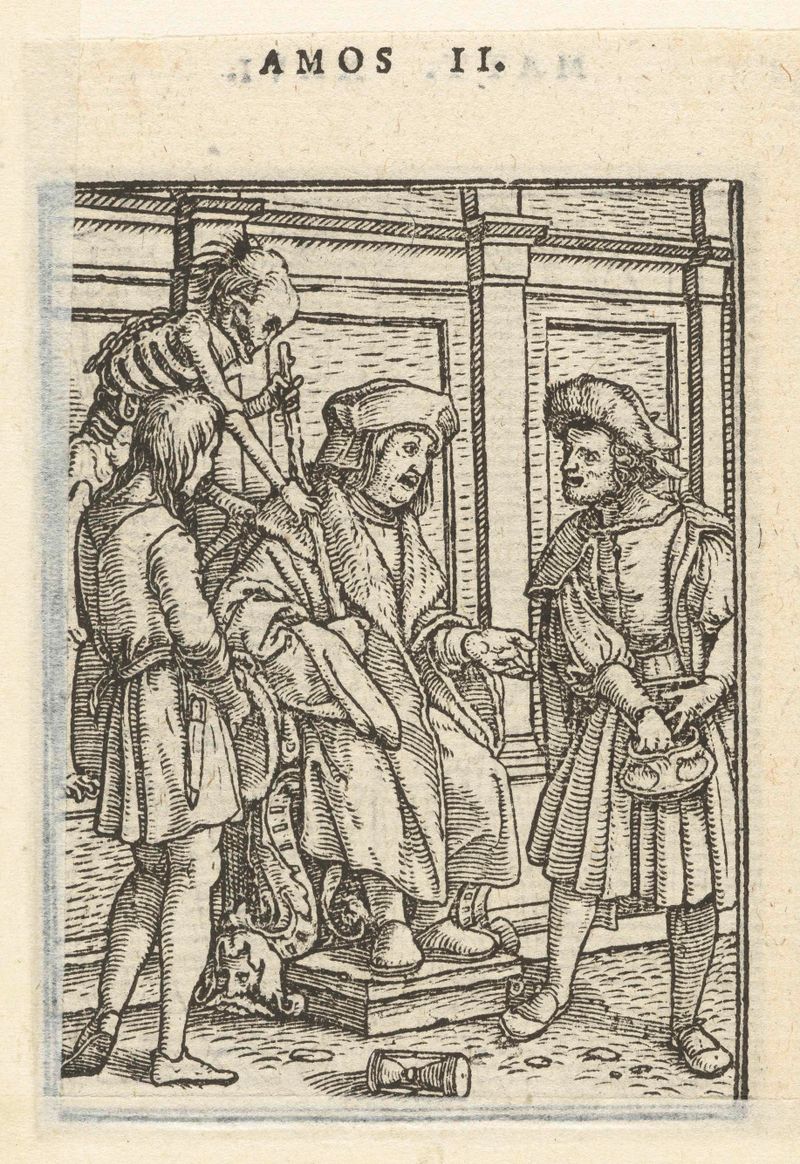
Rechter en de Dood
Hans Holbein (II)
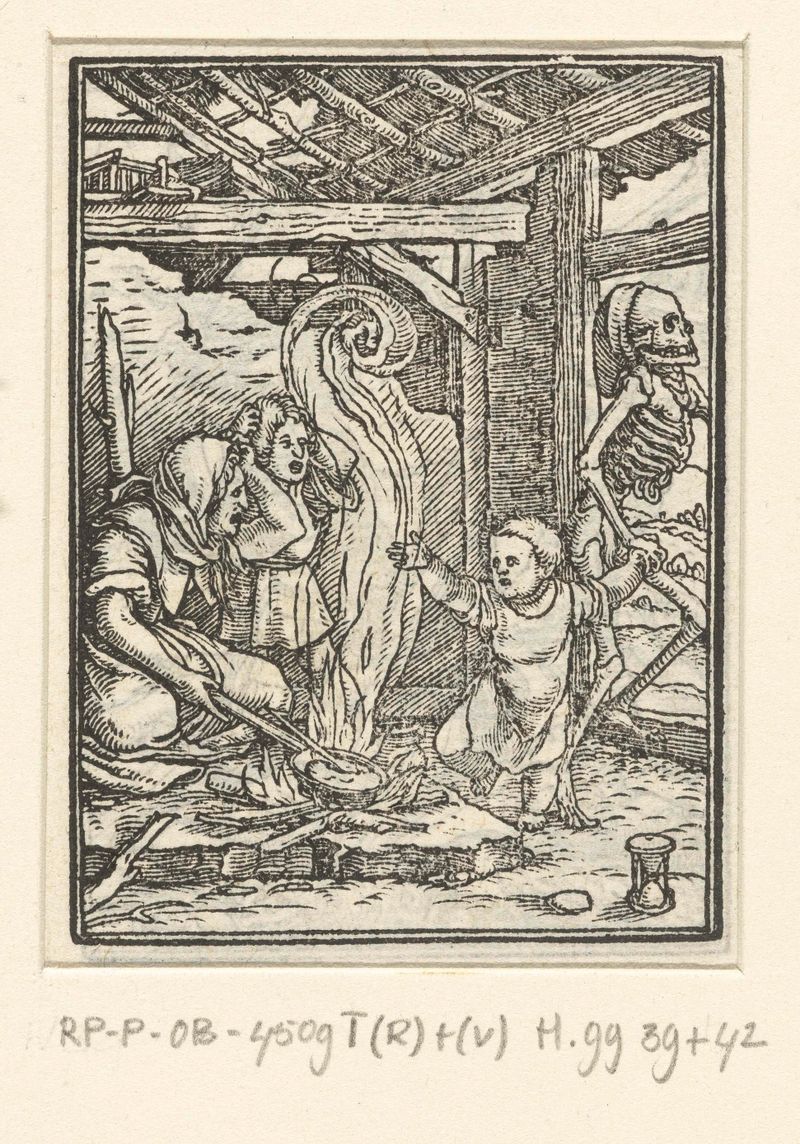
Kind en de Dood
Hans Holbein (II)
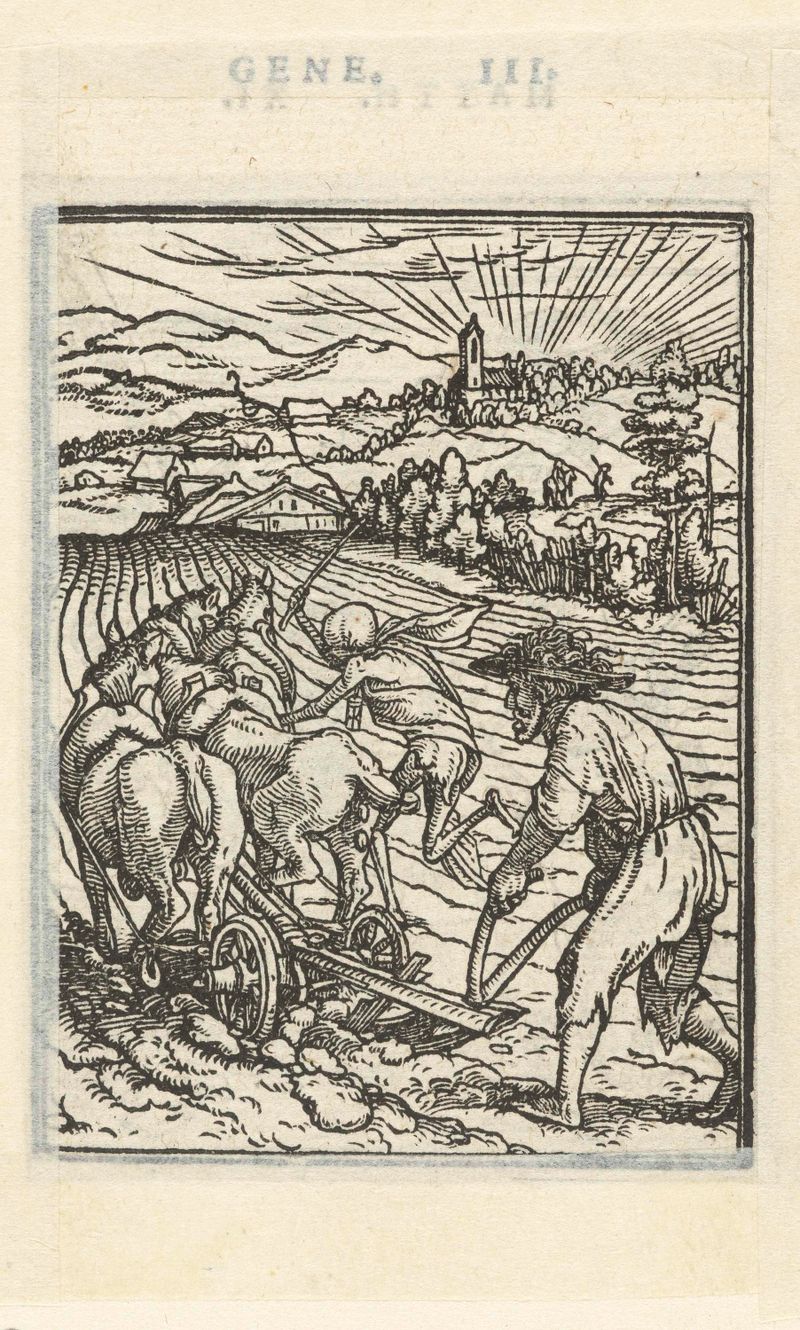
Boer en de Dood
Hans Holbein (II)
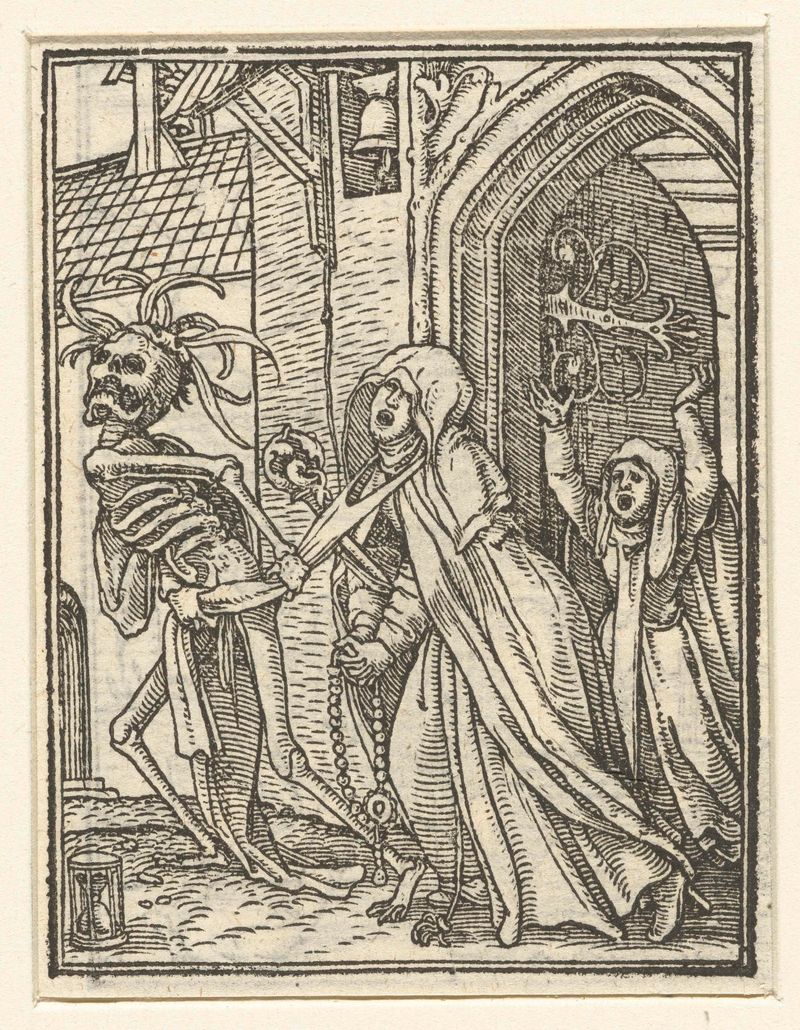
Abdis en de Dood
Hans Holbein (II)
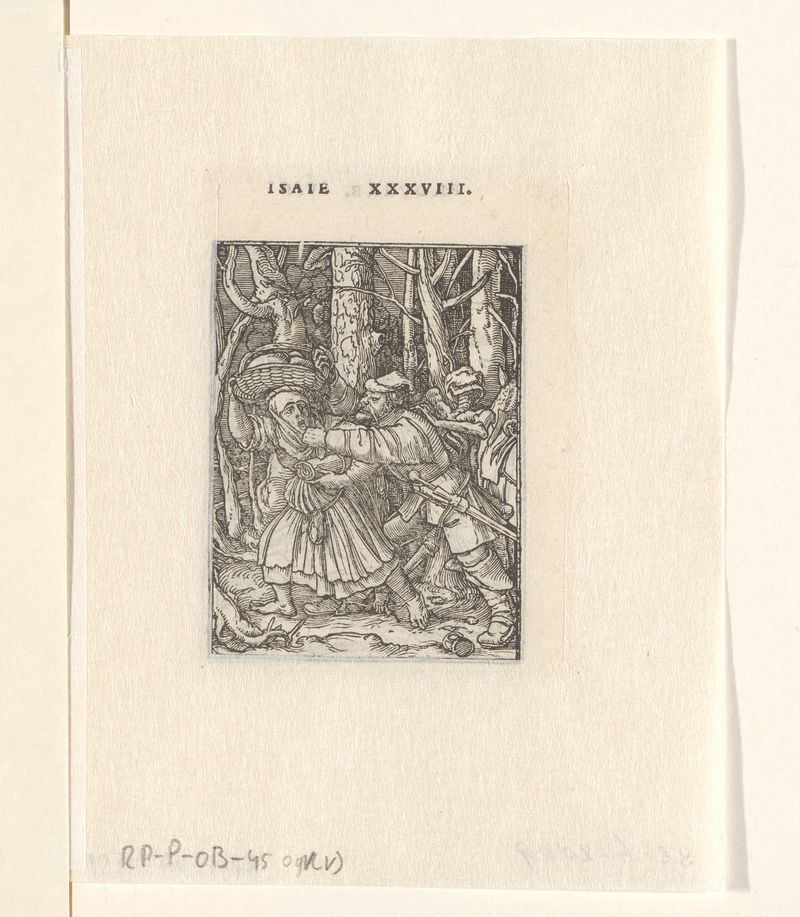
Dief en de Dood
Hans Holbein (II)
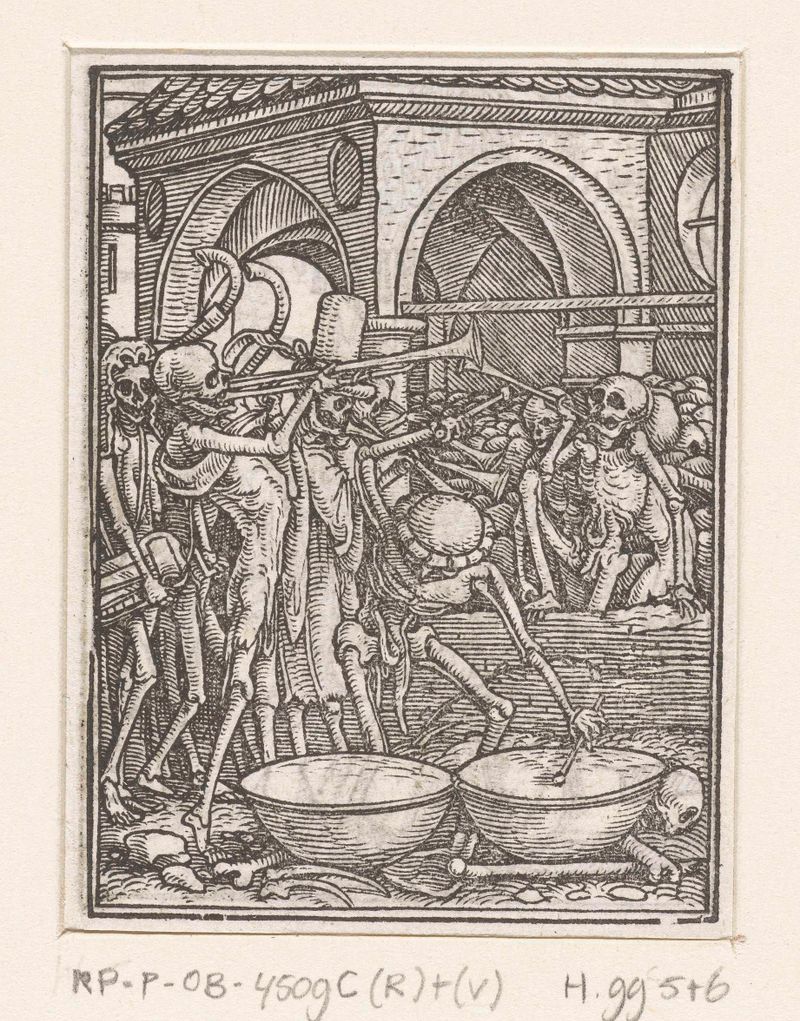
Skeletons Making Music from Dance of the Dead
Hans Holbein (II)
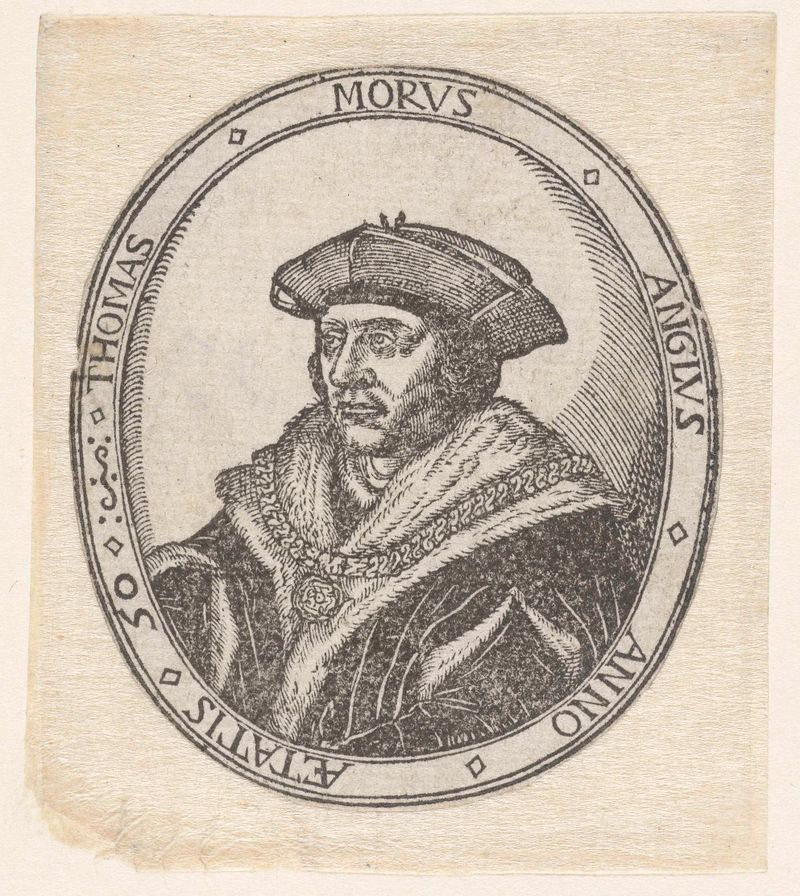
Portret van Thomas More
Hans Holbein (II)
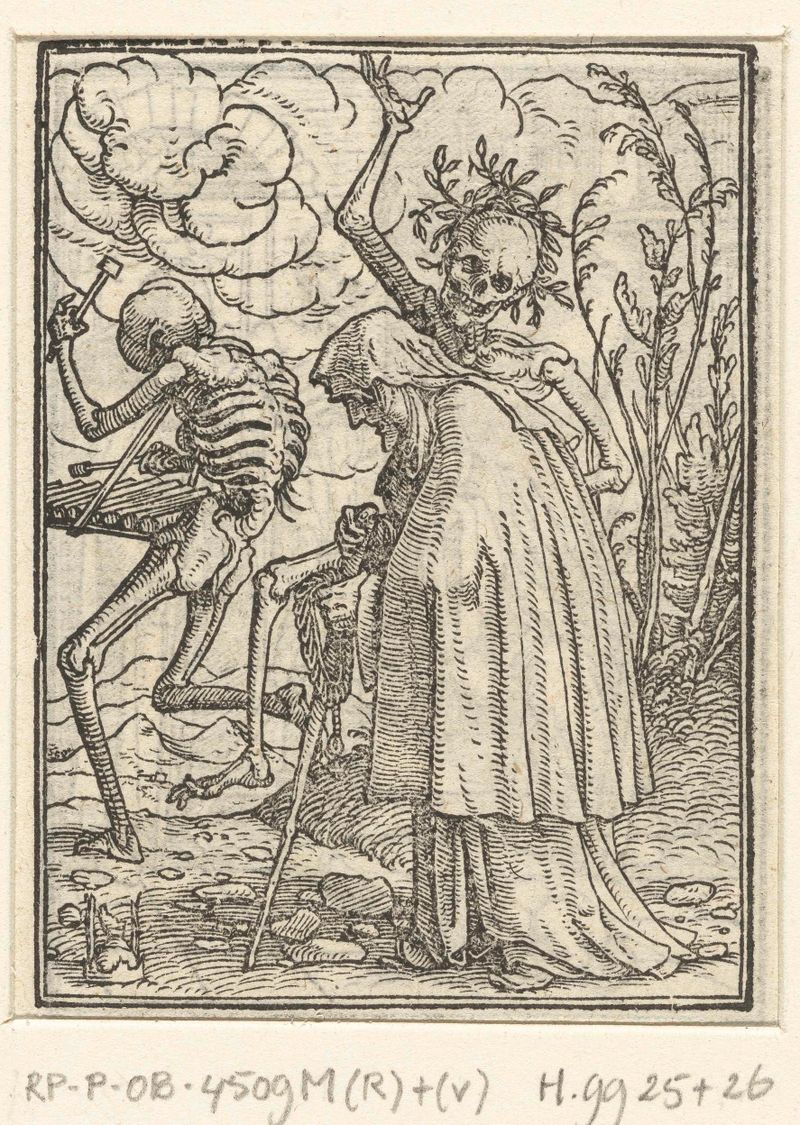
Oude vrouw en de Dood
Hans Holbein (II)
More Religious Art
Browse all →
The Return of the Prodigal Son
Rembrandt van Rijn

The Garden of Earthly Delights
El Bosco

Count Orgaz’ funeral
El Greco

The Hundred Guilder Print: the central piece with Christ preaching, the plate arched
Rembrandt van Rijn

The Descent from the Cross
Rogier van der Weyden

The return of the prodigal son
Rembrandt van Rijn