Sitzender Raubvogel. Adler — History & Facts
In Sitzender Raubvogel. Adler, Edvard Munch presents a striking eagle, rendered in deep, rich colors. The bird's feathers are depicted with a mix of browns and blacks, creating a sense of depth and texture.
Its piercing eyes gaze intently, suggesting a moment of contemplation. The background is minimal, allowing the eagle to dominate the composition. The painting is executed in oil on canvas, a medium that allows for vibrant colors and detailed textures. Munch's brushwork is expressive, with visible strokes that add dynamism to the eagle's form.
The dimensions are approximately 70 x 100 cm, making it a substantial piece that invites close viewing. The use of light and shadow enhances the three-dimensional quality of the eagle. Edvard Munch, best known for his iconic work The Scream, often explored themes of nature and emotion in his art. Sitzender Raubvogel.
Adler reflects his interest in the animal world, portraying the eagle as a symbol of strength and freedom. Interestingly, this work is part of a private collection, making it less accessible to the public. Munch's fascination with birds can be seen in various works throughout his career.
More Artworks by Edvard Munch

The Scream
Edvard Munch

The Scream (1910 version)
Edvard Munch

Despair
Edvard Munch

The Day After
Edvard Munch
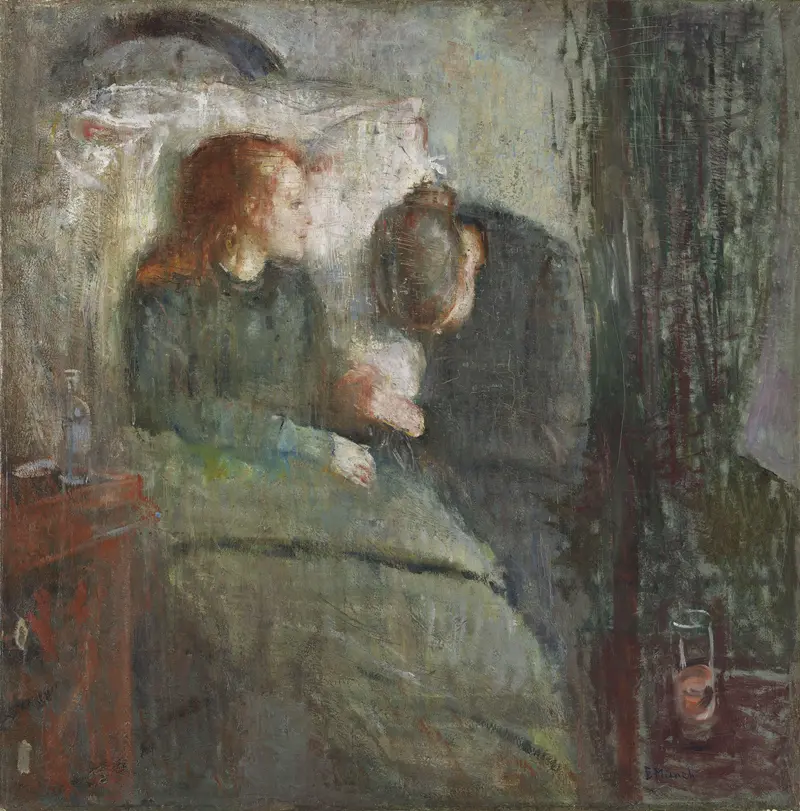
The Sick Child
Edvard Munch
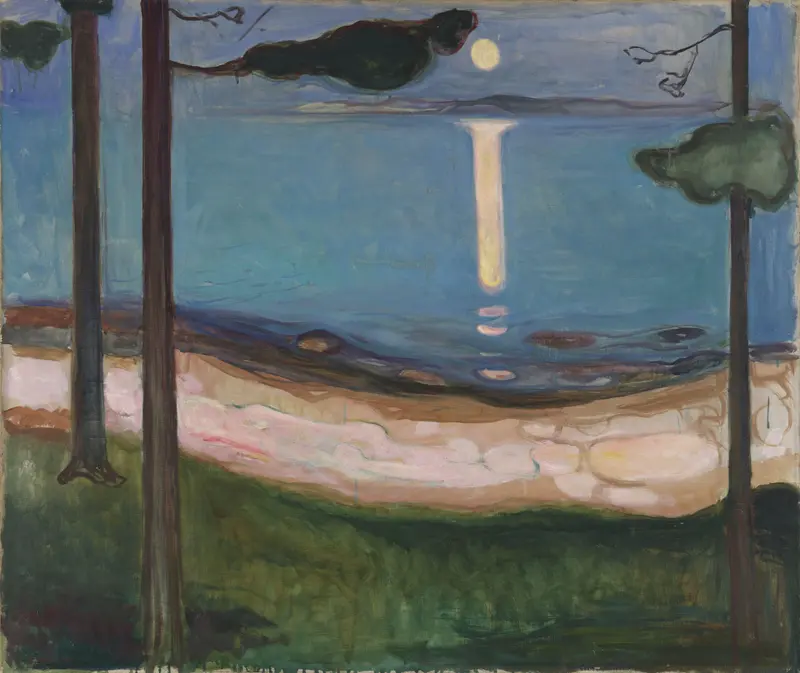
Moonlight
Edvard Munch
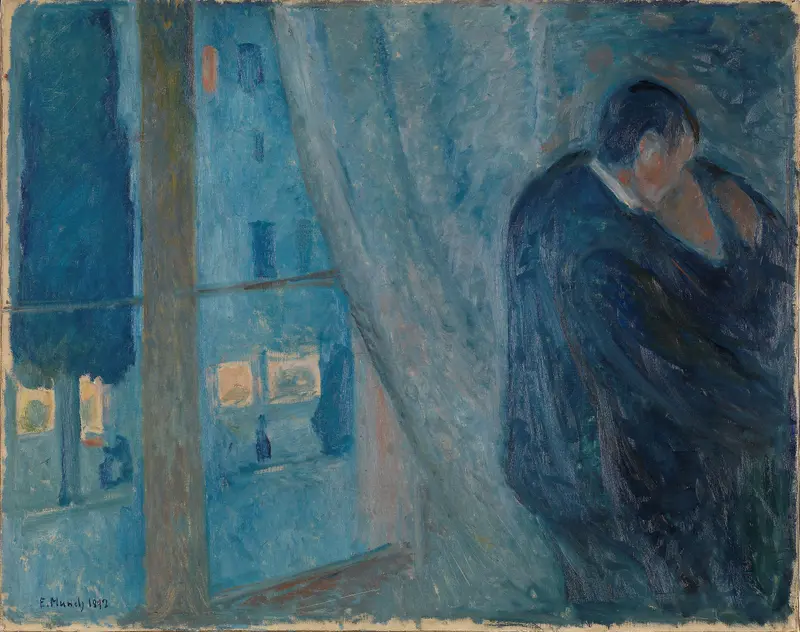
The Kiss
Edvard Munch
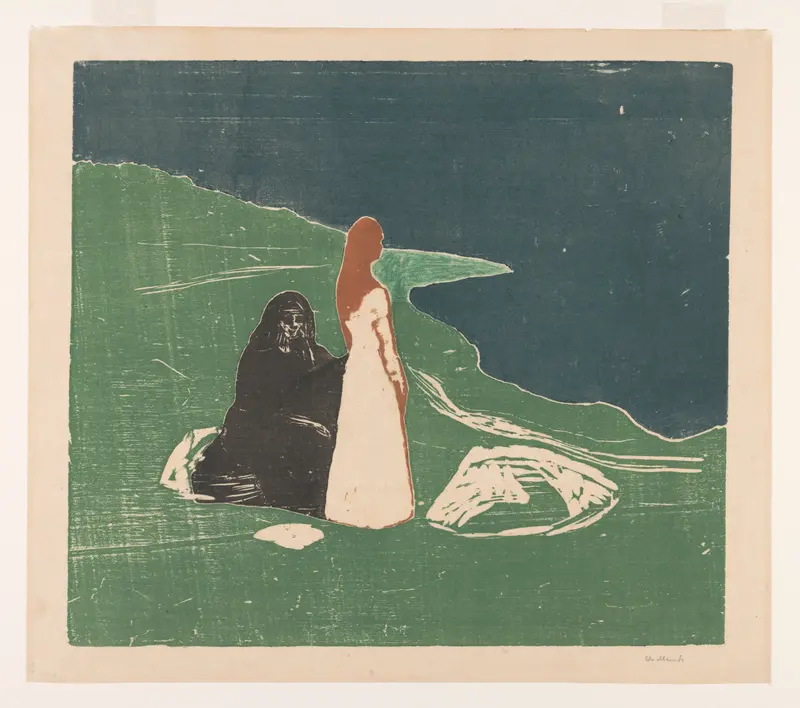
Two Women on the Shore
Edvard Munch
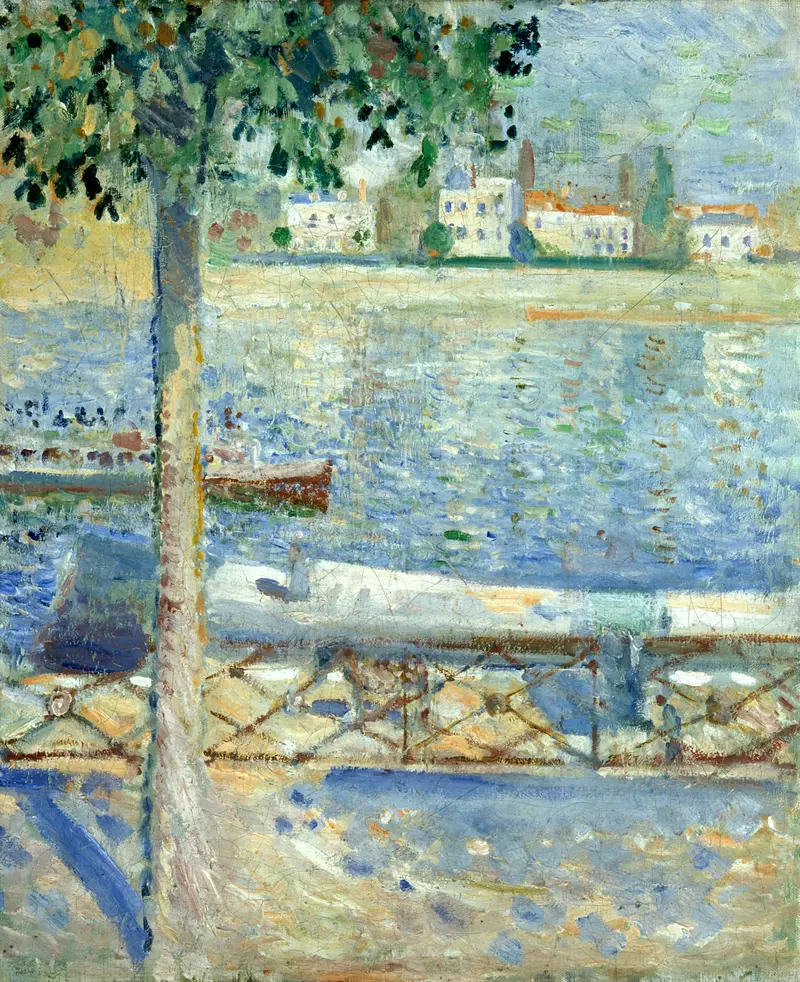
The Seine At Saint-Cloud
Edvard Munch
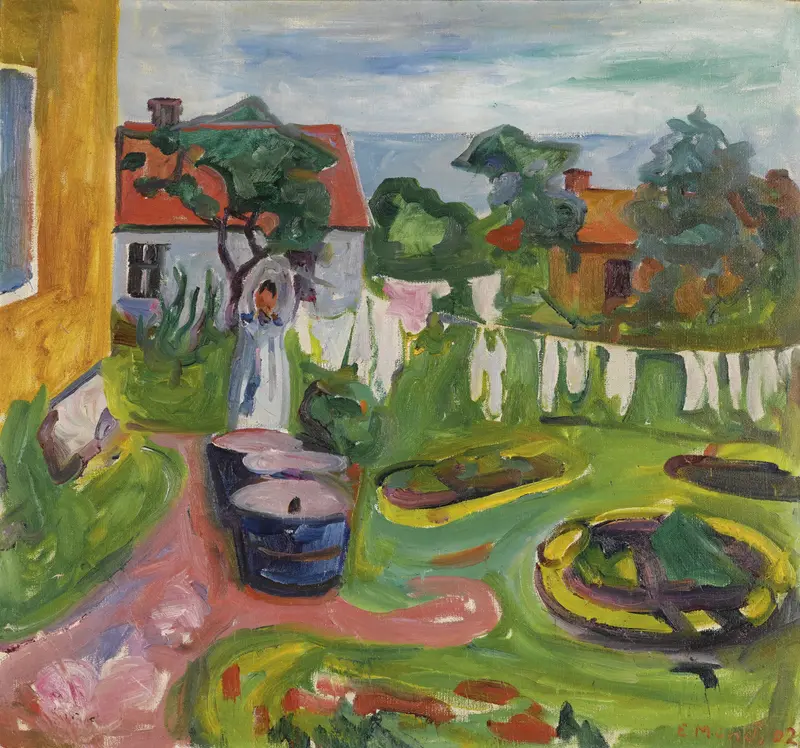
Klestørk I Åsgårdstrand (Clothes On A Line In Åsgårdstrand)
Edvard Munch