
Skaters — History & Facts
In the delicate interplay of light and shadow, Skaters emerges as a testament to reflection — both literal and metaphorical. The stillness of the frozen pond invites us to pause, to look deeper into our own experiences and emotions. Look at the lower part of the canvas, where the skaters glide gracefully across the ice, their forms elegantly captured amidst a flurry of motion. The vivid blues and whites contrast with the warm hues of sunset reflecting off the surface, creating a surreal harmony.
Notice how Claus uses brushstrokes to convey the chill of winter; the icy expanse shines under the fading light, drawing the eye to the joyous activity above while evoking a sense of tranquility. Yet, beneath the surface lies a multitude of emotions. The skaters are not just figures in motion; they symbolize freedom and joy against a backdrop of winter’s starkness. The couples’ intertwined paths suggest connections, harmonizing the theme of companionship with the solitude of the cold landscape.
The silvery reflections blur identities, highlighting the transient nature of both life and happiness in fleeting moments. In 1891, Emile Claus, deeply influenced by the Impressionist movement, painted Skaters in his native Belgium. During this period, he was exploring the nuances of light and color, seeking to capture the essence of everyday life. His work emerged amidst a growing fascination with plein air painting, as artists began to embrace the beauty of natural settings, reflecting their inner worlds through the lens of contemporary experiences.
More Artworks by Emile Claus
Browse all →
More Genre Scene Art
Browse all →
The Merry Fiddler
Gerard van Honthorst
A lively canal scene with ferries and boats conveying townspeople and animals
Jean-Louis Demarne
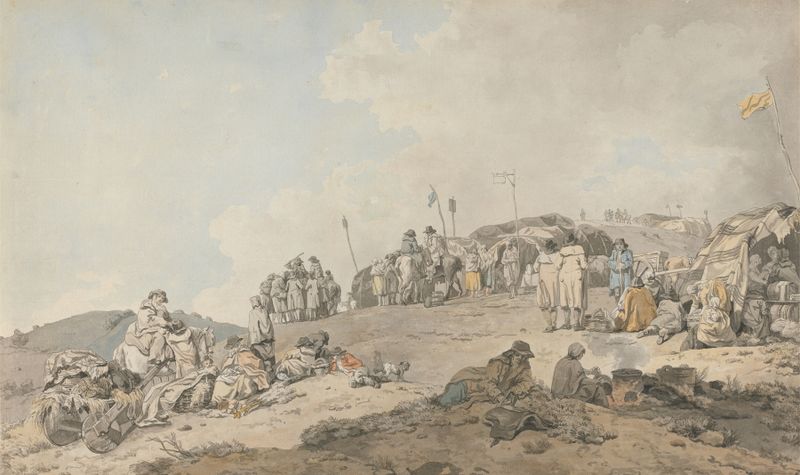
Donnybrook Fair
Francis Wheatley
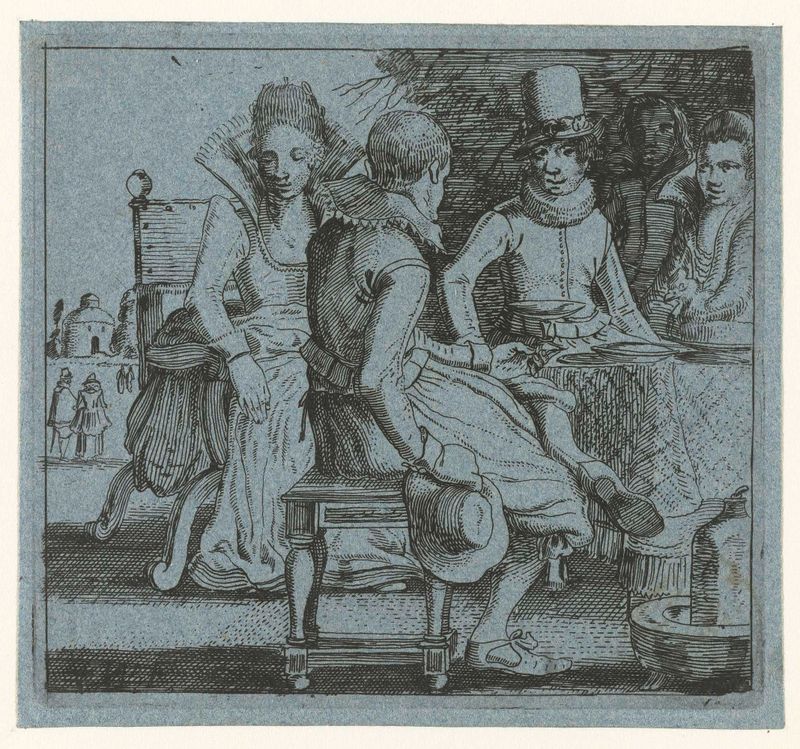
Vijf personen zittend rond een tafel op een terras
Unknown Artist
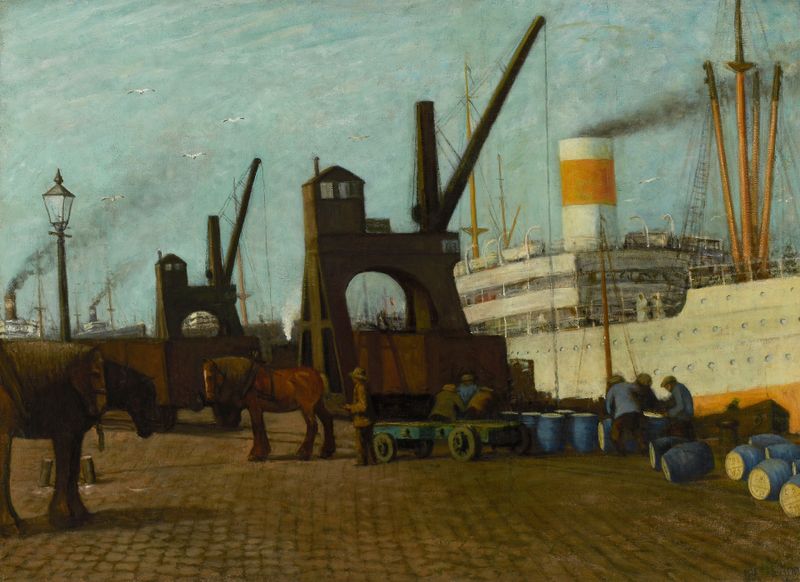
Activiteit aan de kade in Antwerpen
W. Aerts
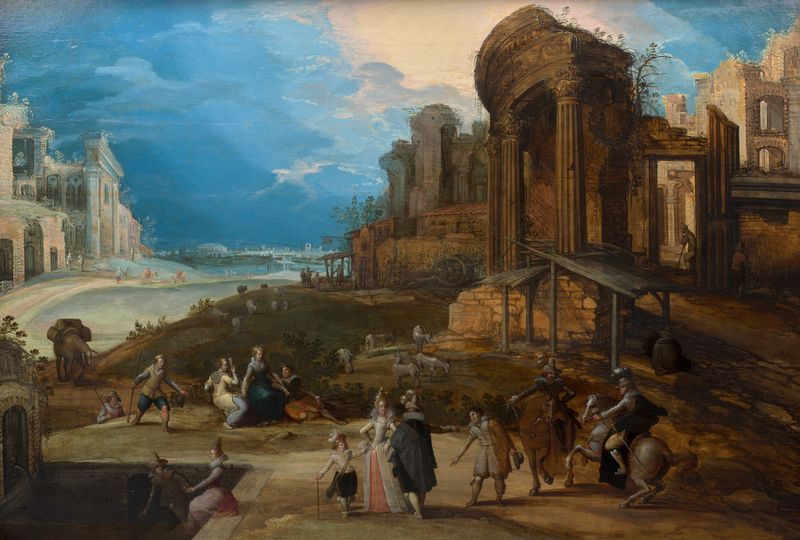
Scène galante dans des ruines romaines avec le temple de Vesta
Louis de Caullery