
Sketching, No. 1 — History & Facts
When did color learn to lie? In Sketching, No. 1, the viewer is thrust into a world stripped of the flamboyance often associated with art. With each stroke, this piece evokes a profound sense of loss, capturing fleeting moments and memories that linger just beyond reach. Look to the left, where the delicate outline of the figure emerges, almost ghostlike against the muted background.
The ethereal interplay of light and shadow creates a soft ambiance, inviting the eye to wander through the nuanced details. Each line flows gracefully, imbued with a subtle dynamism that speaks to both the subject and the act of creation itself. The limited palette—grays and soft blacks—enhances the emotional weight, suggesting the ephemeral nature of the moment being captured. Beneath the surface, the tension between presence and absence throb with unspoken stories.
The figure, sketching in solitude, embodies a profound yearning; their posture hints at both focus and melancholy. The contrast between the confident strokes of the pencil and the vulnerability of their form invites contemplation on the nature of artistic expression as a means to convey not just what is seen, but what is felt deeply and silently. Each mark resonates with the weight of experience, encapsulating the essence of human emotion intertwined with creativity. In 1861, Whistler was navigating the complexities of his early career in Paris, amid an art world shifting towards Impressionism.
Seeking to define his own artistic voice, he was experimenting with forms and techniques that would later solidify his reputation. This painting emerged from a time of exploration and introspection, a moment when the artist grappled with the tension between reality and representation, setting the stage for his future contributions to modern art.
More Artworks by James Abbott McNeill Whistler
Browse all →
Nocturne in Blue and Silver
James Abbott McNeill Whistler
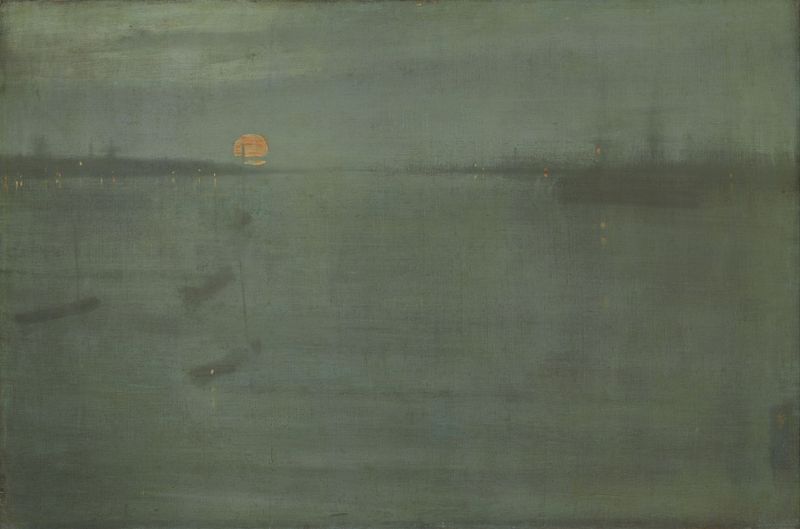
Nocturne: Blue and Gold–Southampton Water
James Abbott McNeill Whistler
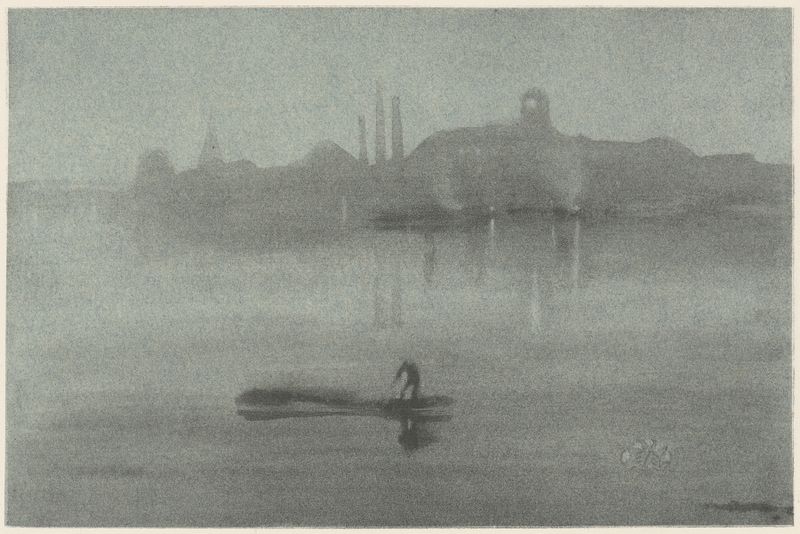
Nocturne
James Abbott McNeill Whistler
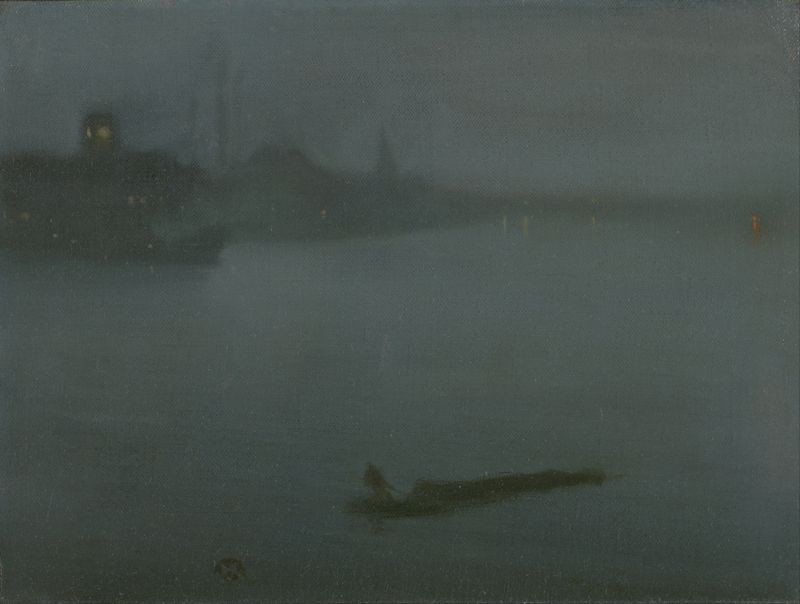
Nocturne in Blue and Silver
James Abbott McNeill Whistler
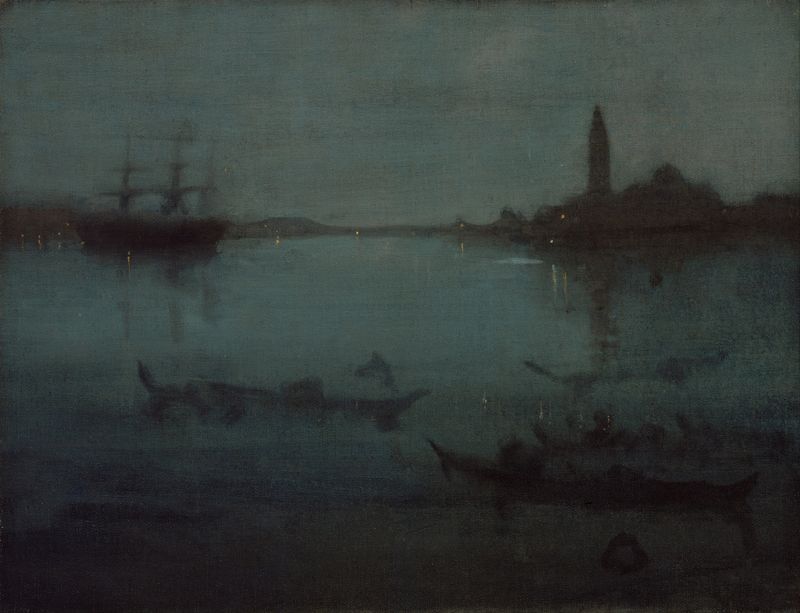
Nocturne in Blue and Silver- The Lagoon, Venice
James Abbott McNeill Whistler
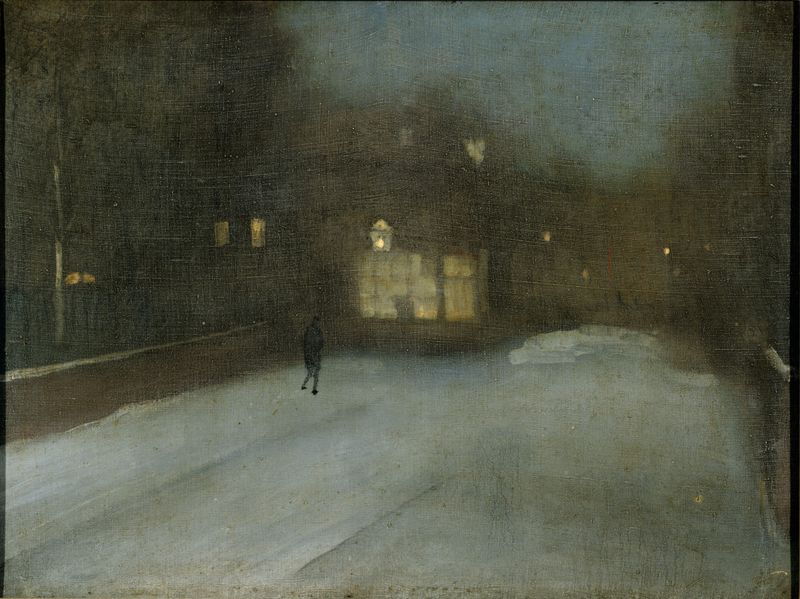
Nocturne in Grey and Gold: Chelsea Snow
James Abbott McNeill Whistler
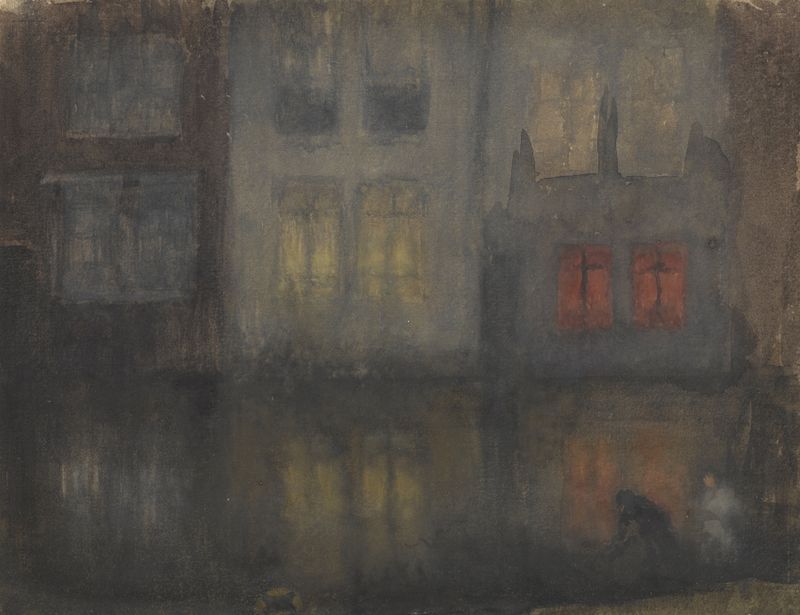
Nocturne: Black and Red—Back Canal, Holland
James Abbott McNeill Whistler
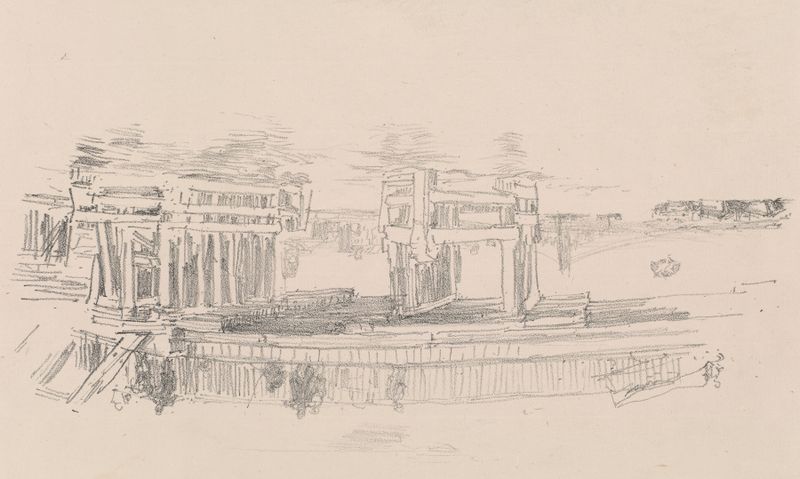
Old Battersea Bridge
James Abbott McNeill Whistler

Nocturne: Blue and Silver–Battersea Reach
James Abbott McNeill Whistler
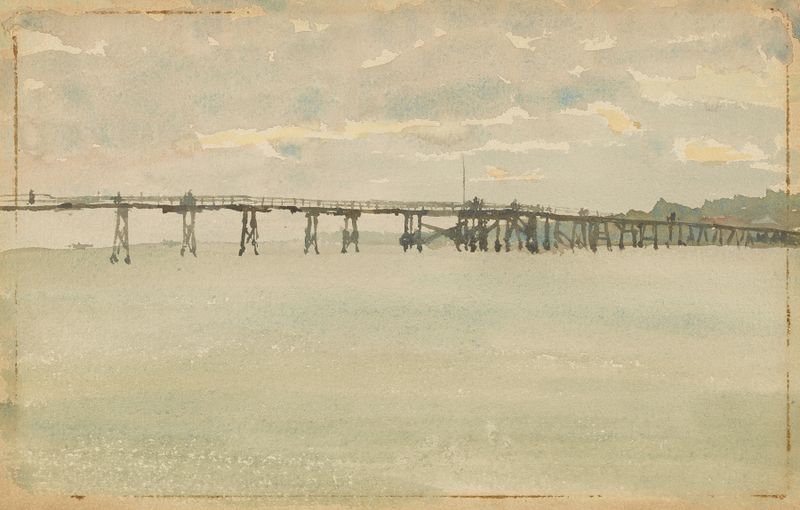
Grey and Silver–Pier, Southend
James Abbott McNeill Whistler





