
Sledging — History & Facts
In the artwork of the 17th century, layers of movement intertwine with fleeting moments, echoing the duality of joy and sorrow in every brushstroke. Look to the center where figures glide across the snow, their sleds cutting through the pristine white surface. Notice how the artist masterfully employs soft, pastel shades of blue and gold that merge into each other, creating a shimmering sense of coldness and warmth. The dynamic composition pulls the eye, leading to a gathering of onlookers in the background, while delicate strokes define their expressions, hinting at both delight and a contemplative pause. Just beyond the scene of jubilant play, there lies a deeper narrative woven into the fabric of the artwork.
The contrast between the bright sky and the shadows cast by the trees suggests the duality of experience; while the laughter of children echoes in the air, a sense of stillness persists, a reminder of the transient nature of joy. The movement of the sledges might symbolize the fleeting moments of happiness that can so easily slip away, as if the snow itself is slowly melting under the weight of time. Berchem painted this piece in 1665 during a period of flourishing Dutch landscape painting. At that time, he was immersed in a vibrant art community, influenced by the naturalistic tendencies of his contemporaries.
The world was rich with exploration and a burgeoning appreciation for everyday life, which Berchem captured through his imaginative yet grounded interpretations of nature and human experience.
More Artworks by Nicolaes Pietersz Berchem
Browse all →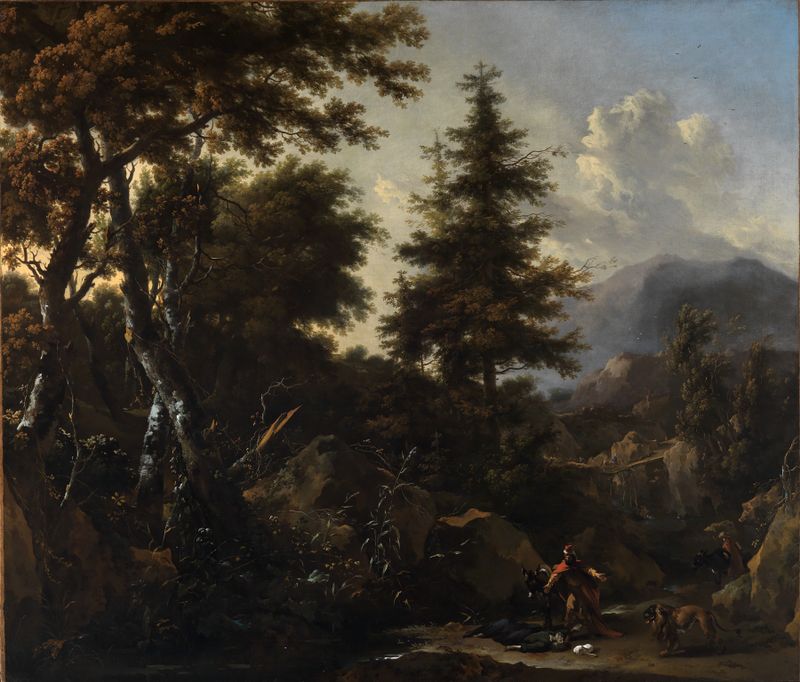
Schlucht im Bergwald mit alttestamentlicher Staffage
Nicolaes Pietersz Berchem
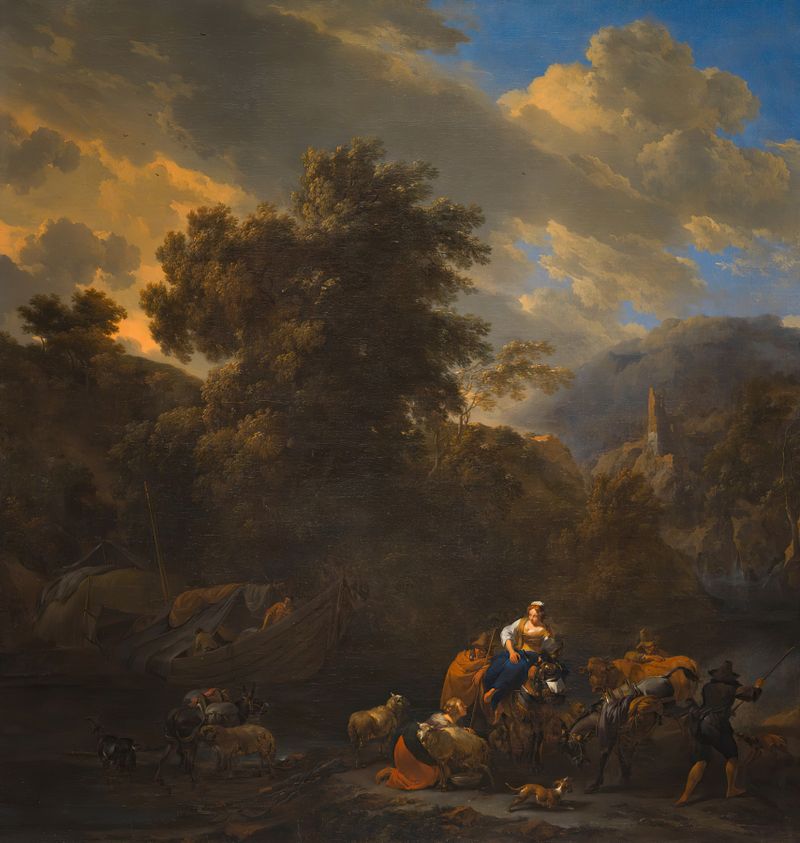
Italianate Landscape with Figures and Pack Animals on the Banks of a River
Nicolaes Pietersz Berchem
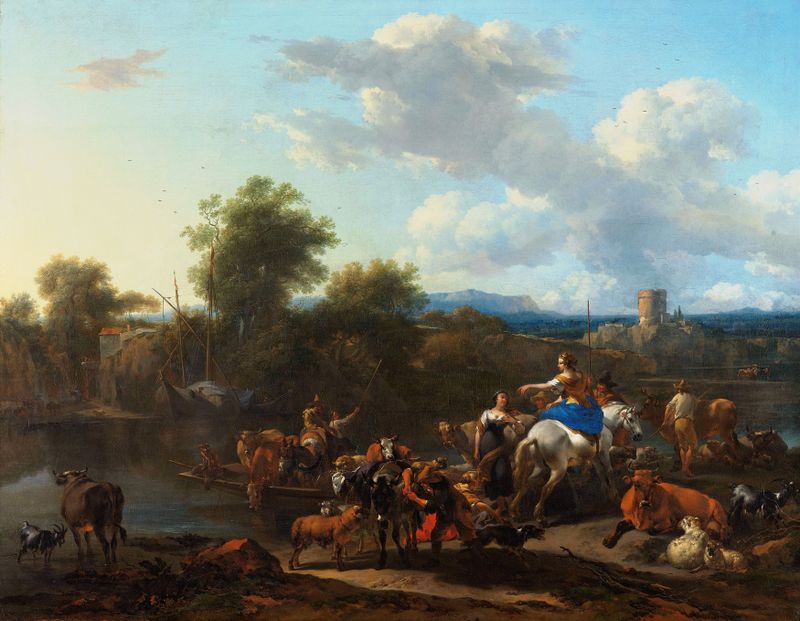
The Cattle Ferry
Nicolaes Pietersz Berchem
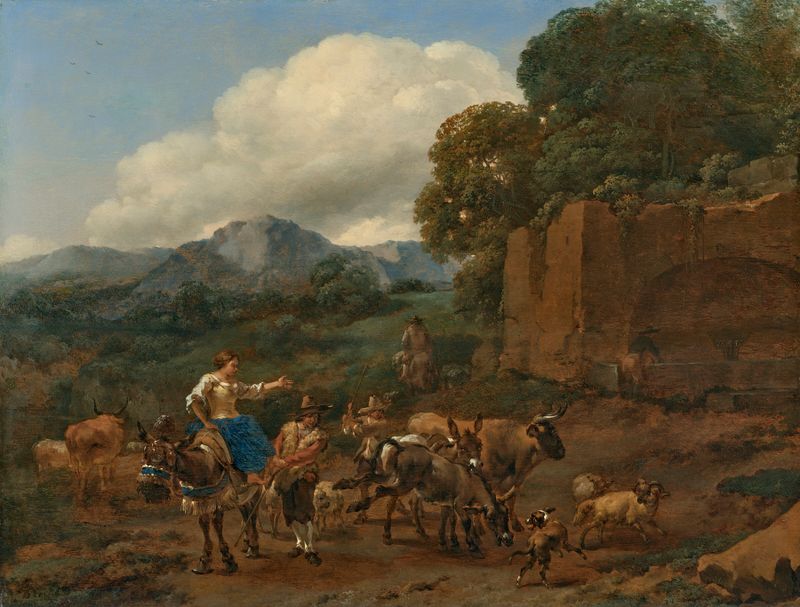
An Italianate landscape with a shepherdess on a mule and a shepherd, herding cattle, sheep, donkeys and dogs on a mountain track next to ruins
Nicolaes Pietersz Berchem
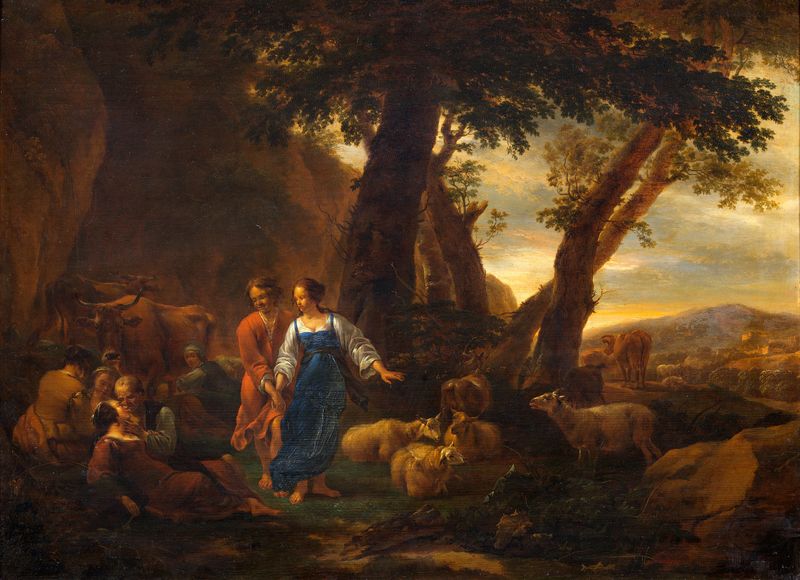
Landscape with Peasants and Cattle
Nicolaes Pietersz Berchem
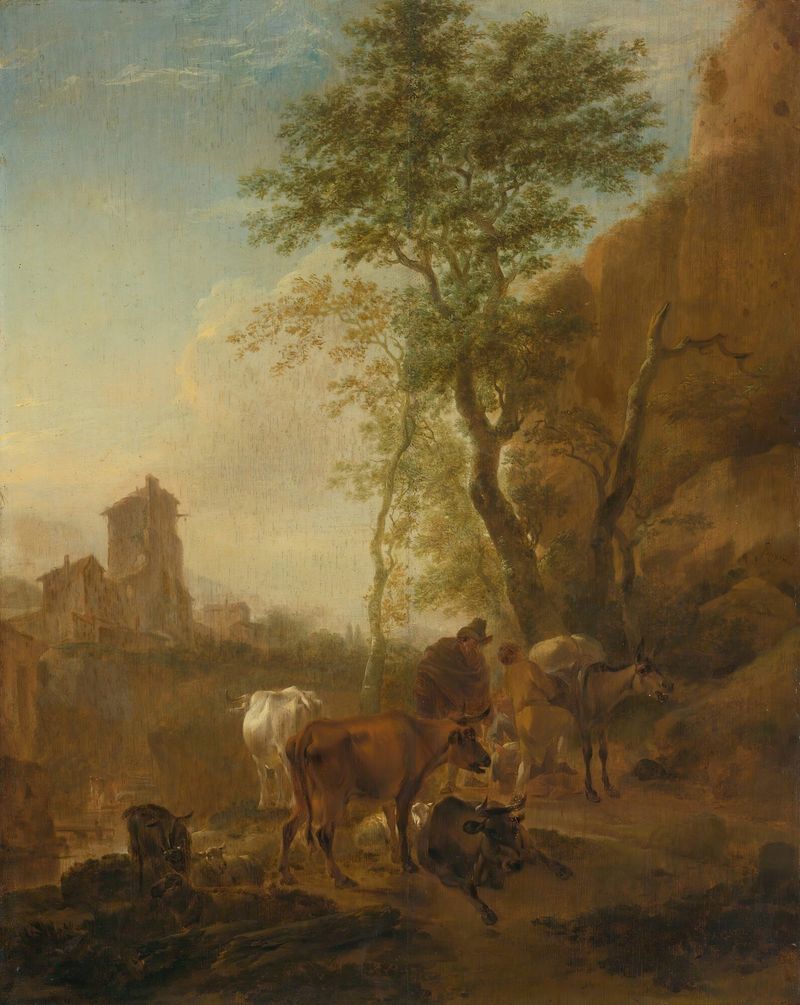
Italianate Landscape With Cows
Nicolaes Pietersz Berchem
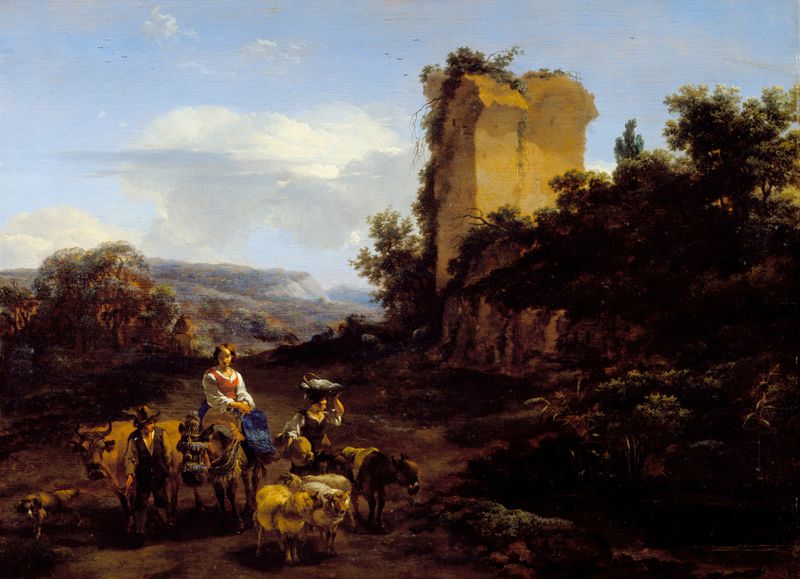
Landscape with Ruins and Travelers
Nicolaes Pietersz Berchem
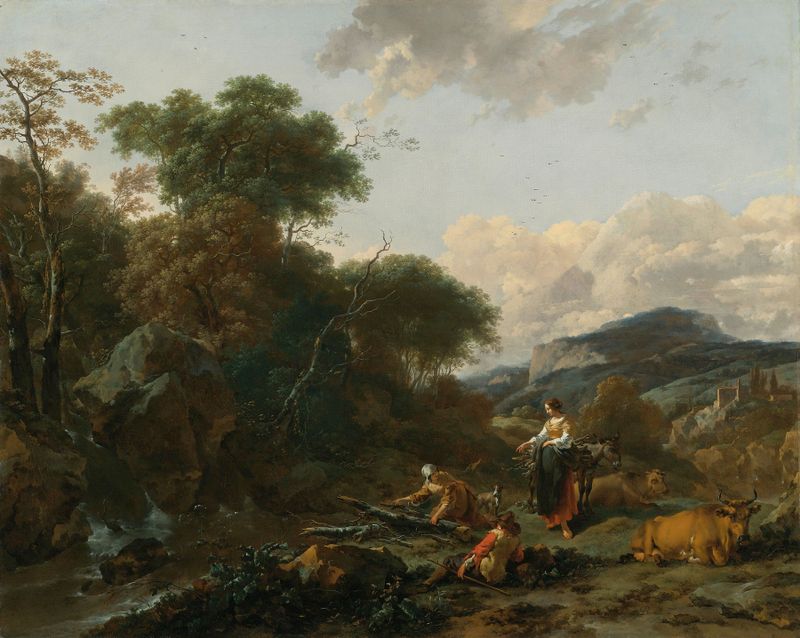
A Landscape With Figures
Nicolaes Pietersz Berchem
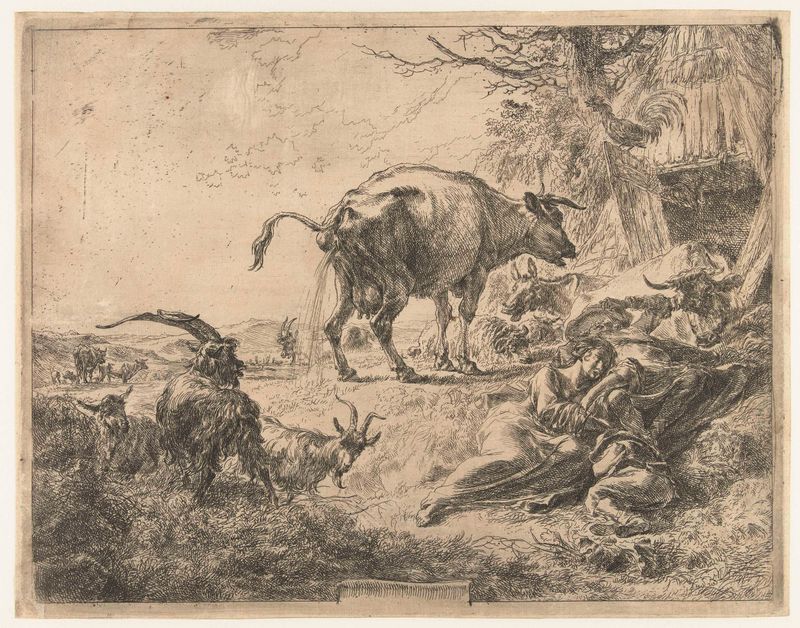
Slapende herdersfamilie en rustend vee
Nicolaes Pietersz Berchem
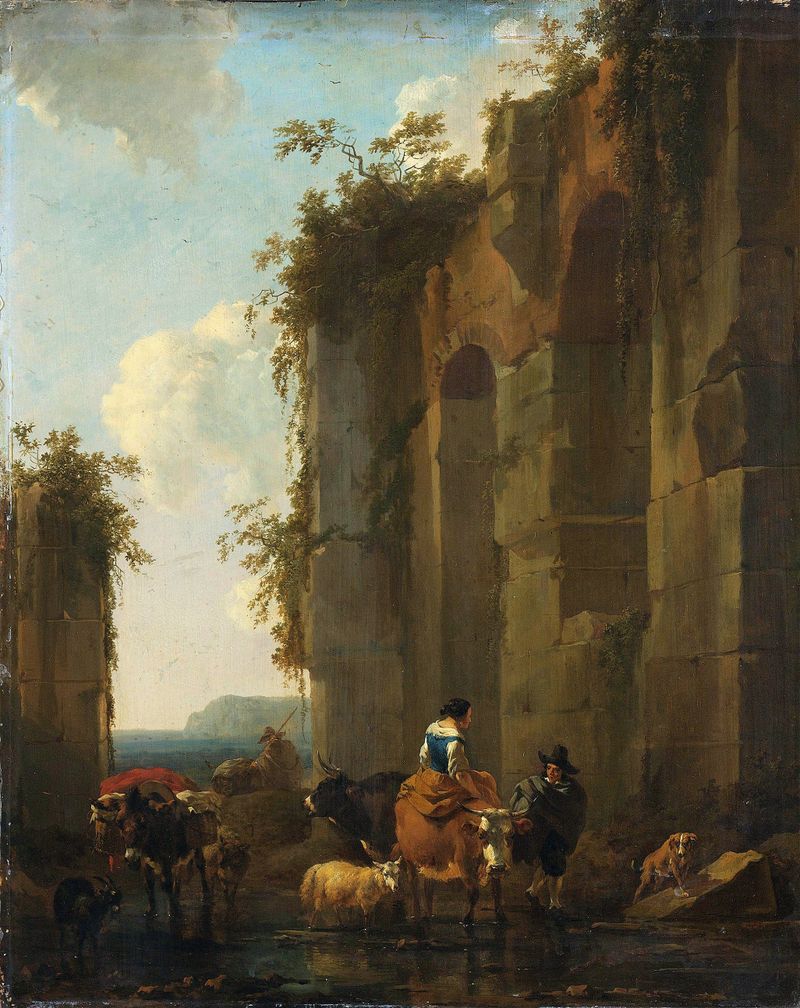
Ruins in Italy
Nicolaes Pietersz Berchem





