
Small Barn by the Edge of the Forest — History & Facts
What first draws the eye in Small Barn by the Edge of the Forest is the way the structure seems to emerge quietly from the pale emptiness, half-shrouded by the tall, silent trees behind it. The barn’s rough-hewn timbers and slanted roof speak of practical necessity, but the artist’s hand lingers on the play of shadow beneath the eaves and the delicate gradations of light filtering through the forest. There is a hush here, as if the world pauses at the edge of the woods, the barn holding its breath between wilderness and clearing.
The absence of color sharpens the viewer’s attention to texture and form: the upright logs of the fence, the leaning ladder, the almost spectral suggestion of hay or brush at the threshold. Every element seems to signal a pause in rural labor, a moment suspended in the pale wash of daylight. Created between 1827 and 1852, this work by August Cappelen belongs to a time when artists across Northern Europe sought out the quiet drama of rural life and the deep woods. Such scenes were rarely grand commissions; more often, they were studies, personal records, or meditations on the changing landscape—sometimes intended for collectors who valued a sense of rootedness and solitude.
The National Museum of Art, Architecture and Design now holds this piece, a testament to the era’s fascination with the meeting point of human habitation and the untamed forest. History has kept few traces of this specific barn, but the image invites us to imagine the lives and seasons that passed under its roof, and to linger a while longer at the forest’s edge.
More Artworks by August Cappelen

Landscape Study with a Precipice
August Cappelen

Decaying forest
August Cappelen
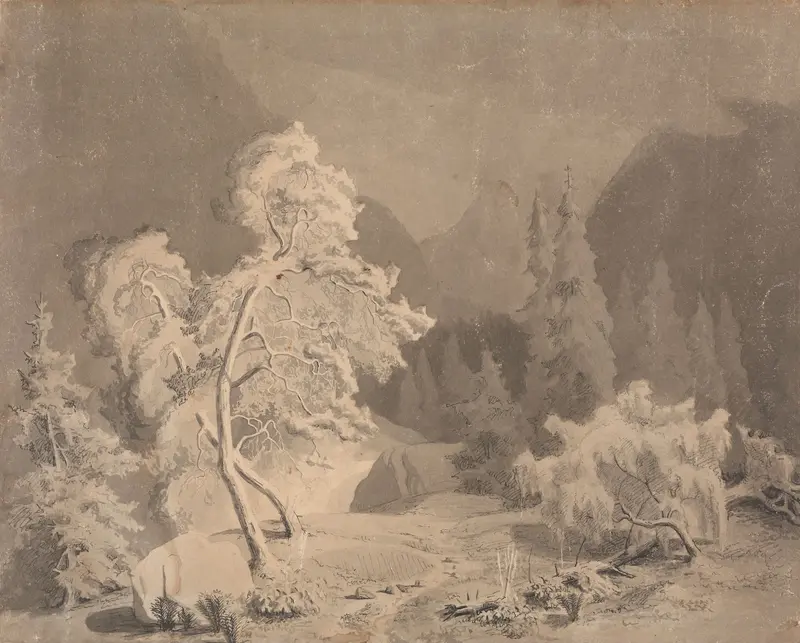
Forest Landscape
August Cappelen
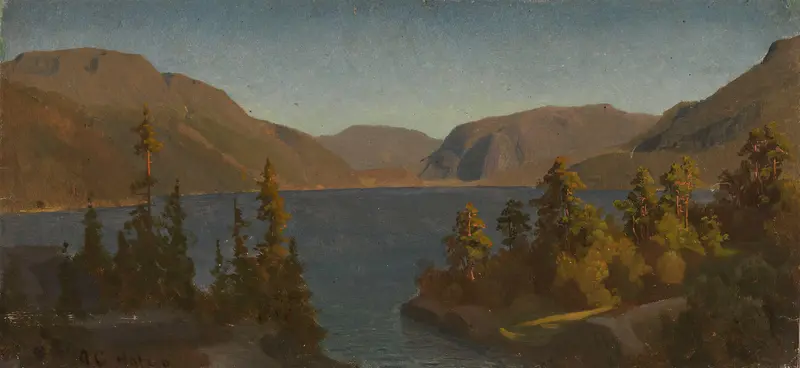
Lake in Telemark
August Cappelen
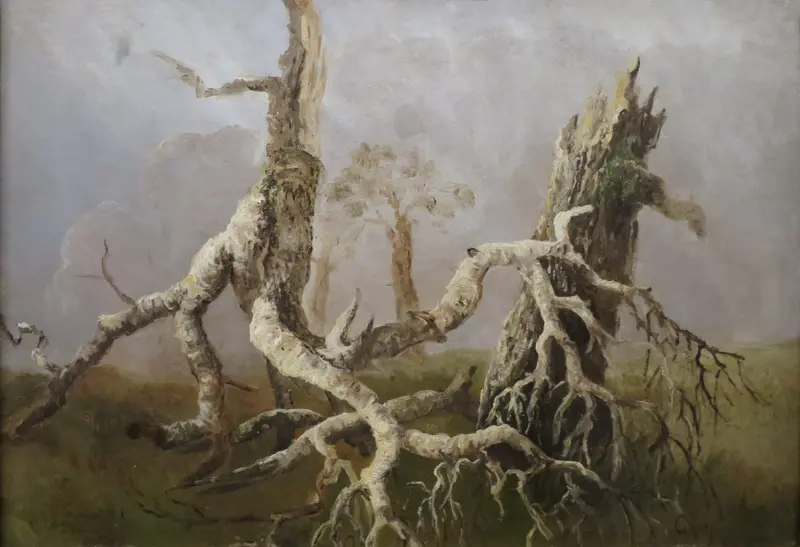
Dying Trees
August Cappelen
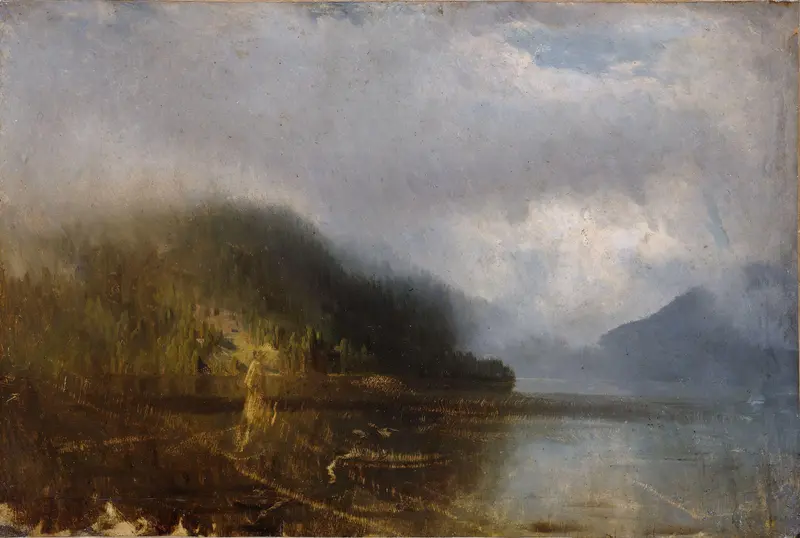
Lake in Fog
August Cappelen
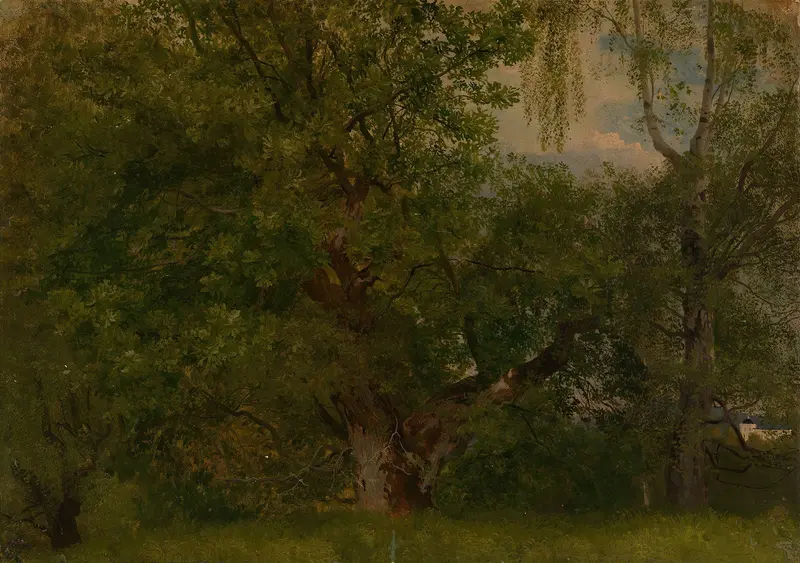
Wood near Ulefoss
August Cappelen
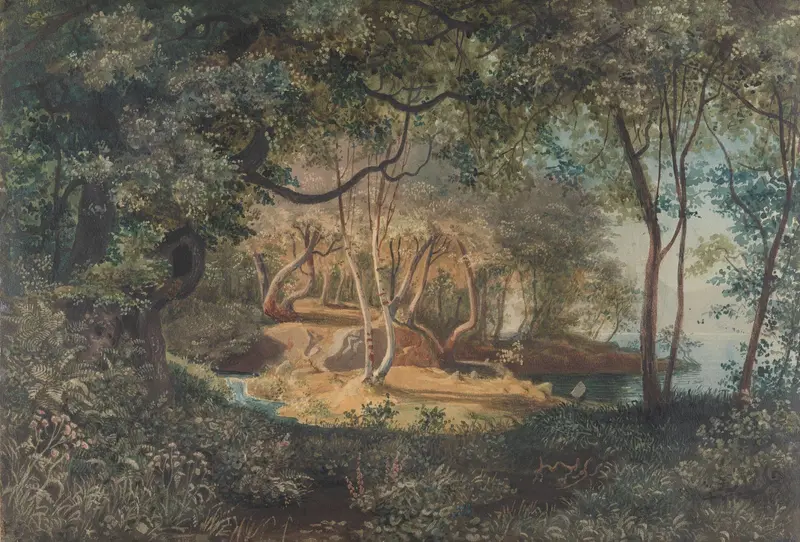
Woodland by the Fjord
August Cappelen
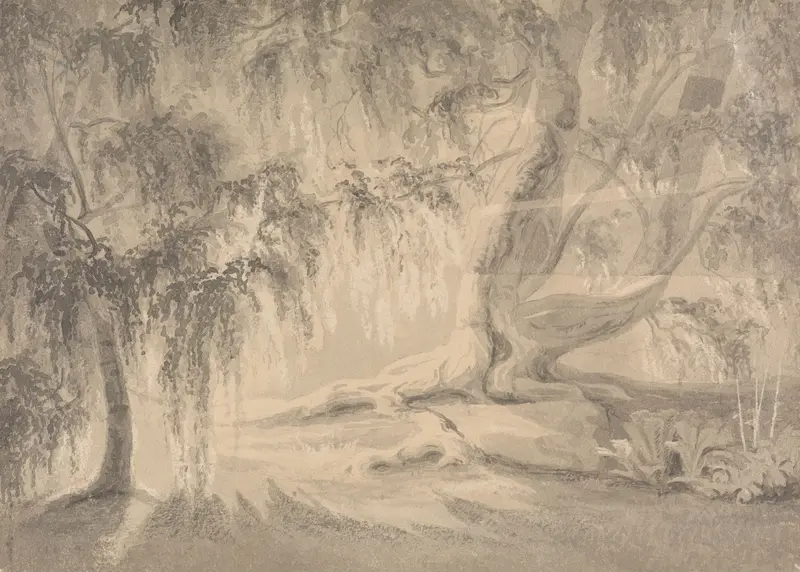
Forest Landscape with Sun Rays
August Cappelen
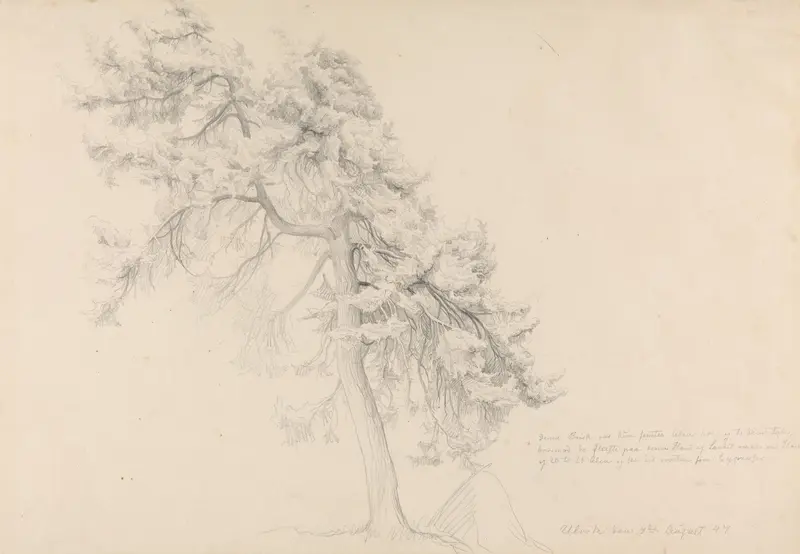
Juniper, Ulvik
August Cappelen
More Landscape Art

The Starry Night
Vincent van Gogh

View of Delft
Johannes Vermeer

Water Lilies
Claude Monet

The Grand Canal, Venice, looking north-west from the Ca' Corner to the Ca' Contarini degli Scrigni, with the campanile of Santa Maria della Carità
Canaletto

Windsor Castle
Canaletto

The Grand Canal looking North-East from the Palazzo Dolfin-Manin to the Rialto Bridge
Canaletto