
Smidse — History & Facts
In that sacred silence, the potential of serenity blooms, inviting the viewer to step into a world where time is suspended and the spirit is free. It beckons us to explore the depths of our own consciousness in harmony with the tranquil landscapes that unfurl before us. Look to the left at the soft, muted tones of the forge, where warm browns and golds intertwine, creating a gentle glow that envelops the scene. Notice how the light dances delicately across the figures, casting elongated shadows that suggest both motion and stillness.
The careful composition directs your gaze towards the blacksmith, his focused gaze a testament to dedication, while the surrounding elements hint at the rhythmic heartbeat of creation and labor. Beneath the surface, layers of tension emerge between the industrious work and the calmness of the environment. The contrast between the heated forge and the serene surroundings evokes a meditative state, as if the chaos of labor is embraced by the peacefulness of the natural world. Each detail, from the gleaming tools to the steam rising in the air, adds to the narrative of balance, suggesting that within the forge’s fire, serenity finds its place. In 1910, Alfred Ost painted this piece amidst a changing European art landscape, where Impressionism was giving way to modernism.
Living in Belgium, he was influenced by the desire to capture the essence of everyday life, merging realism with a meditative quality. This work reflects his commitment to portraying not just scenes, but the emotional resonance that everyday moments can hold.
More Artworks by Alfred Ost
Browse all →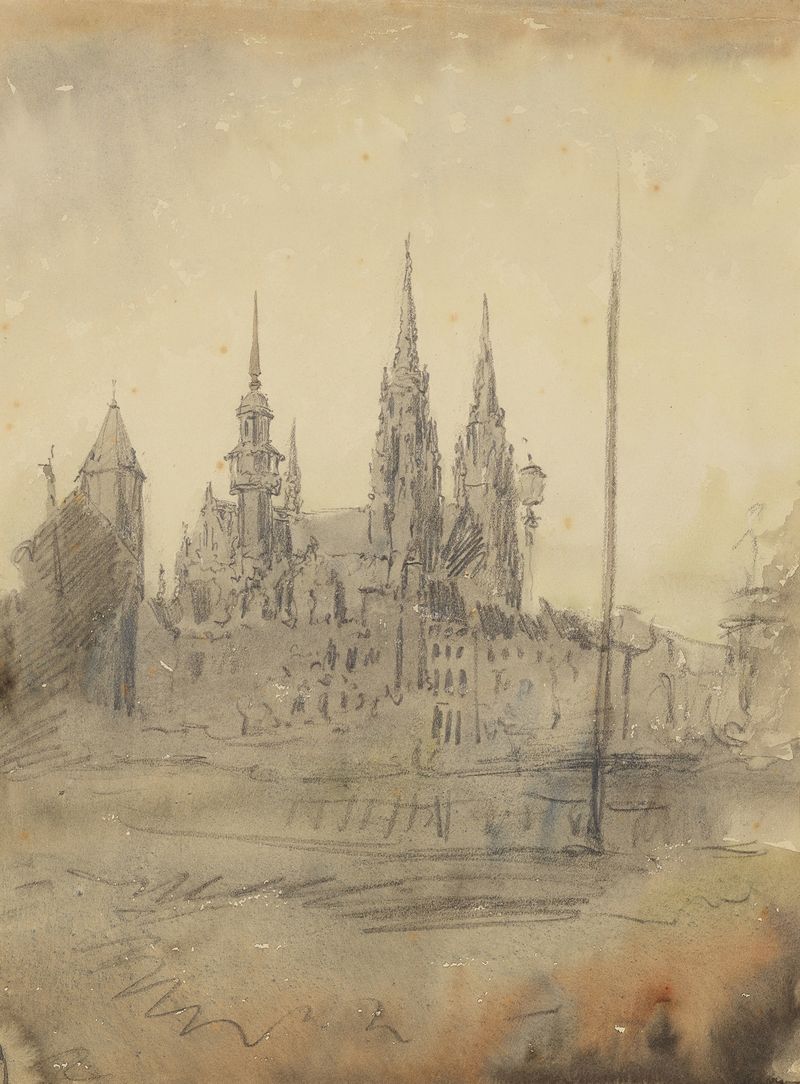
Oostende in de mist
Alfred Ost

Ypres Remember
Alfred Ost
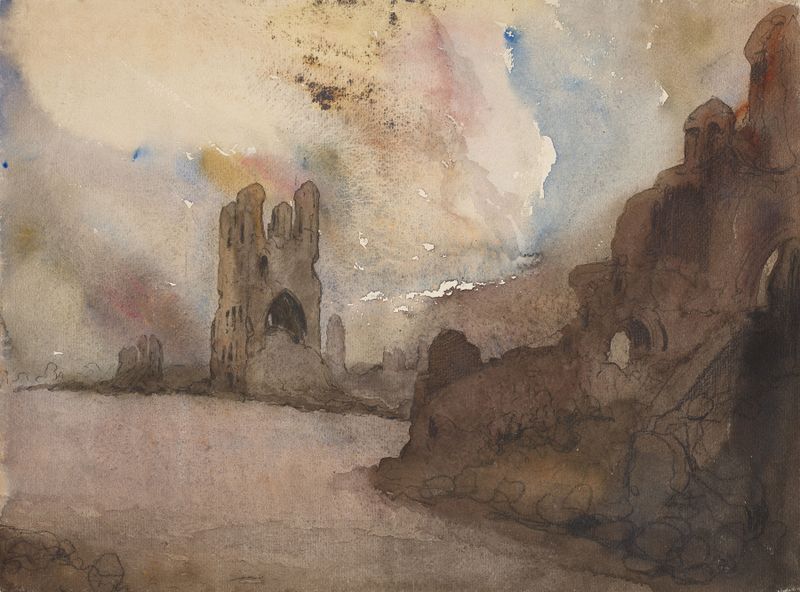
Ypres Remember
Alfred Ost
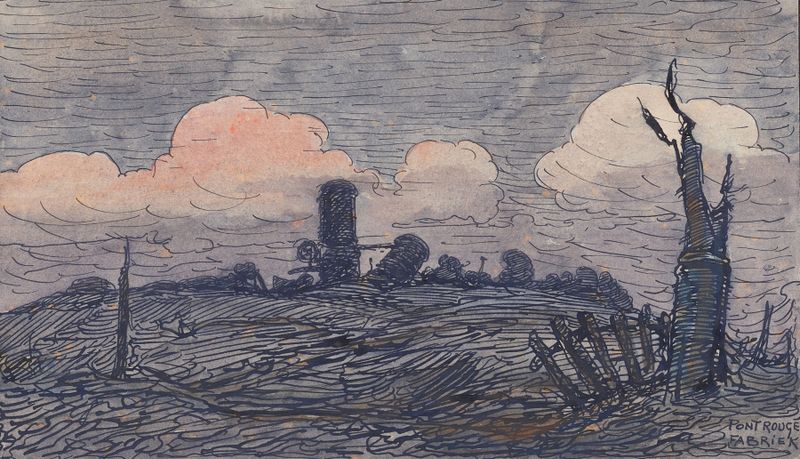
Ypres Remember
Alfred Ost

Bedevaarders op weg naar de Sint Salavtorkerk van Hakendover
Alfred Ost
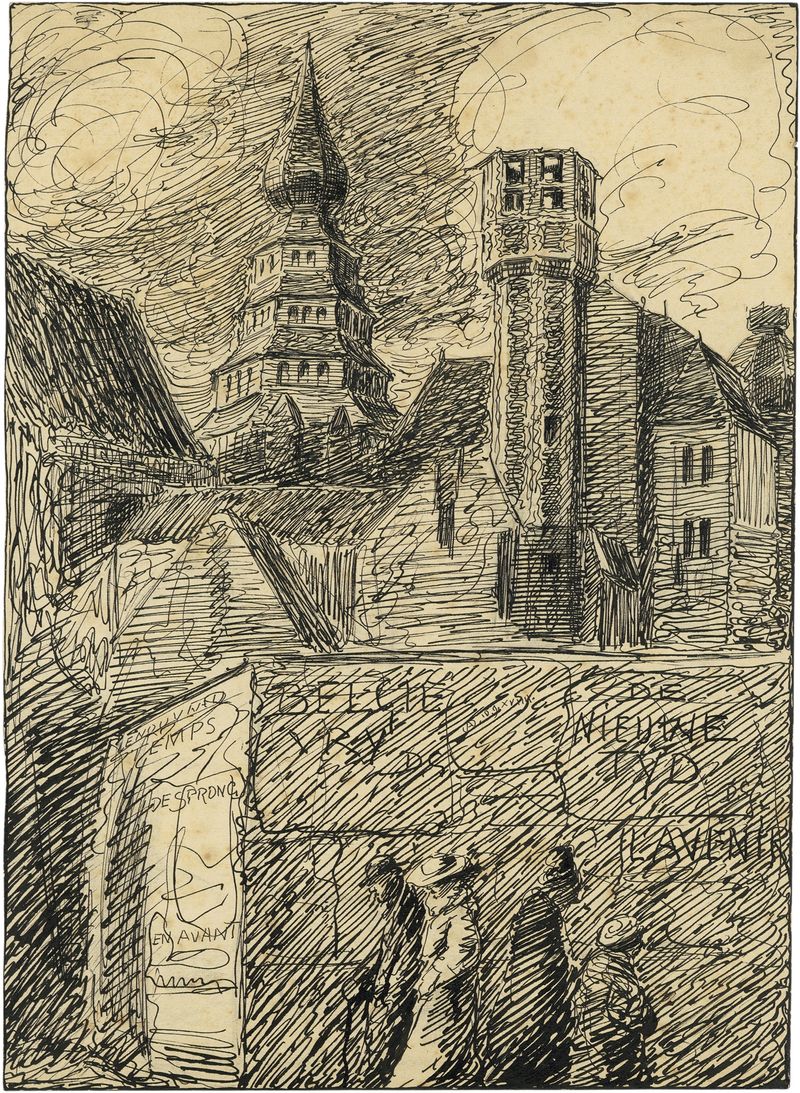
‘België vrij. De nieuwe tijd.’
Alfred Ost

Vierkantshoeve
Alfred Ost

Huis met rieten dak in een veld
Alfred Ost

Italiaanse kerk en bomen
Alfred Ost

Sint-Salvatorkerk in Hakendover – zijaanzicht
Alfred Ost





