
Snow Landscape in Crozant — History & Facts
What first draws the eye in Snow Landscape in Crozant is the way winter’s hush seems to settle across the hills, not as a blanket but as a living surface, alive with color. The snow is not simply white: it ripples with violet shadows and blushes of pink, while the trees—bare but not lifeless—flare with unexpected reds and ochres. The stone walls and fences snake through the scene, their rough textures anchoring the soft, rolling forms of the land.
The painter’s brushwork is energetic, almost sculptural, giving the snowdrifts and branches a sense of movement even in stillness. Light here is not a single note but a chorus, shifting from the pale sky to the lavender hollows and the warm, glowing treetops. Painted in 1895, this landscape belongs to the world of late nineteenth-century France, when artists like Armand Guillaumin turned their attention to the countryside and the changing seasons. Crozant, a favored haunt of the Impressionists, was famous for its dramatic valleys and light-filled vistas—ideal ground for painters seeking to capture fleeting effects.
Works like this were rarely grand commissions; instead, they were painted for the open market or for collectors eager to bring the new vision of nature into their homes. History has kept few traces of the journeys of this particular painting, but its presence today—documented in a photograph by Pymouss—invites us to linger over the quiet drama of winter, and to notice how color and light can transform even the most familiar rural scene.
More Artworks by Armand Guillaumin

La Seine À Charenton
Armand Guillaumin
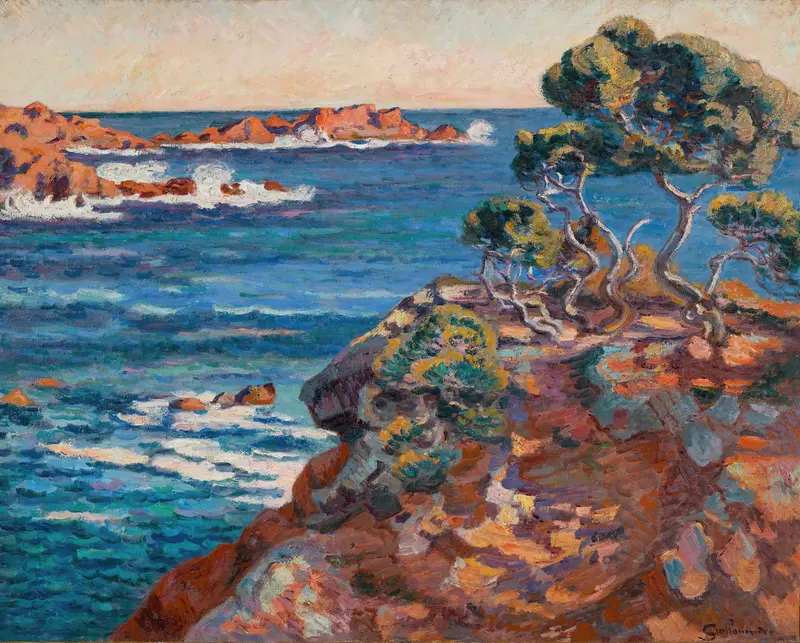
Bord De Mer À Agay
Armand Guillaumin
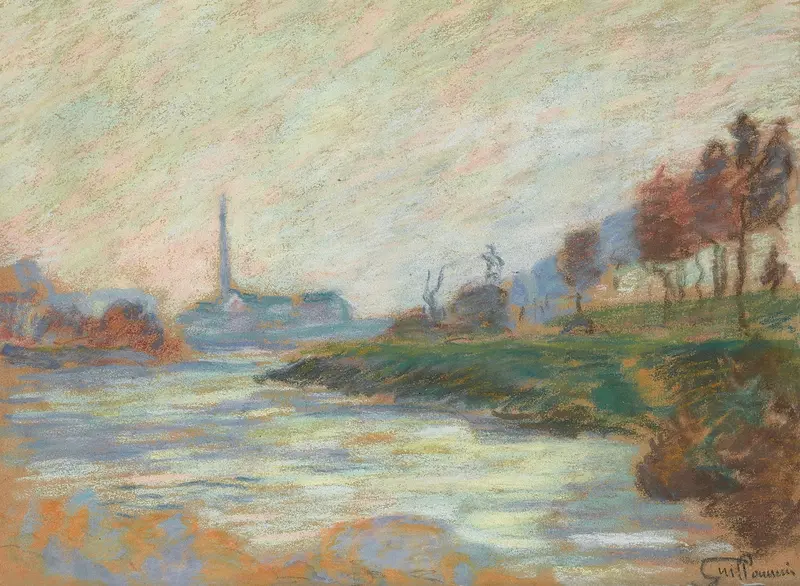
Confluent De La Marne Et De La Seine, Île De La France
Armand Guillaumin
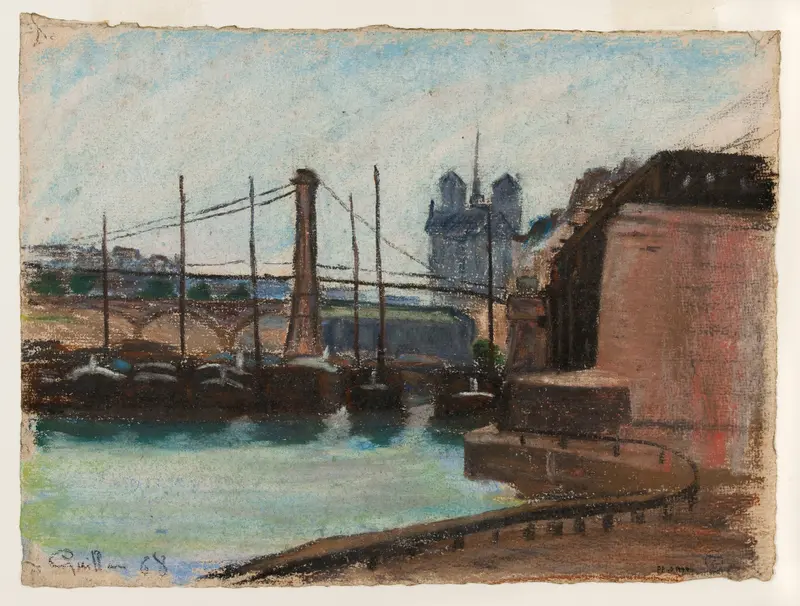
Le Pont d’Austerlitz
Armand Guillaumin
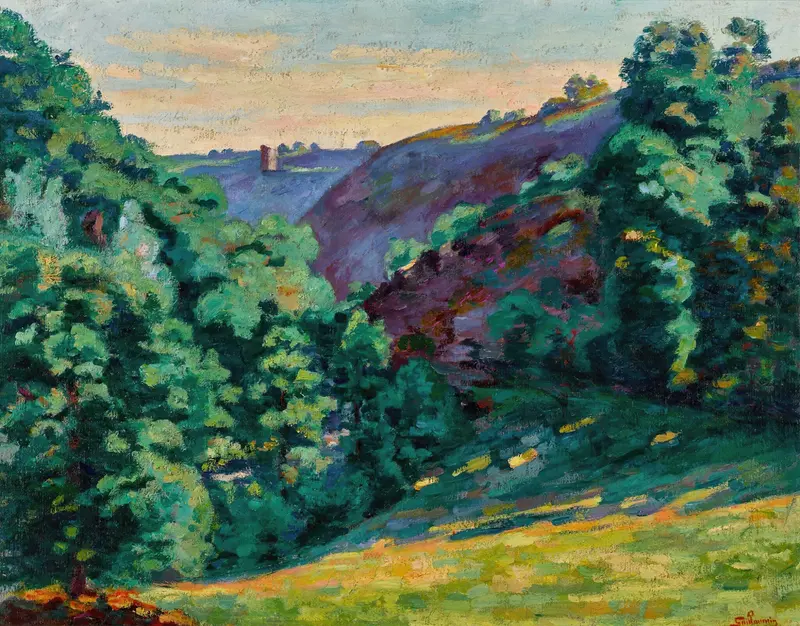
Le Ravin de la folie, vue de Chateau Crozant
Armand Guillaumin
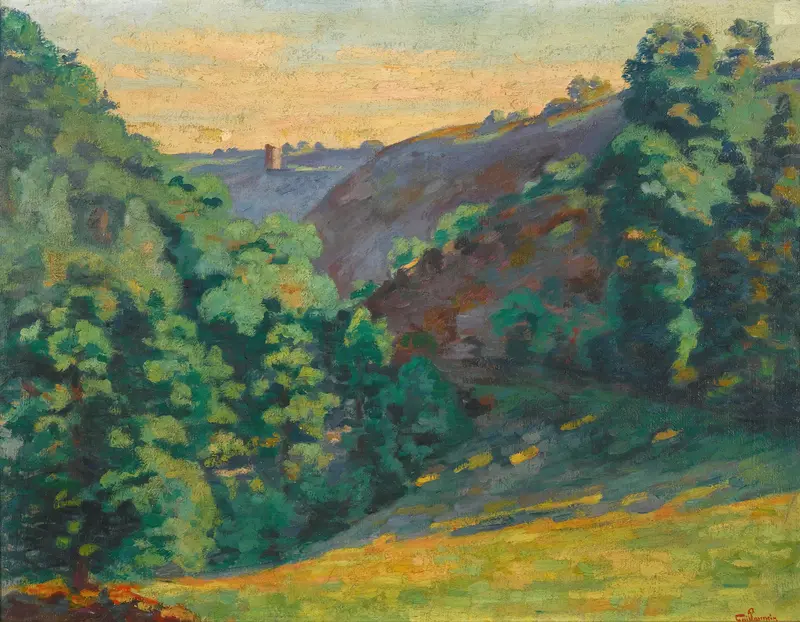
Crozant, Le Ravin De La Sedelle À La Folie
Armand Guillaumin
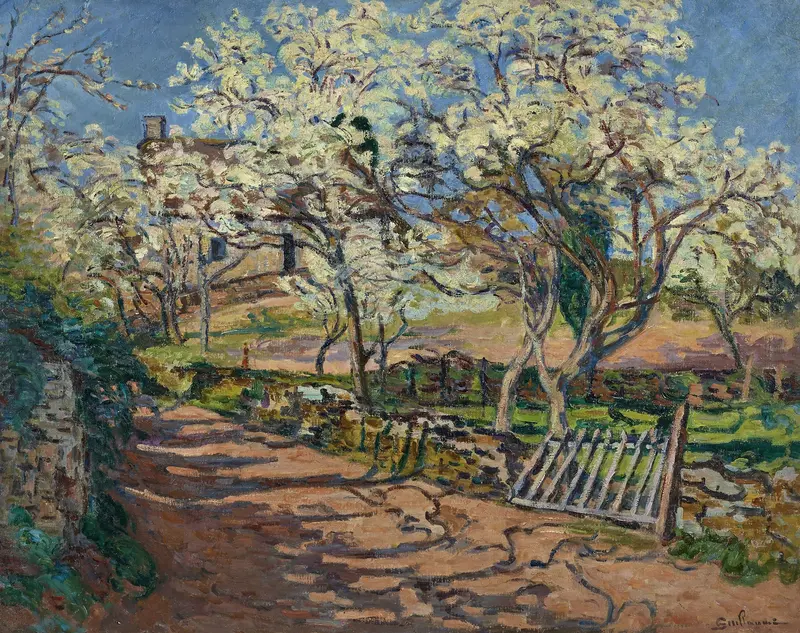
Paysage de Printemps
Armand Guillaumin
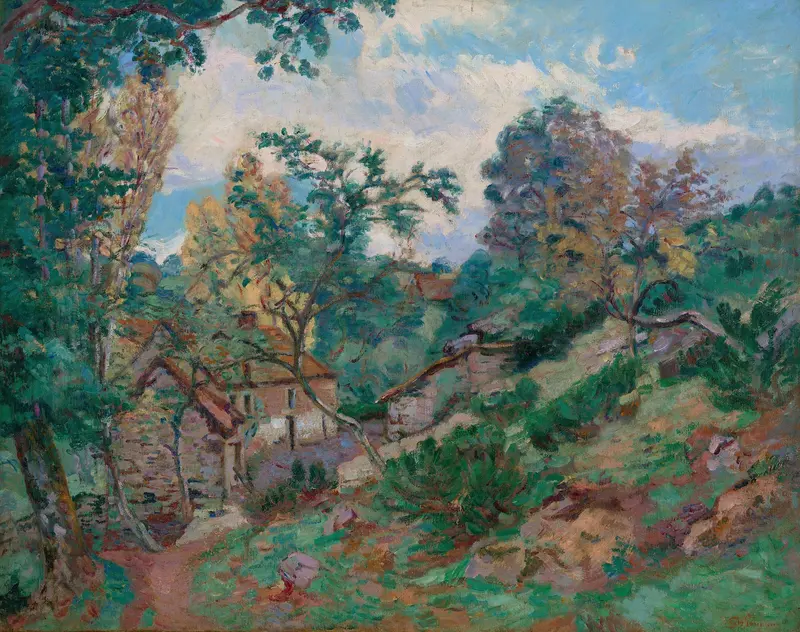
Paysage
Armand Guillaumin
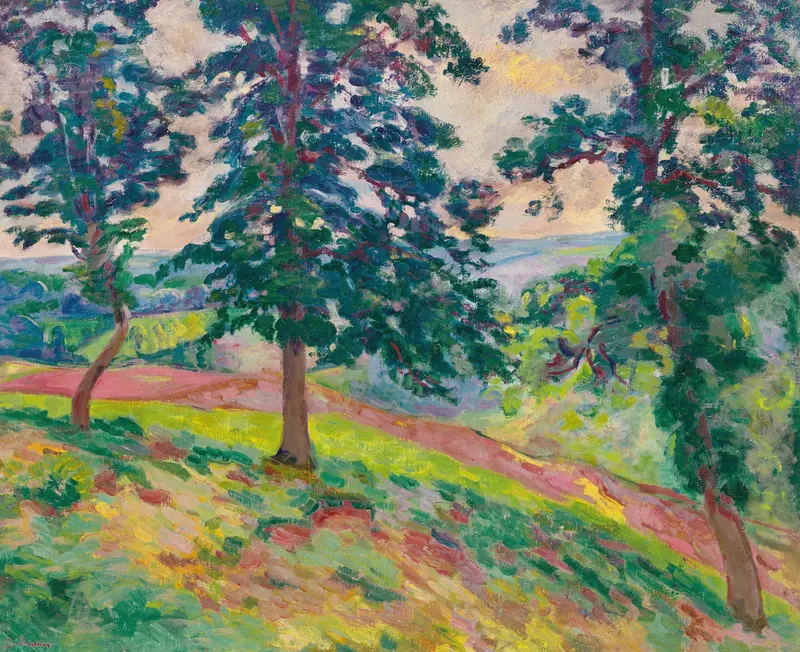
La vallée de la creuse
Armand Guillaumin
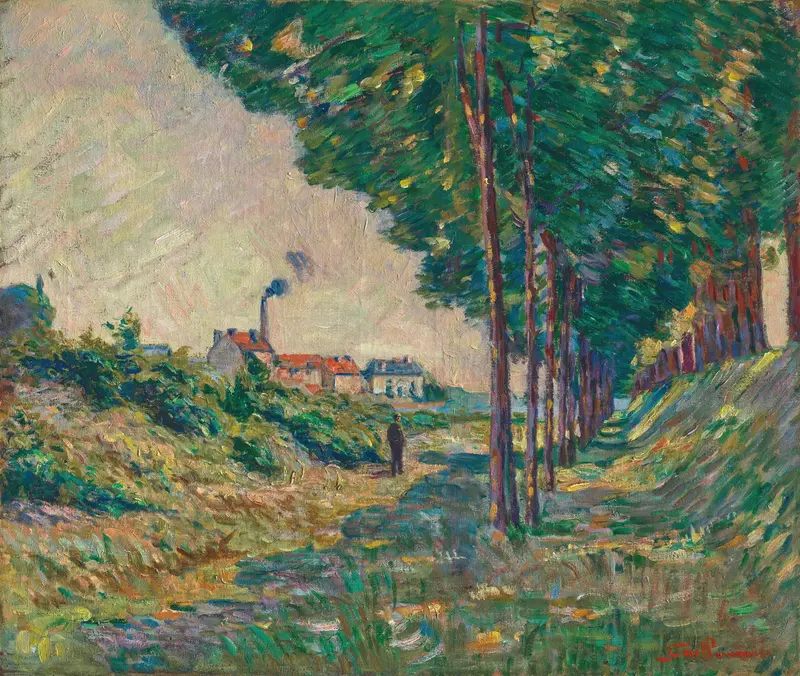
Le chemin de halage à Charenton, Ile de France
Armand Guillaumin
More Landscape Art

The Starry Night
Vincent van Gogh

View of Delft
Johannes Vermeer

Water Lilies
Claude Monet

The Grand Canal, Venice, looking north-west from the Ca' Corner to the Ca' Contarini degli Scrigni, with the campanile of Santa Maria della Carità
Canaletto

Windsor Castle
Canaletto

The Grand Canal looking North-East from the Palazzo Dolfin-Manin to the Rialto Bridge
Canaletto