
Soleil couchant à Ivry — History & Facts
The first thing that seizes the eye in Soleil couchant à Ivry is the sky: a blaze of orange and gold, fading upward into cool blue, as if the city’s factories have set the horizon alight. The river in the foreground acts as a mirror, doubling the drama above and drawing the viewer’s gaze from the shadowed earth to the glowing heavens. Plumes of smoke twist and billow from the clustered chimneys, their dark forms curling against the sunset, signaling both industry and encroaching night.
On the right, a dense stand of trees stands sentinel, anchoring the scene and balancing the horizontal sprawl of the city with a vertical mass. The palette is deliberate, the brushwork loose but purposeful, capturing a fleeting moment when nature and industry are locked in uneasy harmony. Painted in 1869, this work belongs to a period when artists like Armand Guillaumin were turning their attention to the changing landscapes around Paris, where riverside villages and fields were giving way to factories and smokestacks. Such scenes were rarely commissioned; instead, painters sought to capture the new reality of modern life, often working outdoors to seize the shifting effects of light and atmosphere.
The industrial suburb of Ivry, with its mix of water, sky, and machinery, became a laboratory for this new vision. Though little is recorded about the specific history of this painting, its subject and date place it firmly within the birth of Impressionism, when artists were learning to see—and show—the world afresh. The painting invites us to linger, to follow the smoke trails, and to wonder what it felt like to witness such a sunset at the dawn of the modern age.
More Artworks by Armand Guillaumin

La Seine À Charenton
Armand Guillaumin
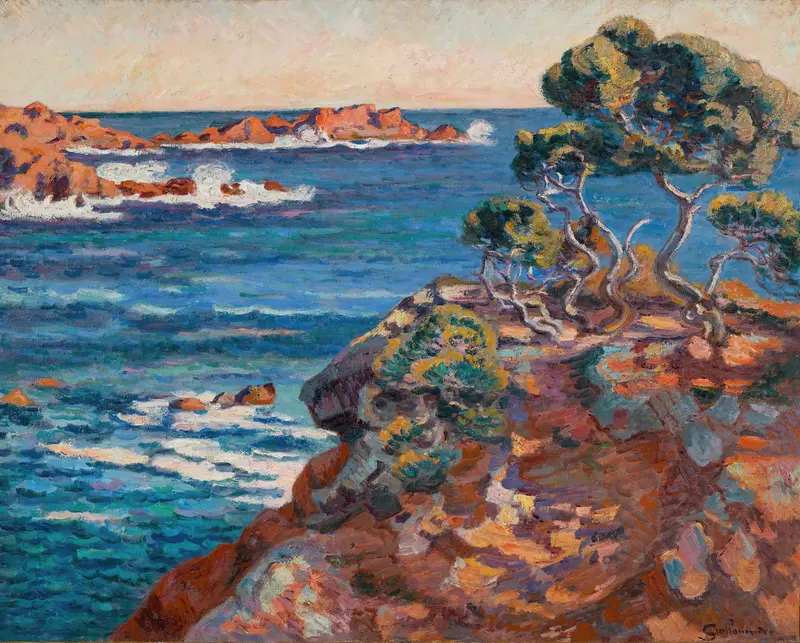
Bord De Mer À Agay
Armand Guillaumin
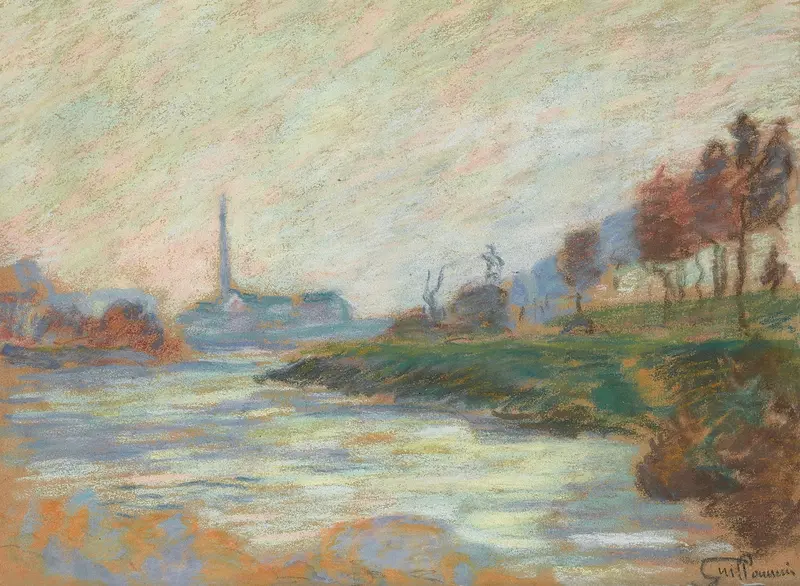
Confluent De La Marne Et De La Seine, Île De La France
Armand Guillaumin
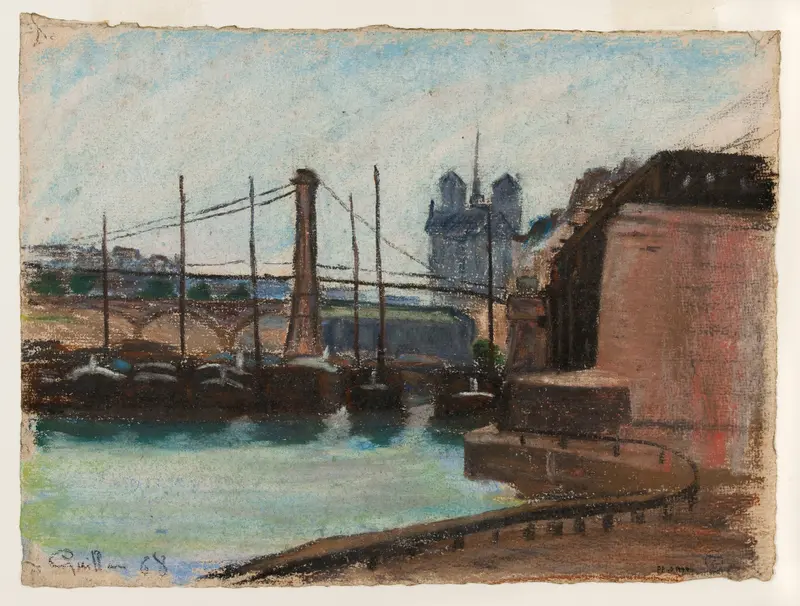
Le Pont d’Austerlitz
Armand Guillaumin
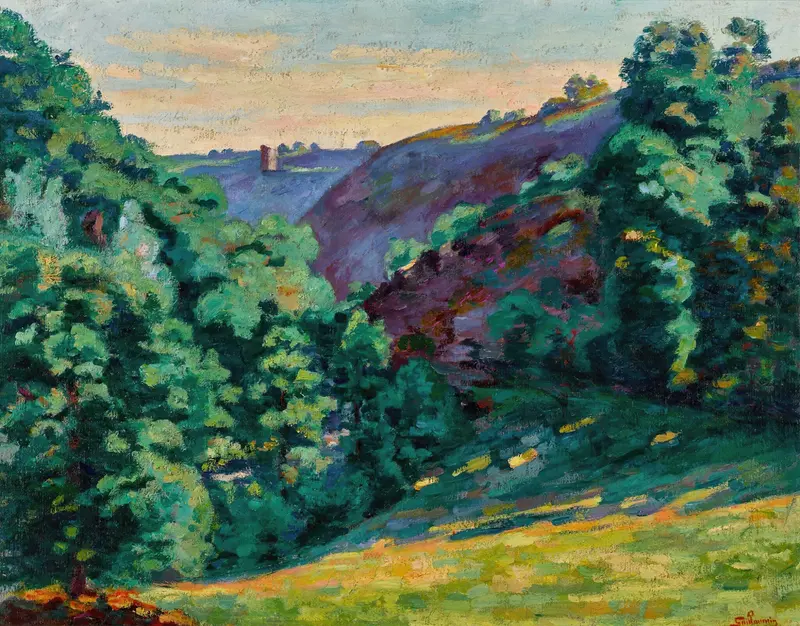
Le Ravin de la folie, vue de Chateau Crozant
Armand Guillaumin
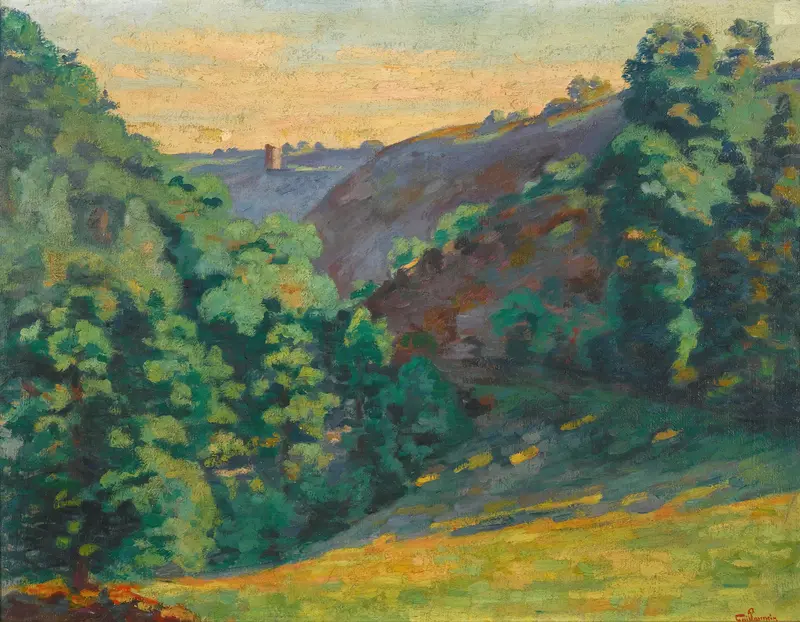
Crozant, Le Ravin De La Sedelle À La Folie
Armand Guillaumin
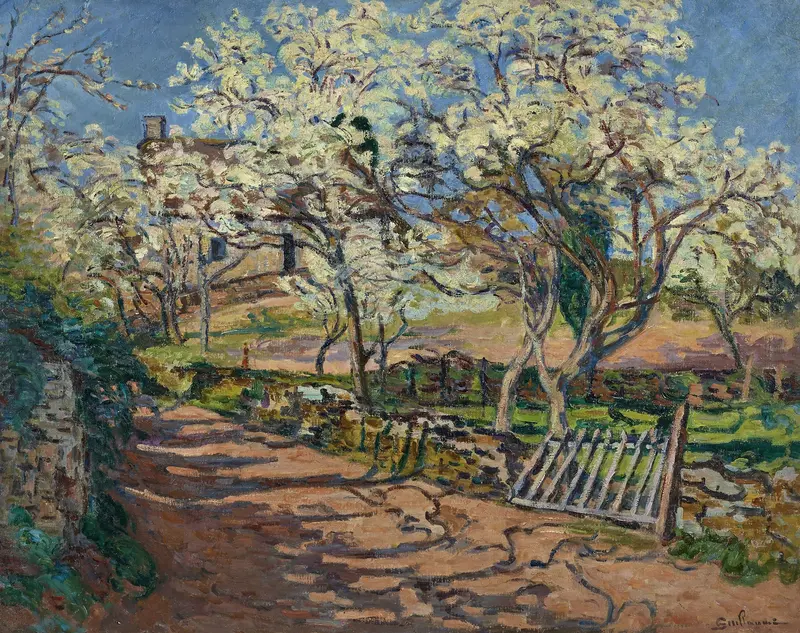
Paysage de Printemps
Armand Guillaumin
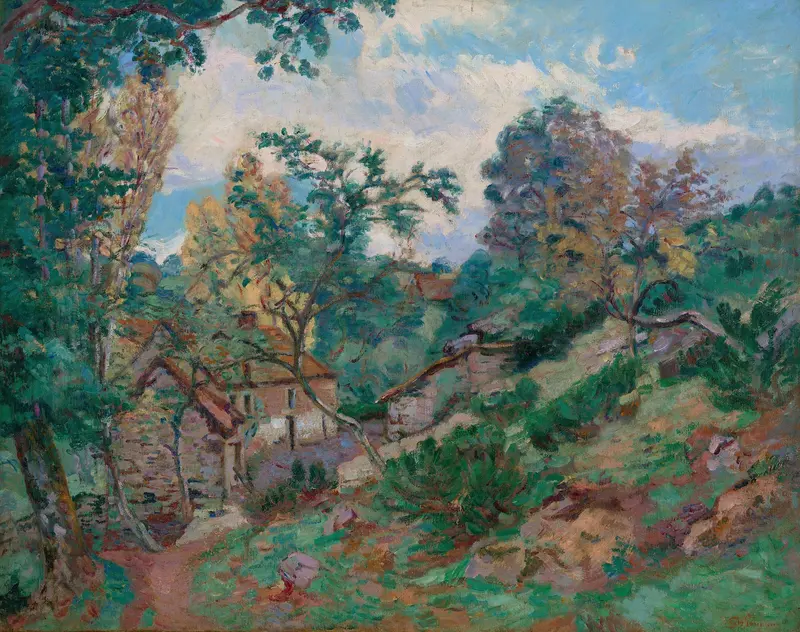
Paysage
Armand Guillaumin
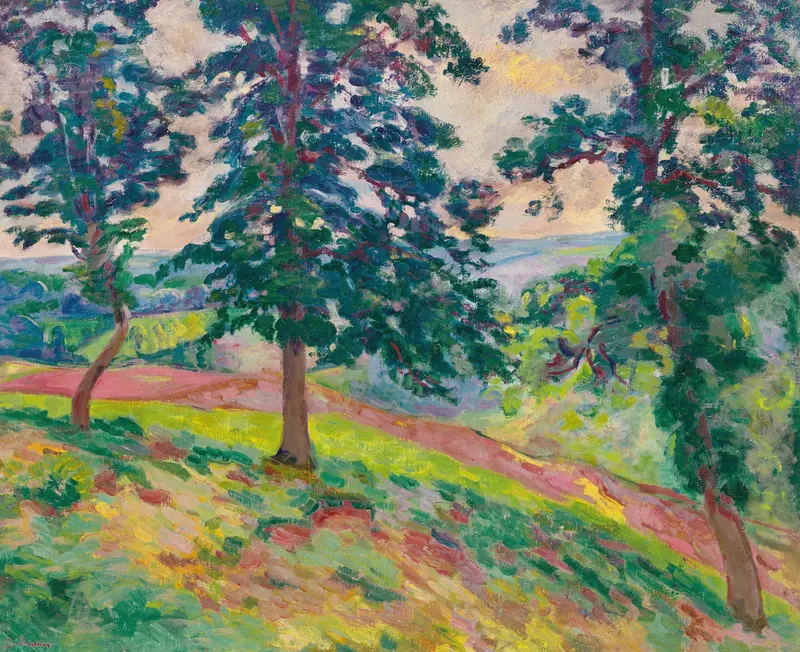
La vallée de la creuse
Armand Guillaumin
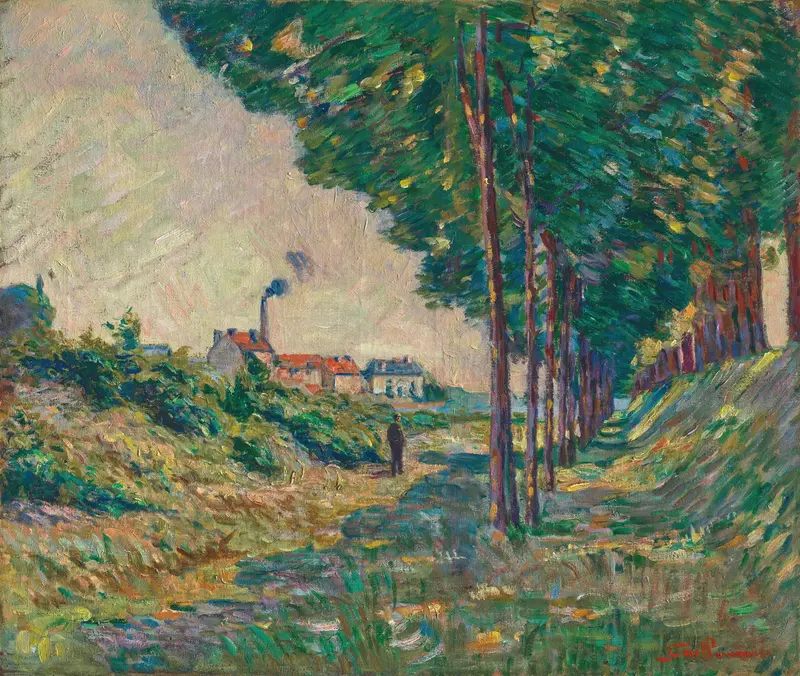
Le chemin de halage à Charenton, Ile de France
Armand Guillaumin
More Landscape Art

The Starry Night
Vincent van Gogh

View of Delft
Johannes Vermeer

Water Lilies
Claude Monet

The Grand Canal, Venice, looking north-west from the Ca' Corner to the Ca' Contarini degli Scrigni, with the campanile of Santa Maria della Carità
Canaletto

Windsor Castle
Canaletto

The Grand Canal looking North-East from the Palazzo Dolfin-Manin to the Rialto Bridge
Canaletto