Soleil couchant, temps brumeux, Pourville — History & Facts
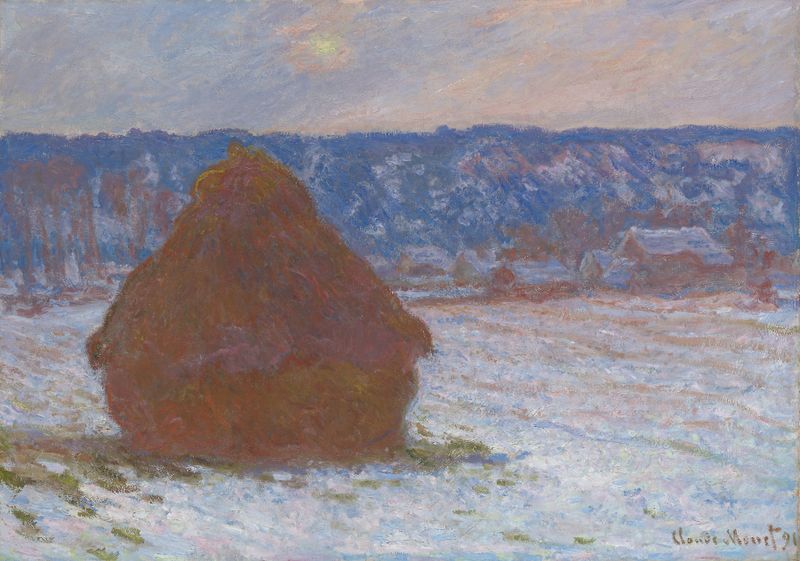
When did color learn to lie? Each brushstroke here holds the weight of hope, whispering tales of a world both real and tenuous. Focus on the horizon, where the sun, a molten orb, sinks into a sea of muted pastels. Notice how the hues blend seamlessly, creating a soft mist that cloaks the distant shore. The composition is inviting yet elusive, evoking the sensation of twilight that teeters on the edge of dreams and reality.
The gentle strokes seem to dance, capturing the movement of waves and the fleeting nature of light, inviting you to linger in this moment as it fades. Delve deeper into the scene's emotional landscape—consider the juxtaposition of warmth and coolness, the way the vibrant orange of the sun contrasts with the tranquil blues and grays of the water. This tension suggests a transition, perhaps a farewell to the day that leaves behind a sense of yearning. Small boats drift along the shore, their presence grounding the ethereal quality of the light, hinting at both solitude and companionship, evoking the bittersweet feeling of an ending intertwined with the promise of renewal. In 1882, Claude Monet painted this piece while living in Pourville-sur-Mer, a quaint seaside village in France.
It was a flourishing period for Impressionism, characterized by a growing movement that celebrated light and color over detail. Monet, inspired by the coastal landscapes and the changing atmosphere, sought to capture the fleeting beauty of nature, reflecting both his admiration for the outdoors and the personal struggles he experienced during this transformative time in his career.