
Solitary Firs — History & Facts
A path winds through a forest that feels both wild and strangely alive, its fir trees rising like sentinels beneath a sky that glows with unnatural color. The trunks and branches twist in bold, rhythmic strokes, their outlines pulsing with energy. Orange and blue clash against deep green, giving the woods a sense of movement and unease, as if the trees themselves are caught in a silent conversation.
Light here is not gentle; it slices through the foliage, picking out unexpected highlights and shadows, guiding the viewer’s eye from the curling path at the bottom to the towering forms above. The mood is restless, almost electric, the palette pushing the familiar into the realm of the uncanny. Painted in 1919, Solitary Firs belongs to the world of Expressionism, where artists like Ernst Ludwig Kirchner sought to capture not just appearances but sensations. In the aftermath of World War I, German painters turned to nature as a way to process upheaval and search for new meaning.
These works were rarely commissioned; instead, they were personal, urgent responses to a changing world. Today, this painting is held in the collection of the Pinakothek der Moderne, a reminder of a moment when the forest became a stage for inner turmoil and hope. Let your eyes wander the twisting path—where does it lead, and what might be waiting just out of sight?
More Artworks by Ernst Ludwig Kirchner
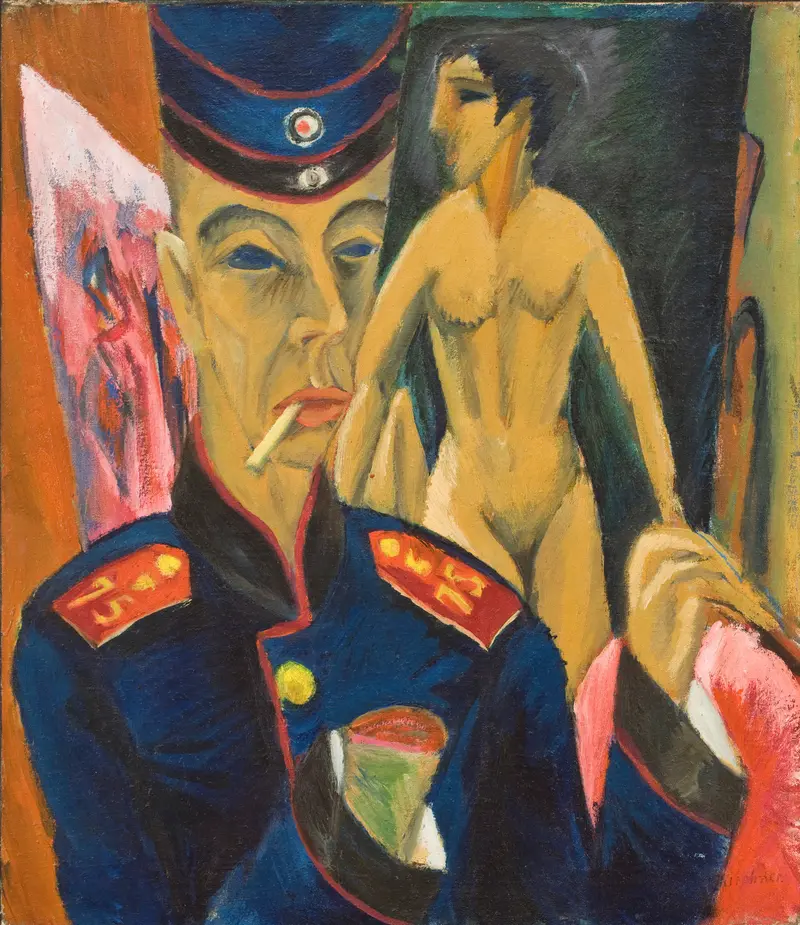
Self-Portrait as a Soldier
Ernst Ludwig Kirchner
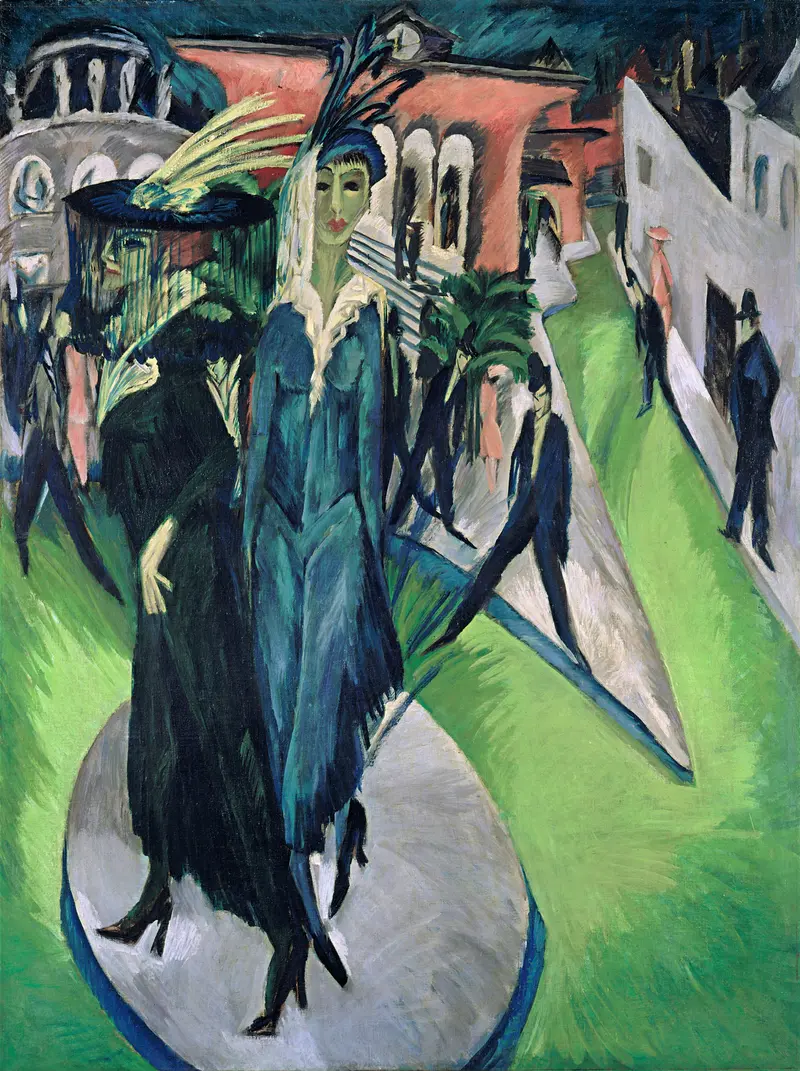
Potsdamer Platz
Ernst Ludwig Kirchner

Alphütten und Tinzenhorn
Ernst Ludwig Kirchner
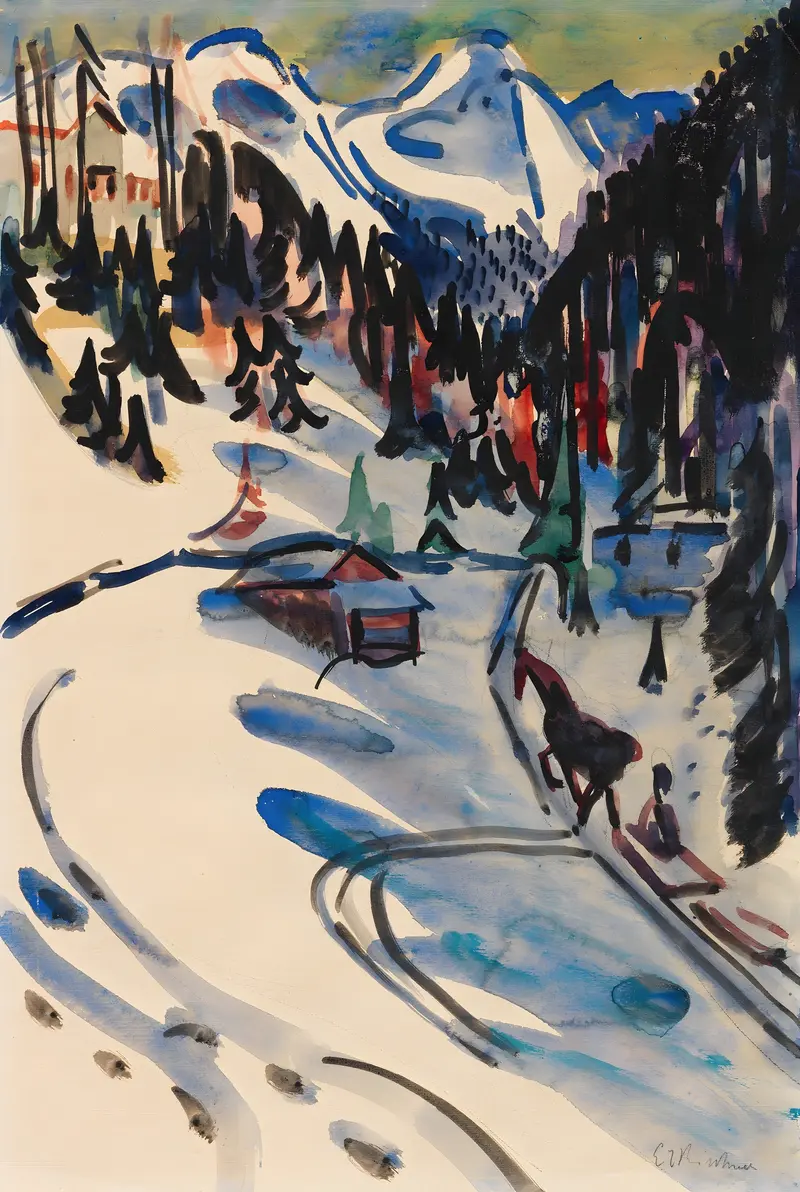
Sertigtal im Winter
Ernst Ludwig Kirchner
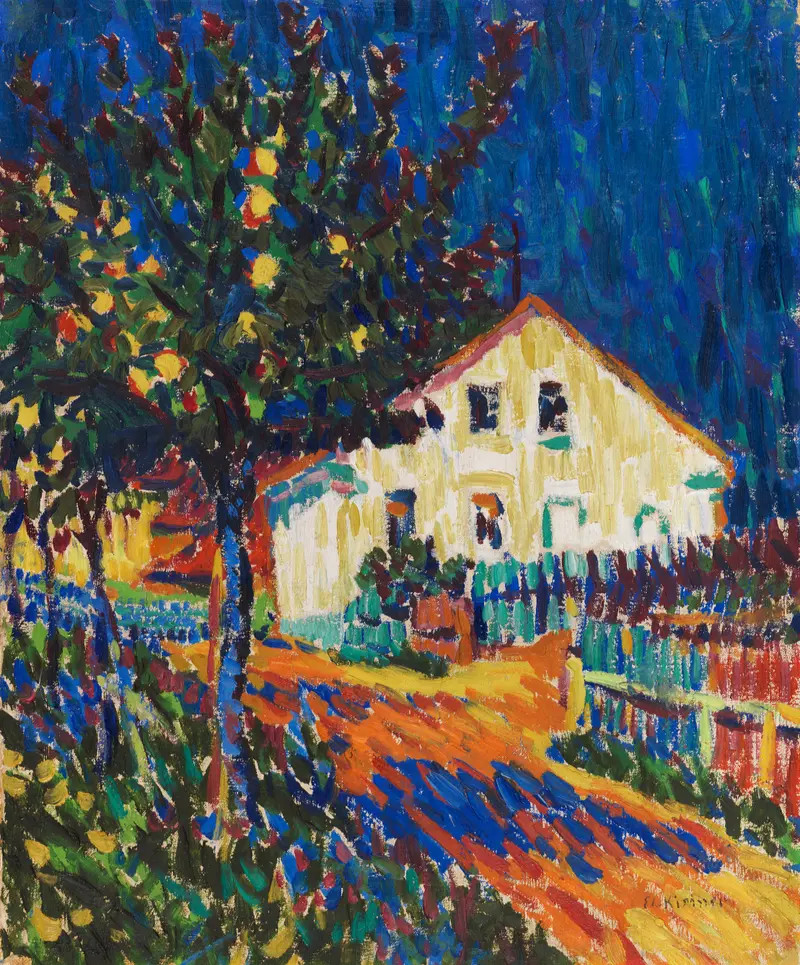
Dorfstraße mit Apfelbäumen
Ernst Ludwig Kirchner
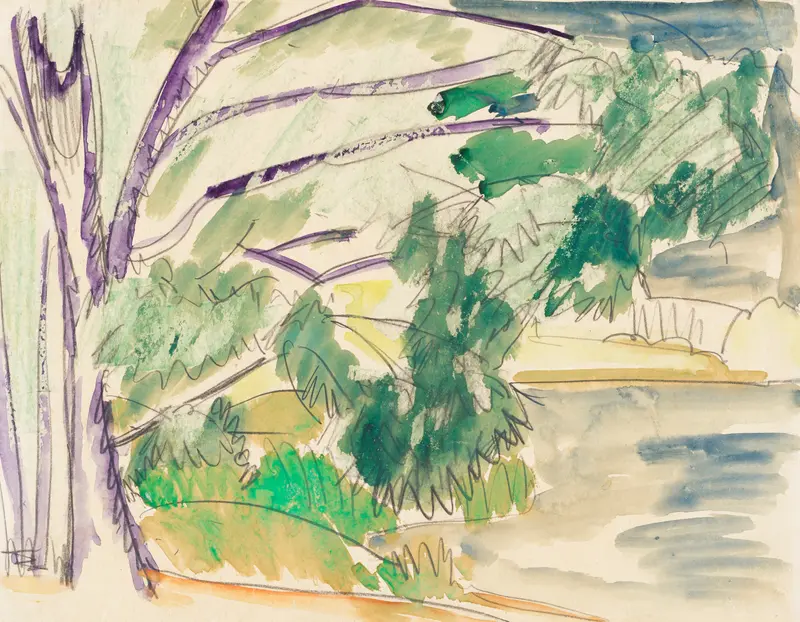
Unter Bäumen am See
Ernst Ludwig Kirchner
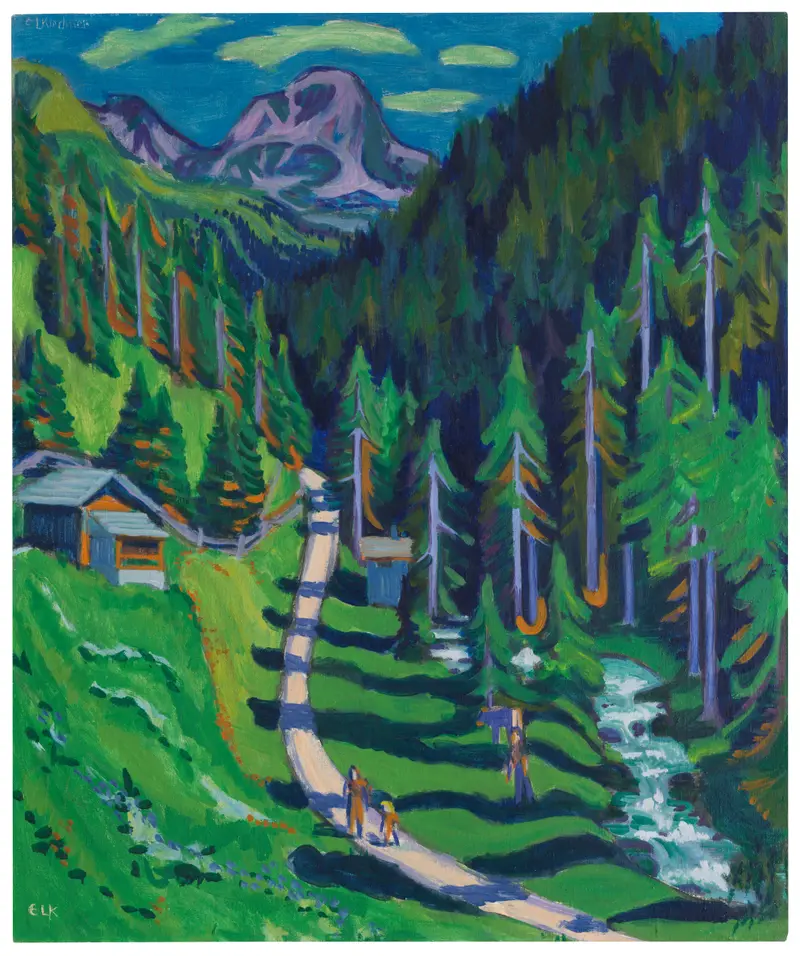
Sertigweg
Ernst Ludwig Kirchner
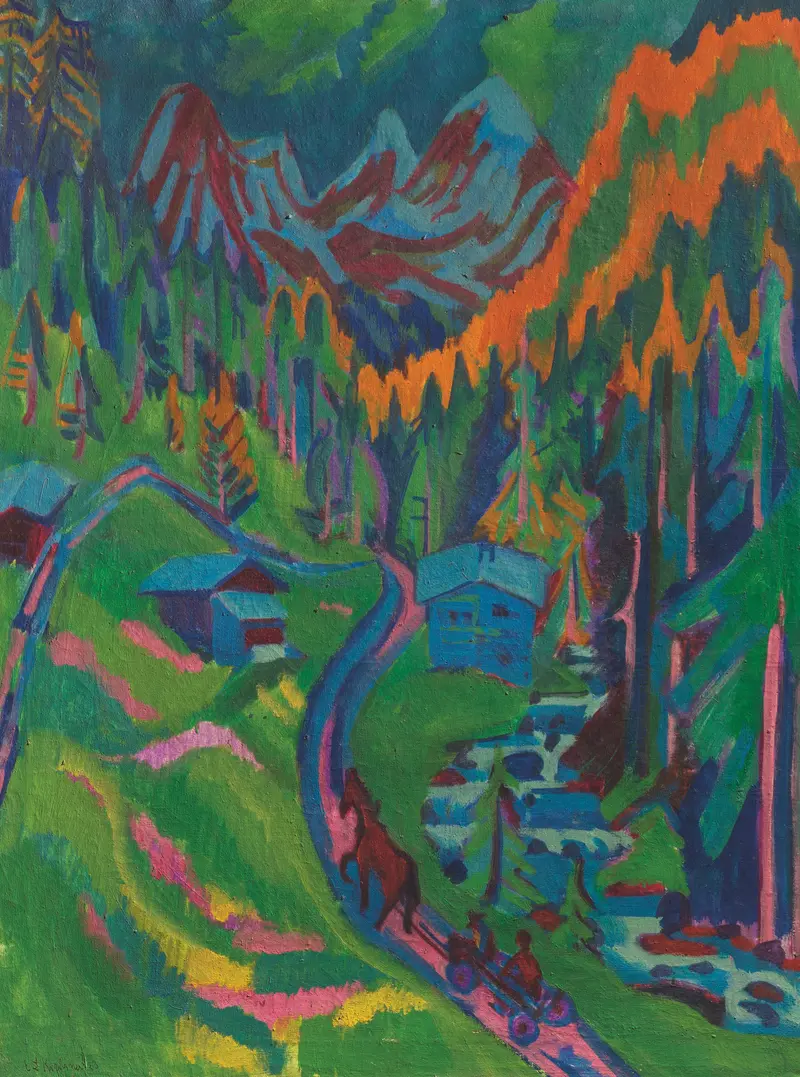
Sertigweg im Sommer
Ernst Ludwig Kirchner
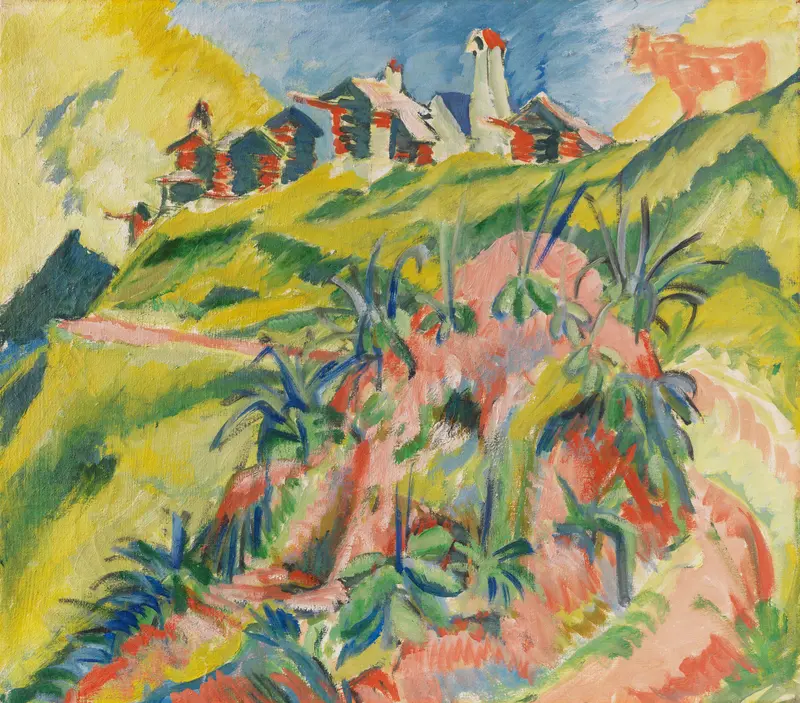
Bergdorf mit rosa Kuh
Ernst Ludwig Kirchner
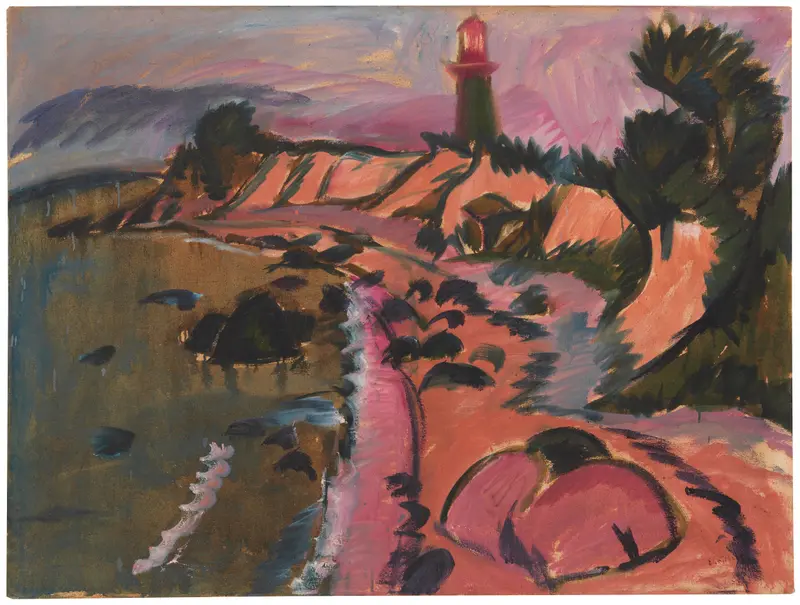
Fehmarnküste mit Leuchtturm
Ernst Ludwig Kirchner
More Landscape Art

The Starry Night
Vincent van Gogh

View of Delft
Johannes Vermeer

Water Lilies
Claude Monet

The Grand Canal, Venice, looking north-west from the Ca' Corner to the Ca' Contarini degli Scrigni, with the campanile of Santa Maria della Carità
Canaletto

Windsor Castle
Canaletto

The Grand Canal looking North-East from the Palazzo Dolfin-Manin to the Rialto Bridge
Canaletto