
Soshu (Suzhou) — History & Facts
What if beauty was never meant to be finished? In the delicate interplay of nature and architecture, one can feel the pulse of time suspended in the stillness of a moment, whispering secrets of both madness and clarity. Look to the left at the intricate bridge, its elegant lines drawing the eye over the tranquil water. Notice the soft gradation of colors; hues of blue and green blend seamlessly, capturing the ethereal light reflecting off the surface. The precision of Hiroshi's woodblock technique creates a rhythmic harmony, while the trees lining the landscape serve as silent sentinels, their forms curving like gentle breaths of wind.
The composition's balance invites contemplation, suggesting a world teetering between reality and dream. As you absorb the details, consider the juxtaposition of the serene water and the intricate architecture, symbolizing the dichotomy of human ambition against the vastness of nature. The muted palette evokes a sense of nostalgia, hinting at the madness of the modern world that yearns to encroach upon these moments of tranquility. Each brushstroke conveys a longing for connection, while the shadowed corners urge the viewer to confront the tensions between progress and preservation. In 1940, Soshu (Suzhou) emerged from Yoshida Hiroshi’s studio as he navigated the complexities of a tumultuous era in Japan.
The world was on the brink of war, yet his focus remained on the beauty of cultural heritage and the elegance of traditional landscapes. This work captures not only a moment in time but also the artist’s belief in the importance of preserving beauty amidst chaos, reflecting his deep appreciation for the delicate balance of nature and mankind.
More Artworks by Yoshida Hiroshi
Browse all →
Crytomeria Avenue (Sugi Namiki)
Yoshida Hiroshi
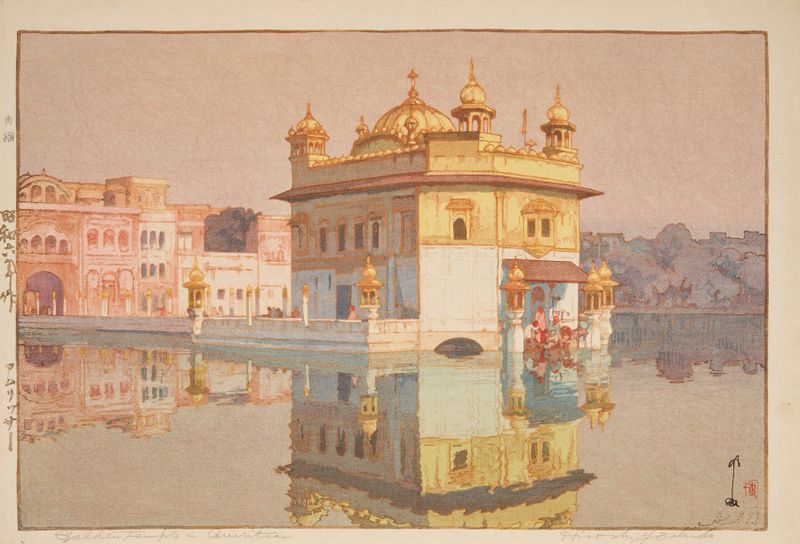
Amurissaa (Golden Temple in Amritsar)
Yoshida Hiroshi

High Gate in Ajmer (Ajumeru no Berenderuwajaa)
Yoshida Hiroshi

Fujiyama from Gotemba
Yoshida Hiroshi
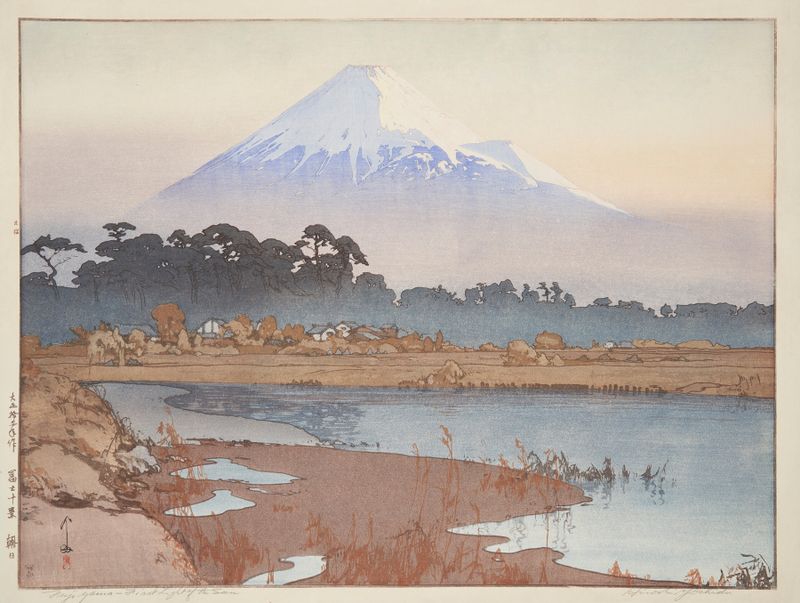
Asahi (Sunrise).
Yoshida Hiroshi
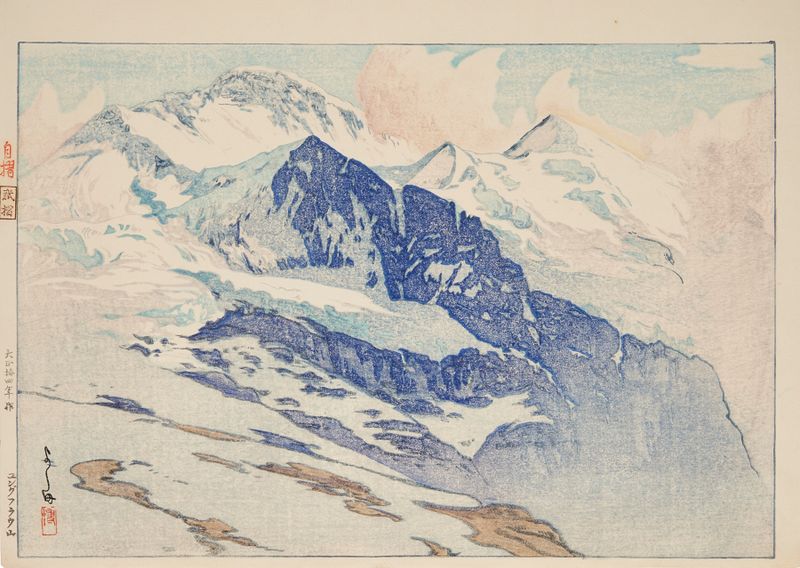
Yungufurau-yama (Jungfrau)
Yoshida Hiroshi
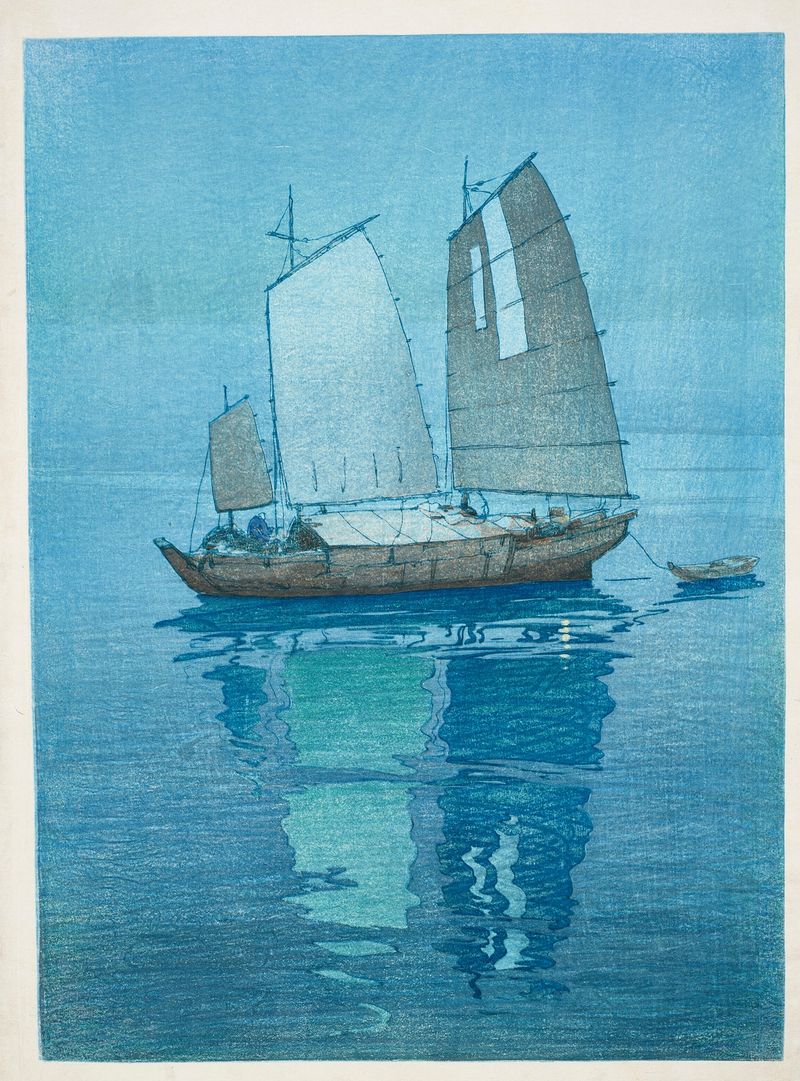
Hansen (Sailing Boats)
Yoshida Hiroshi
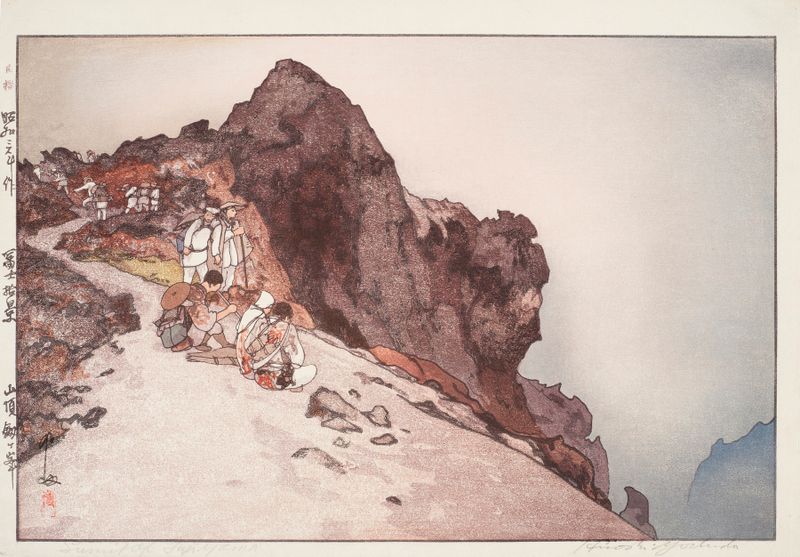
Summit of Mount Fuji
Yoshida Hiroshi

Sailing Boats — Night, from the series ‘The Seto Inland Sea’
Yoshida Hiroshi
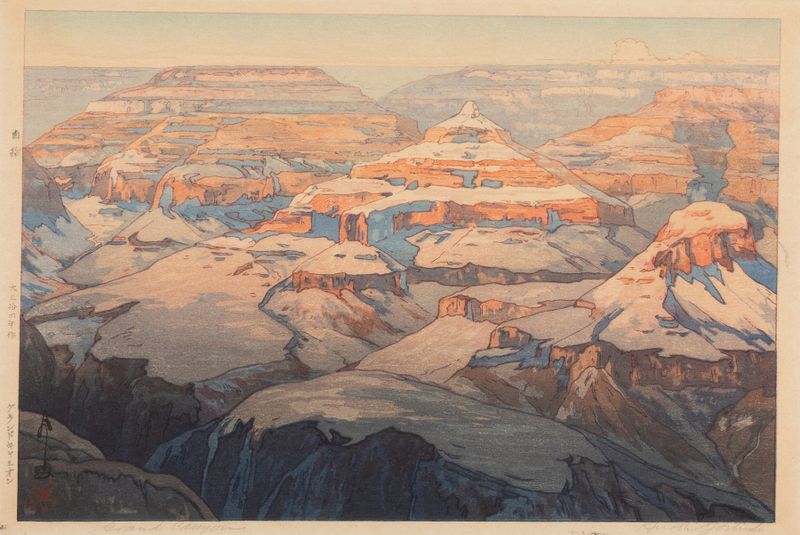
Grand Canyon (Gurando Kyanion)
Yoshida Hiroshi
More Architecture Art
Browse all →
The statue of Liberty
Frédéric Auguste Bartholdi

View of Houses in Delft, Known as ‘The Little Street’
Johannes Vermeer

View of Houses in Delft, Known as ‘The Little Street’
Johannes Vermeer

The Cathedral in Rouen. The portal, Grey Weather
Claude Monet

The yellow house
Vincent van Gogh

The Church in Auvers-sur-Oise, View from the Chevet
Vincent van Gogh