
South portico to St Gudule’s church at Brussels — History & Facts
In the quiet interplay of light and shadow, a moment of serenity unfolds, inviting viewers to pause and reflect amidst the clamor of life. Focus on the soft illumination cascading down from the arched portico, where the warm tones of aged stone blend seamlessly with the cool blues of the surrounding atmosphere. Notice how the intricate details of the architecture draw the eye, leading you inward, almost as if beckoning you to step into its embrace. The contrast between light and shadow is masterfully crafted, revealing the textures of each sculpted figure and the historical weight they carry. Beyond mere representation lies an exploration of the sacred and the mundane.
The juxtaposition of light piercing through the archway evokes a sense of hope, while the presence of the stoic figures hints at an unyielding vigilance over time's passage. Each element contributes to an overarching dialogue about faith, permanence, and the ephemeral nature of existence, inviting the viewer into a contemplative space. François Stroobant painted this work between 1852 and 1878, a period marked by a growing interest in architectural studies and a shift towards realism in Belgian art. Living in Brussels during a time of political and social change, he sought to capture not only the physical beauty of structures like the South portico but also their emotional resonance in the world around him.
Stroobant's focus on light reflects his deep understanding of the transformative power of architecture in human experience.
More Artworks by François Stroobant
Browse all →
Interior of the church of Notre Dame du Sablon at Brussels
François Stroobant
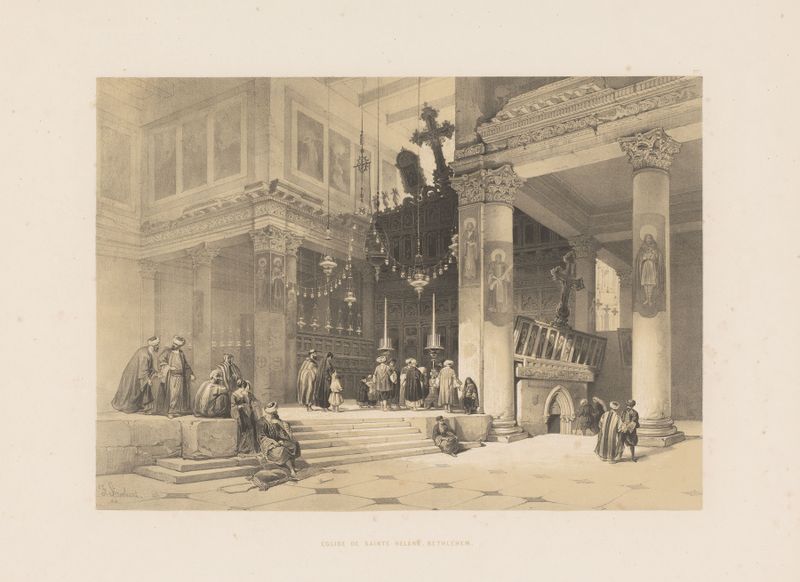
Église de sainte Hélène. Bethléhem
François Stroobant
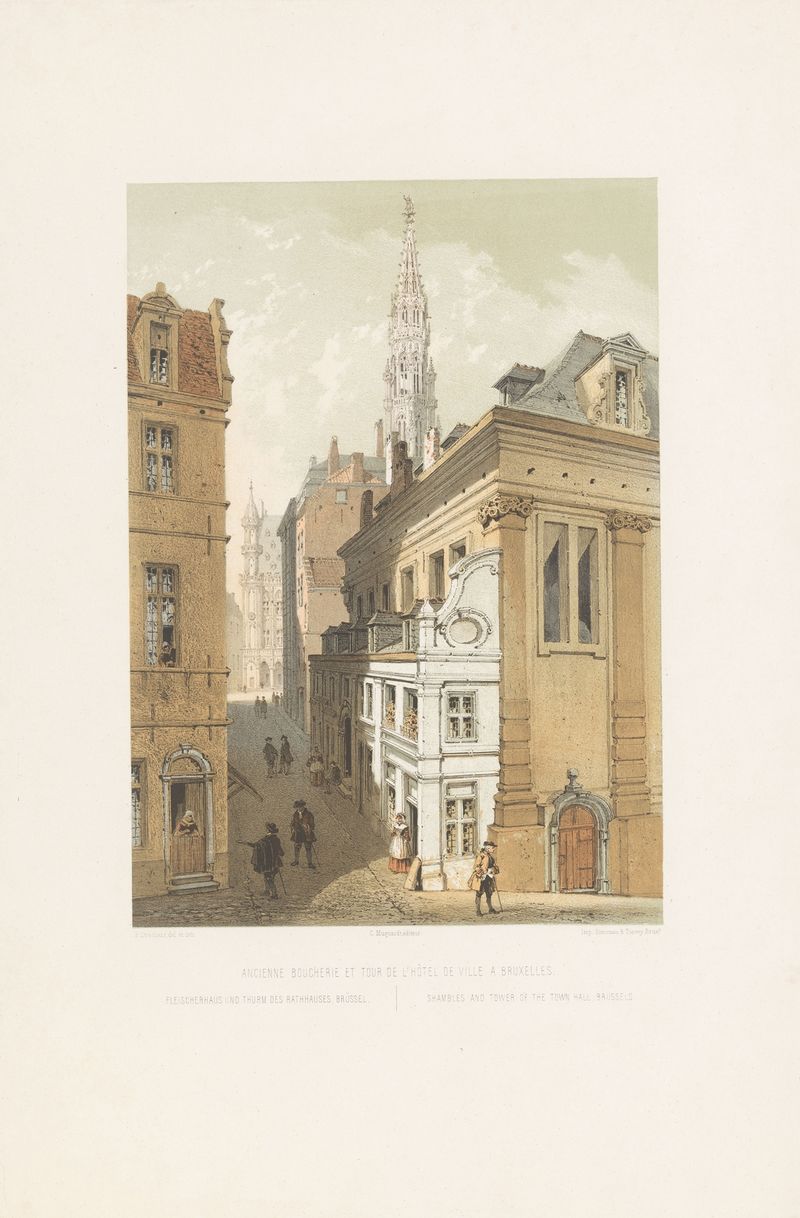
Shambles and tower of the town hall, Brussels
François Stroobant

Intérieur de l’église Grecque du Saint-Sépulcre
François Stroobant
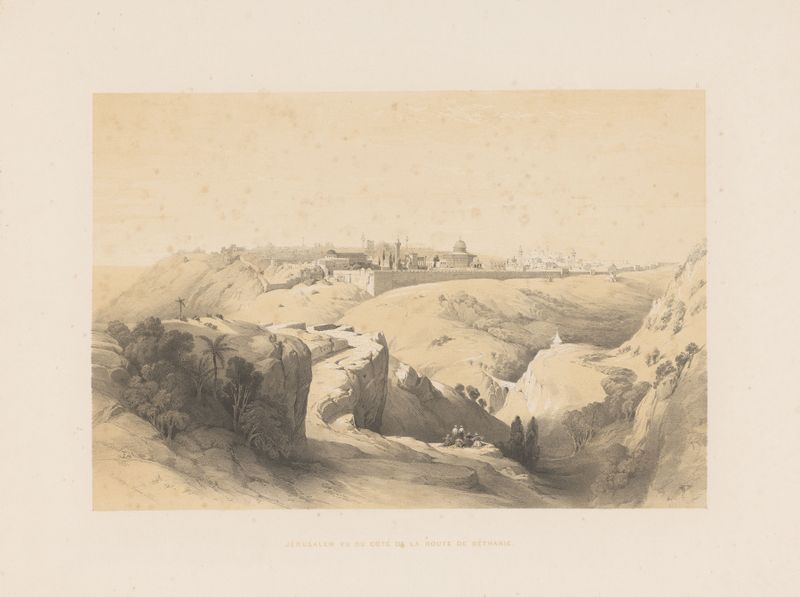
Jérusalem vu du coté de la route de Béthanie
François Stroobant

Le tabernacle du Saint-Sépulcre
François Stroobant

Town hall Brussels
François Stroobant

Fontaine de Jacob à Sichem
François Stroobant
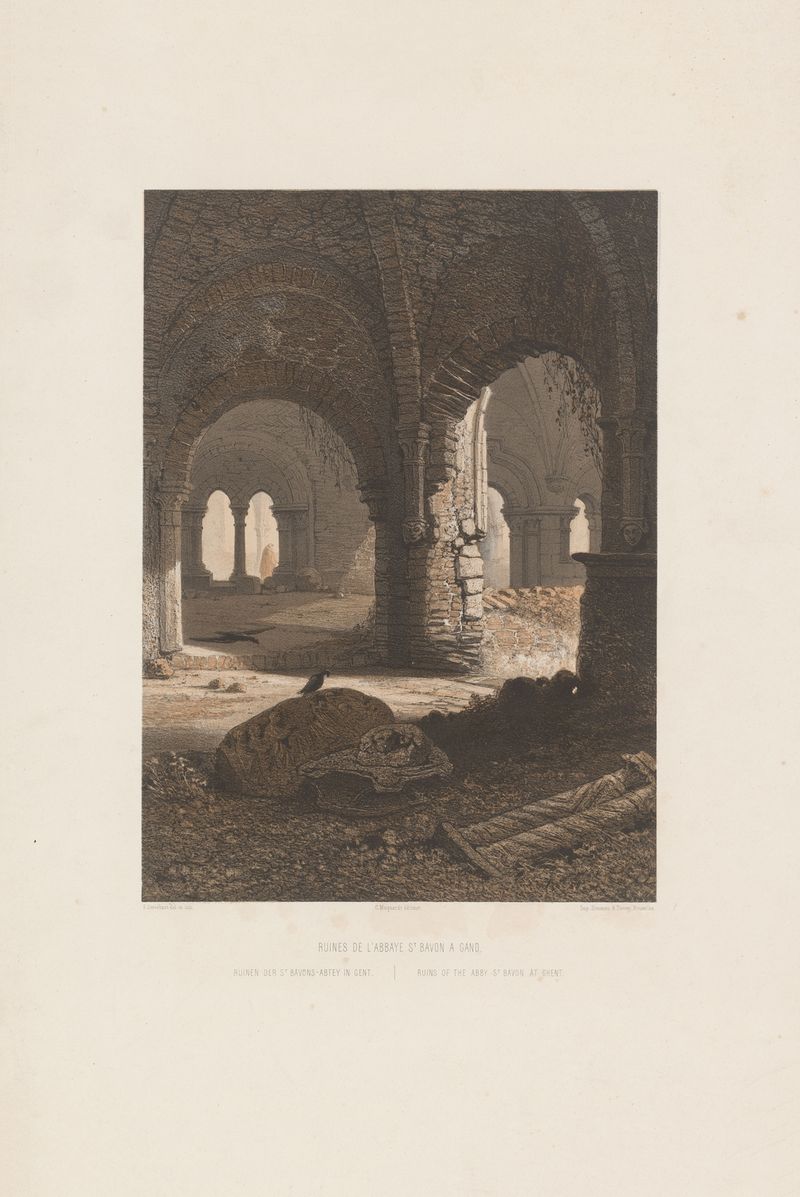
Ruins of the abby St Bavon at Ghent
François Stroobant

Vue de Naplouse
François Stroobant
More Architecture Art
Browse all →
The statue of Liberty
Frédéric Auguste Bartholdi

View of Houses in Delft, Known as ‘The Little Street’
Johannes Vermeer

View of Houses in Delft, Known as ‘The Little Street’
Johannes Vermeer

The Cathedral in Rouen. The portal, Grey Weather
Claude Monet

The yellow house
Vincent van Gogh

The Church in Auvers-sur-Oise, View from the Chevet
Vincent van Gogh