
Southend Pier — History & Facts
Is this a mirror — or a memory? The tranquility of Southend Pier captures the essence of fleeting beauty, inviting viewers to ponder the nature of presence and nostalgia. Look to the left at the delicate interplay of water and sky, where soft hues of blue and grey blend seamlessly, creating a dreamlike atmosphere. Notice how the light reflects upon the water's surface, capturing a moment of serene stillness. The pier, stretching into the horizon, draws the eye and serves as a bridge between the tangible and the ephemeral.
Whistler's masterful use of tonality evokes a sense of calm, allowing the painting to resonate with both simplicity and complexity. Beneath this calm exterior lies an exploration of solitude and time—how the pier stands both as a place of gathering and a reminder of absence. The distant figures, barely discernible, suggest the presence of life, yet they are shrouded in the mist, emphasizing the fleeting nature of human connection. In this way, the artwork reflects not just a seaside scene but also an introspective journey, urging us to confront our own memories and the beauty that often lingers just out of reach. During the years Southend Pier was created, from 1882 to 1884, Whistler was deeply engaged in the aesthetic movement, advocating for art as a pure expression of beauty.
Living in London, he was at the forefront of a cultural shift that prioritized visual harmony over narrative. This painting, rooted in his belief in artistic unity, captures a moment that transcends time, inviting viewers to find their own reflections within its delicate strokes.
More Artworks by James Abbott McNeill Whistler
Browse all →
Nocturne in Blue and Silver
James Abbott McNeill Whistler
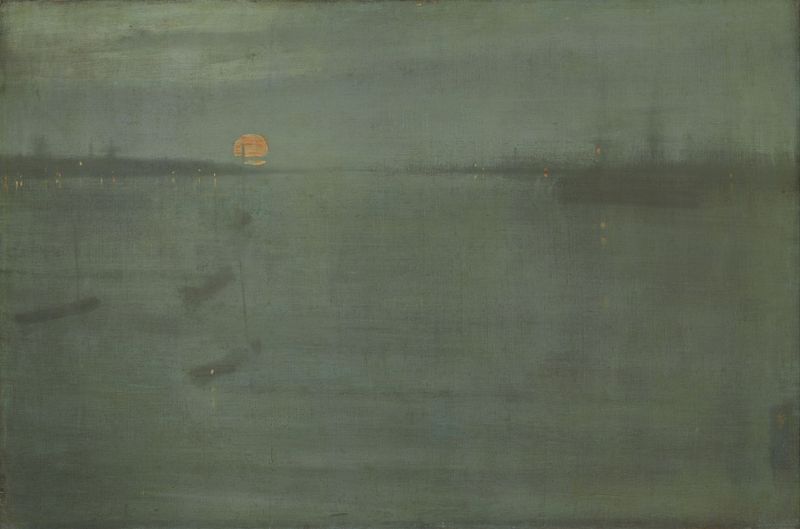
Nocturne: Blue and Gold–Southampton Water
James Abbott McNeill Whistler
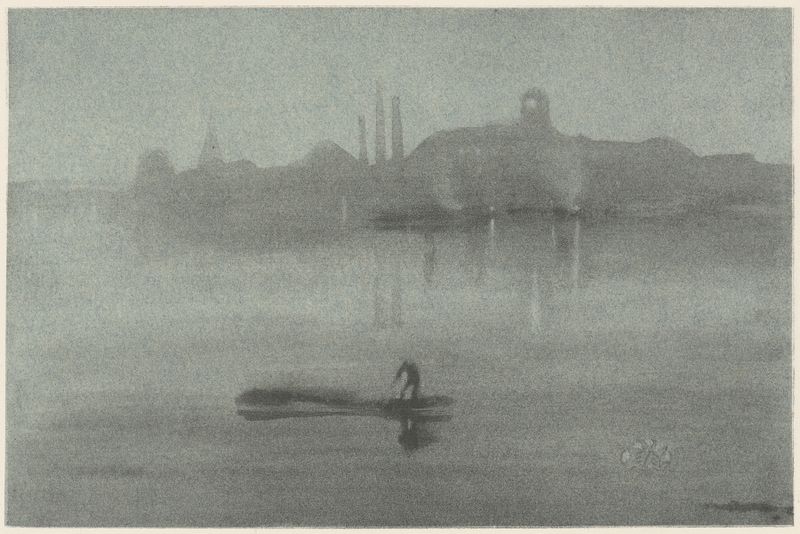
Nocturne
James Abbott McNeill Whistler
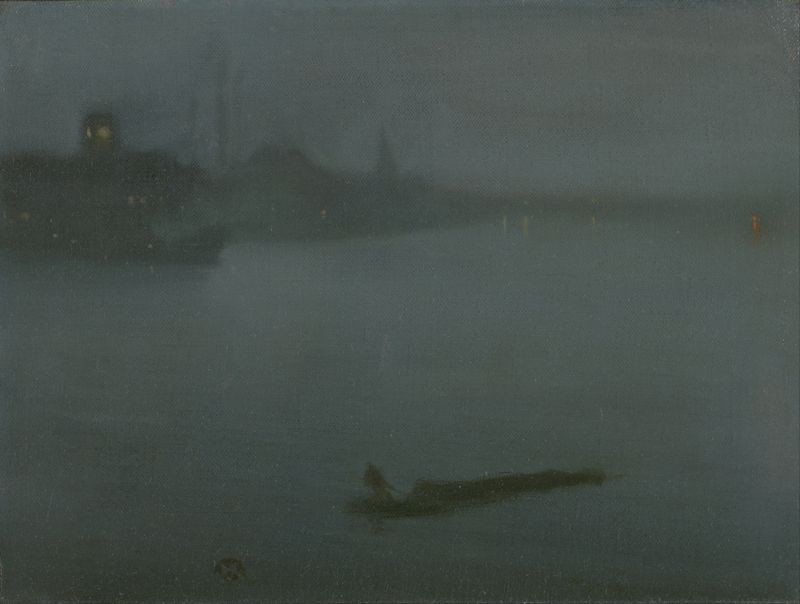
Nocturne in Blue and Silver
James Abbott McNeill Whistler
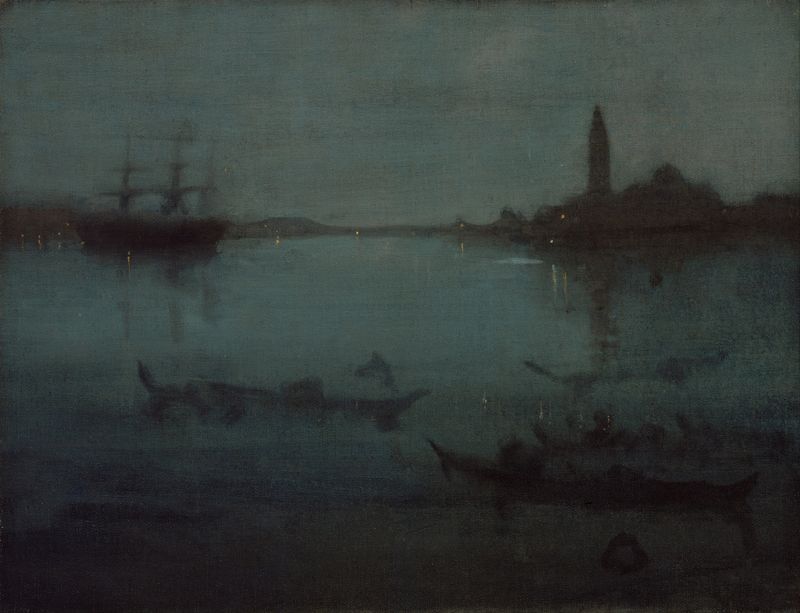
Nocturne in Blue and Silver- The Lagoon, Venice
James Abbott McNeill Whistler
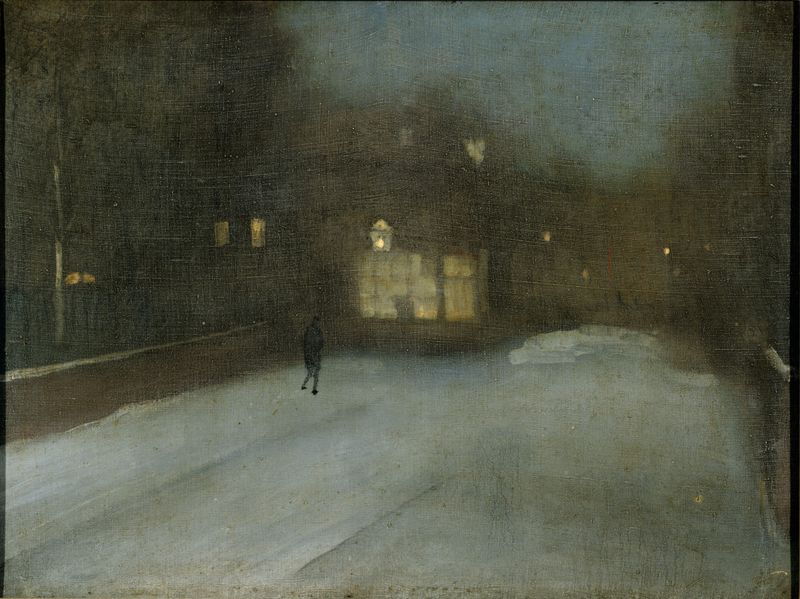
Nocturne in Grey and Gold: Chelsea Snow
James Abbott McNeill Whistler
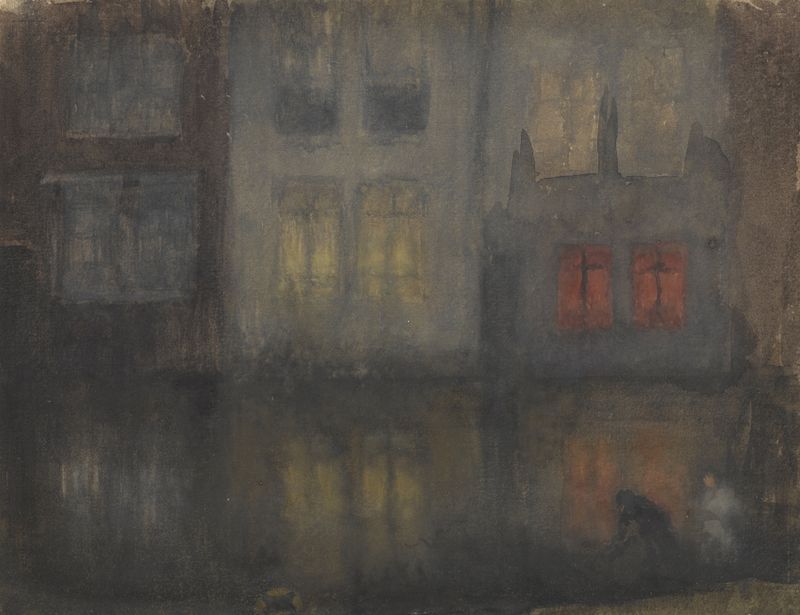
Nocturne: Black and Red—Back Canal, Holland
James Abbott McNeill Whistler
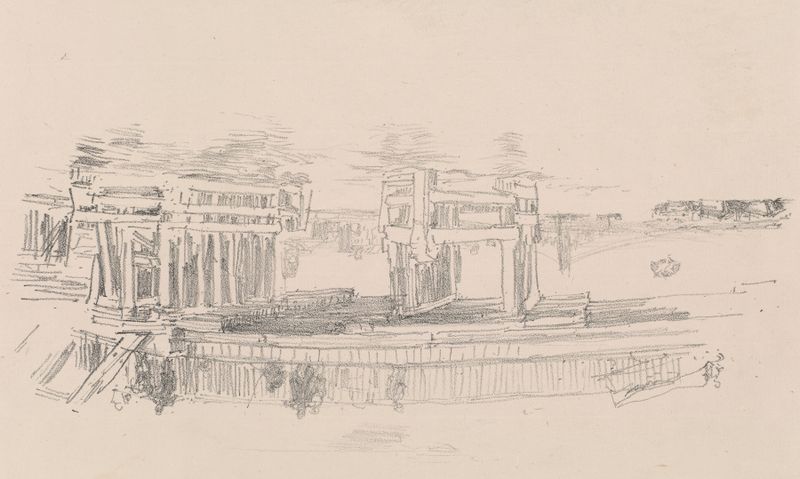
Old Battersea Bridge
James Abbott McNeill Whistler

Nocturne: Blue and Silver–Battersea Reach
James Abbott McNeill Whistler
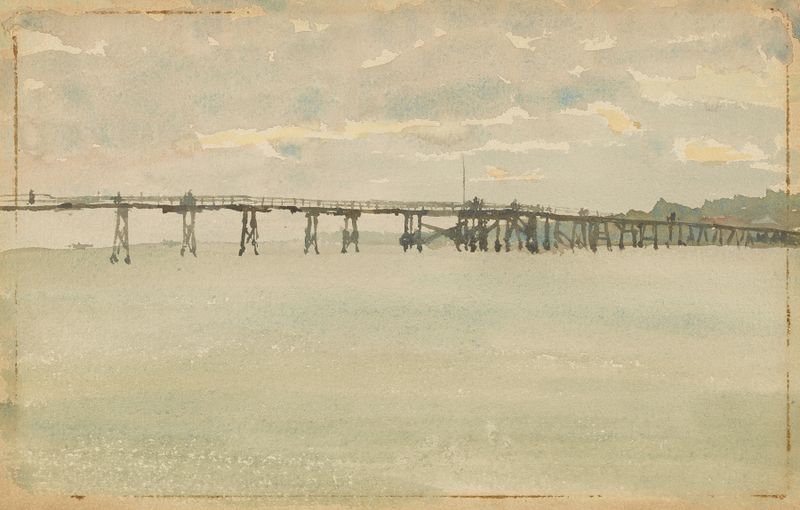
Grey and Silver–Pier, Southend
James Abbott McNeill Whistler




