
Southend–The Pleasure Yacht — History & Facts
Is this a mirror — or a memory? In Southend – The Pleasure Yacht, the viewer is invited into a realm where reflections and reality coalesce, challenging the boundaries of perception. Focus on the elegant juxtaposition of the yacht's white sails against the dark, amorphous waters. The artist employs a delicate palette of blues and grays, weaving together the atmosphere of tranquility and the soft caress of twilight. Notice how the light dances upon the water's surface, revealing intricate ripples that seem to echo the movement of the boat.
The composition draws the eye toward the horizon, where the sky meets the sea, creating a serene yet unsettling balance. Beneath this serene façade lies a tension between leisure and isolation. The solitary yacht, adorned with billowing sails, symbolizes both freedom and the potential for solitude, reflecting the duality of human experience. The calm waters suggest peace, yet the emptiness of the scene speaks to a profound loneliness.
Each detail, from the subtle interplay of light to the gentle curves of the yacht, serves to highlight this intricate relationship between joy and melancholy. During the years 1882 to 1884, Whistler created this piece while living in London, amidst an artistic climate that was evolving rapidly. Known for his innovative approaches to color and composition, he was at the forefront of the Aesthetic Movement, advocating for art as a means of beauty rather than narrative. It was a pivotal time for him, grappling with both personal challenges and the shifting tides of the art world.
More Artworks by James Abbott McNeill Whistler
Browse all →
Nocturne in Blue and Silver
James Abbott McNeill Whistler
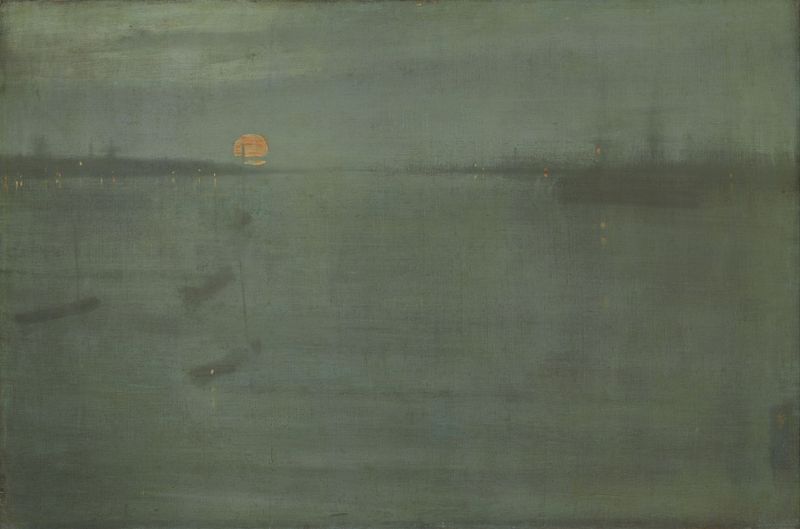
Nocturne: Blue and Gold–Southampton Water
James Abbott McNeill Whistler
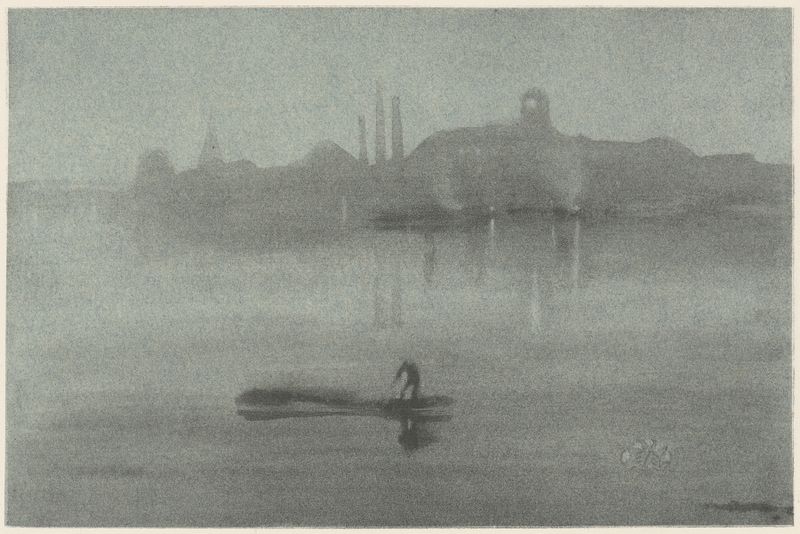
Nocturne
James Abbott McNeill Whistler
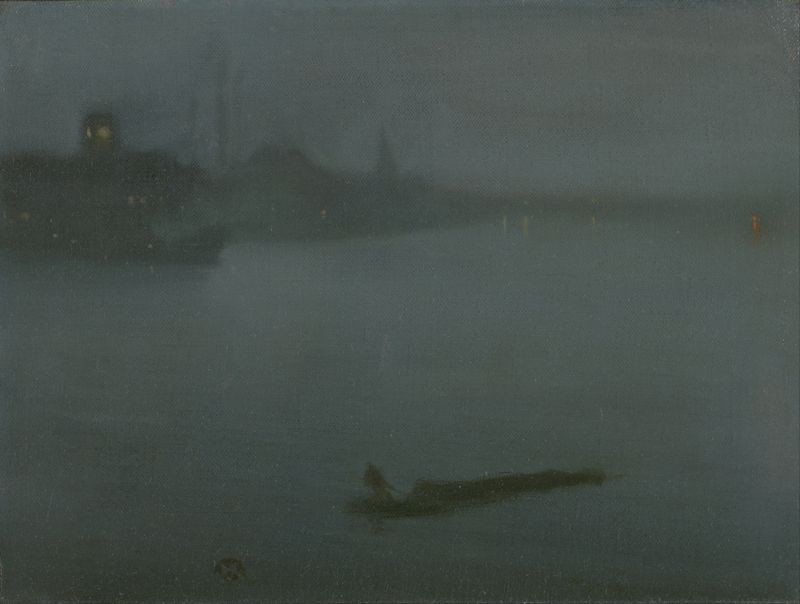
Nocturne in Blue and Silver
James Abbott McNeill Whistler
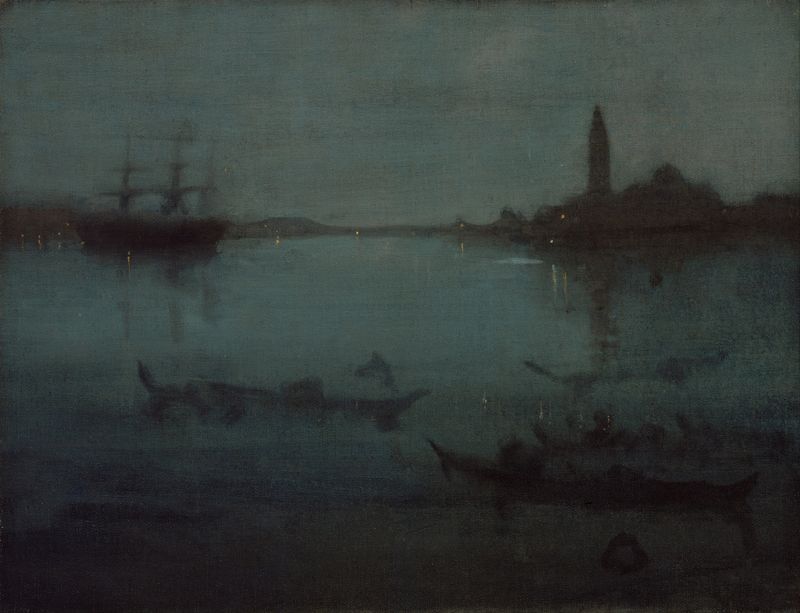
Nocturne in Blue and Silver- The Lagoon, Venice
James Abbott McNeill Whistler
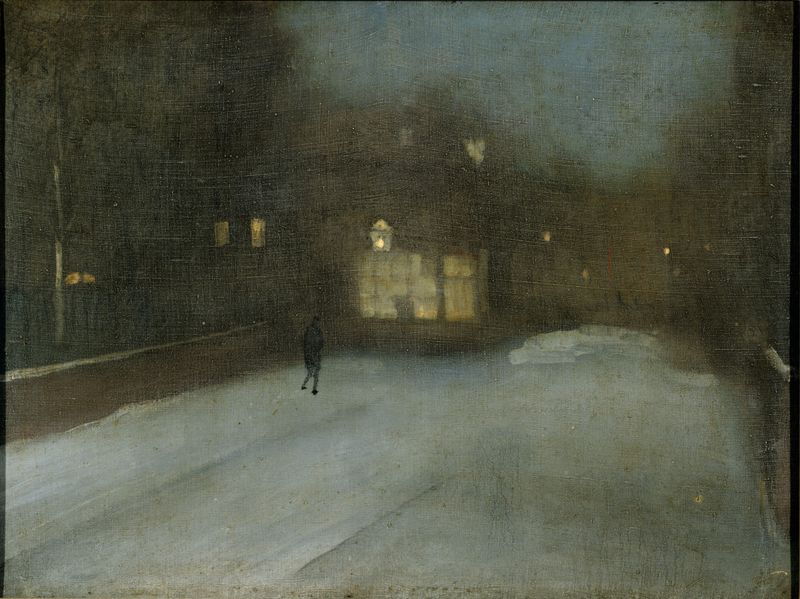
Nocturne in Grey and Gold: Chelsea Snow
James Abbott McNeill Whistler
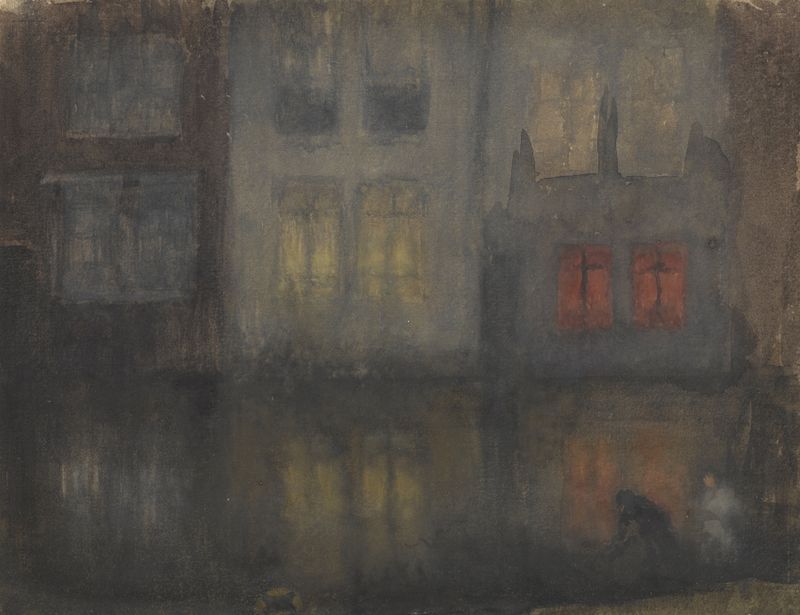
Nocturne: Black and Red—Back Canal, Holland
James Abbott McNeill Whistler
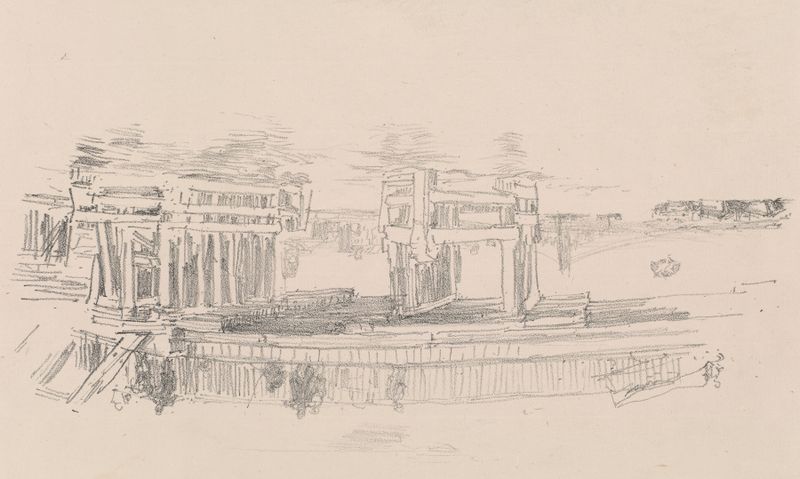
Old Battersea Bridge
James Abbott McNeill Whistler

Nocturne: Blue and Silver–Battersea Reach
James Abbott McNeill Whistler
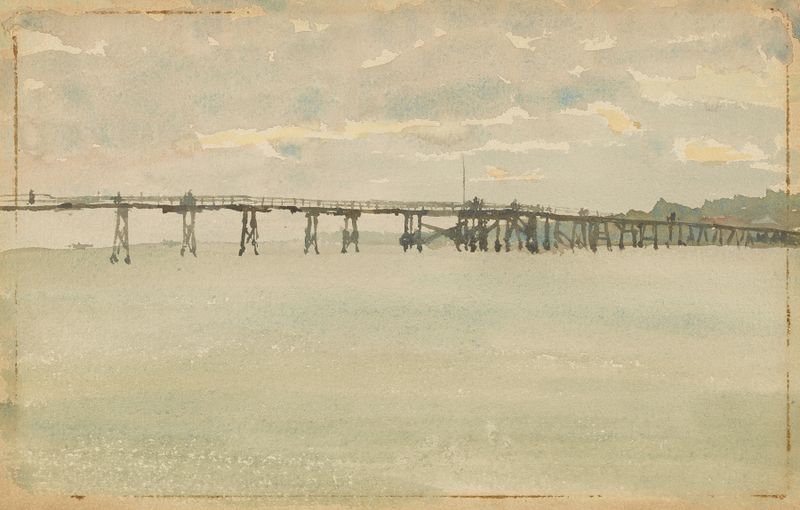
Grey and Silver–Pier, Southend
James Abbott McNeill Whistler




