
Spaziergänger am Mönchsberg mit Blick auf die Müllner Kirche — History & Facts
Art reveals the soul when the world turns away. In this quiet moment, we are invited into a dreamscape where nature and humanity intertwine, beckoning us to ponder the weight of existence beyond the everyday. Focus first on the figures walking along the Mönchsberg, their gentle silhouettes etched against the luminous backdrop. Notice how the artist masterfully employs soft yet vibrant colors to capture the lush terrain bathed in the golden light of dusk.
The towering trees frame the scene, their leaves whispering secrets to the wind, while the distant church steeple rises gracefully, a testament to the harmony between the sacred and the mundane. Hidden within this tranquil vista lies a tension between movement and stillness. The figures, though advancing, seem almost suspended in time, embodying the fleeting nature of life. The serene landscape contrasts with the looming presence of the church, suggesting a dialogue between the earthly journey and spiritual aspiration.
Each brushstroke carries an invitation to reflect on the intersections of community, faith, and the natural world. The painting emerged during a period of exploration and introspection for its creator, who was deeply influenced by the landscapes of Austria in the late 19th century. Living in a time when the art world was embracing both realism and impressionism, the artist sought to harmonize these elements, capturing the essence of place and human experience, while also responding to the changing cultural landscape around him.
More Artworks by Edward Theodore Compton
Browse all →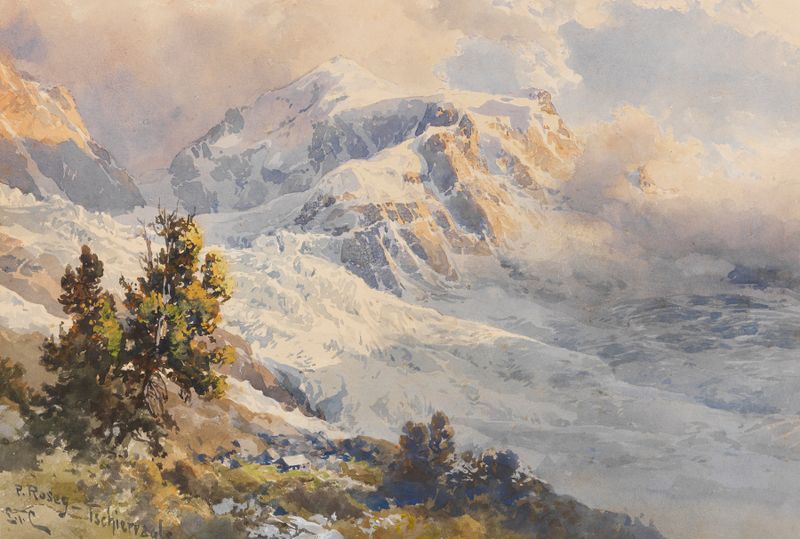
Piz Roseg – Tschiervagletscher
Edward Theodore Compton
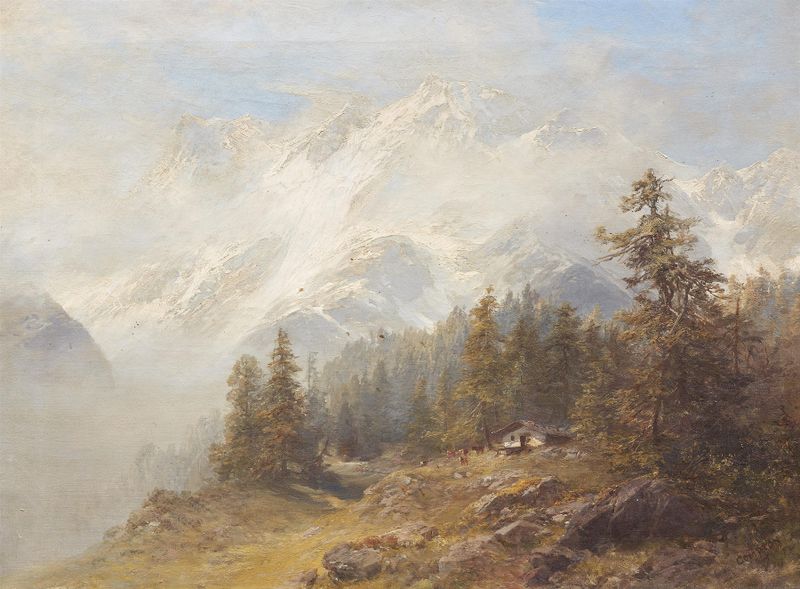
Alpenlandschaft vor schneebedecktem Massiv
Edward Theodore Compton
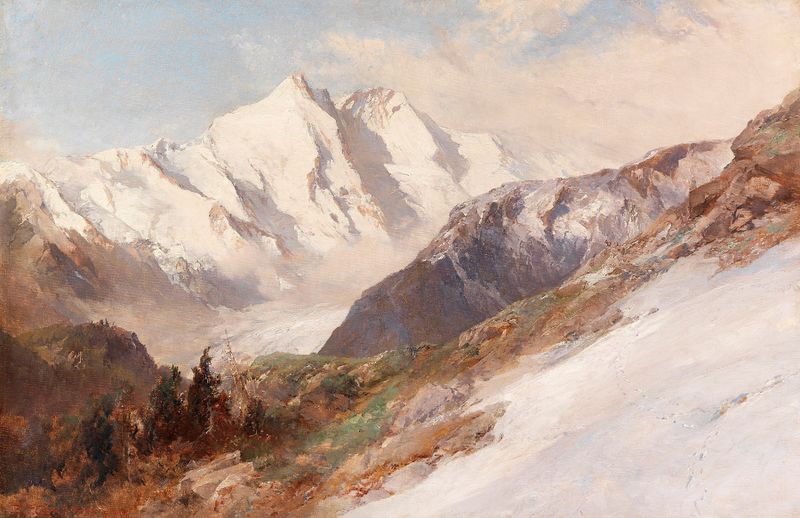
Blick auf die Nordseite des Großglockners
Edward Theodore Compton
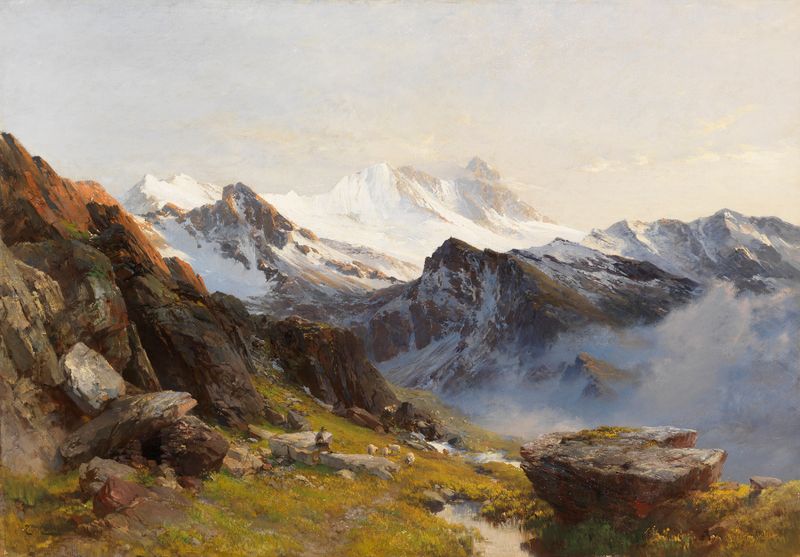
Großglockner von der Prager Hütte aus, früh
Edward Theodore Compton
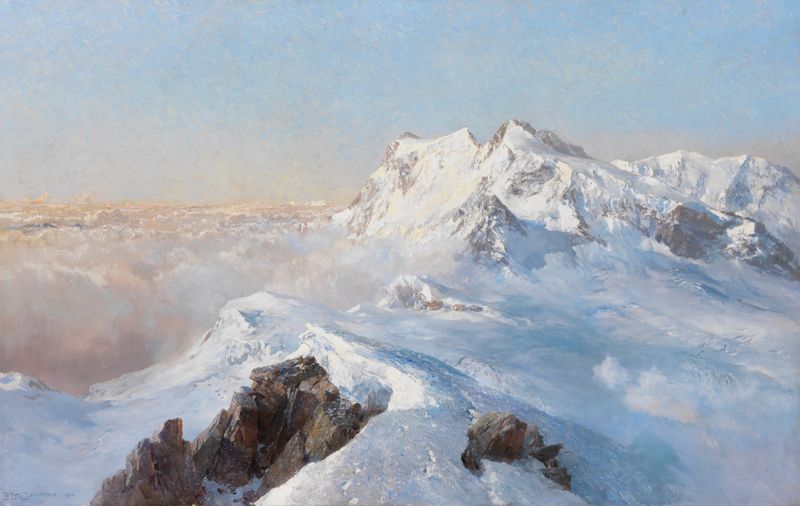
Über dem Nebelmeer (Monte Rosa vom Rimpfischhorn)
Edward Theodore Compton
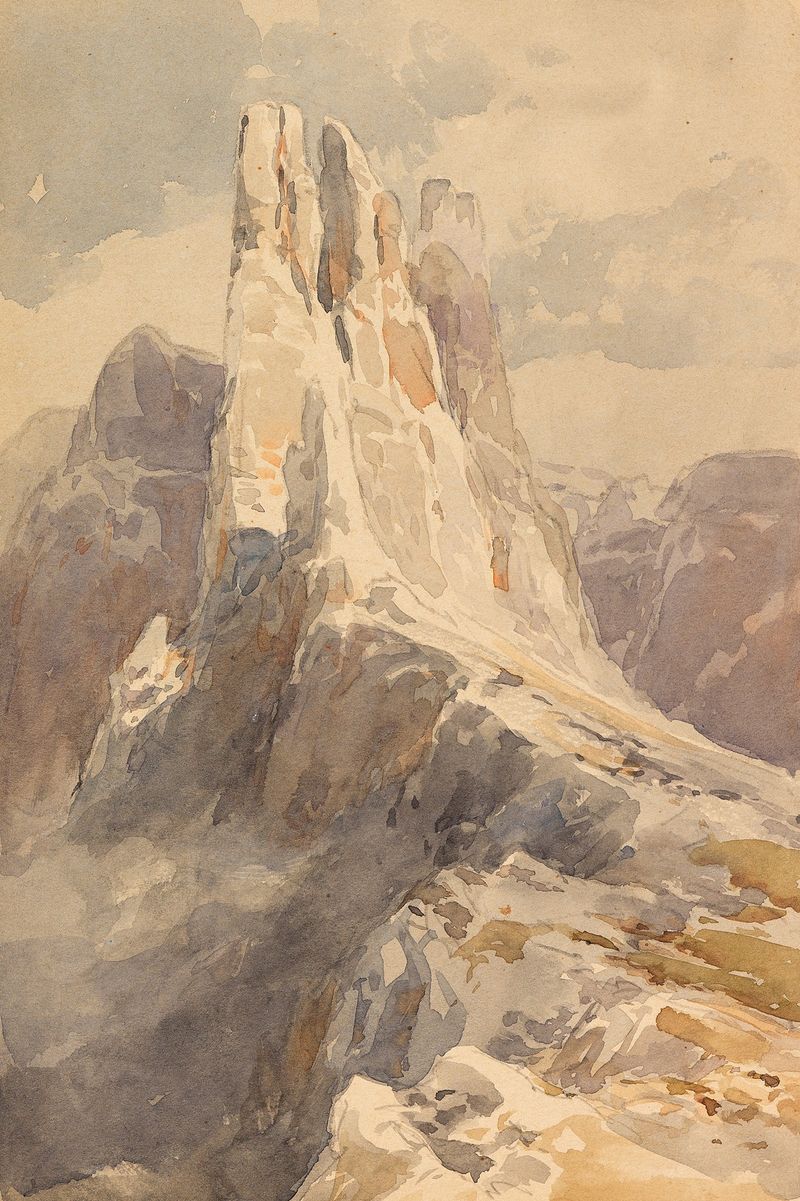
Blick auf die Vajolet-Türme in den Dolomiten
Edward Theodore Compton
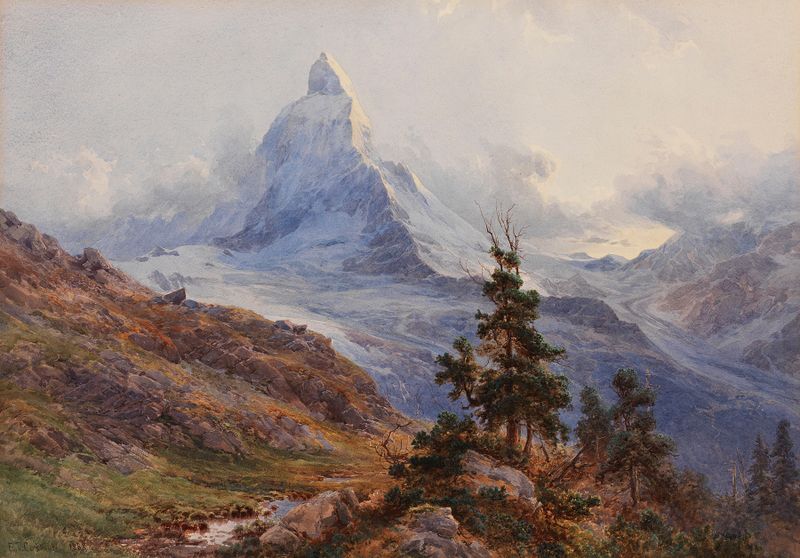
View of the Matterhorn
Edward Theodore Compton
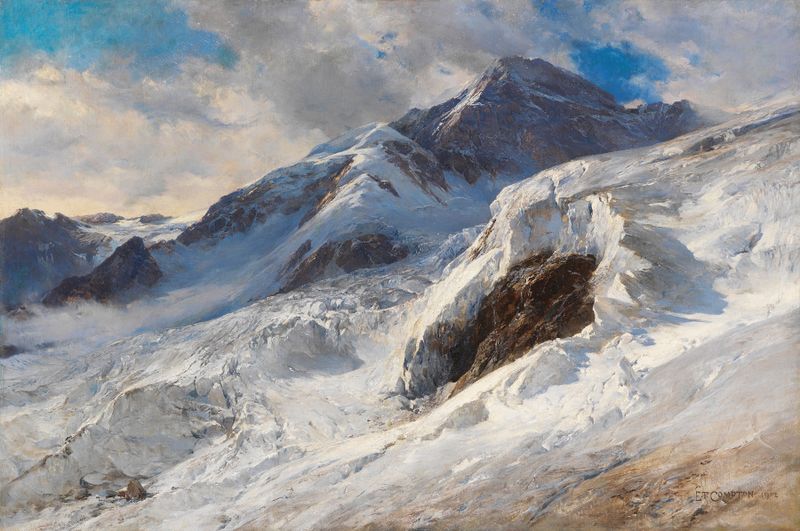
Lyskamm (Monte-Rosa)
Edward Theodore Compton
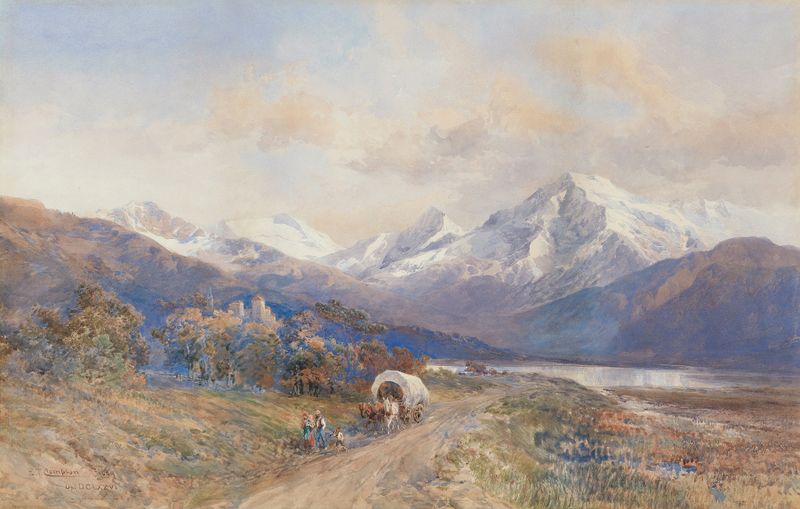
Blick auf den Ortler von St. Valentin
Edward Theodore Compton
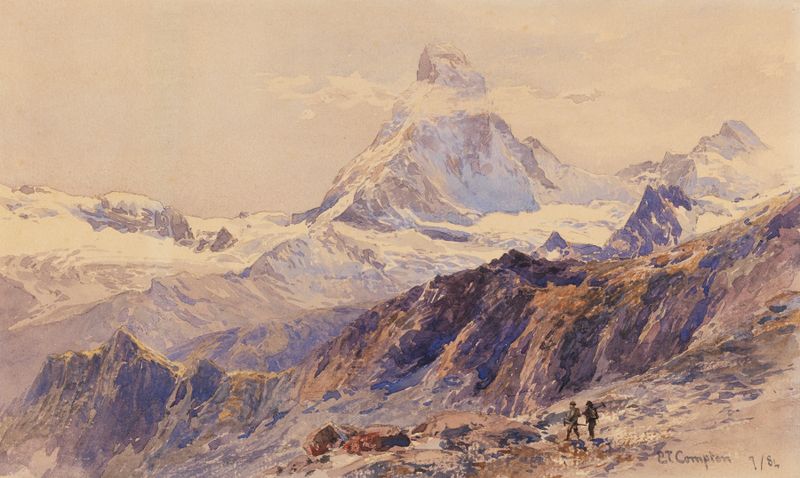
Das Matterhorn von der Triftkumme
Edward Theodore Compton





