Sphinx at night. From the journey to Egypt — History & Facts
Could beauty survive in a century of chaos? In the shadow of the Sphinx, obsessions of a distant past linger, whispering secrets of time and eternity. Look closely at the majestic figure of the Sphinx, dominating the canvas with an enigmatic gaze. The artist captures the ancient stone in soft, moonlit hues, which cast a mesmerizing glow across the surface, inviting contemplation. The nocturnal sky cradles the scene, painted in deep indigos and muted blacks, contrasting sharply with the warm, earthy tones of the monument.
Ciągliński masterfully balances light and shadow, drawing your eye to the sculpted features that narrate stories of an age long gone. Hidden within this stillness lies a tension between permanence and the fleeting nature of human existence. The Sphinx stands resilient against the backdrop of time, embodying the obsession with immortality that has captivated civilizations for millennia. Yet, the surrounding darkness hints at an impending oblivion, suggesting that even the most beautiful constructs may crumble under the weight of history.
This juxtaposition elicits a profound sense of yearning, a reminder of our own transient pursuits. In 1903, Jan Ciągliński painted this piece while residing in Paris, a time when the art world was grappling with the stark realities of modernity and the allure of ancient cultures. Influenced by his interest in Egyptology, he sought to bridge the gap between past and present, capturing the essence of an age-old fascination amid the tumult of a rapidly changing society. The Sphinx at night stands as a testament to that journey, illuminating both the wonders and the obsessions that define humanity.
More Artworks by Jan Ciągliński
Browse all →
The Sirocco
Jan Ciągliński
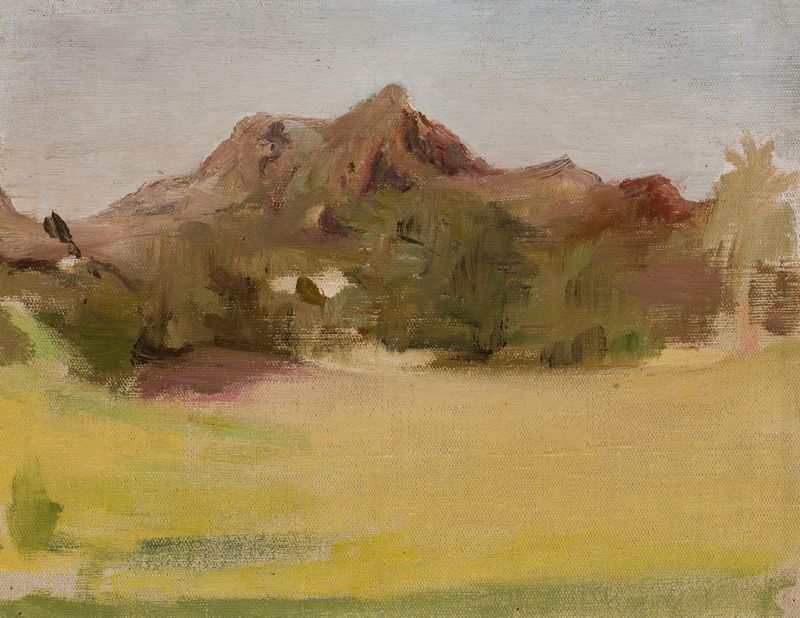
Mountain landscape. From the journey to India
Jan Ciągliński
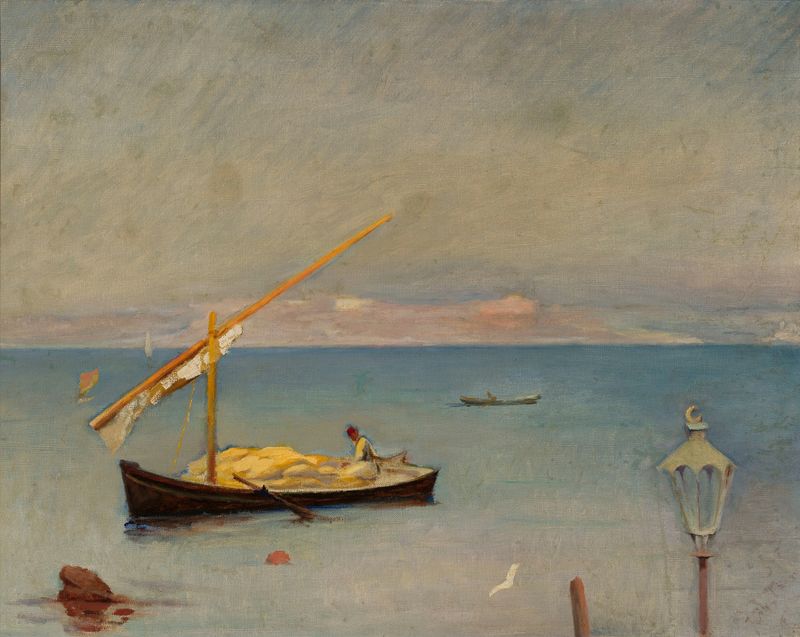
At Bosporus
Jan Ciągliński
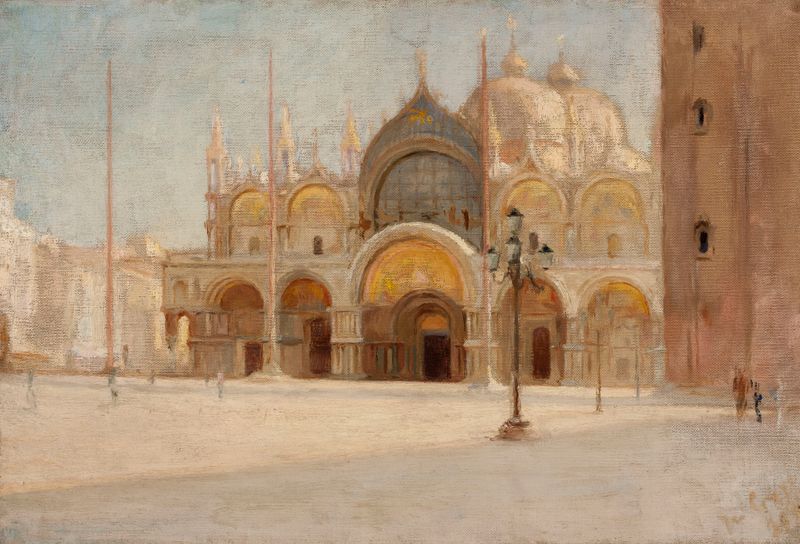
St Mark’s Square in Venice
Jan Ciągliński
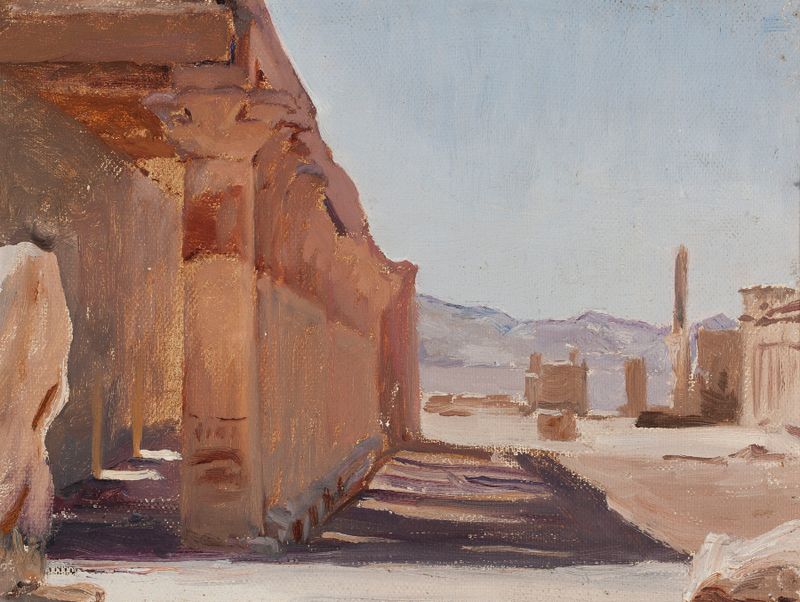
Temple. From the journey to Egypt
Jan Ciągliński
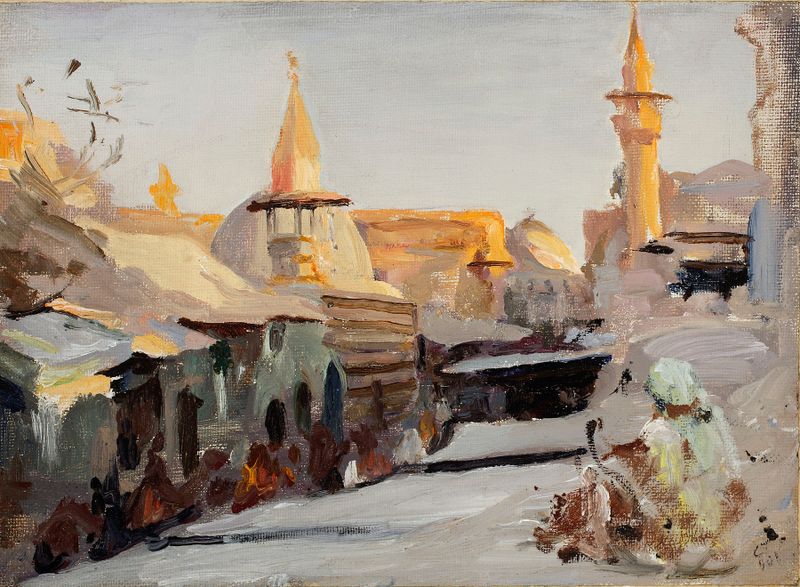
Street in Damascus. From the journey to Palestine
Jan Ciągliński
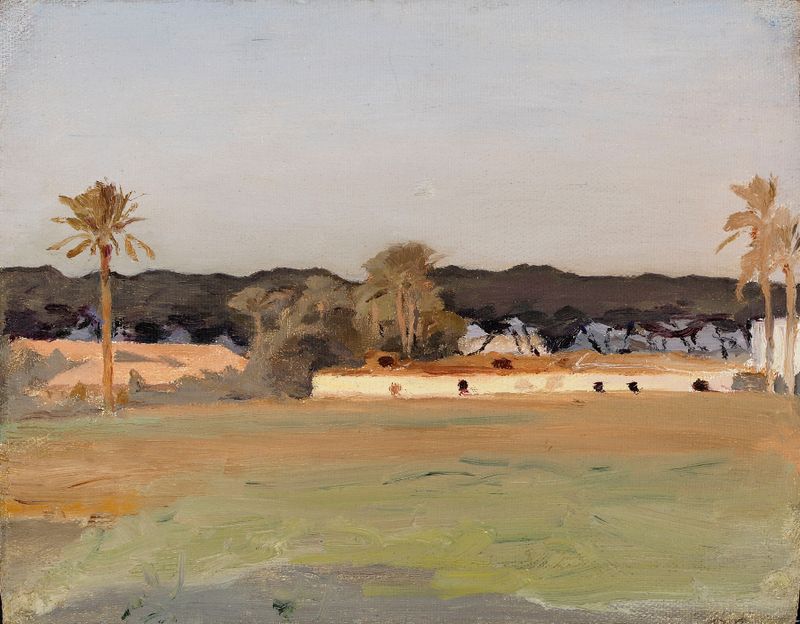
Evening. From the journey to Egypt
Jan Ciągliński
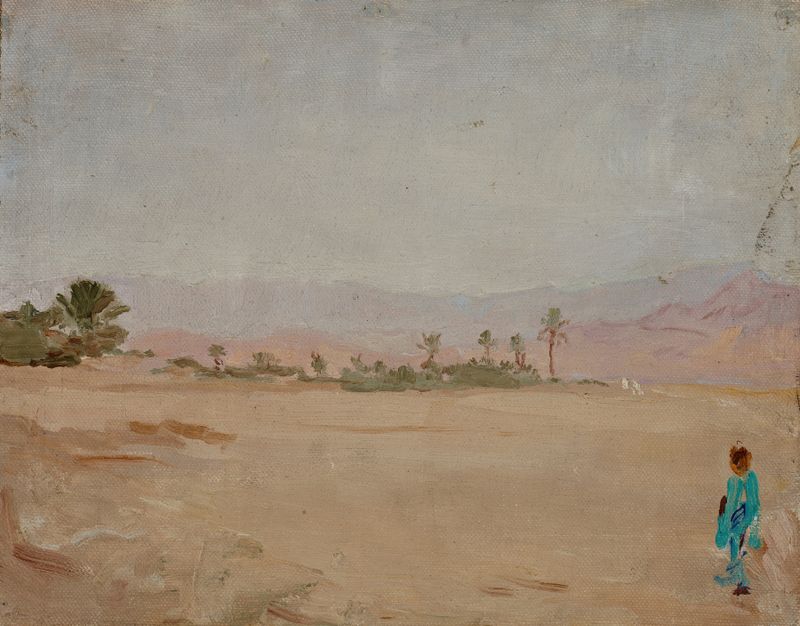
Sahara (Desert)
Jan Ciągliński
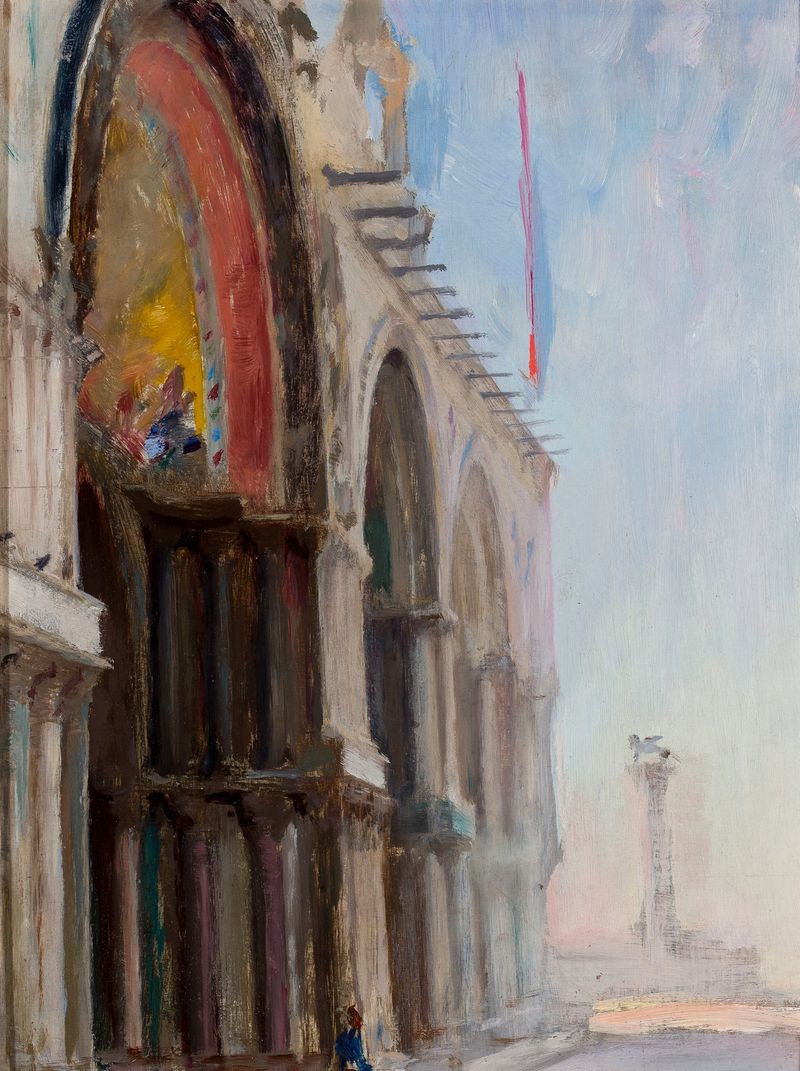
Venice – San Marco. From the journey to Italy
Jan Ciągliński
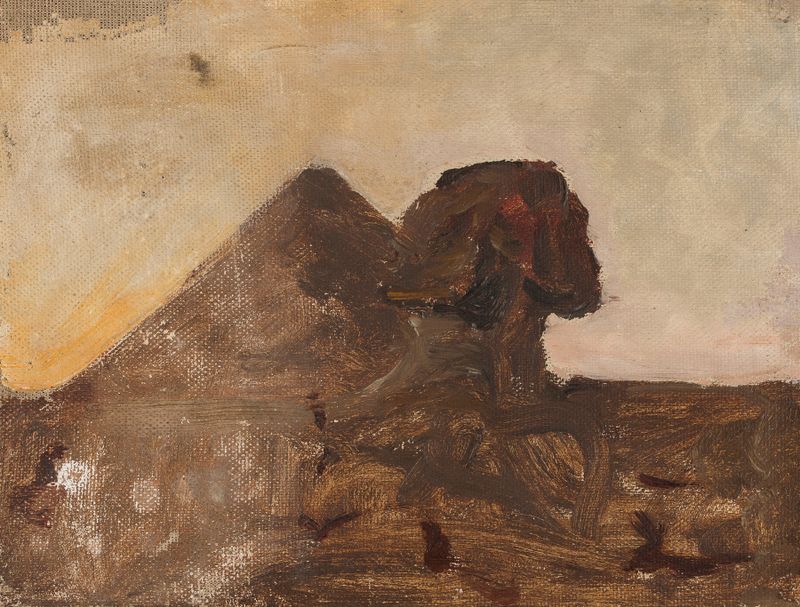
Evening in the desert – Sphinx and pyramid. From the journey to Egypt
Jan Ciągliński