
Spijskaart voor Charles Vos — History & Facts
Could beauty survive in a century of chaos? In Spijskaart voor Charles Vos, we find ourselves invited to a whimsical tableau that dances between reality and dreams, where the imagination finds refuge amidst turmoil. Look to the top left corner of the composition, where vibrant figures emerge from an ornate border, playfully jostling for attention. You are drawn to the striking use of color: brilliant reds and yellows counterbalance the shadows that threaten to encroach. The central dish, a surreal culinary creation, beckons with its exaggerated form, while the fantastical elements swirl around it — a lively testament to the artist's unique vision and his masterful technique of layering and texture. Beneath the surface of this seemingly lighthearted scene lies a contrasting tension.
The grotesque and whimsical figures may evoke laughter, yet they also hint at deeper anxieties of the time — a reflection of the social and political changes in late 19th-century Europe. The dish itself, perhaps a metaphor for the absurdity of life, challenges our perceptions of sustenance and desire, fusing the mundane with the extraordinary. The dreamlike quality serves as both an escape and a confrontation with the chaos of the outside world. In 1896, when this piece was created, the artist was deeply entrenched in the avant-garde movement in Belgium, grappling with the existential questions of his age.
Ensor's exploration of identity and society was influenced by his own experiences of isolation and the shifting cultural landscape around him. This work encapsulates his desire to merge beauty with the bizarre, embodying both his personal struggles and the broader artistic shifts of the time.
More Artworks by James Ensor
Browse all →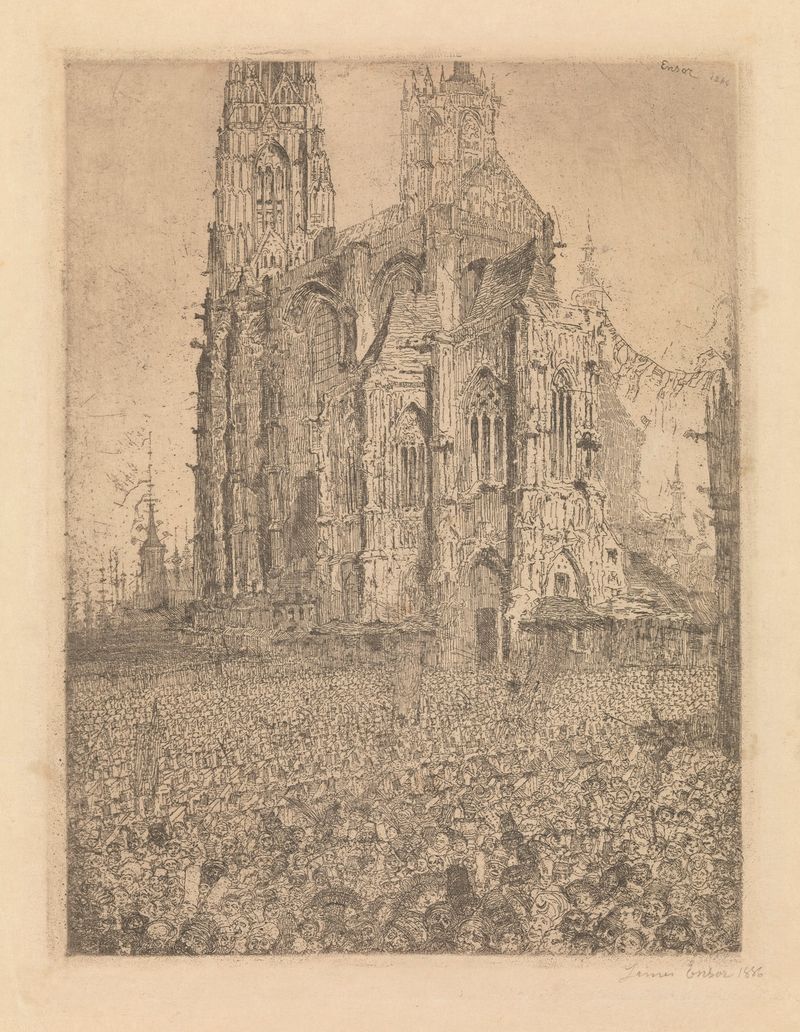
The Cathedral
James Ensor
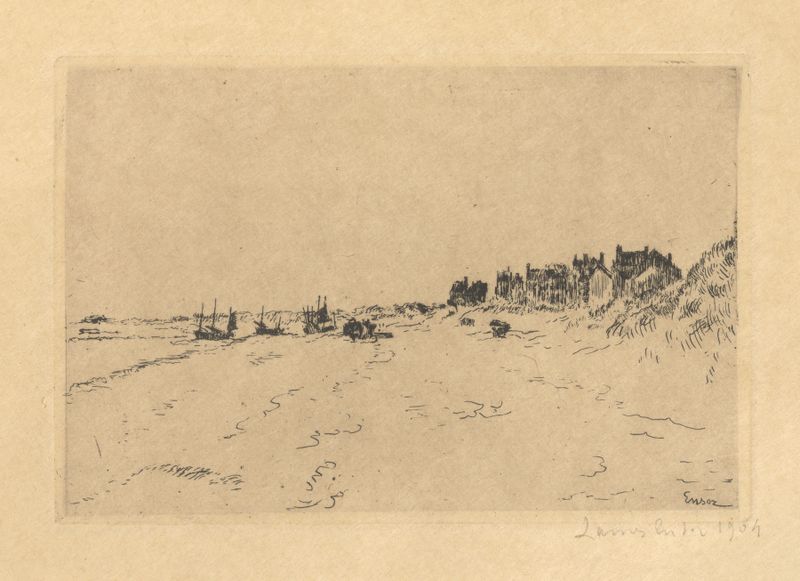
Het strand van De Panne
James Ensor
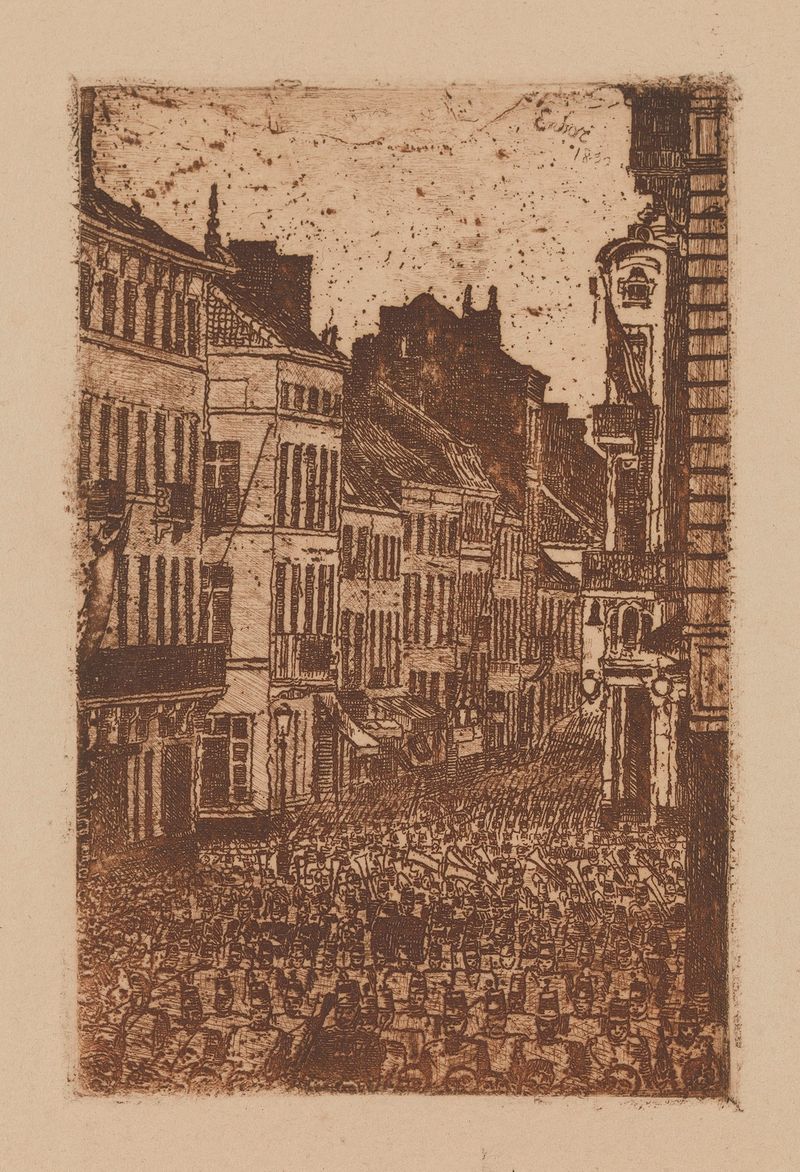
The Music in the rue de Flandre, Ostend
James Ensor
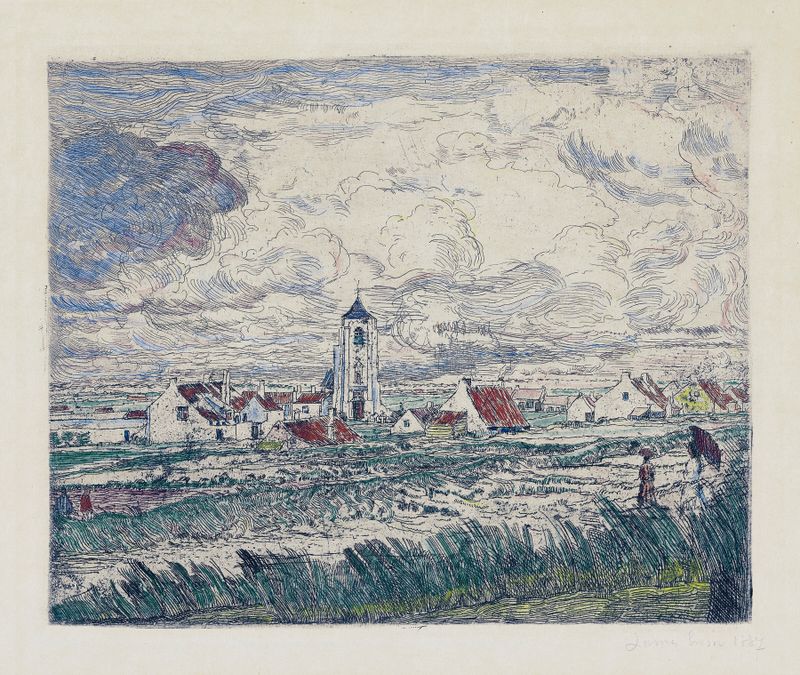
Grande vue de Mariakerke
James Ensor
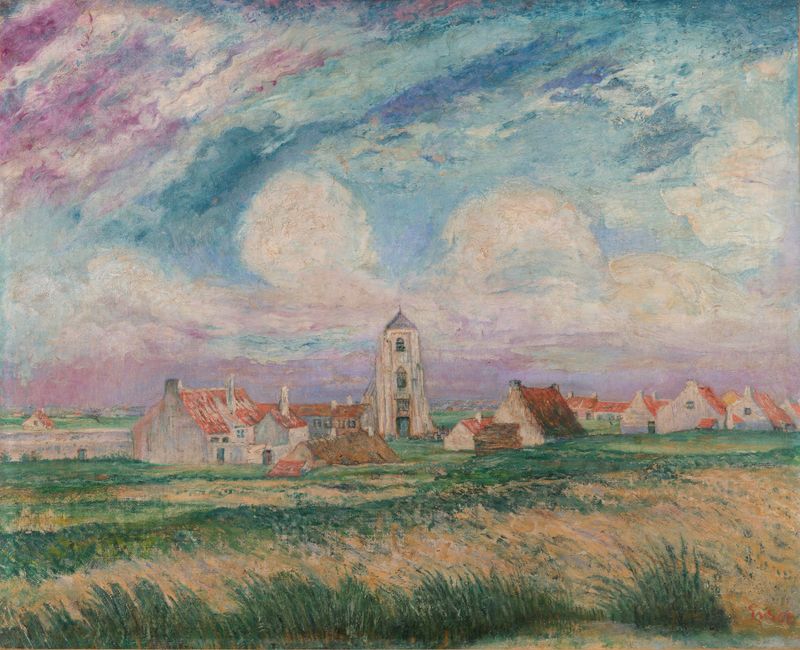
View of Mariakerke
James Ensor
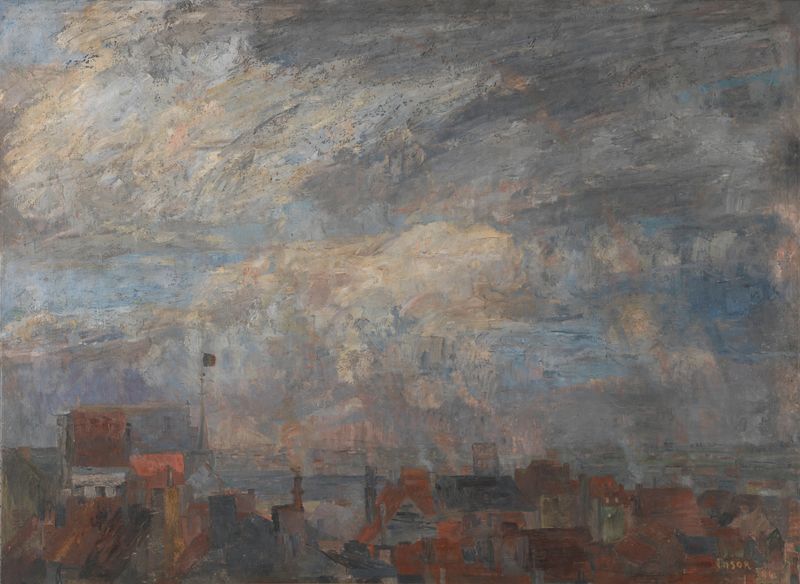
The Rooftops of Ostend
James Ensor
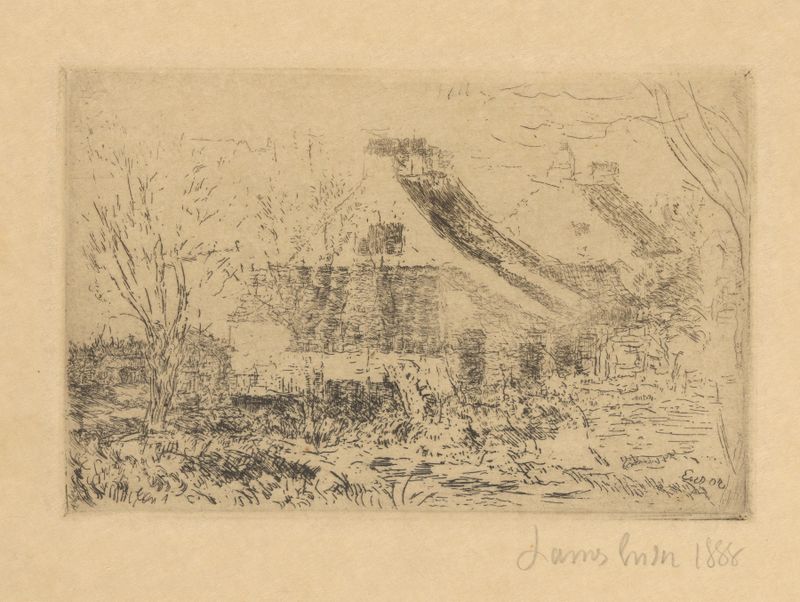
Huisjes in Mariakerke
James Ensor
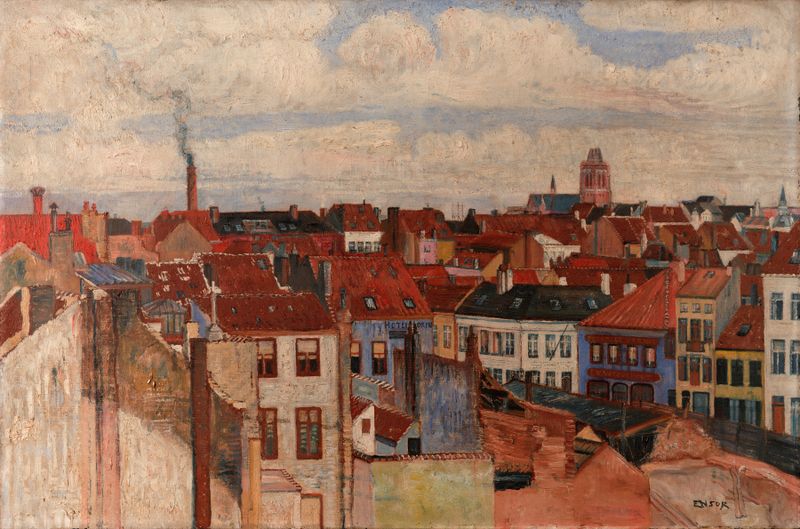
The rooftops of Ostend
James Ensor
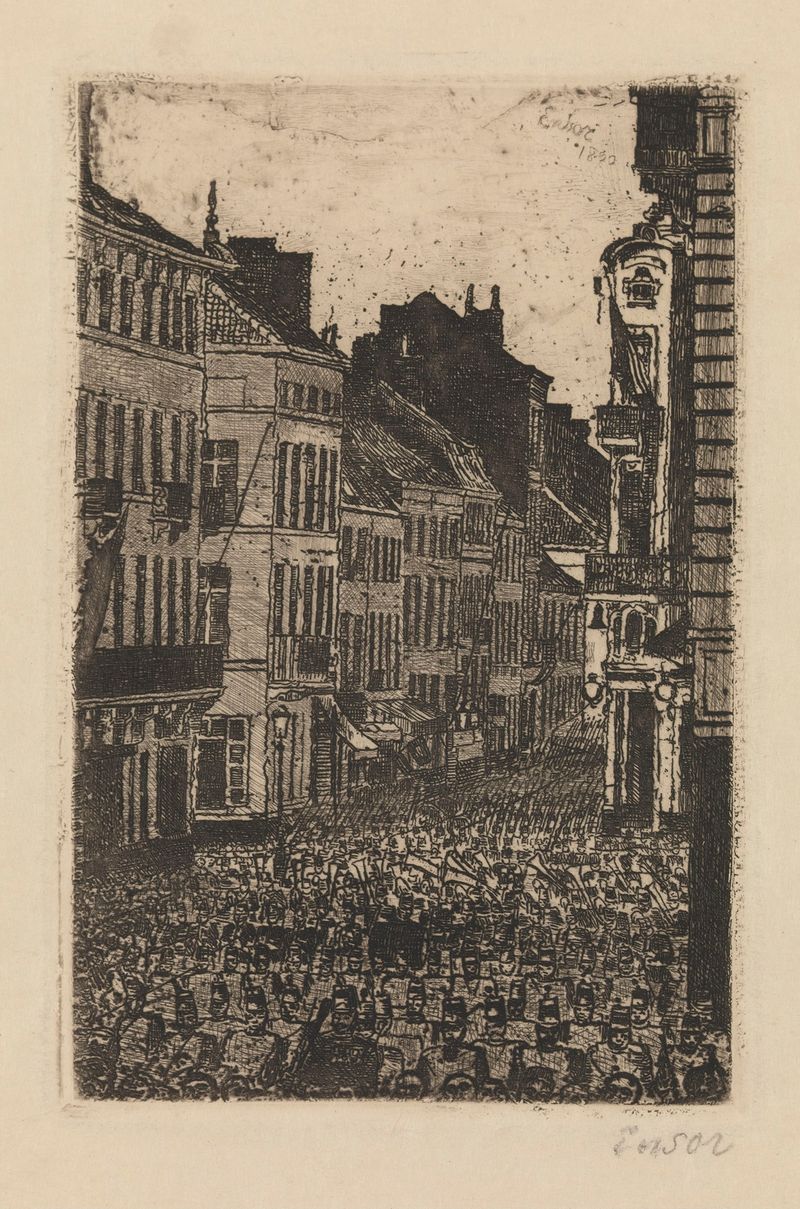
The Music in the rue de Flandre, Ostend
James Ensor
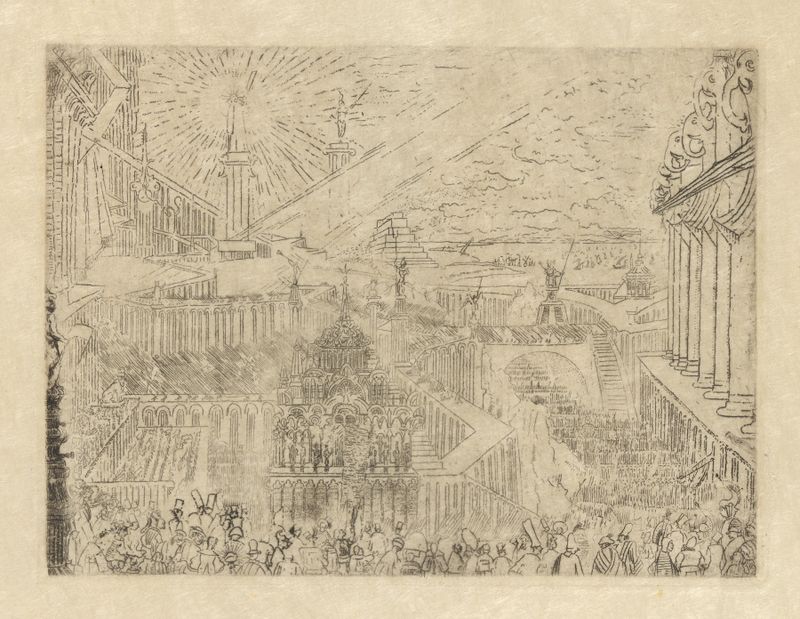
Verovering van een vreemde stad
James Ensor





