
Spring — History & Facts
Can beauty exist without sorrow? The delicate touch of spring often disguises the weight of yearning, creating an obsession with the ephemeral. Look closely at the soft hues spreading across the canvas, where tender greens and vibrant blossoms awaken the senses. Notice how the brushstrokes dance with life, directing your gaze towards the harmonious blend of flora that spills across the foreground. The light gently radiates from the top left, casting a warm glow that breathes vitality into the scene, while shadows play beneath the branches, suggesting an undercurrent of melancholy that lingers just below the surface. In the delicate interplay of color and light, one can sense the tension between joy and longing.
The blossoms, in their full bloom, symbolize fleeting happiness, while the surrounding muted tones whisper of loss and nostalgia. Each petal carries the weight of unfulfilled dreams, echoing the artist’s obsession with capturing transitory moments that hold both beauty and sadness. This contrast invites the viewer to reflect on their own experiences, pondering the delicate balance between pleasure and pain. Painted in 1903 in Warsaw, the artist was exploring the themes of nature and emotion during a time when Poland was grappling with political and social upheaval.
Stanisławski, deeply influenced by the Impressionist movement, sought to convey the fleeting moments of beauty in life, drawing inspiration from his surroundings and personal introspections. This period marked a significant moment in his career, as he began to establish his unique voice focused on the enchanting yet bittersweet essence of existence.
More Artworks by Jan Stanisławski
Browse all →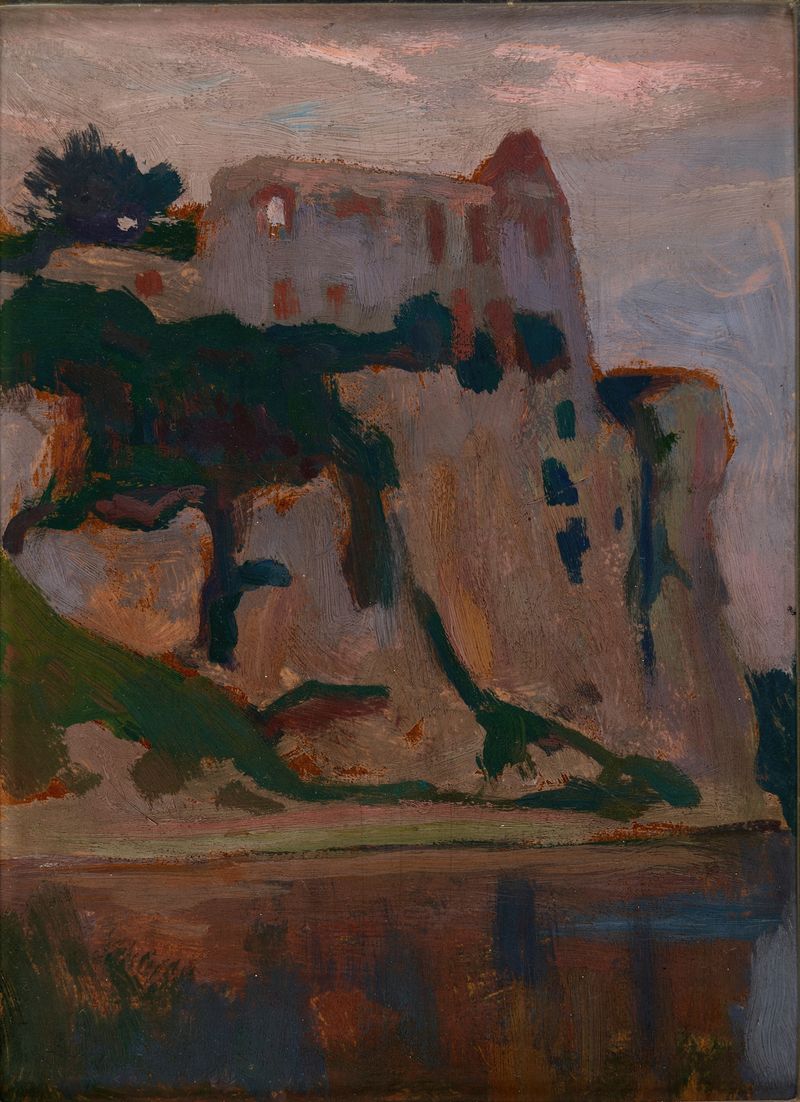
Tyniec at Dawn
Jan Stanisławski
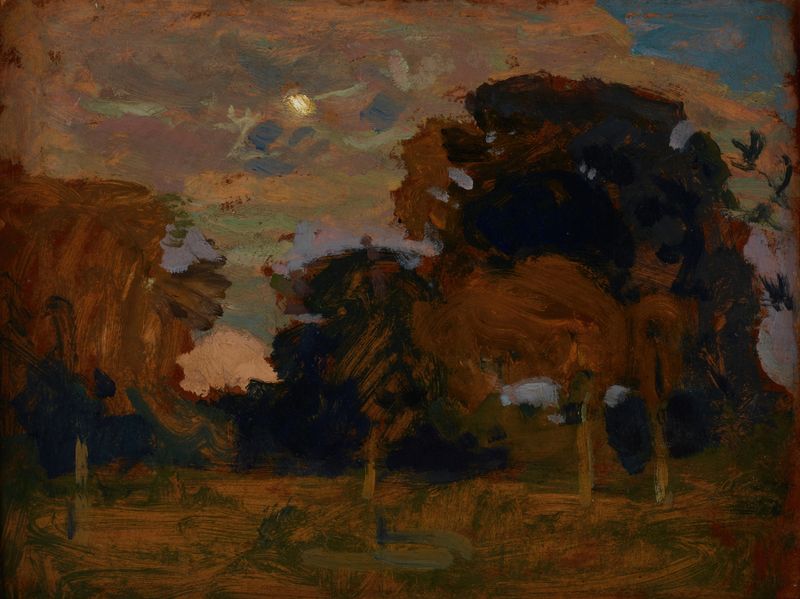
Moon in the Clouds
Jan Stanisławski
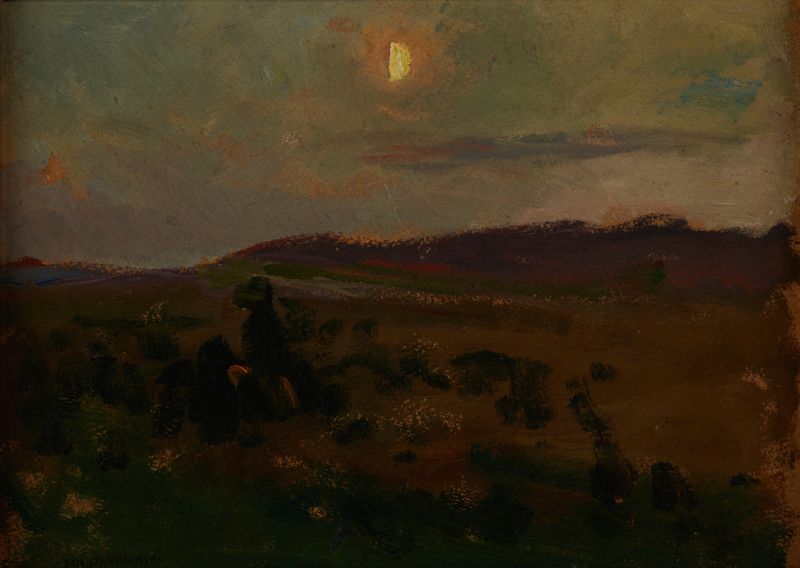
Moonrise
Jan Stanisławski
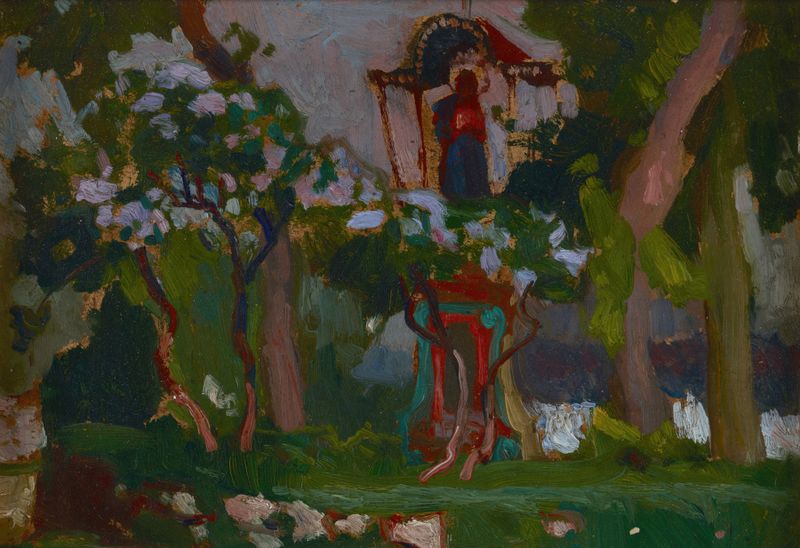
May
Jan Stanisławski
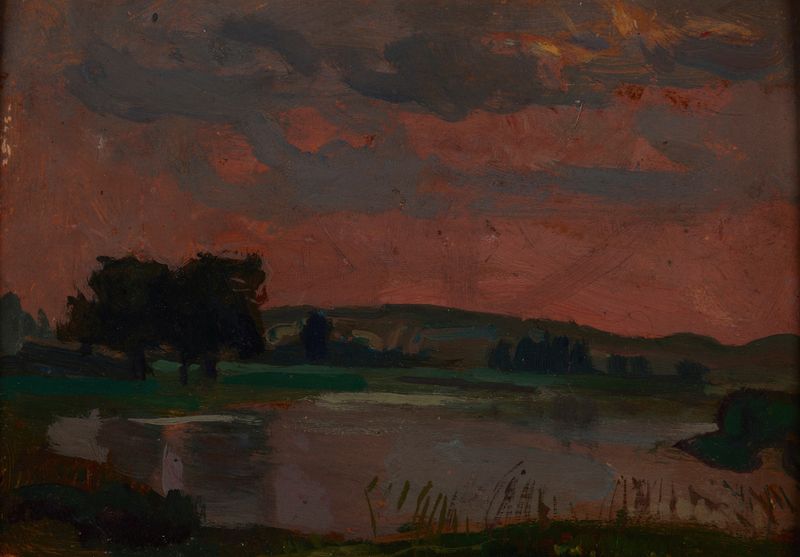
The Vistula in the Twilight
Jan Stanisławski
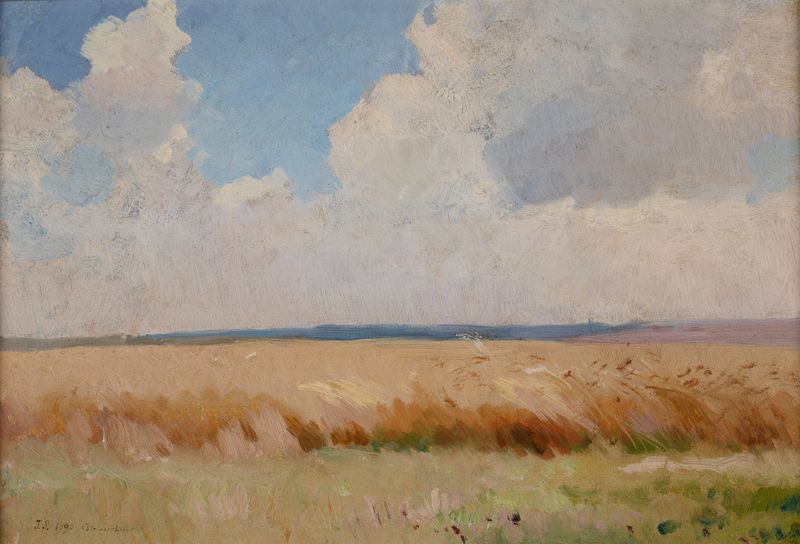
Field at Białocerkiew (Bila Tserkva)
Jan Stanisławski
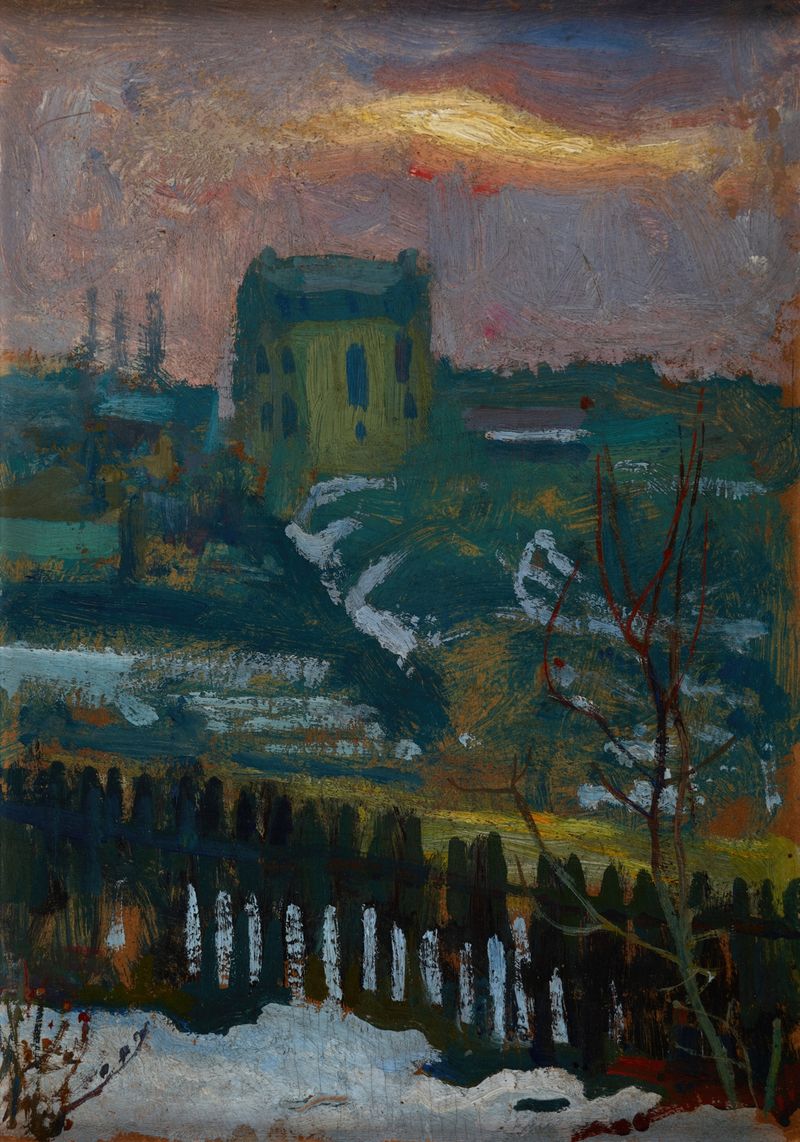
House in Winter
Jan Stanisławski
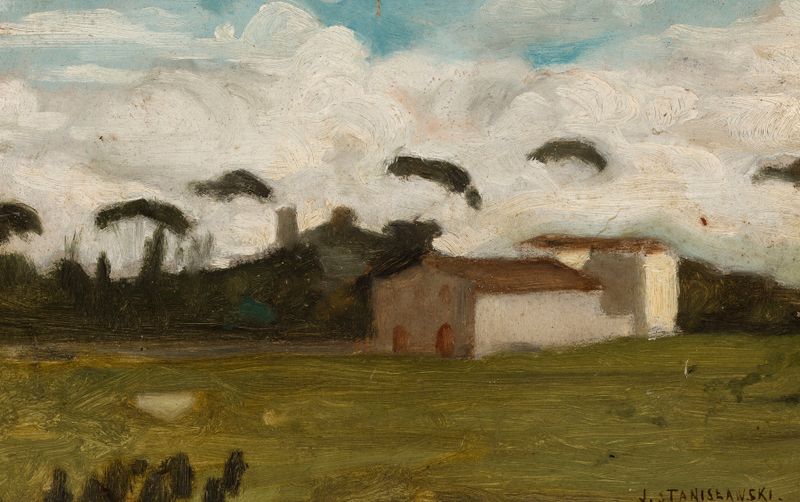
Landscape
Jan Stanisławski
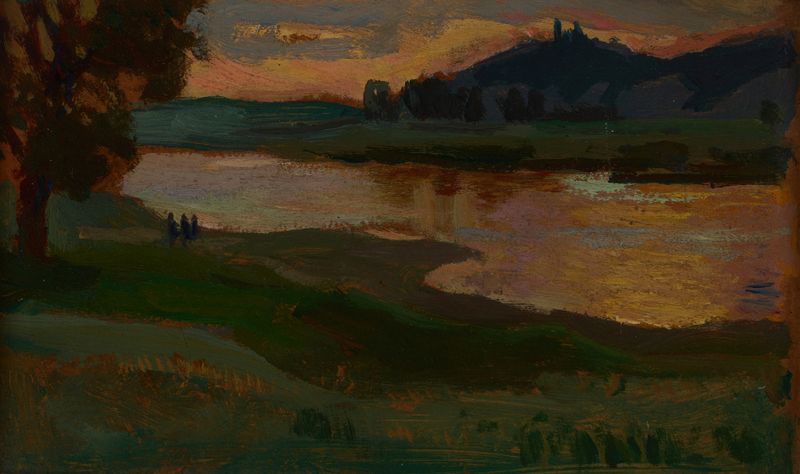
Bielany at Dusk
Jan Stanisławski
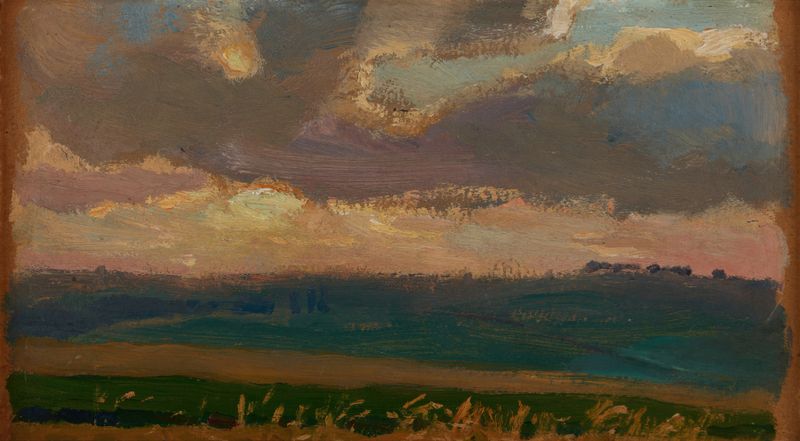
Fields at Proszowice
Jan Stanisławski





