Spring Plowing — History & Facts
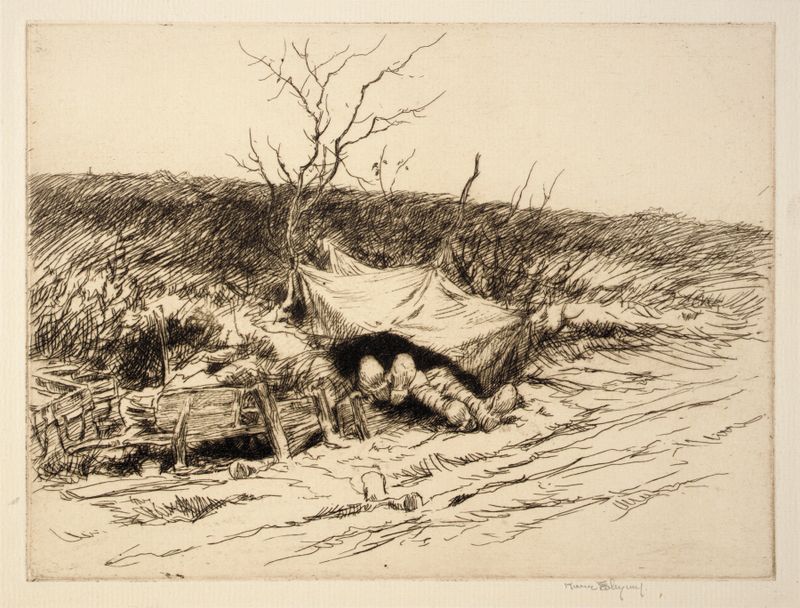
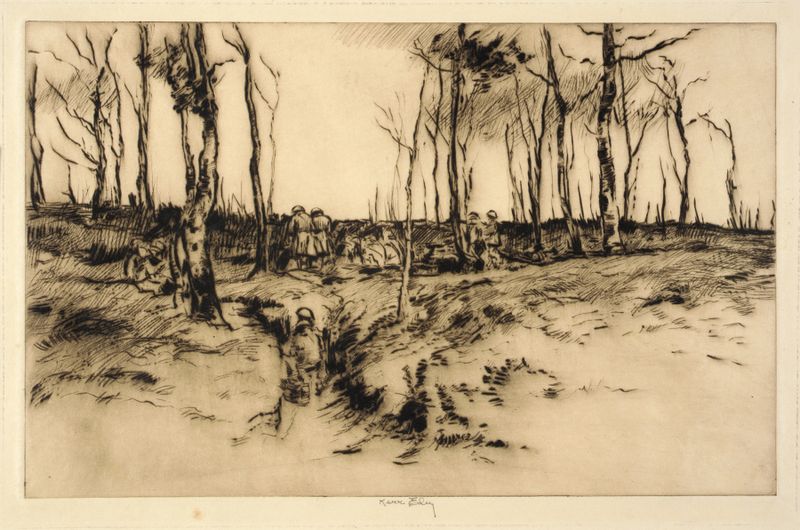
Is this a mirror — or a memory? In Spring Plowing, a landscape unfolds, rich with the promise of renewal, yet steeped in the weight of labor and human experience. The earth, broken and turned, reveals not just the physical toil of farming but a deeper introspection into the cycle of life and labor. Look to the foreground, where the deep furrows of freshly plowed soil dominate the scene. The meticulous strokes of the artist’s hand create a rhythmic flow that draws the eye along the contours of the land.
Notice how the light dances across the surface, illuminating the rich browns and greens, hinting at the life that will soon emerge. The juxtaposition of dark soil against a bright sky signifies not just the crop yet to come but the promise of hope intertwined with hard work. This artwork encapsulates an emotional tension between anticipation and labor. The stark contrast between the vibrant earth and the expansive sky invites contemplation of what lies ahead, reflecting both personal and collective struggles.
The plow itself stands as a symbol of effort and resilience, striking a chord with anyone who has faced the trials of labor. Each detail, from the texture of the earth to the subtle shifts in light, contributes to a narrative of renewal and the bittersweet nature of human endeavor. In 1925, Kerr Eby was immersed in the post-World War I era, a time marked by reflection on the past and a striving for renewal. Living in the United States, he experienced significant shifts in societal values and artistic expression.
This painting emerged during a period when artists sought to capture the essence of American life, embracing themes of nature and labor while navigating the complexities of modernity.