
St. James Street — History & Facts
Could beauty survive in a century of chaos? In the midst of the industrial upheaval of the late 19th century, this question lingers in the air—an invocation woven into the fabric of everyday life. Look to the left at the gentle curve of the street, where the faint light of an evening sky softly bathes the buildings in a warm embrace. The muted colors of browns and greys create a serene atmosphere, inviting the viewer to wander into the scene. Notice how the figures, small and subtle, dot the landscape, their silhouettes blending into the backdrop.
Whistler masterfully employs tonal harmony, drawing the eye along the path that weaves between the architecture, leading us deeper into the tranquil yet haunting narrative. There is a tension between the calm and the chaotic in this work. The cobbled streets, slick with rain, reflect both the fading light of day and the imminent encroachment of industrial life. Each figure appears to walk with purpose, yet their anonymity speaks to the overwhelming nature of modern existence, suggesting a search for faith amidst the relentless march of progress.
This blending of tranquility and turmoil invites contemplation on the fleeting nature of beauty in a world striving for industrial advancement. In 1878, Whistler created this piece during a time when he was deeply influenced by his surroundings in London, grappling with the dichotomy of beauty and the industrial revolution. The city’s rapid transformation was reshaping society, and the artist sought to capture both the charm and the melancholy of urban life. As an advocate for aestheticism, his work emphasized art for art's sake, making *St.
James Street* a poignant reflection of his artistic philosophy amidst a changing world.
More Artworks by James Abbott McNeill Whistler
Browse all →
Nocturne in Blue and Silver
James Abbott McNeill Whistler
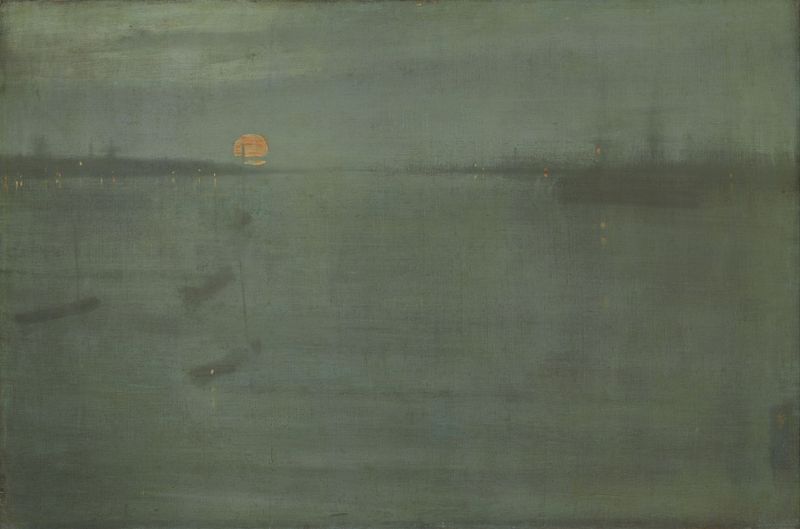
Nocturne: Blue and Gold–Southampton Water
James Abbott McNeill Whistler
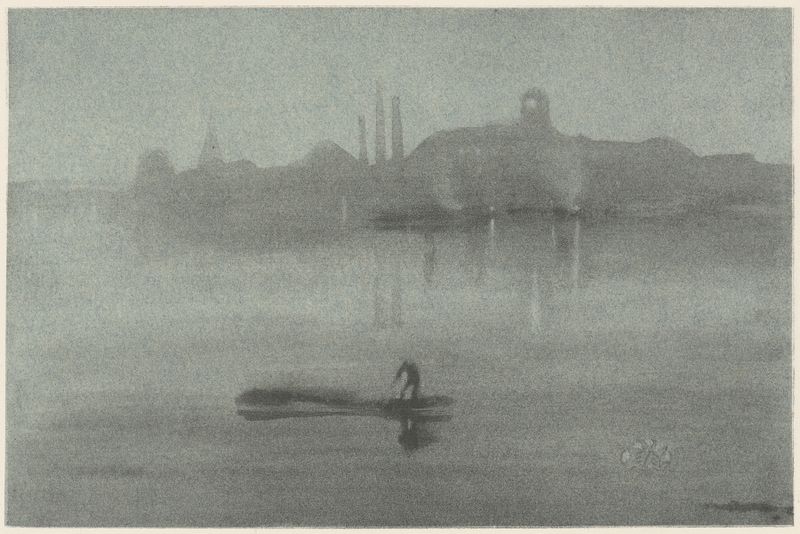
Nocturne
James Abbott McNeill Whistler
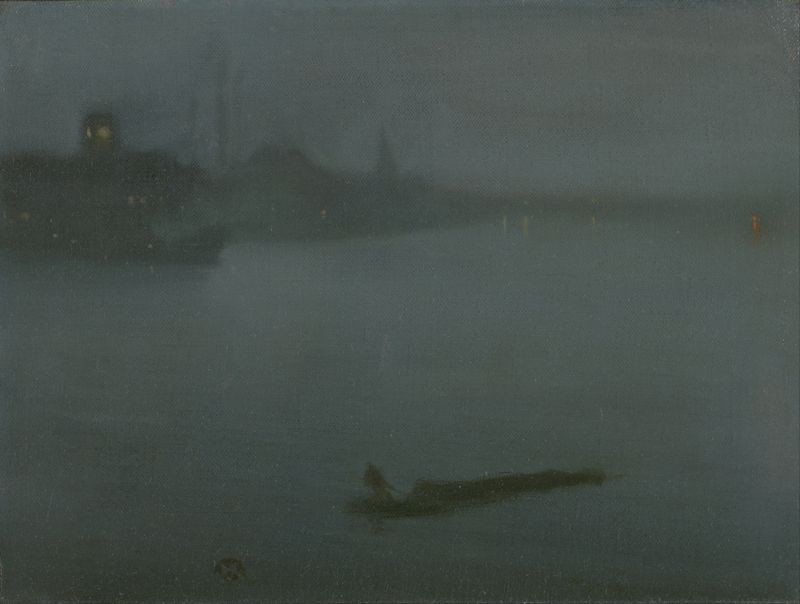
Nocturne in Blue and Silver
James Abbott McNeill Whistler
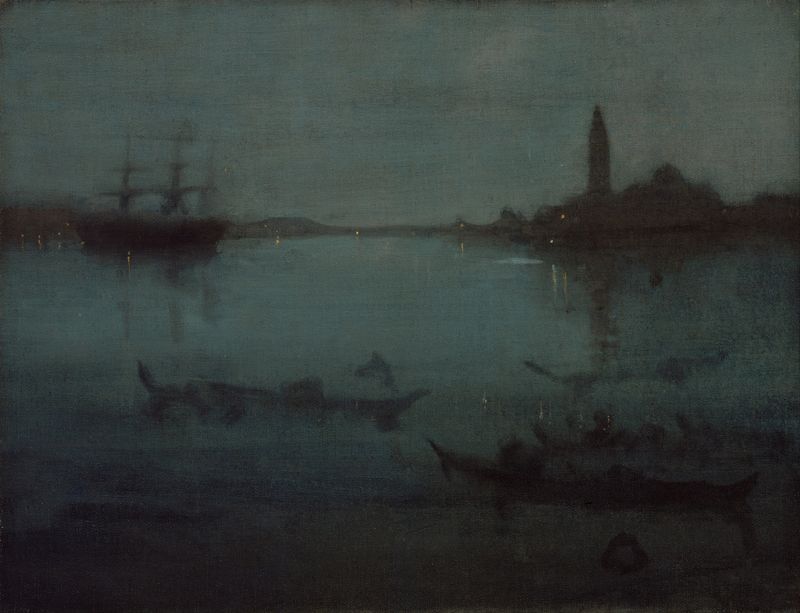
Nocturne in Blue and Silver- The Lagoon, Venice
James Abbott McNeill Whistler
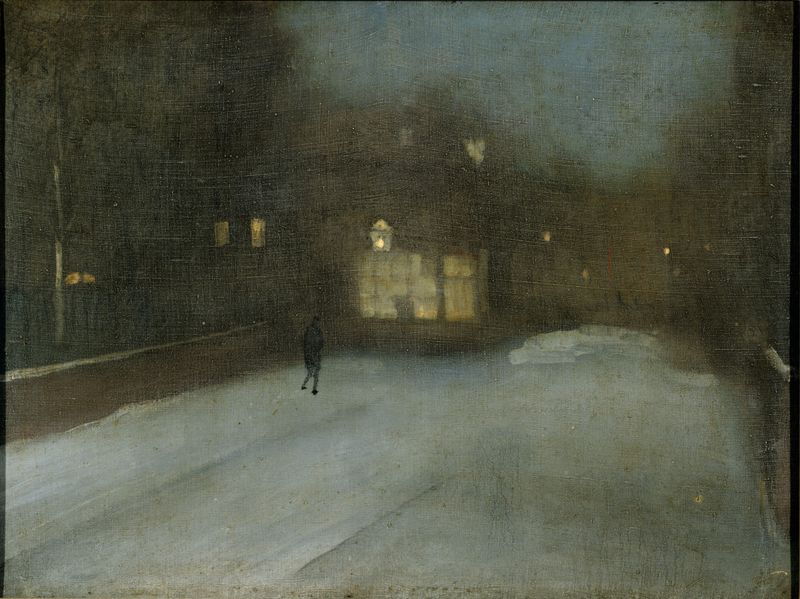
Nocturne in Grey and Gold: Chelsea Snow
James Abbott McNeill Whistler
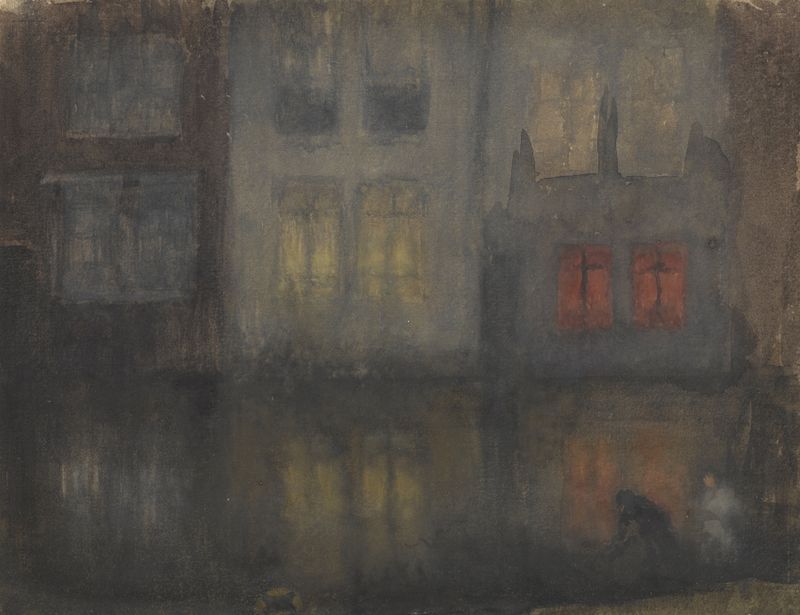
Nocturne: Black and Red—Back Canal, Holland
James Abbott McNeill Whistler
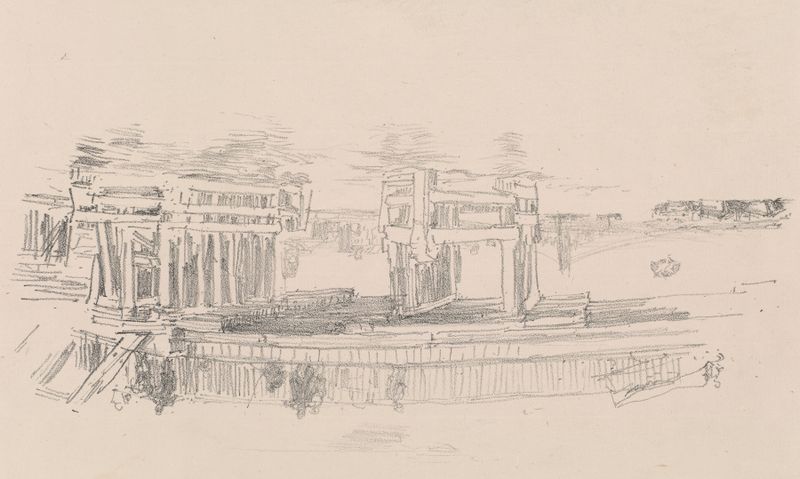
Old Battersea Bridge
James Abbott McNeill Whistler

Nocturne: Blue and Silver–Battersea Reach
James Abbott McNeill Whistler
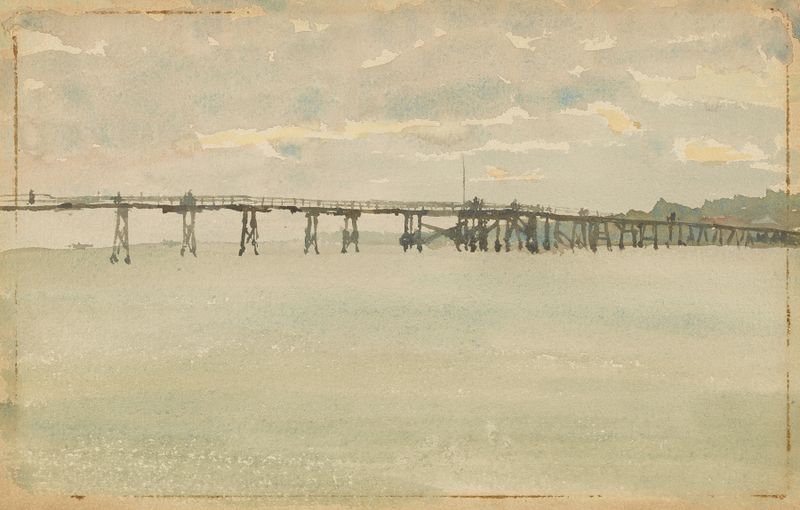
Grey and Silver–Pier, Southend
James Abbott McNeill Whistler





