
St. Martin’s Porch — History & Facts
Who listens when art speaks of silence? In St. Martin’s Porch, a delicate balance of light and shadow whispers stories of tranquility and contemplation. Look to the left at the archway, where gentle light filters through, casting intricate patterns on the stone floor. The muted palette of earthy tones invites you to explore the textures of weathered stone and aged wood, while the soft, luminous highlights draw your eye toward the serene figure seated in solitude.
The composition evokes a sense of stillness, creating an intimate space that invites personal reflection. The interplay between light and shadow serves as a metaphor for the dualities of presence and absence. Notice the way the figure, seemingly lost in thought, embodies both peace and isolation, enshrined in the sanctuary of the porch. The unadorned backdrop highlights the profound simplicity of the scene, urging viewers to confront their own feelings of solitude and connection within the expansive world beyond the threshold. Created in 1928, this work emerged during a period of introspection for the artist, who was deeply influenced by the urban landscapes of London.
At this time, Joseph Pennell was traversing the delicate intersection of traditional and modern art, exploring themes of place and identity through his detailed etchings and lithographs. The world was grappling with the quiet aftermath of the Great War, and Pennell’s focus on stillness and balance resonated with a society seeking solace amid change.
More Artworks by Joseph Pennell
Browse all →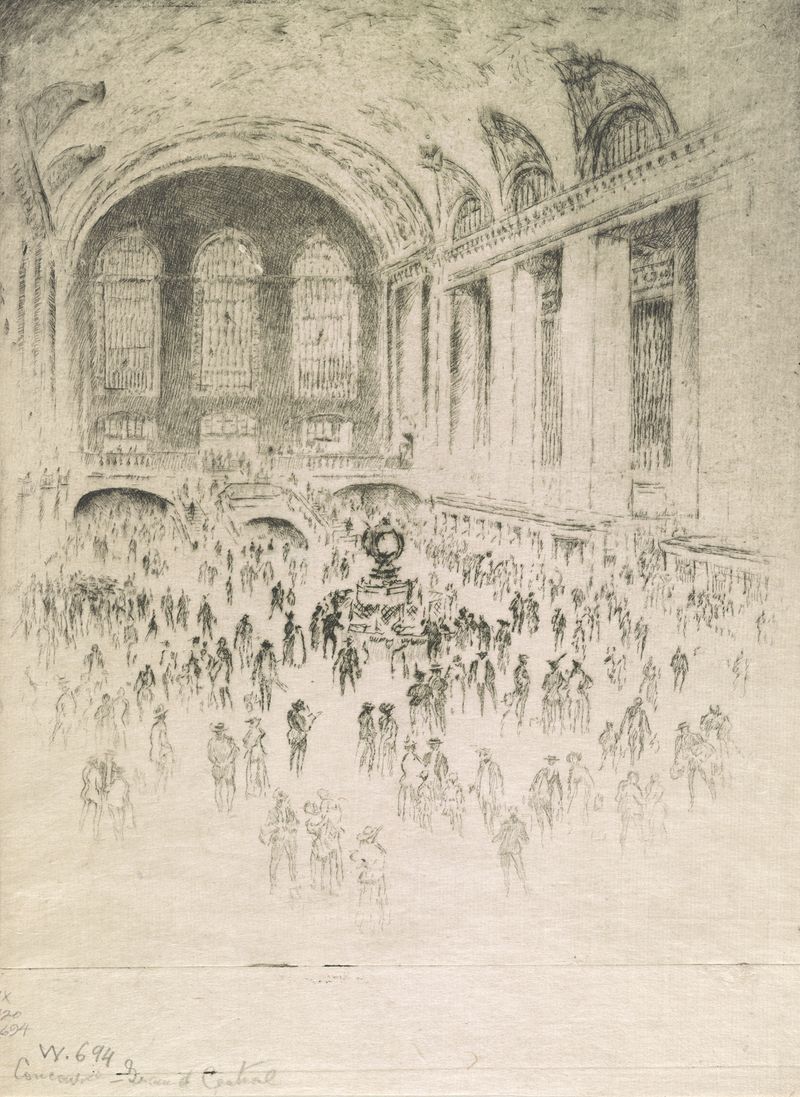
Concourse, Grand Central
Joseph Pennell
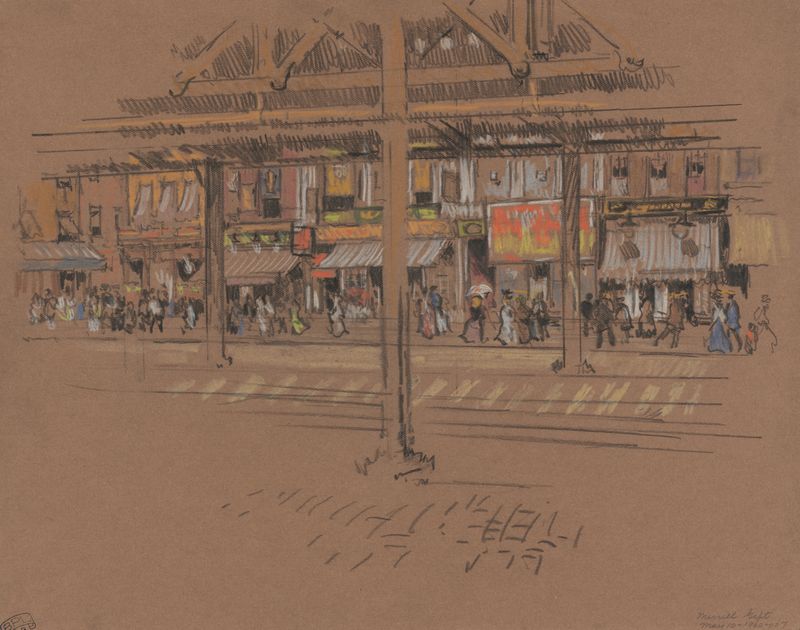
Sixth Avenue
Joseph Pennell
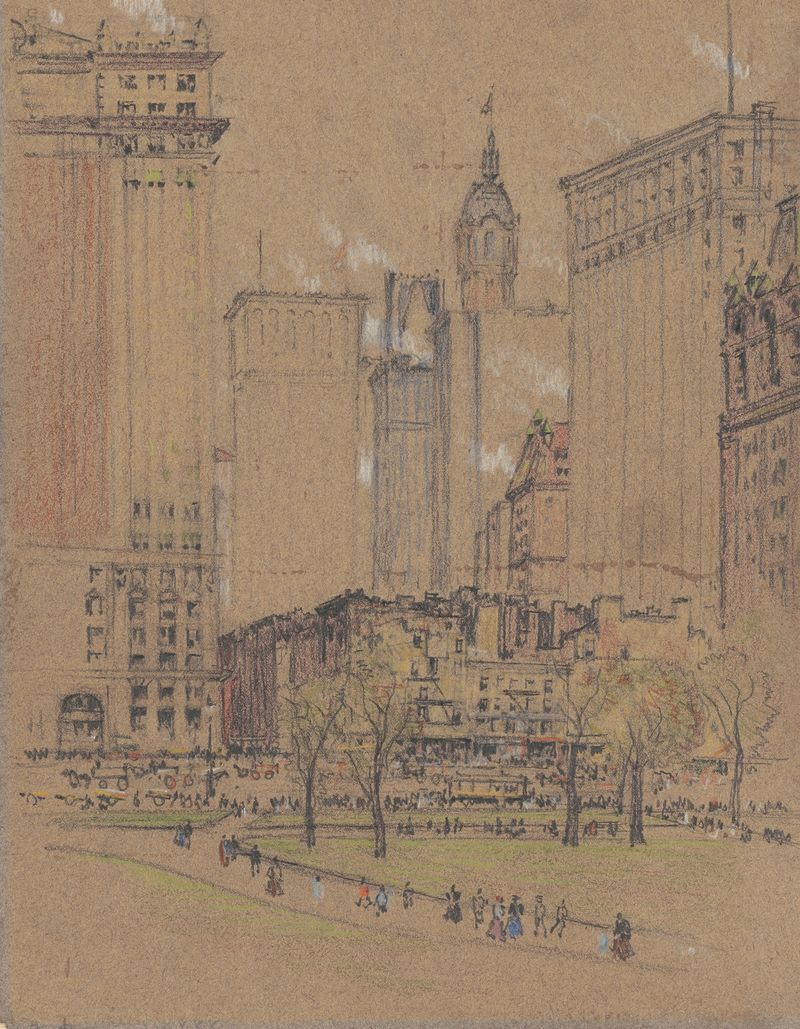
New York,the Old and the New
Joseph Pennell
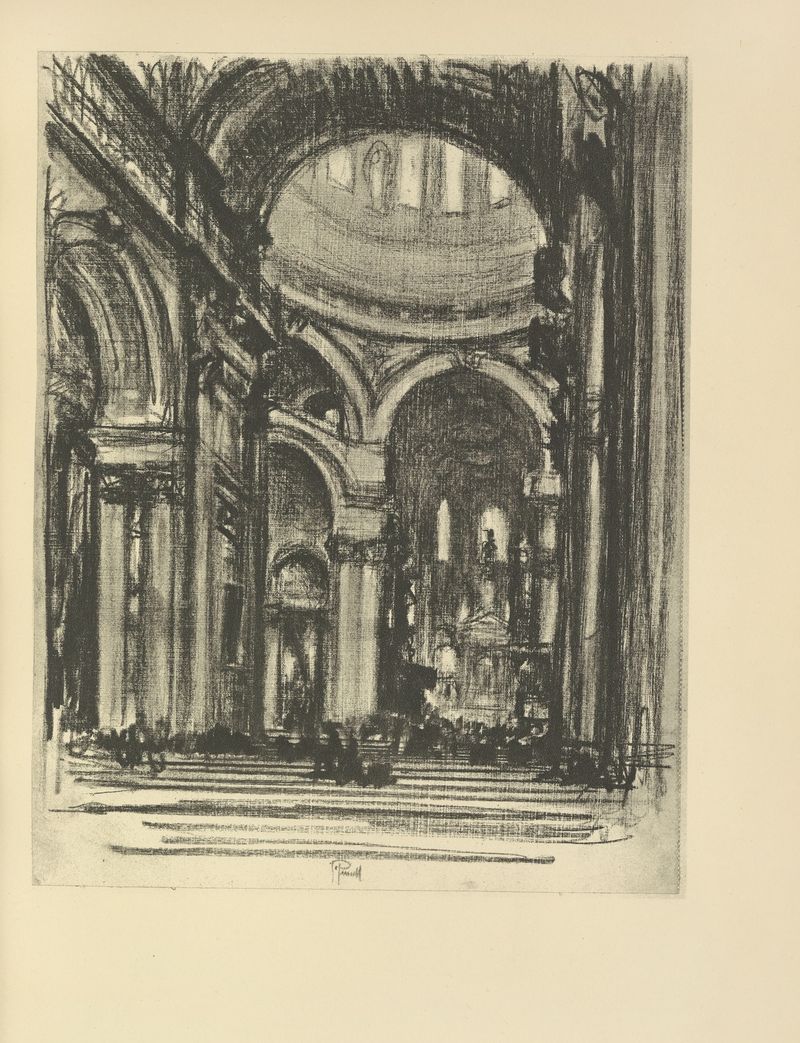
St. Paul’s, The Nave
Joseph Pennell
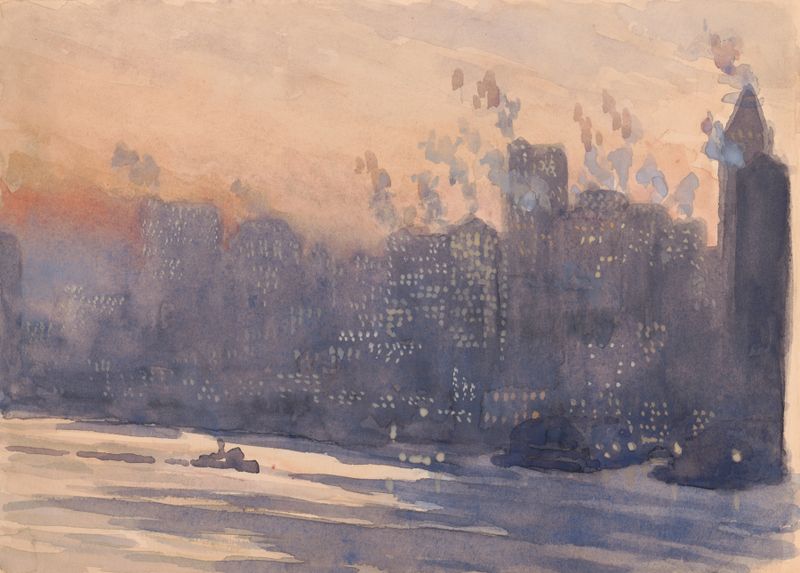
New York City harbor and skyline at night
Joseph Pennell
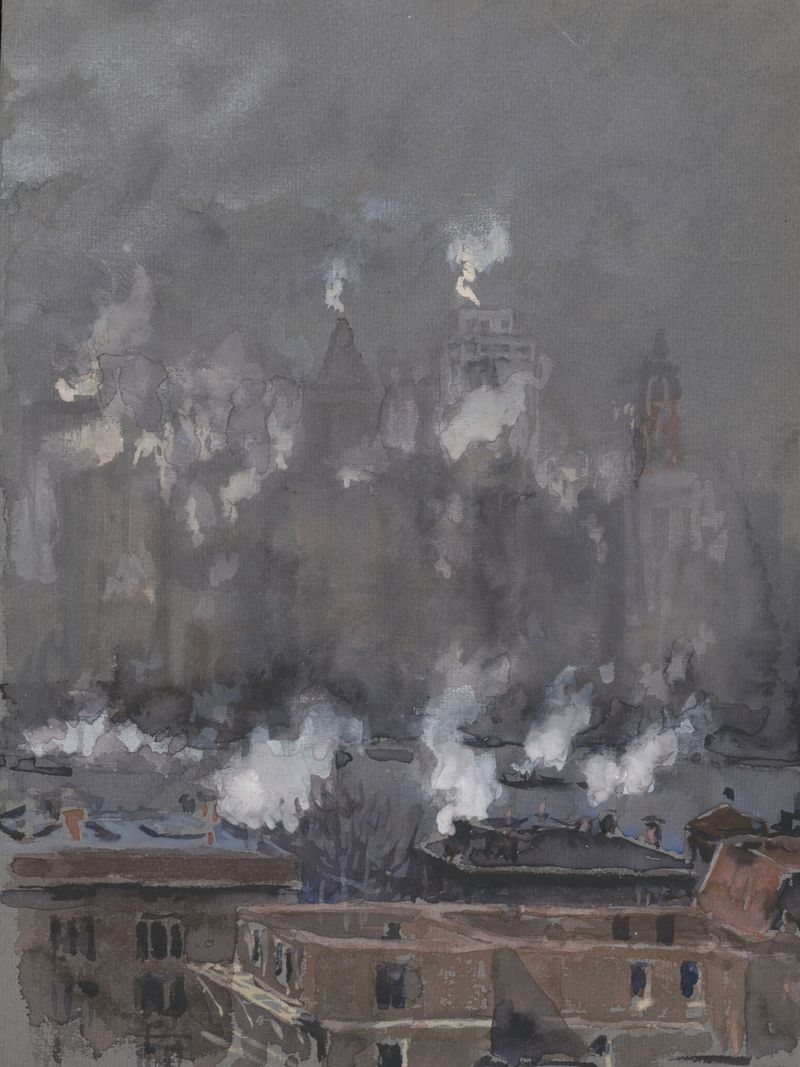
Smoke and fog on gray day, New York City
Joseph Pennell
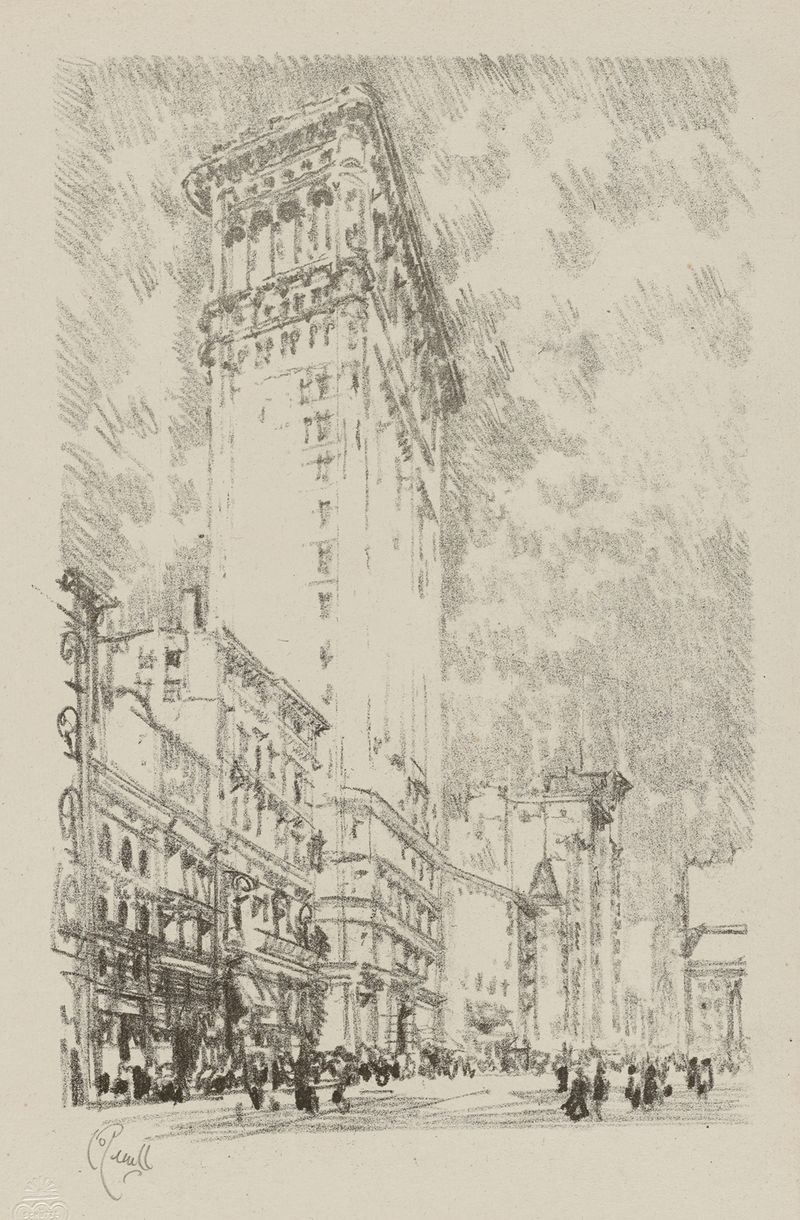
The Flat Iron
Joseph Pennell
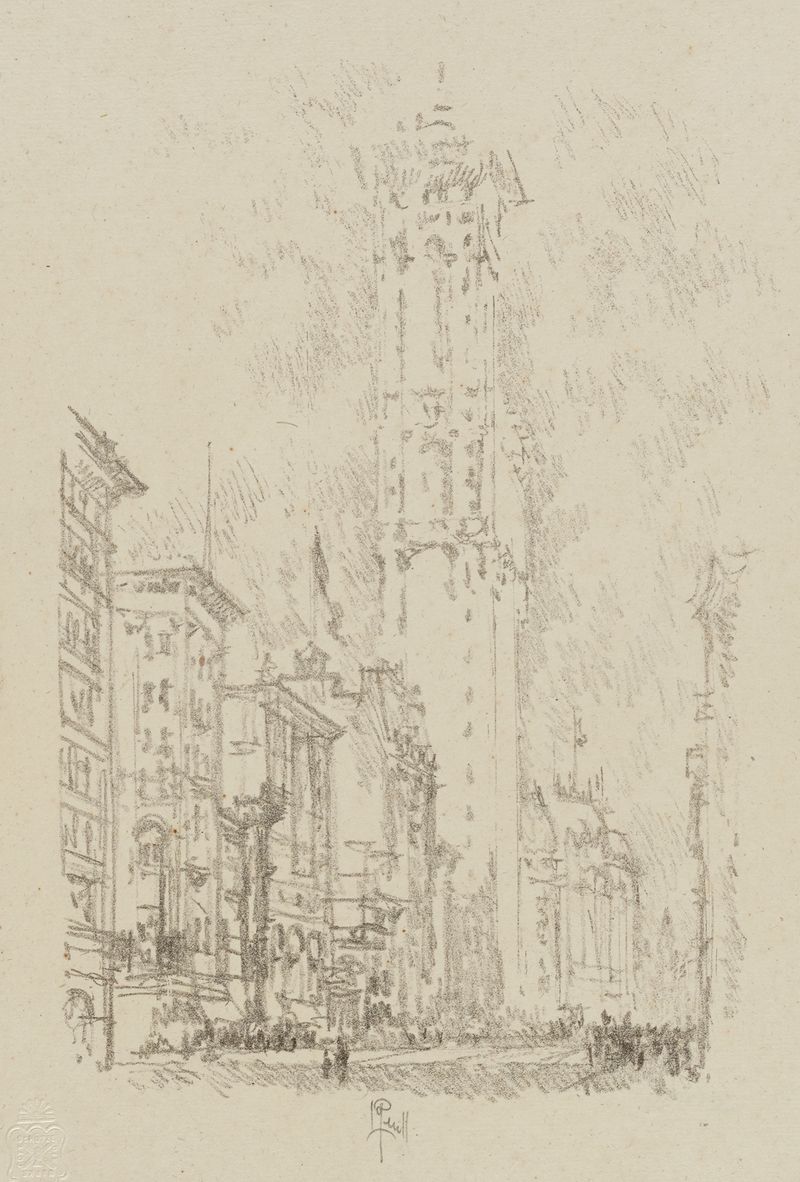
The Times Building
Joseph Pennell
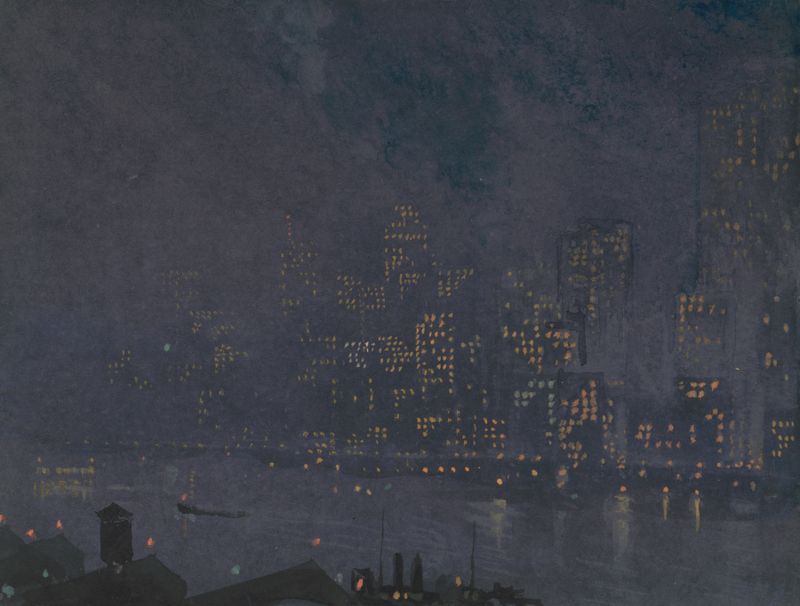
Skyscrapers at night
Joseph Pennell

St. James’ Park
Joseph Pennell
More Architecture Art
Browse all →
The statue of Liberty
Frédéric Auguste Bartholdi

View of Houses in Delft, Known as ‘The Little Street’
Johannes Vermeer

View of Houses in Delft, Known as ‘The Little Street’
Johannes Vermeer

The Cathedral in Rouen. The portal, Grey Weather
Claude Monet

The yellow house
Vincent van Gogh

The Church in Auvers-sur-Oise, View from the Chevet
Vincent van Gogh