
St. Pancras Station — History & Facts
What secret hides in the quiet of the canvas? The stillness of a bustling station can whisper the loudest truths about time and existence itself. Look closely at the intricacies woven into the structure of this vibrant piece. Notice how the arches of St. Pancras Station stretch upward, a testament to architectural might that simultaneously invites and overwhelms.
The contrasting shades of ochre and grey bring warmth to the stone, while the delicate interplay of light and shadow dances across the platform, guiding your gaze towards the figures gathered in anticipation. Amidst the movement, there lies a palpable tension between stillness and progress. The grounded figures in the foreground seem caught in a moment, their expressions reflecting a tapestry of stories waiting to unfold. In contrast, the soaring ceiling above evokes a sense of endless time, suggesting journeys not just begun but also yet to come.
Each brushstroke seems to echo the heartbeat of life, capturing both the fleeting essence of the now and the permanence of history. In 1928, Joseph Pennell painted this work during a period of artistic exploration and innovation. Living in London, he was influenced by the rapidly changing landscapes around him, as industrialization transformed cities and their narratives. His approach to capturing urban scenes was characterized by a combination of realism and impressionism, reflecting both his deep admiration for architecture and the vibrant life pulsating within it.
More Artworks by Joseph Pennell
Browse all →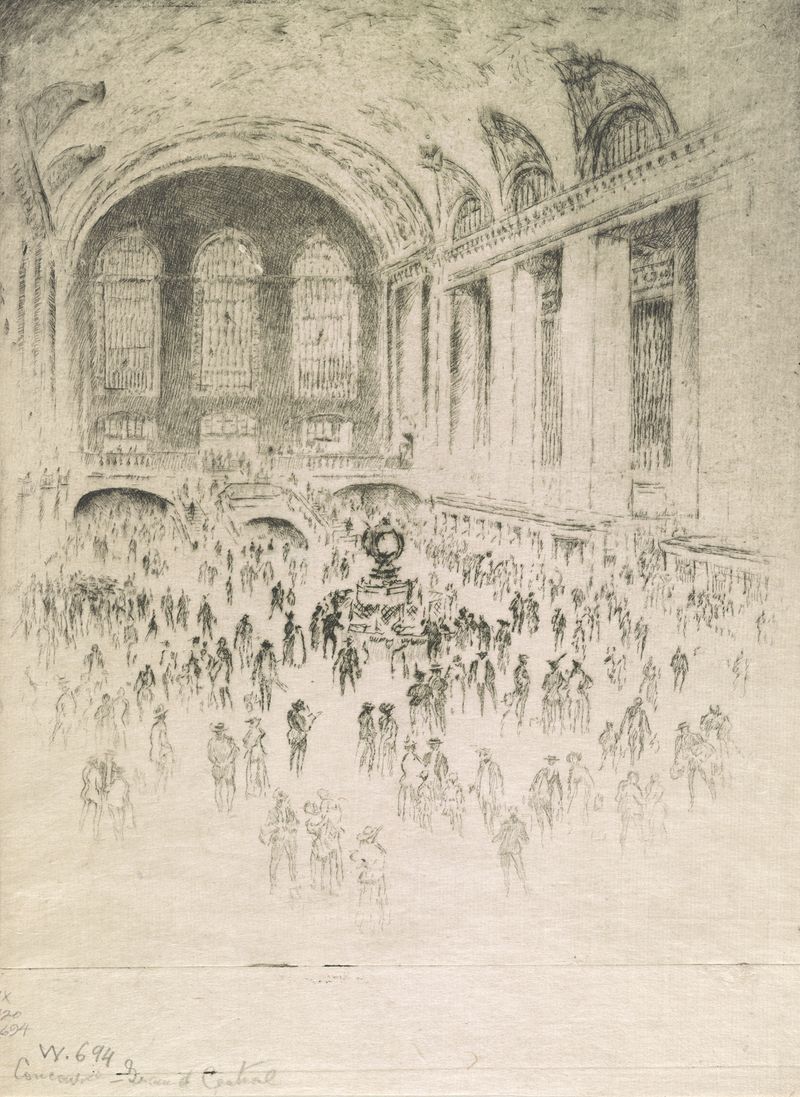
Concourse, Grand Central
Joseph Pennell
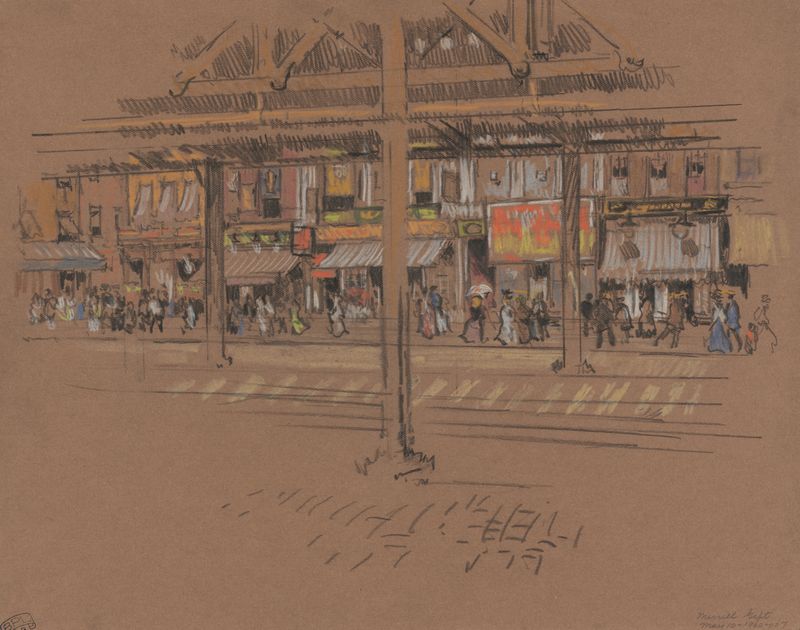
Sixth Avenue
Joseph Pennell
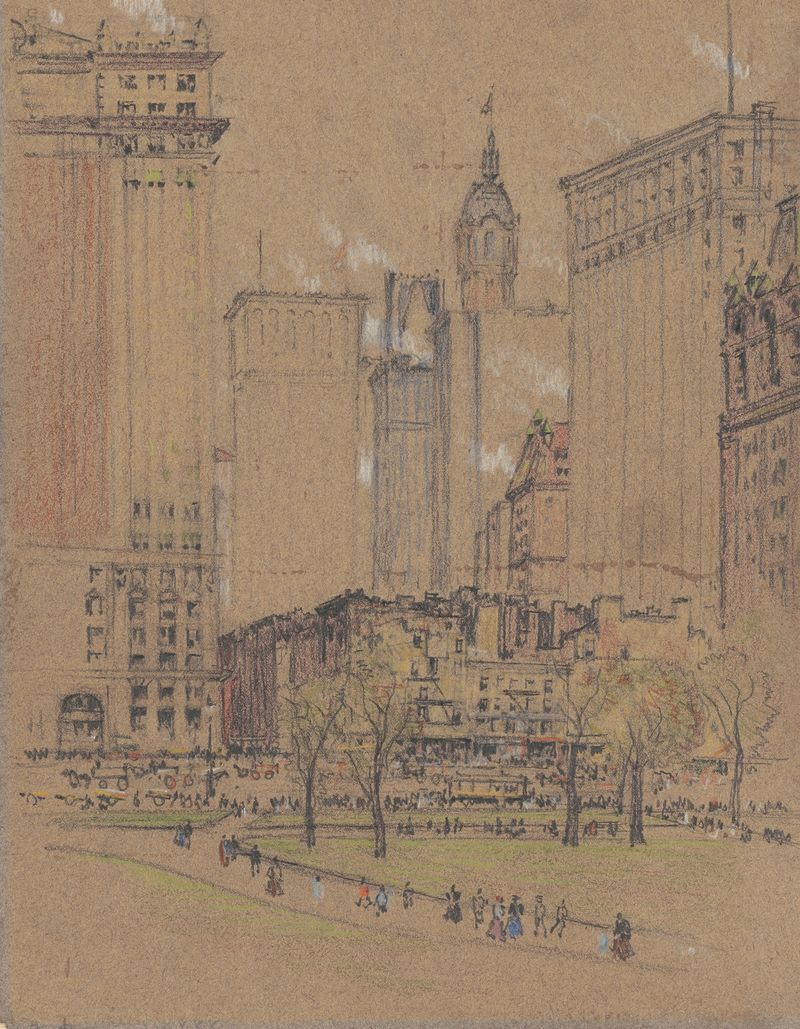
New York,the Old and the New
Joseph Pennell
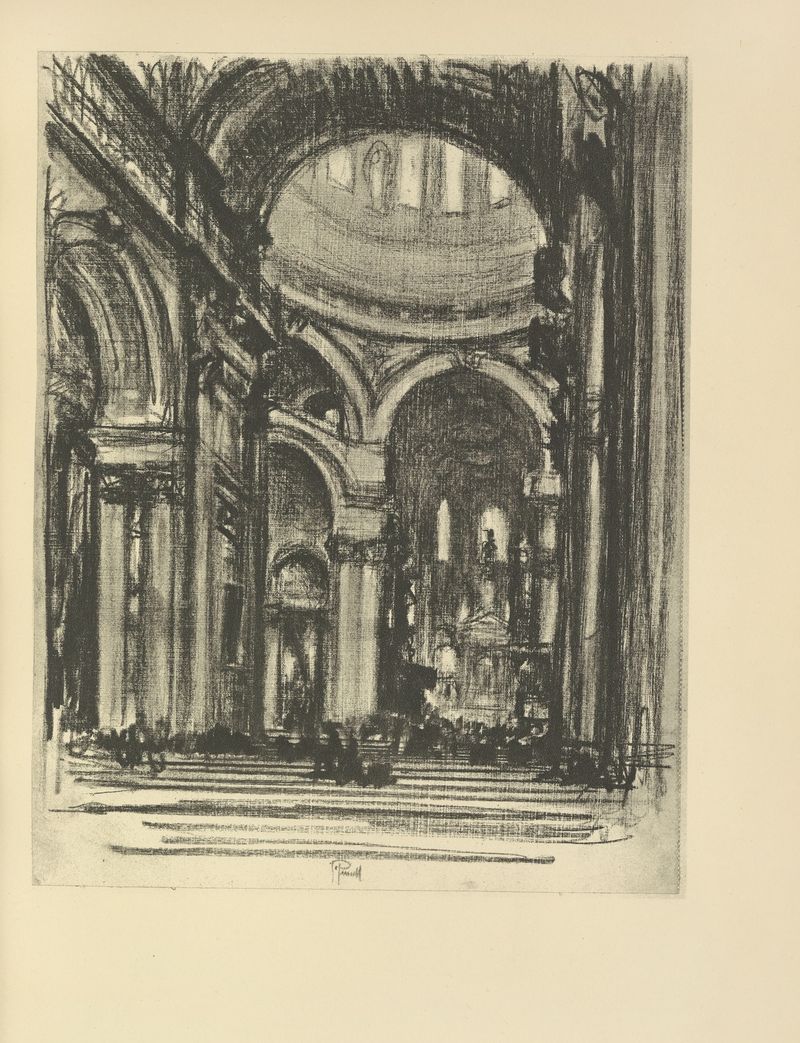
St. Paul’s, The Nave
Joseph Pennell
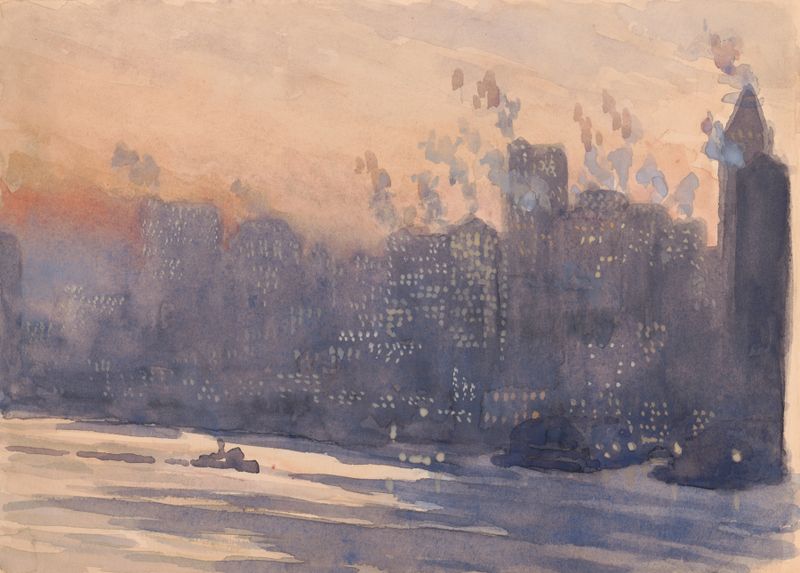
New York City harbor and skyline at night
Joseph Pennell
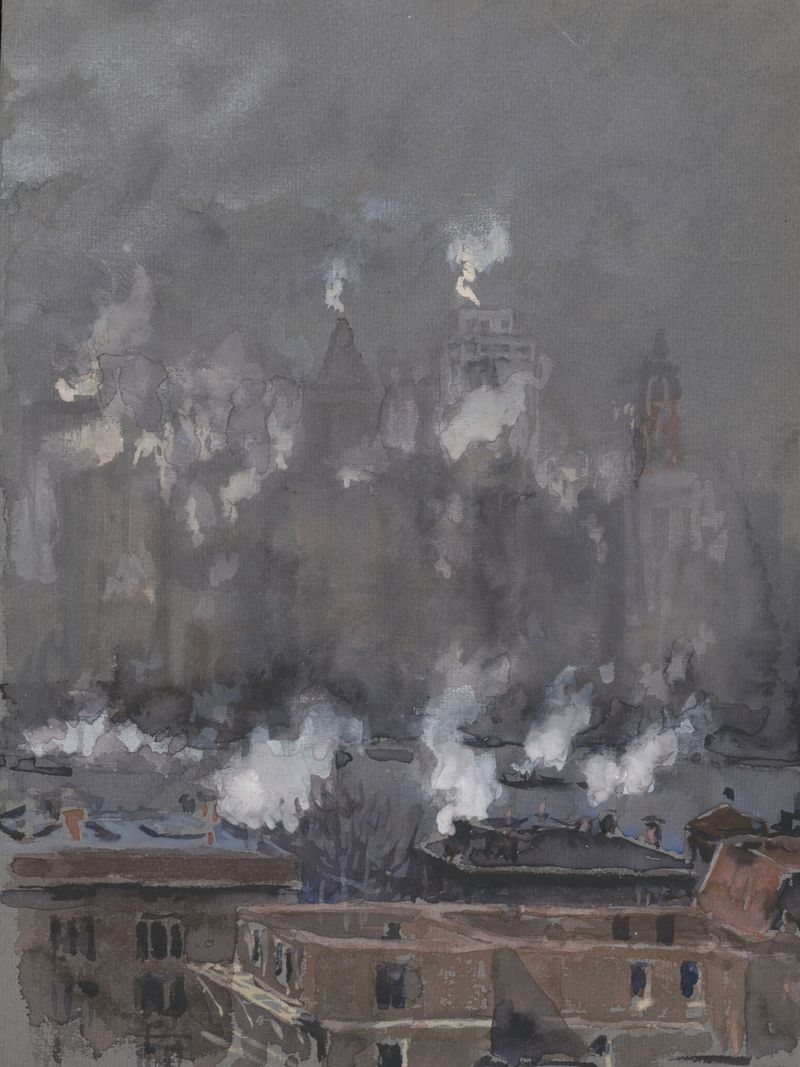
Smoke and fog on gray day, New York City
Joseph Pennell
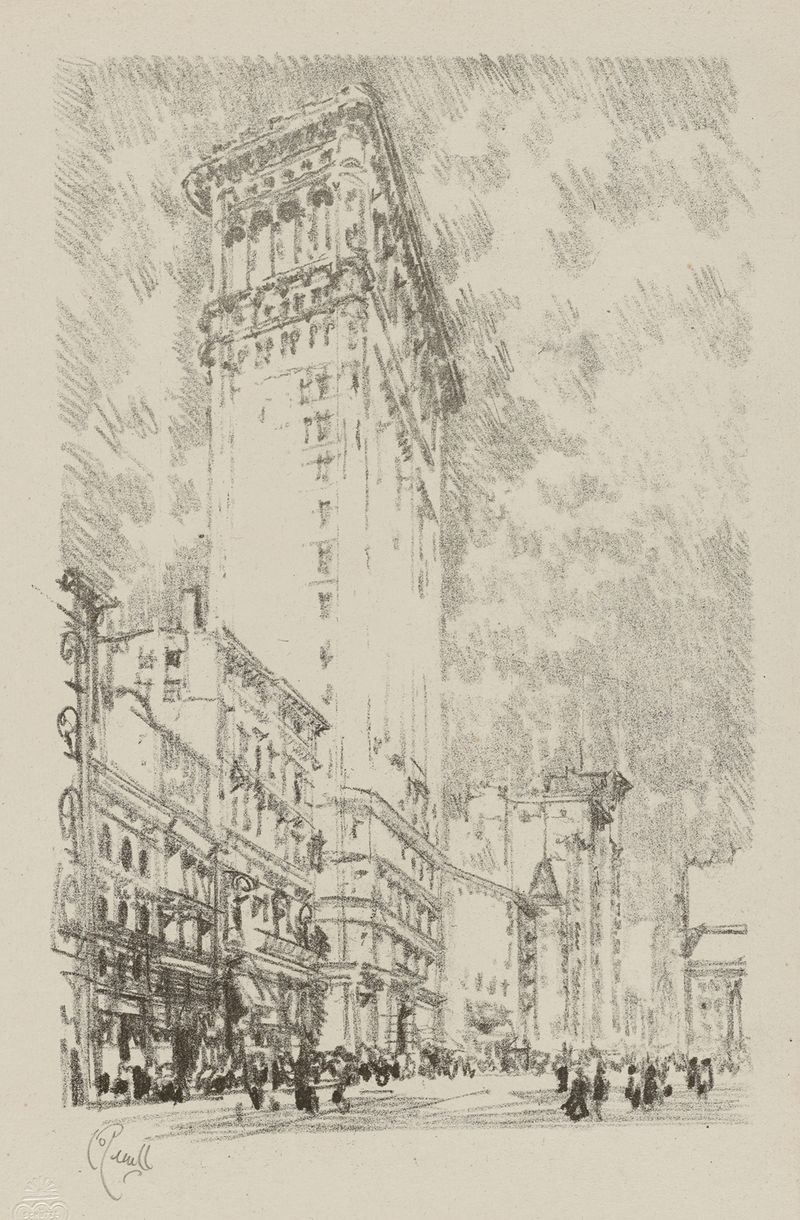
The Flat Iron
Joseph Pennell
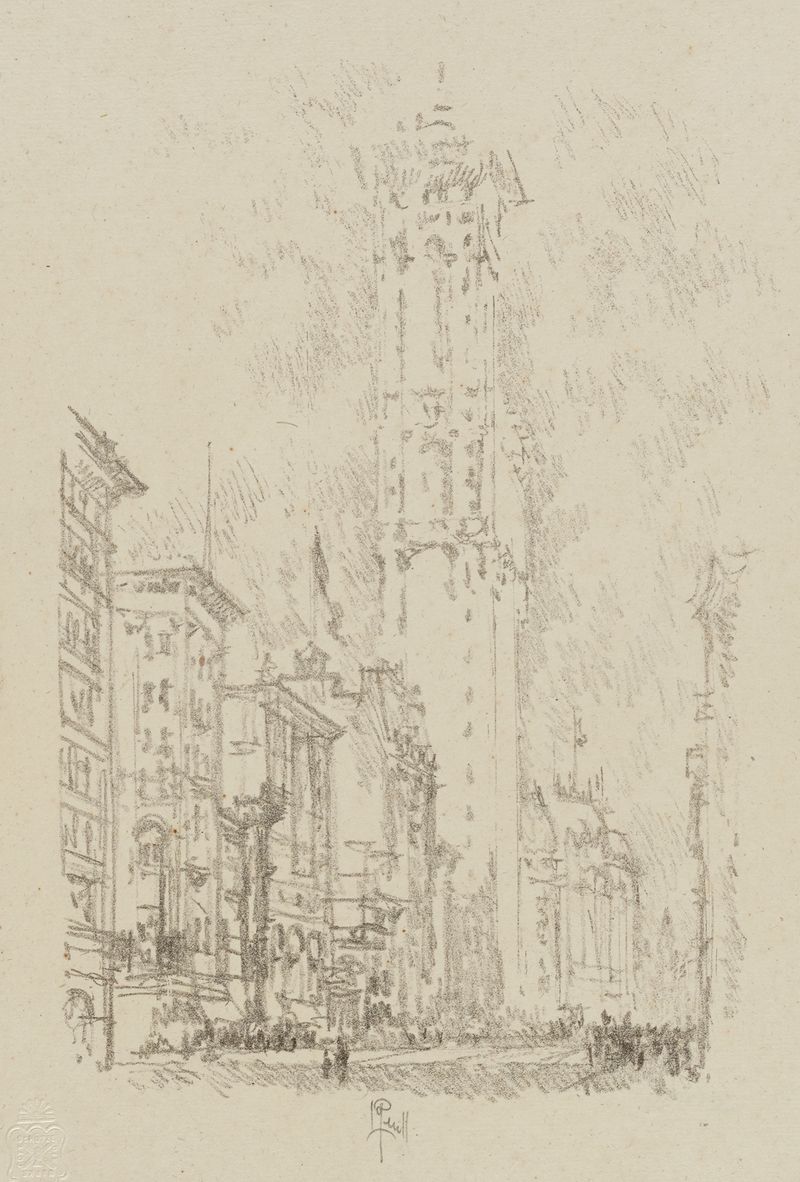
The Times Building
Joseph Pennell
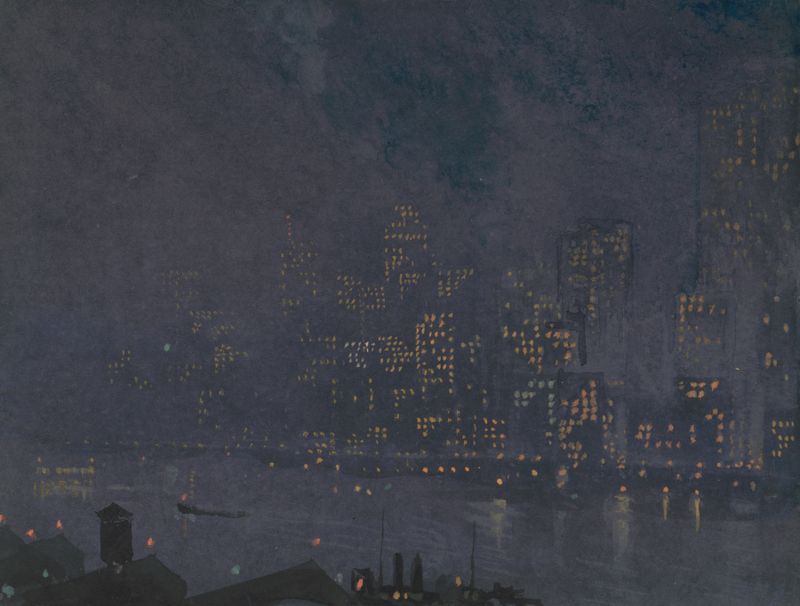
Skyscrapers at night
Joseph Pennell

St. James’ Park
Joseph Pennell
More Architecture Art
Browse all →
The statue of Liberty
Frédéric Auguste Bartholdi

View of Houses in Delft, Known as ‘The Little Street’
Johannes Vermeer

View of Houses in Delft, Known as ‘The Little Street’
Johannes Vermeer

The Cathedral in Rouen. The portal, Grey Weather
Claude Monet

The yellow house
Vincent van Gogh

The Church in Auvers-sur-Oise, View from the Chevet
Vincent van Gogh