
St. Peter’s Basilica from the Pincio, Rome — History & Facts
What if beauty was never meant to be finished? In Frederic Edwin Church's vision, the majestic chaos of nature intertwines with humanity's grandest creations, leaving us to ponder the harmony within disorder. Look to the center of the canvas, where St. Peter's Basilica rises against a dramatic sky, its domes accentuated by the warm glow of an impending sunset. The detailed brushwork captures the ornate architecture in striking clarity while the surrounding trees and landscape seem to pulsate with life, their vibrant greens contrasting against the stone's cool hues.
Notice how the soft light bathes the scene, creating a palpable sense of warmth that draws the eye toward this architectural marvel, standing resolute yet delicate amid the fury of nature. As the viewer explores further, a tension emerges between the serene beauty of the basilica and the chaotic, swirling clouds above. Light and shadow create an atmosphere of impending change, as if the world is on the brink of transformation. This interplay of stability and turbulence reflects the complexities of faith and the human experience, suggesting that even in moments of triumph, chaos always lurks nearby, waiting to reshape our understanding of beauty and existence. In late 1868 or early 1869, Church painted this work while living in New York City, amidst a flourishing art scene that was increasingly influenced by the Hudson River School.
This period marked a transition in Church's career, as he grappled with personal loss and the shifting landscape of the American ethos post-Civil War. His exploration of nature and architecture in St. Peter’s Basilica from the Pincio, Rome reflects both a celebration of beauty and an acknowledgment of the chaos that accompanies it.
More Artworks by Frederic Edwin Church
Browse all →
Niagara
Frederic Edwin Church
Cotopaxi
Frederic Edwin Church
Cotopaxi
Frederic Edwin Church
Niagara Falls, from the American Side
Frederic Edwin Church
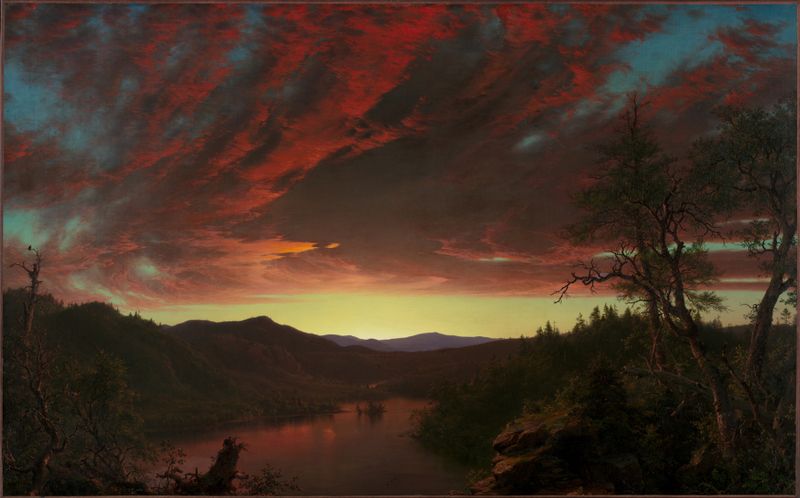
Twilight in the Wilderness
Frederic Edwin Church
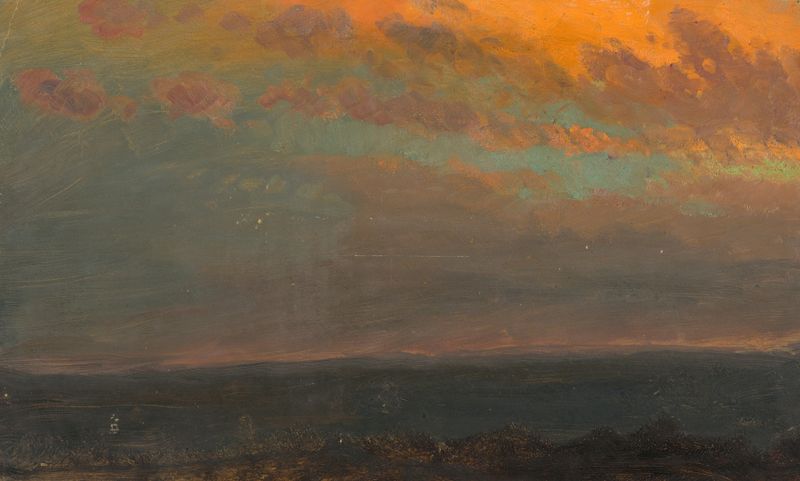
Hudson Valley at Sunset
Frederic Edwin Church
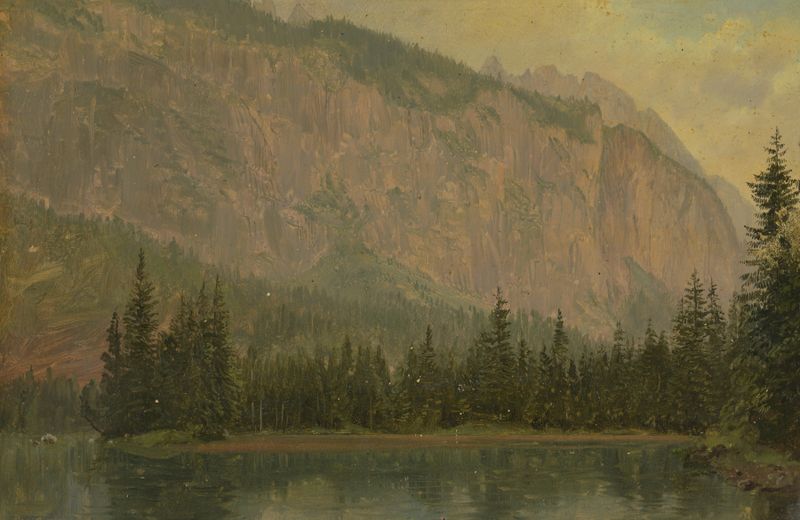
The Hintersee, near Berchtesgaden, Bavaria
Frederic Edwin Church
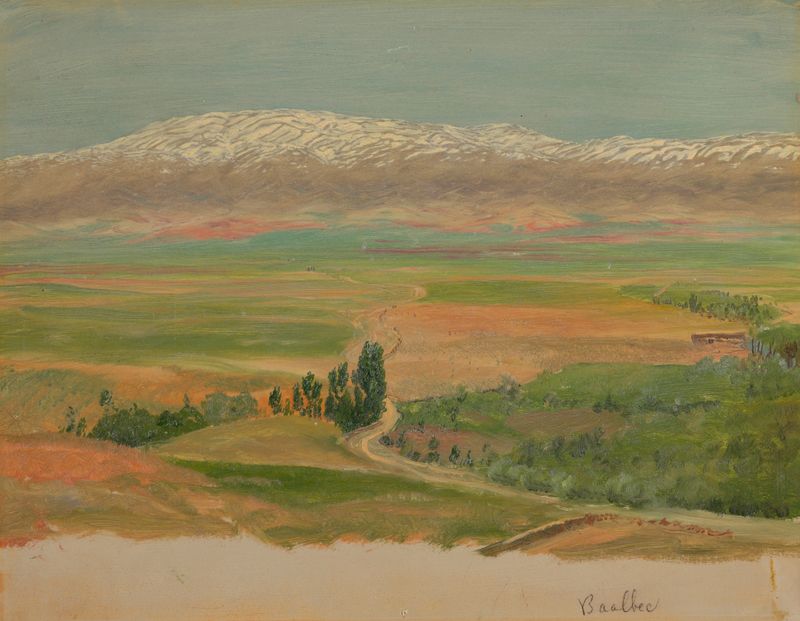
Mountains near Baalbec
Frederic Edwin Church
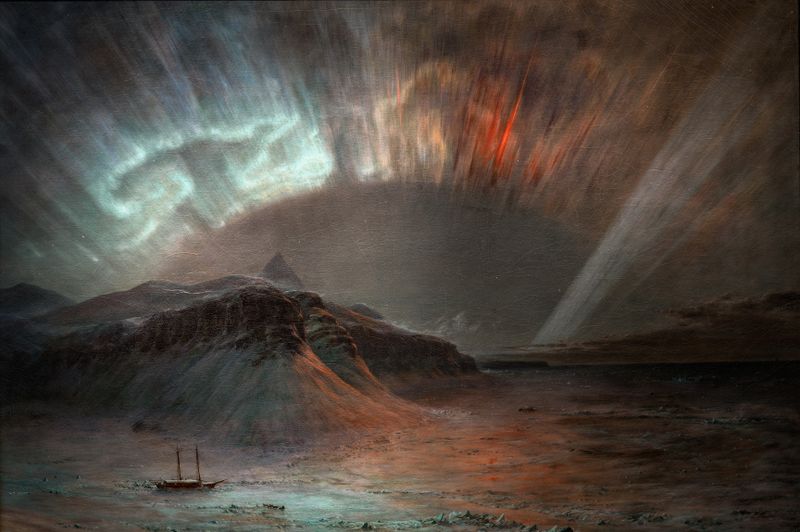
Aurora Borealis
Frederic Edwin Church
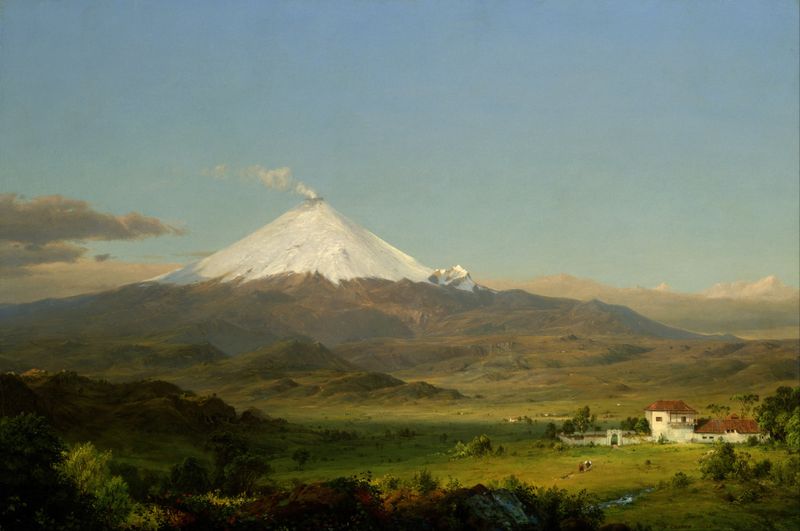
Cotopaxi
Frederic Edwin Church
More Architecture Art
Browse all →
The statue of Liberty
Frédéric Auguste Bartholdi

View of Houses in Delft, Known as ‘The Little Street’
Johannes Vermeer

View of Houses in Delft, Known as ‘The Little Street’
Johannes Vermeer

The Cathedral in Rouen. The portal, Grey Weather
Claude Monet

The yellow house
Vincent van Gogh

The Church in Auvers-sur-Oise, View from the Chevet
Vincent van Gogh