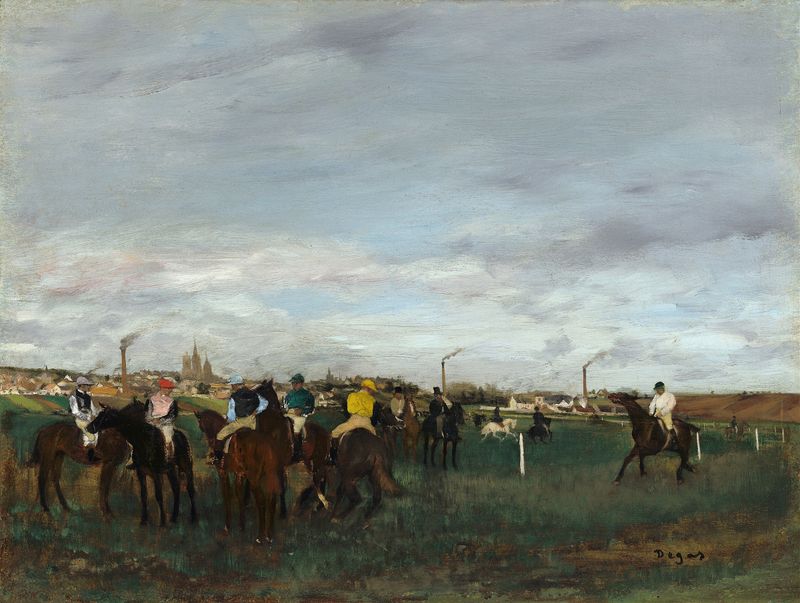
Staand en liggend schaap — History & Facts
What if beauty was never meant to be finished? Instead, it exists in a fleeting moment, captured and contemplated — a reminder of life’s transience and cycles of rebirth. Focus on the vibrant greens that cradle the sheep in Staand en liggend schaap. The lush pastures envelop the animals, creating a serene setting that draws your eye immediately. Notice the way the light dances across their wool, accentuating textures and casting gentle shadows that suggest a tranquil afternoon.
The juxtaposition of the standing and lying sheep invites contemplation, embodying both stillness and movement, life and rest. Beneath this pastoral scene lies a profound dialogue about existence. The standing sheep gazes into the distance, perhaps symbolizing vigilance or the spirit of exploration, while its companion, prone on the ground, embodies a sense of contentment, or even surrender. Together, they evoke the dualities of life — engagement versus repose, awareness versus oblivion.
The interplay of light reinforces this conversation, illuminating the vitality of the living while subtly hinting at the inevitable passage of time. In the years 1648 to 1652, Nicolaes Pietersz Berchem painted this work during a period marked by the flourishing Dutch Golden Age. He was immersed in a vibrant art scene, characterized by a growing appreciation for pastoral themes and naturalistic landscapes. Berchem, known for his idyllic depictions, sought to capture the essence of rural life, drawing from his travels across Italy and the Netherlands, as he explored the interplay between nature and humanity’s place within it.
More Artworks by Nicolaes Pietersz Berchem
Browse all →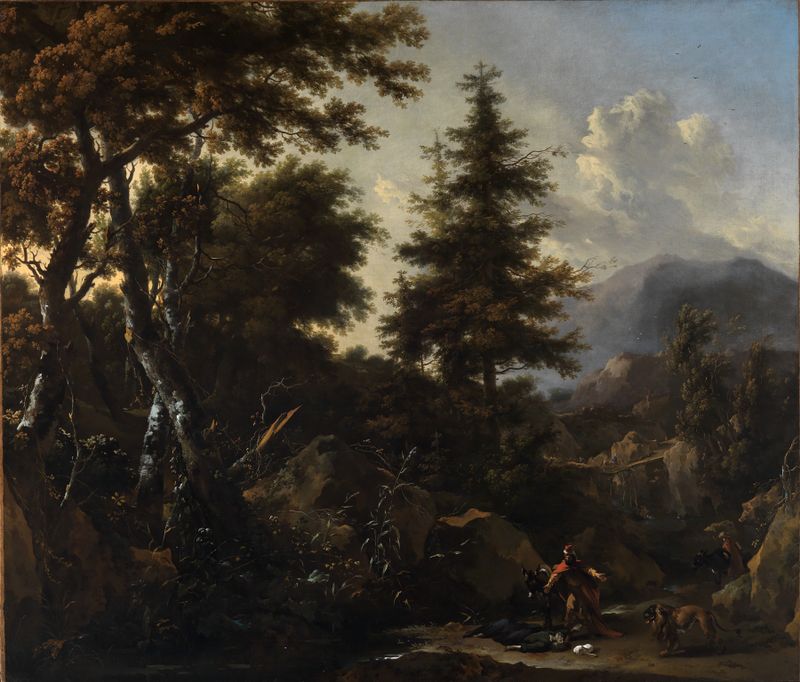
Schlucht im Bergwald mit alttestamentlicher Staffage
Nicolaes Pietersz Berchem
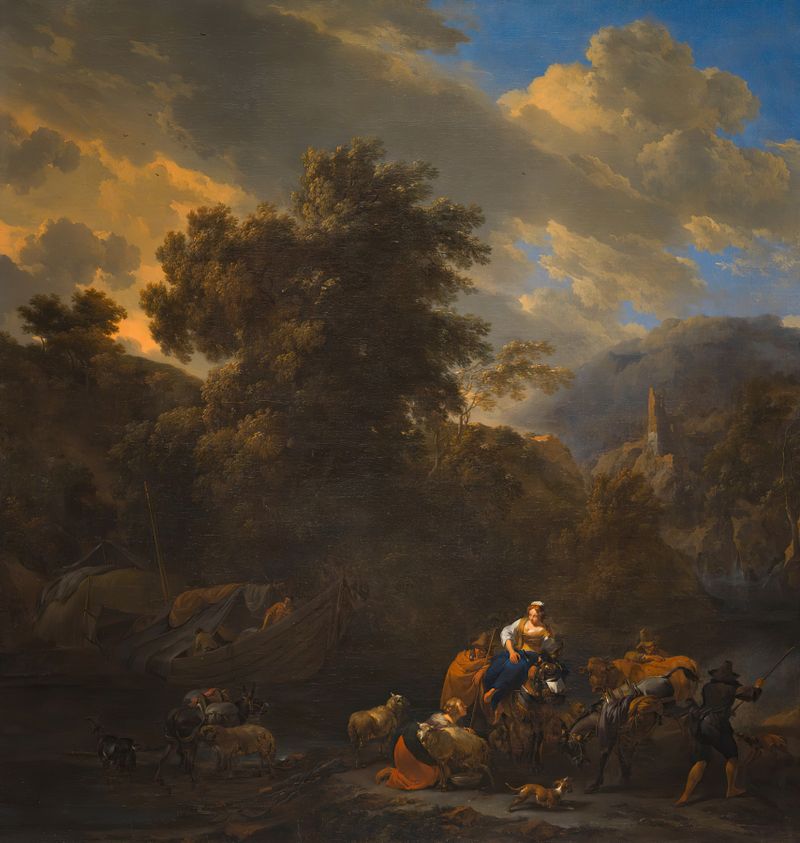
Italianate Landscape with Figures and Pack Animals on the Banks of a River
Nicolaes Pietersz Berchem
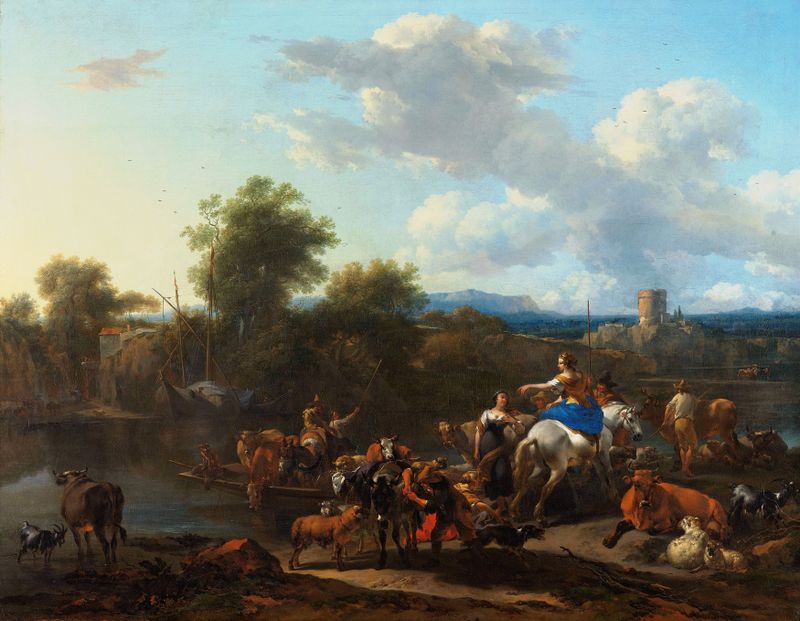
The Cattle Ferry
Nicolaes Pietersz Berchem
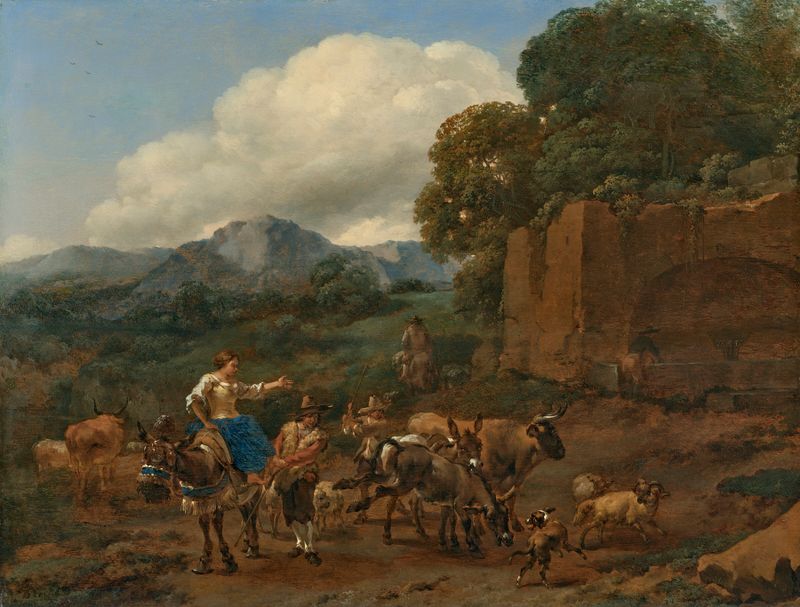
An Italianate landscape with a shepherdess on a mule and a shepherd, herding cattle, sheep, donkeys and dogs on a mountain track next to ruins
Nicolaes Pietersz Berchem
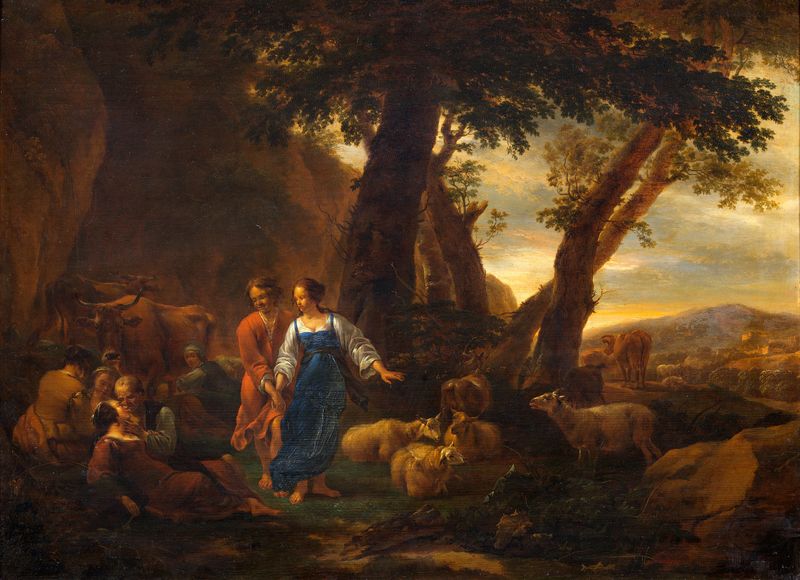
Landscape with Peasants and Cattle
Nicolaes Pietersz Berchem
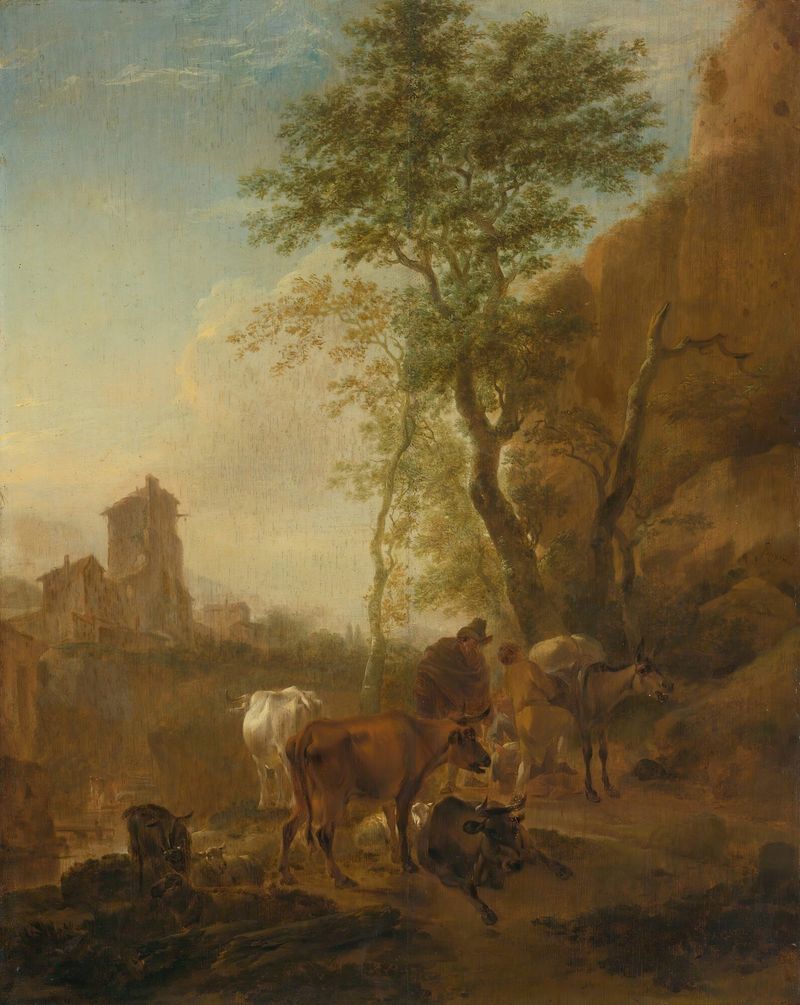
Italianate Landscape With Cows
Nicolaes Pietersz Berchem
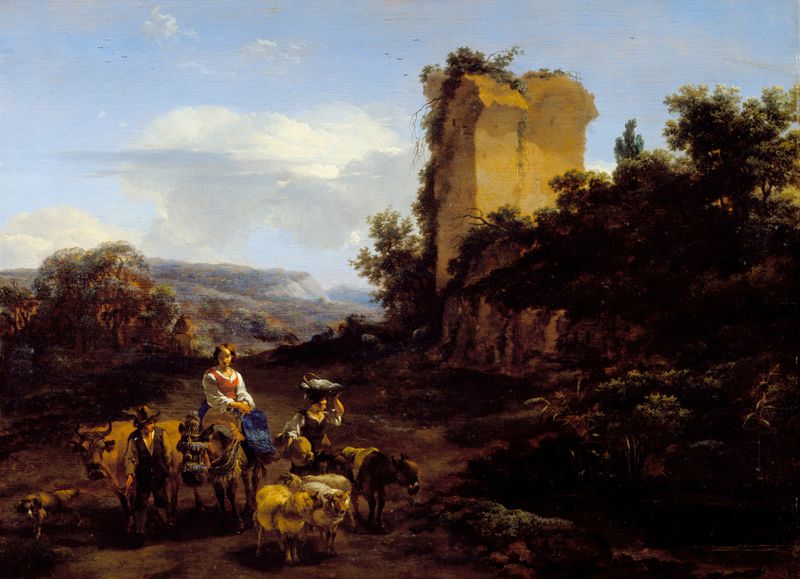
Landscape with Ruins and Travelers
Nicolaes Pietersz Berchem
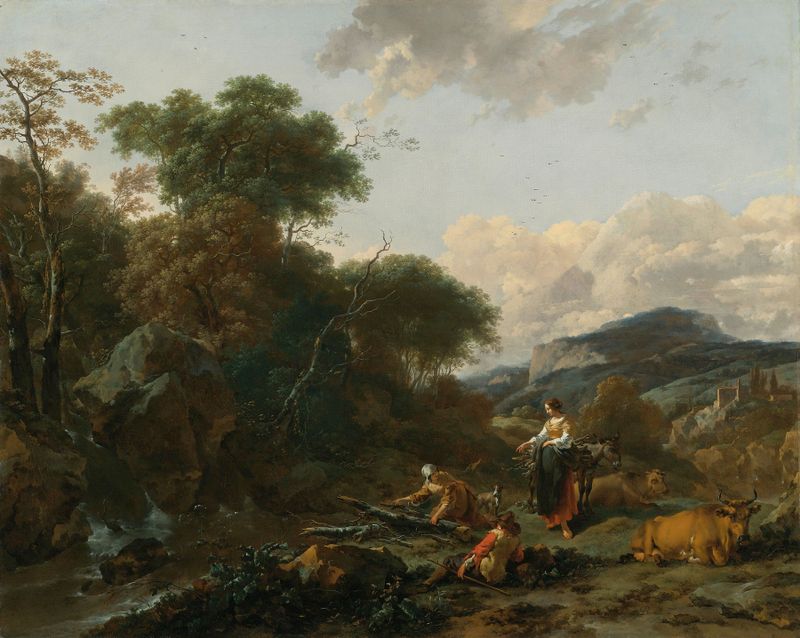
A Landscape With Figures
Nicolaes Pietersz Berchem
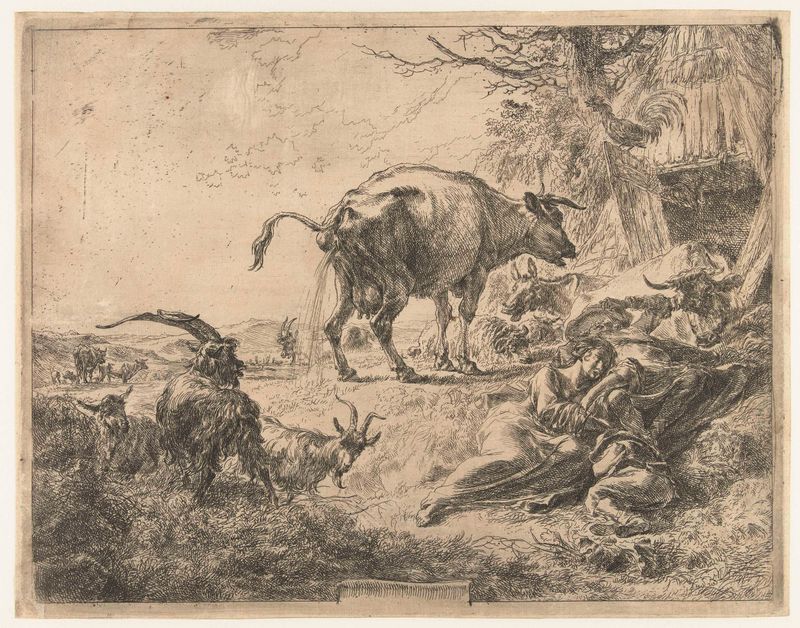
Slapende herdersfamilie en rustend vee
Nicolaes Pietersz Berchem
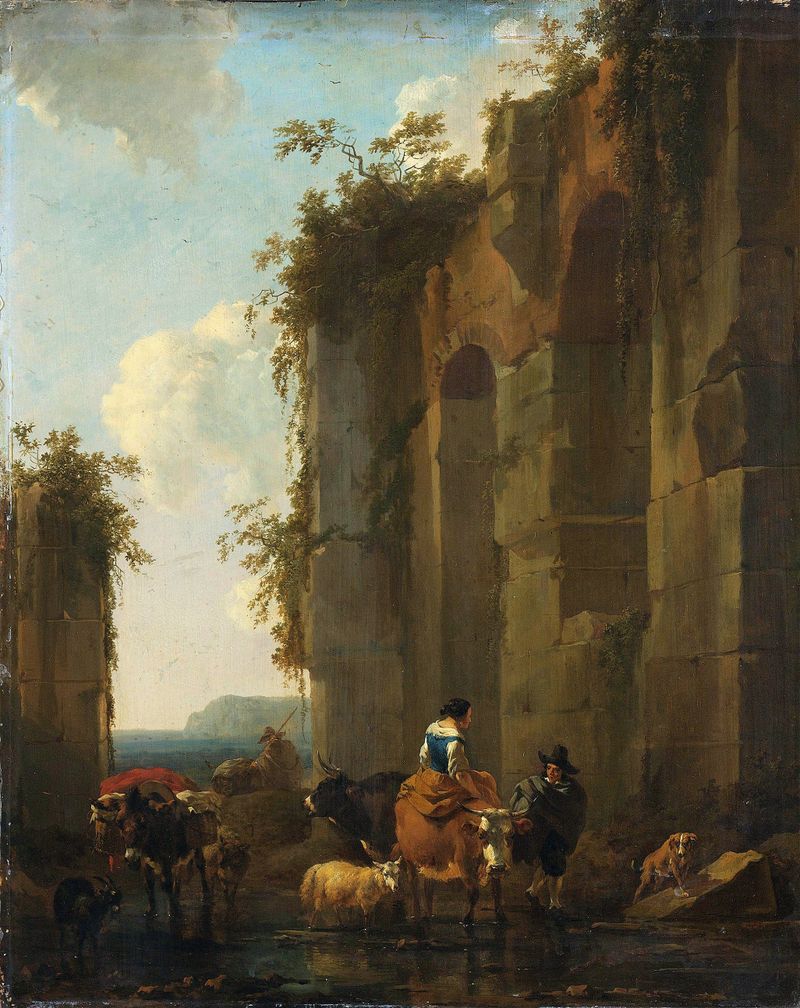
Ruins in Italy
Nicolaes Pietersz Berchem