Staande leeuw — History & Facts
Could beauty survive in a century of chaos? In Wenceslaus Hollar's Staande leeuw, the answer lies in the majestic lion, a symbol of strength and grace, poised with an air of nobility. Look to the center of the composition, where the lion stands proudly against a muted backdrop. The intricate line work captures every sinew of muscle, the gentle curve of its mane, while soft, earthy tones breathe life into its powerful form. Notice how the delicate shading creates depth and texture, revealing the light that dances across its body, illuminating the fierce expression that hints at both power and tranquility. Beneath the lion's fierce gaze lies a deeper commentary on the nature of existence itself.
The juxtaposition of its regal stance within the confines of a modest setting speaks to the persistence of beauty amid turbulence. This creature, often seen as a king of the savanna, here embodies not just strength, but vulnerability, reflecting the fragility of life in an age marked by upheaval and uncertainty. The artwork invites contemplation on the duality of strength and gentleness, prompting viewers to ponder their own resilience. Created in 1649, during a tumultuous period in Europe marked by the Thirty Years' War and shifting artistic movements, Hollar's work emerges from a time of strife.
Living in England as a refugee from the Bohemian Wars, he found solace in the natural world, translating his experiences into visual form. This piece, among many others, showcases his mastery of etching and his keen observation of the world, offering a poignant reminder of the beauty that can endure even in times of crisis.
More Artworks by Wenceslaus Hollar
Browse all →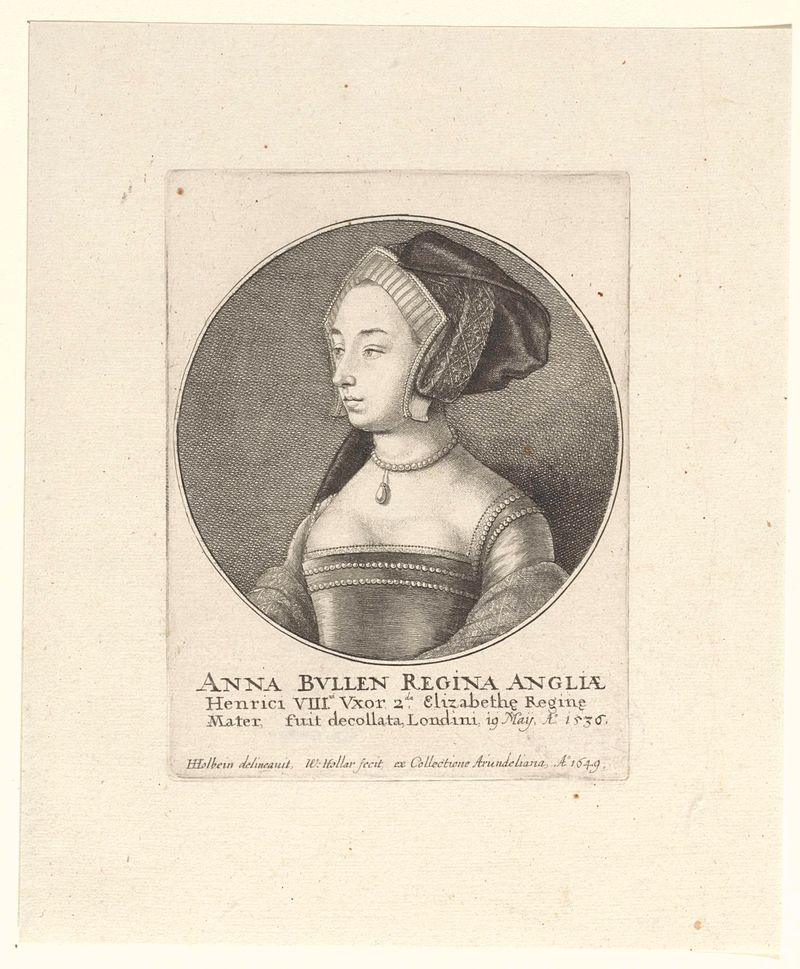
Portret van Anna Boleyn, koningin van Engeland
Wenceslaus Hollar
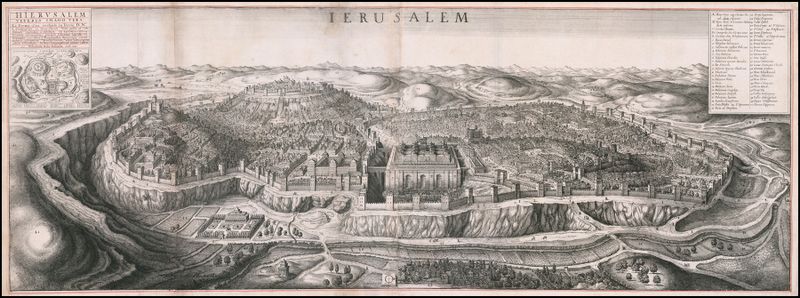
Bird’s eye view of Jerusalem
Wenceslaus Hollar
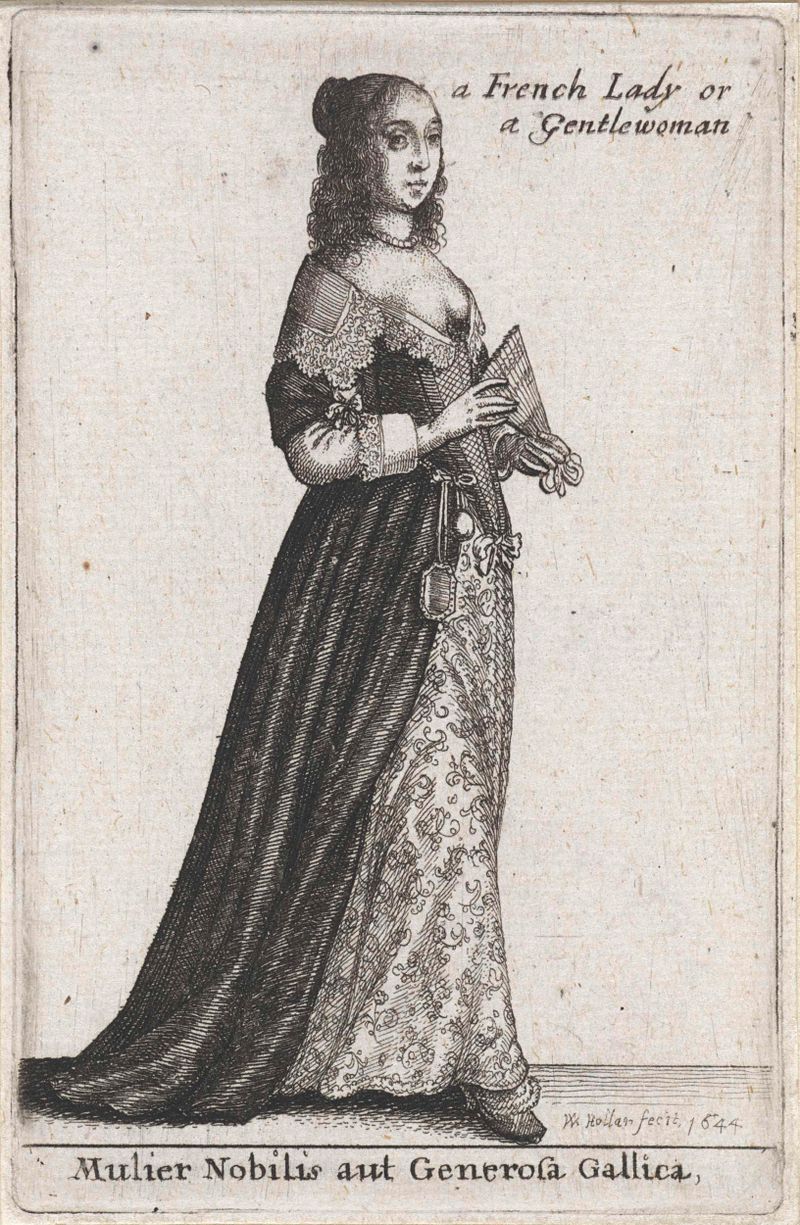
Mulier Nobilis aut Generosa Gallica / a French Lady or Gentlewoman
Wenceslaus Hollar
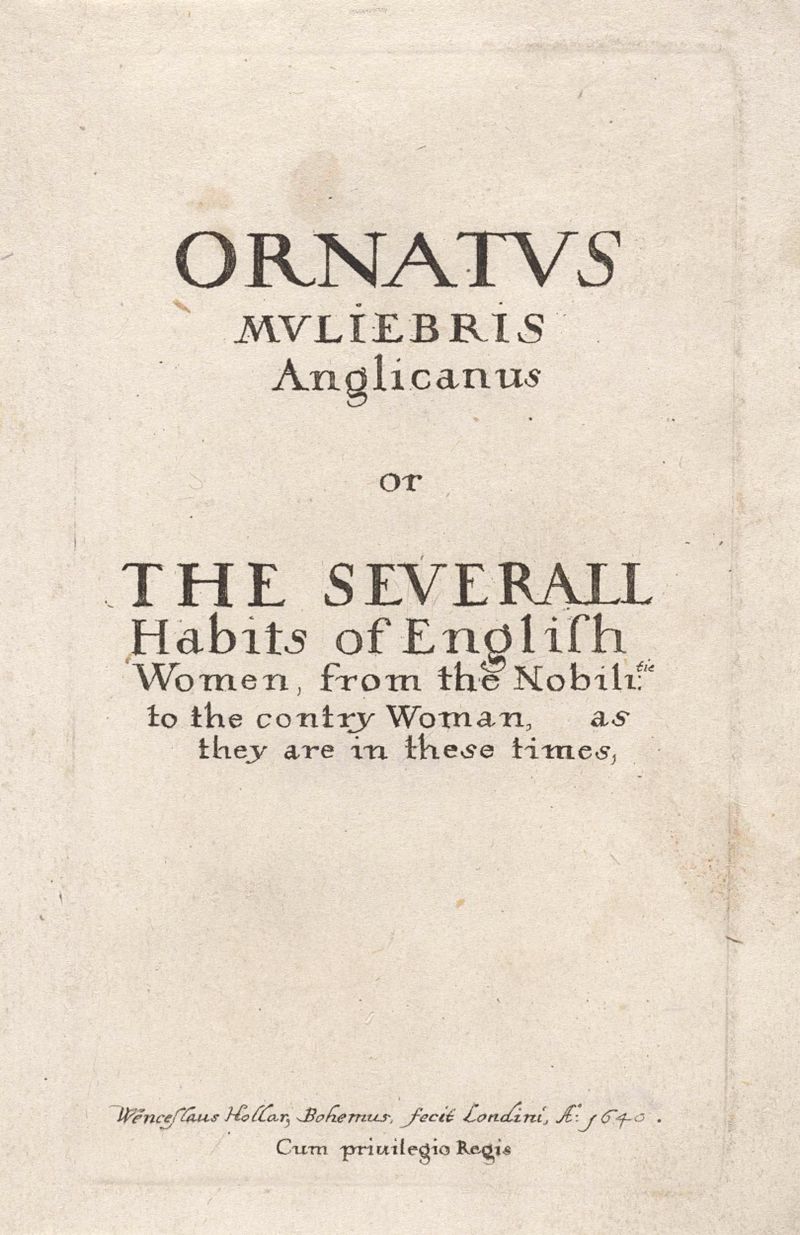
Titelprent voor: Ornatus Muliebris Anglicanus
Wenceslaus Hollar
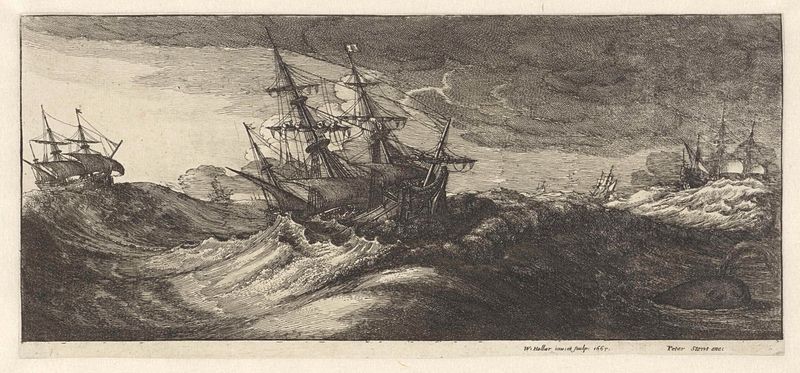
Oorlogsschepen en een walvis in een zeestorm
Wenceslaus Hollar
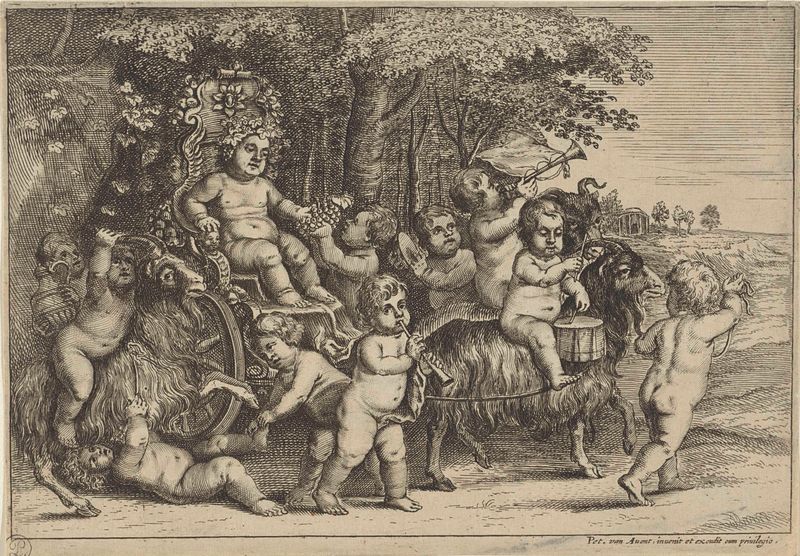
Optocht van bacchant en jongetjes op geiten
Wenceslaus Hollar
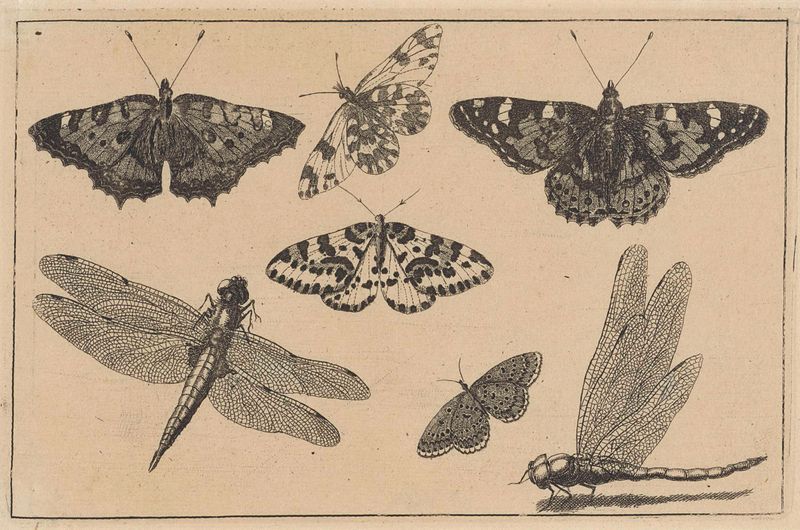
Twee libellen en vijf vlinders
Wenceslaus Hollar
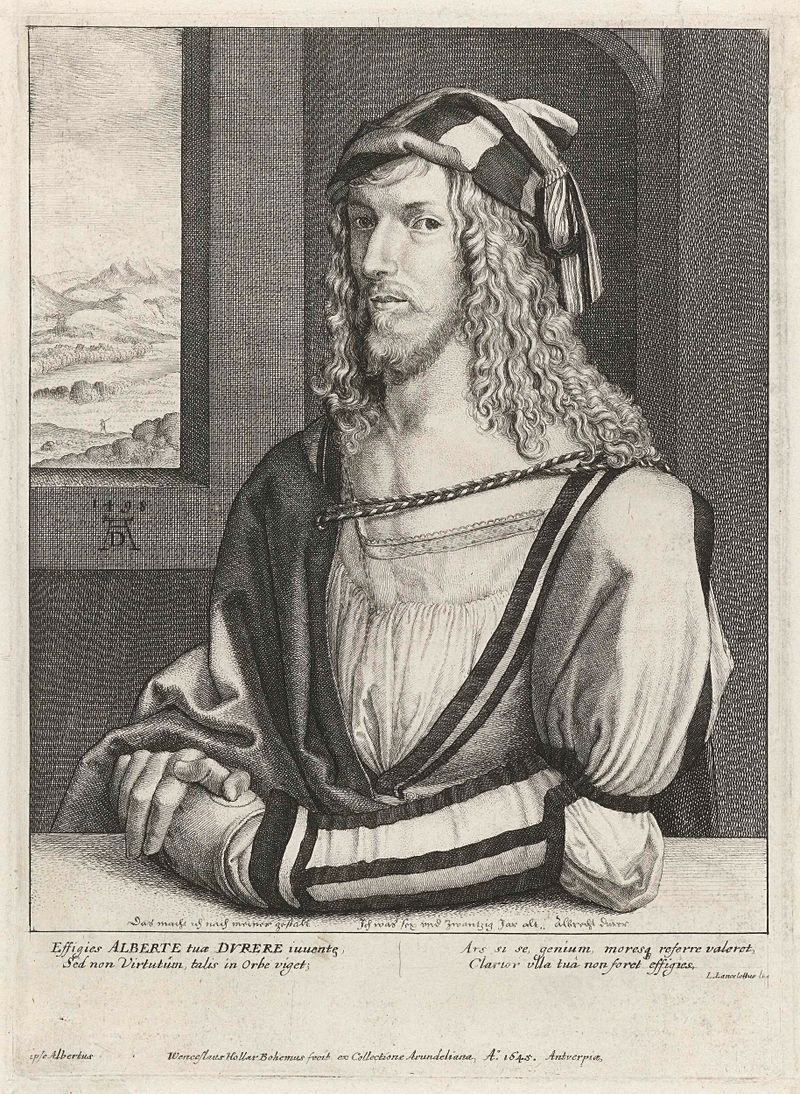
Portret van Albrecht Dürer
Wenceslaus Hollar
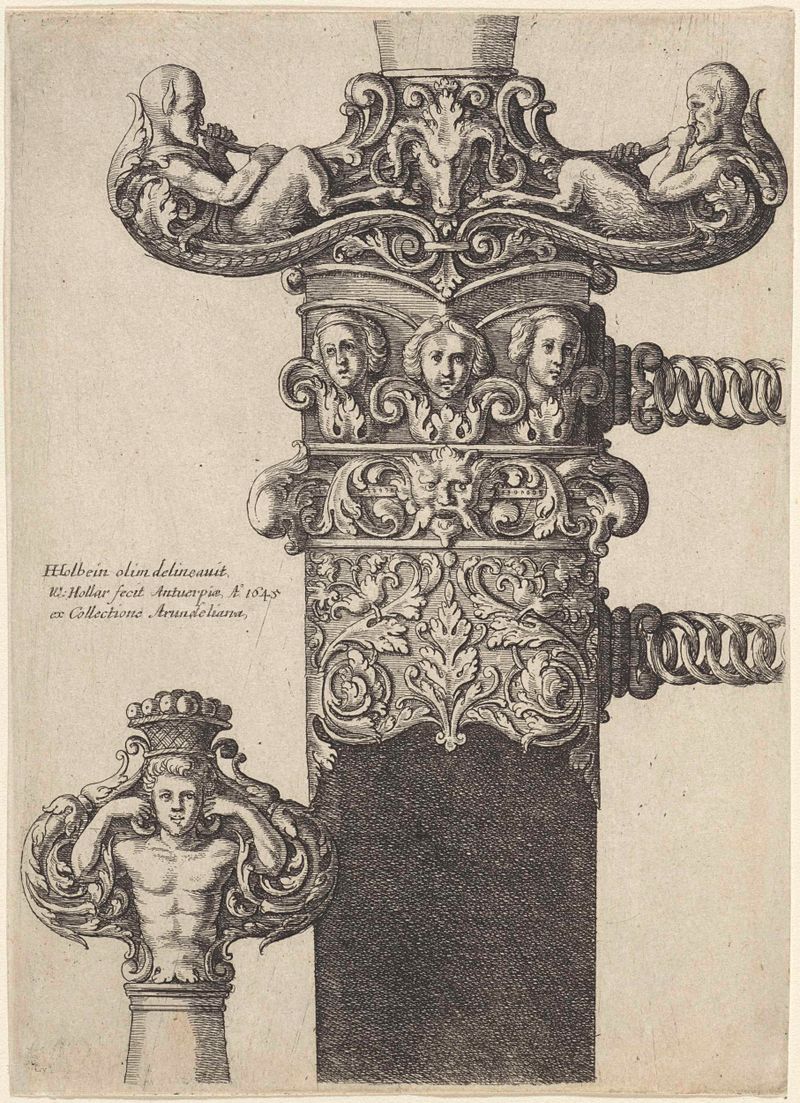
Ornamenteel ontwerp voor een dolk
Wenceslaus Hollar
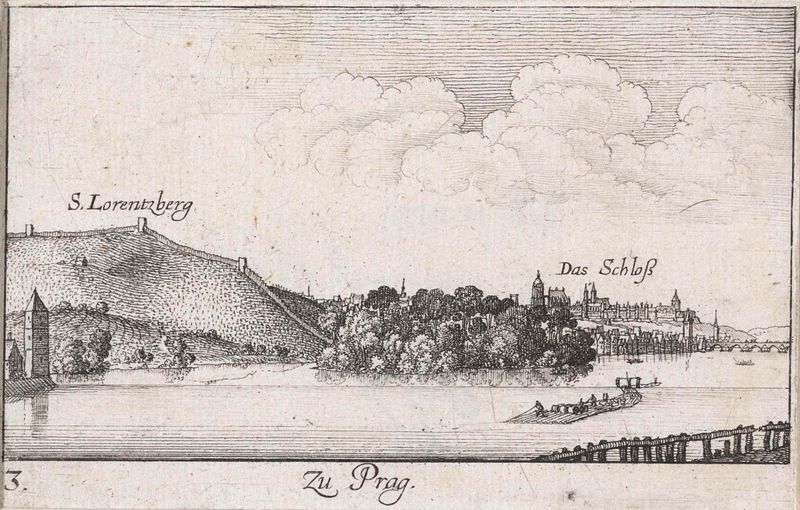
Gezicht op Praag vanaf de Moldau
Wenceslaus Hollar