
Staande vrouw met kruik in hand en mand op haar hoofd — History & Facts
Did the painter know this moment would outlive them? In Staande vrouw met kruik in hand en mand op haar hoofd, a solitary figure stands poised in quiet dignity, capturing the essence of loneliness that transcends time. Look to the center of the canvas, where the woman commands presence, her tall frame accentuated by the flowing drapery of her garment. Notice how the light falls on her face, emphasizing the contours of her expression, a blend of resilience and vulnerability. The muted earth tones envelop her, creating a stark contrast with the vibrant colors of the jug and basket that she carries, suggesting a balance of burden and beauty. Within this tableau lies an exploration of isolation.
The woman's solitary stance suggests a distanced connection to the viewer, evoking empathy yet retaining an air of mystery. The slight tilt of her head, combined with her downcast gaze, invites contemplation of her internal world—a narrative woven into the stillness of the moment. This tension between the ordinary act of carrying goods and the profound solitude of her existence speaks to the universal experience of loneliness. During the years 1642 to 1664, Cornelis Pietersz.
Bega painted in the Netherlands, a period marked by shifts in socio-economic conditions and the rise of genre painting. Emerging from the influence of the Dutch Golden Age, he focused on daily life, capturing the nuances of human experience. The world around him was rich with new ideas, yet here he chose to depict a moment of quiet introspection, a testament to the human spirit amidst the changing tides of life.
More Artworks by Cornelis Pietersz. Bega
Browse all →
Mannen en jonge vrouw in herberg
Cornelis Pietersz. Bega

Twee mannen en vrouw met kind zittend in herberg
Cornelis Pietersz. Bega
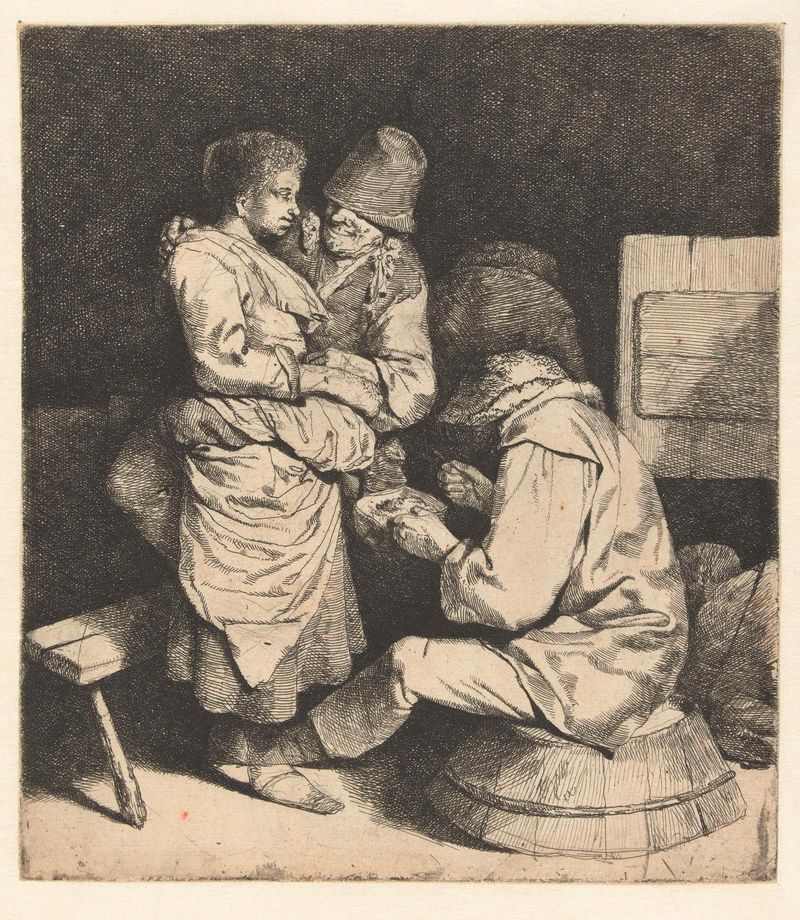
Vrouw vastgepakt door man, andere man zit te eten in herberg
Cornelis Pietersz. Bega

Jonge vrouw zittend met een pijp
Cornelis Pietersz. Bega

Staande vrouw vastgepakt door man, andere man kijkt toe in herberg
Cornelis Pietersz. Bega
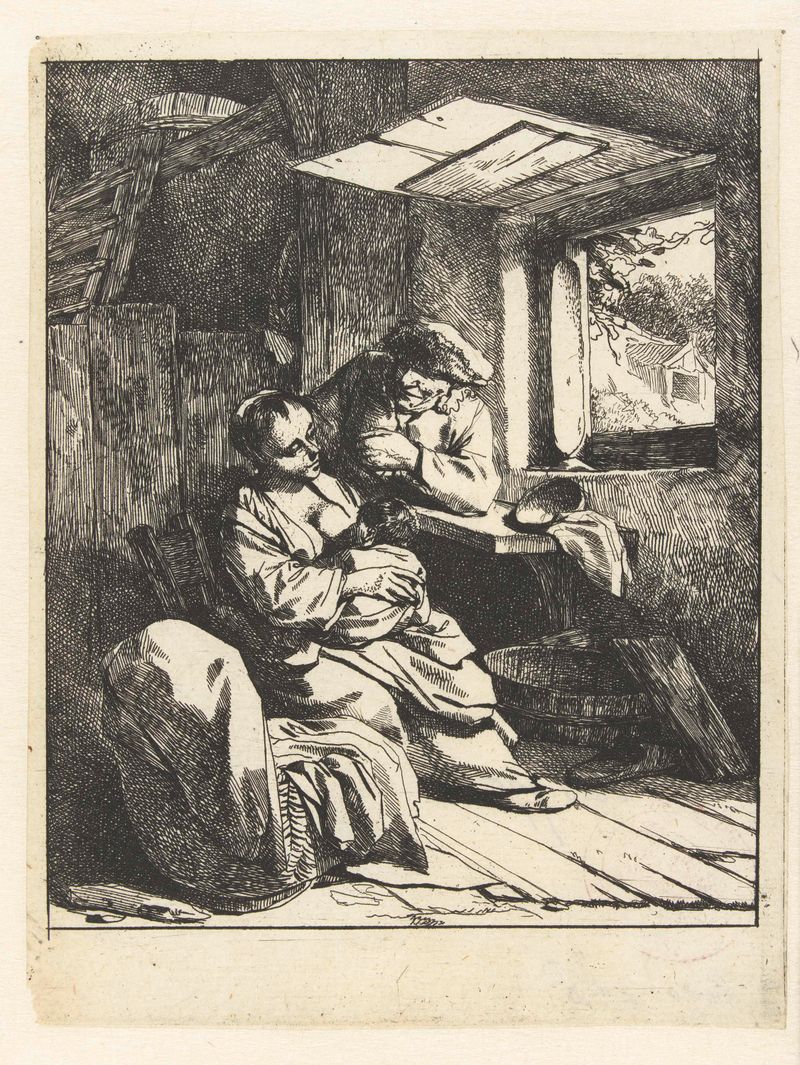
Vrouw met kind en man bij wieg in interieur met open raam
Cornelis Pietersz. Bega
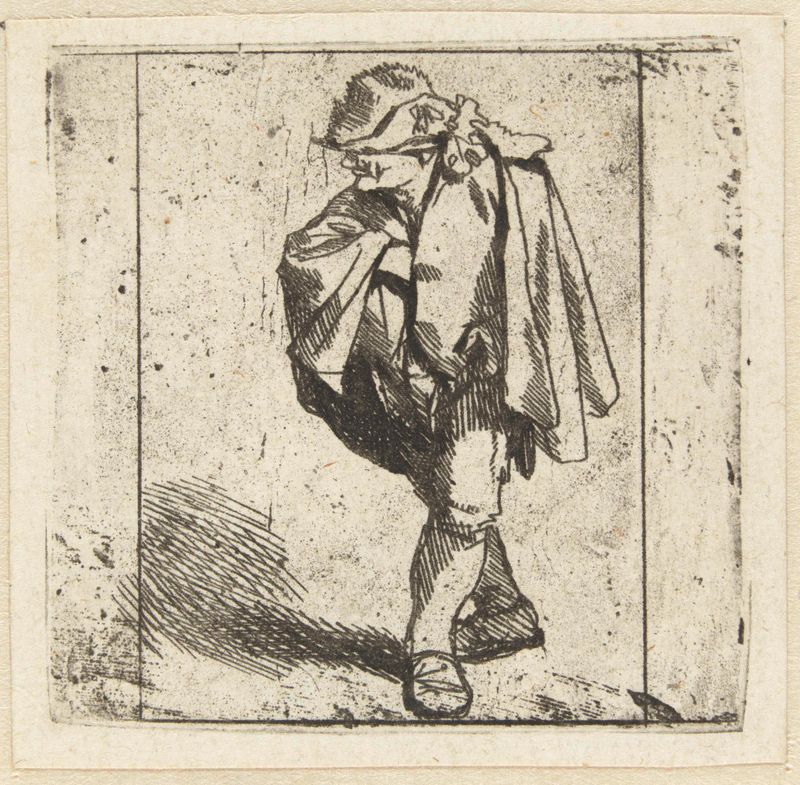
Staande man met de rechterhand op de borst in zijn mantel gestoken
Cornelis Pietersz. Bega
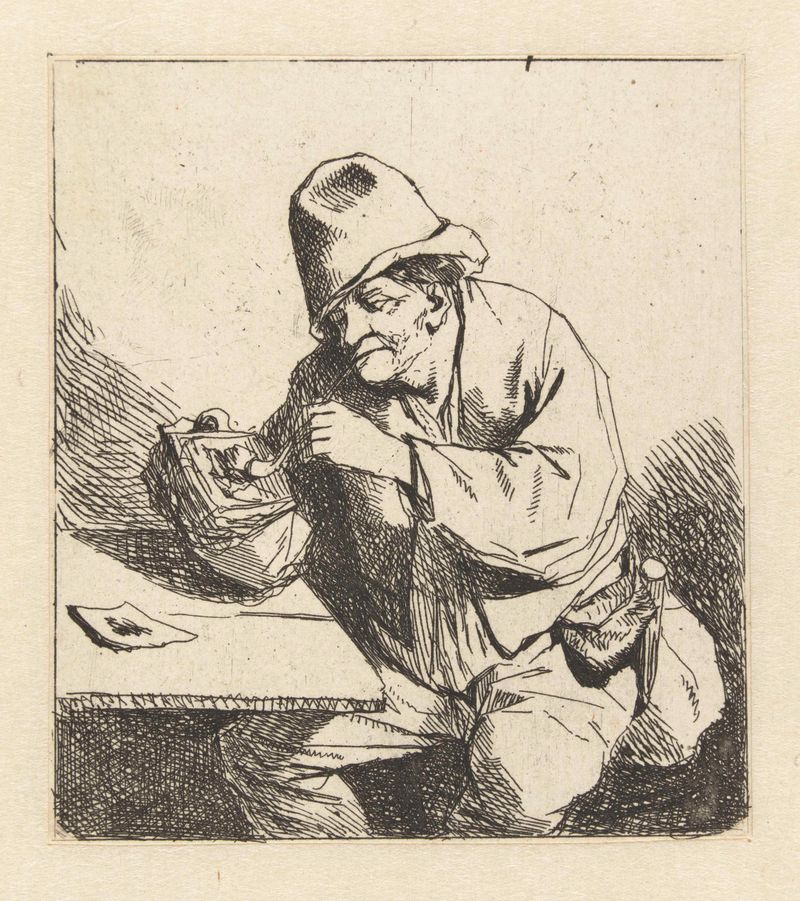
Zittende man steekt pijp aan
Cornelis Pietersz. Bega

Man zittend op ton met kruik in handen
Cornelis Pietersz. Bega

Liefdespaar
Cornelis Pietersz. Bega





