
Stadsgezicht in Giovenazzo — History & Facts
What lies beneath the surface of serenity in a landscape can often tell a tale of hidden struggles and unspoken histories. In the gentle embrace of a calming coastal scene, one is invited to explore not only the beauty of nature but the complexities of human emotion entwined within it. Focus first on the delicate interplay of light in Stadsgezicht in Giovinazzo, where the sun bathes the quaint town in a warm, golden hue. Look at the luminous reflections dancing on the water's surface, creating a vibrant contrast with the dark, sturdy architecture lining the shore.
The meticulous attention to detail in the clouds above, tinged with soft blues and grays, draws your gaze upward, suggesting a dialogue between earth and sky, stability and transience. Delve deeper into the composition, where the rugged cliffs serve as both a backdrop and a barrier, embodying the struggle between man and nature. The gentle waves lapping at the shore whisper of resilience and longing, while the presence of the figures in the foreground reveals a fleeting moment of connection, hinting at life's fragility against the permanence of the landscape. Each brushstroke captures not just the scenery but the layered narratives of the lives within it, reminding us that beauty often coexists with melancholy. In 1778, Ducros painted this piece during a period of travel across Italy, where he sought to capture the essence of the landscape and the human condition.
The artist was immersed in the transition of Neoclassicism to Romanticism, reflecting a growing fascination with natural beauty and emotional depth. This painting symbolizes not only his artistic journey but also the broader cultural shifts of the time, where landscapes became vessels for deeper reflections on life.
More Artworks by Abraham-Louis-Rodolphe Ducros
Browse all →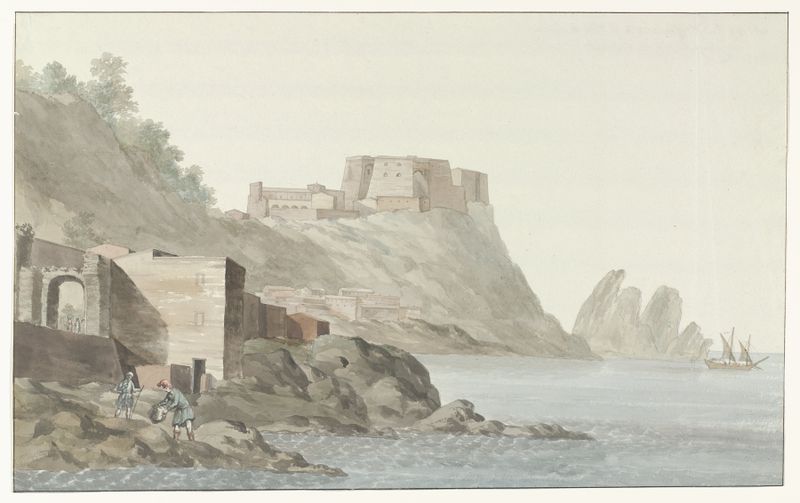
Rots en stad Scilla in de regio Calabrië aan de oostkust
Abraham-Louis-Rodolphe Ducros
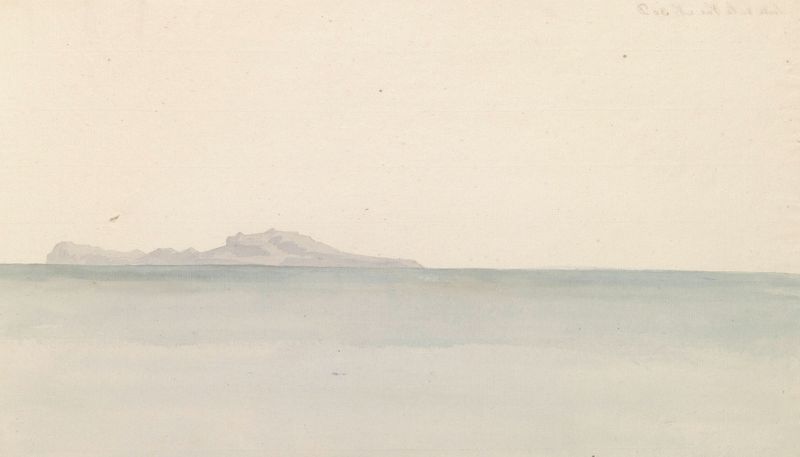
Gezicht op Golf van Napels vanaf kade bij kerk Santa Maria del Carmine
Abraham-Louis-Rodolphe Ducros
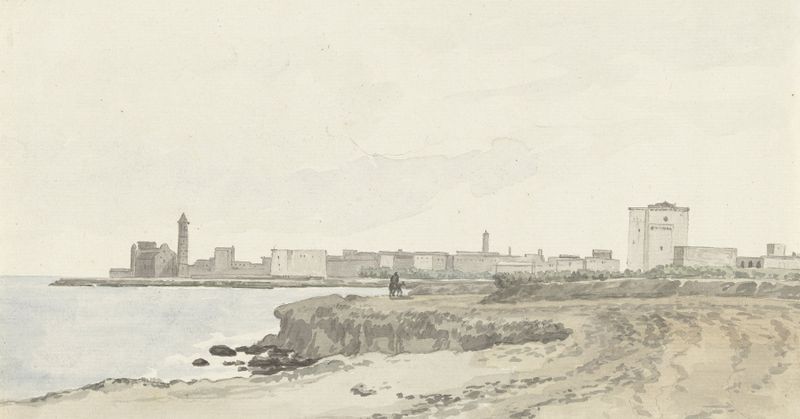
Gezicht op Trani gelegen aan de kust
Abraham-Louis-Rodolphe Ducros
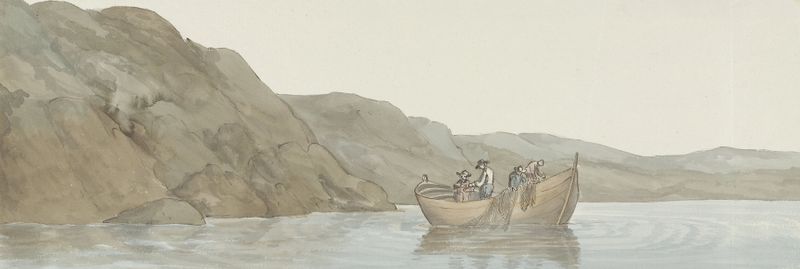
Gezicht op Kaap Paceco in Calabrië nabij de stad Scilla
Abraham-Louis-Rodolphe Ducros
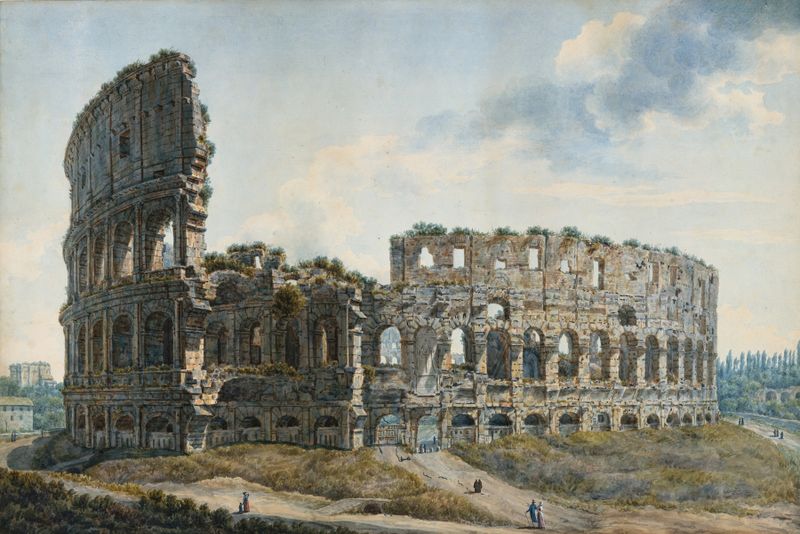
The Colosseum, Rome.
Abraham-Louis-Rodolphe Ducros
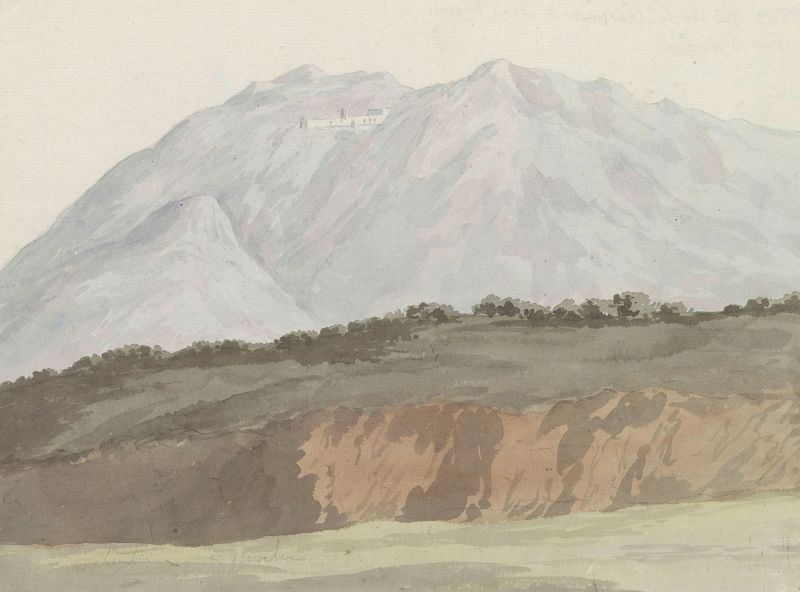
Gezicht op kartuizerklooster van Monte Vergine hoog gelegen boven Avellino
Abraham-Louis-Rodolphe Ducros
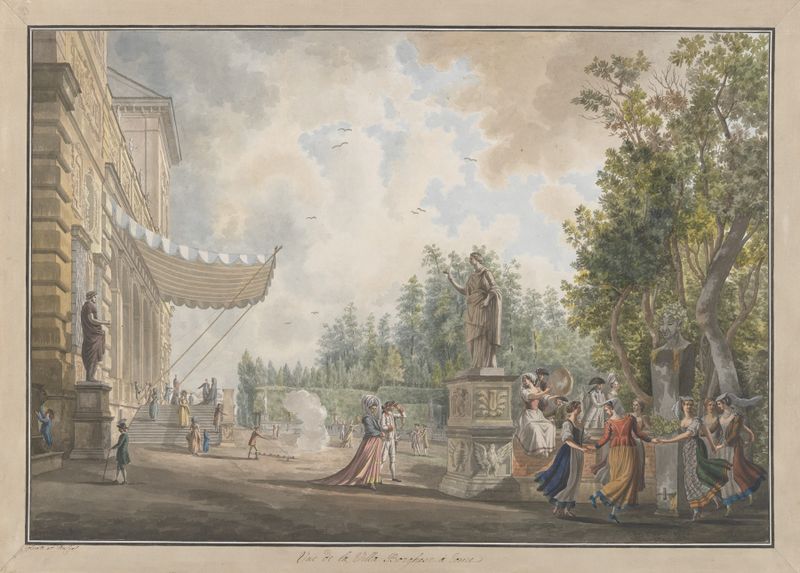
Villa Borghese
Abraham-Louis-Rodolphe Ducros
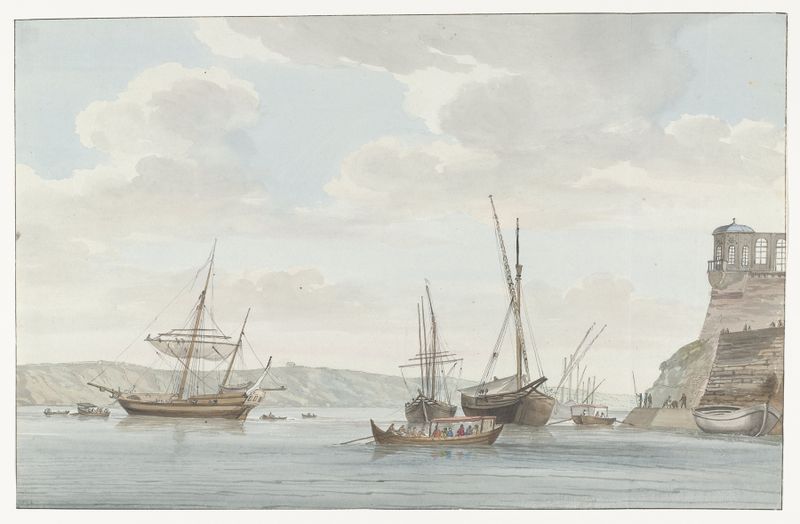
Tuinhuis van de Jardin du Grand Maître uittorend boven de haven met galei schepen op Malta
Abraham-Louis-Rodolphe Ducros
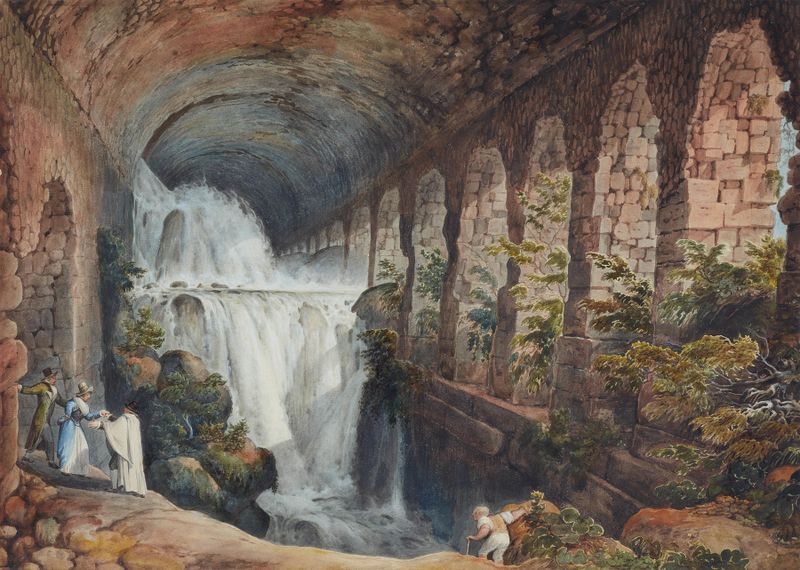
Aquädukt unter der Villa des Maecenas in Tivoli
Abraham-Louis-Rodolphe Ducros
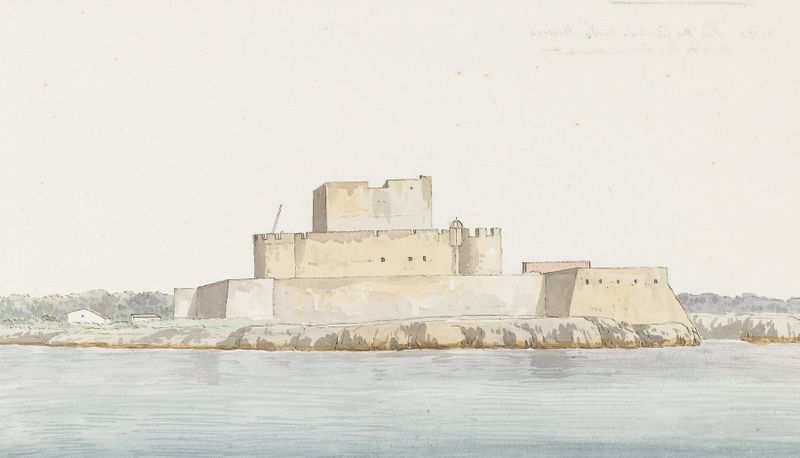
Gezicht op kasteel van San Mauro la Bruca vanaf zee bij aankomst
Abraham-Louis-Rodolphe Ducros





