
Stamboom van het Habsburgse huis, blad achttien — History & Facts
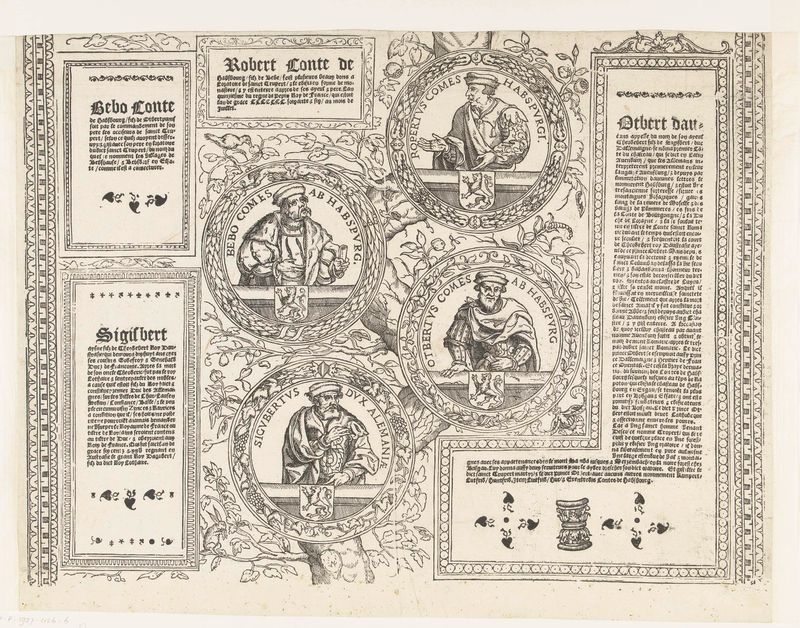
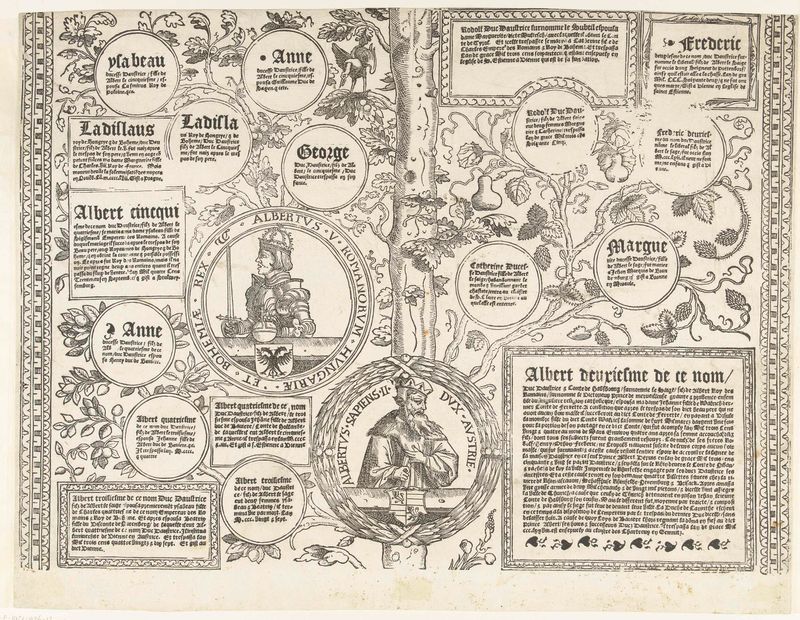
The canvas doesn’t lie — it simply waits. What stories linger in each brushstroke, hidden yet palpable, like whispers of ancestry and power? Within Stamboom van het Habsburgse huis, blad achttien, the notion of fragility weaves through the threads of lineage, echoing the delicate balance of dominance and vulnerability. Look to the center, where the intricate family tree unfurls like a meticulously crafted web, its branches extending outward. Each name and crest, rendered with a careful precision, speaks to the elaborate genealogy of the Habsburg dynasty.
Notice how the colors shift from rich golds to muted greens, the warm hues suggesting both opulence and decay, creating a visual tension that invites contemplation. The delicate lines connecting each figure suggest not just familial ties, but the fragility of legacy itself. As you explore the edges, subtle symbols emerge, hinting at alliances and betrayals. The contrasts between the bold, assertive heraldry and the faintly sketched figures symbolize the power dynamics within the dynasty; while some are celebrated, others fade into obscurity.
This juxtaposition evokes a poignant reminder that even the most formidable legacies are but fragile constructs, vulnerable to the passage of time and the whims of fate. Robert Péril created this work between 1533 and 1535, during a period when the Habsburgs were solidifying their influence across Europe. Amidst the intricate political landscape, Péril was tasked with immortalizing the family's lineage, reflecting both pride and pressure. While Europe navigated shifting alliances and power struggles, the artist’s meticulous approach offered a moment of introspection on the nature of heritage and its impermanence.
More Artworks by Robert Péril
Browse all →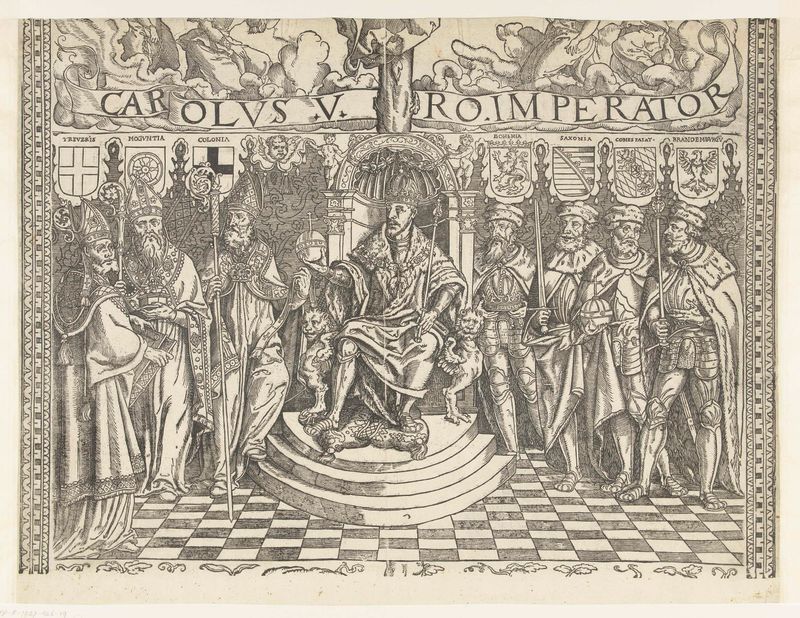
Stamboom van het Habsburgse huis, blad negentien
Robert Péril
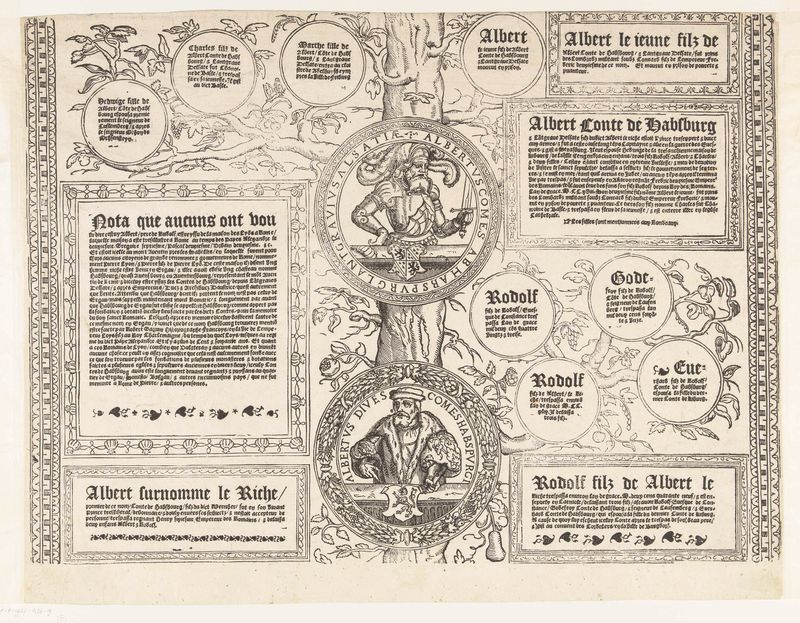
Stamboom van het Habsburgse huis, blad negen
Robert Péril

Stamboom van het Habsburgse huis, blad vijftien
Robert Péril
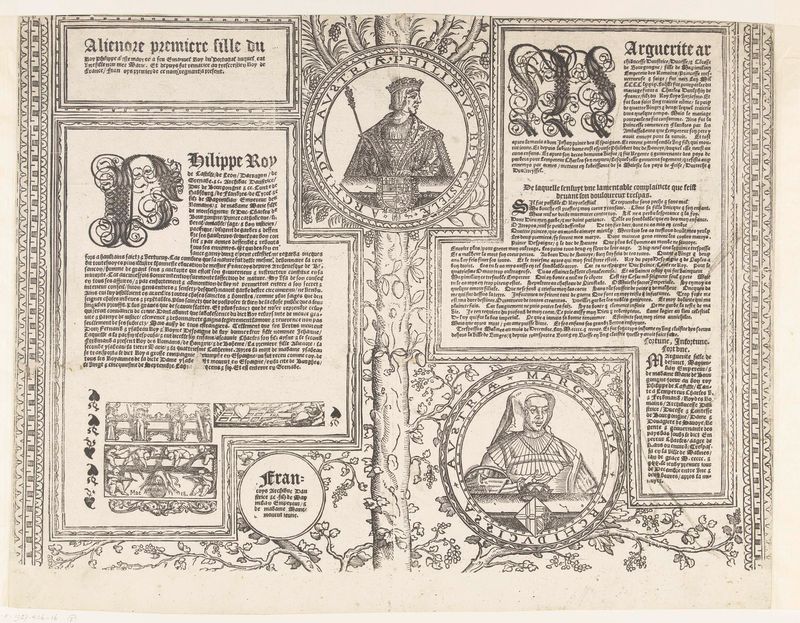
Stamboom van het Habsburgse huis, blad zestien
Robert Péril
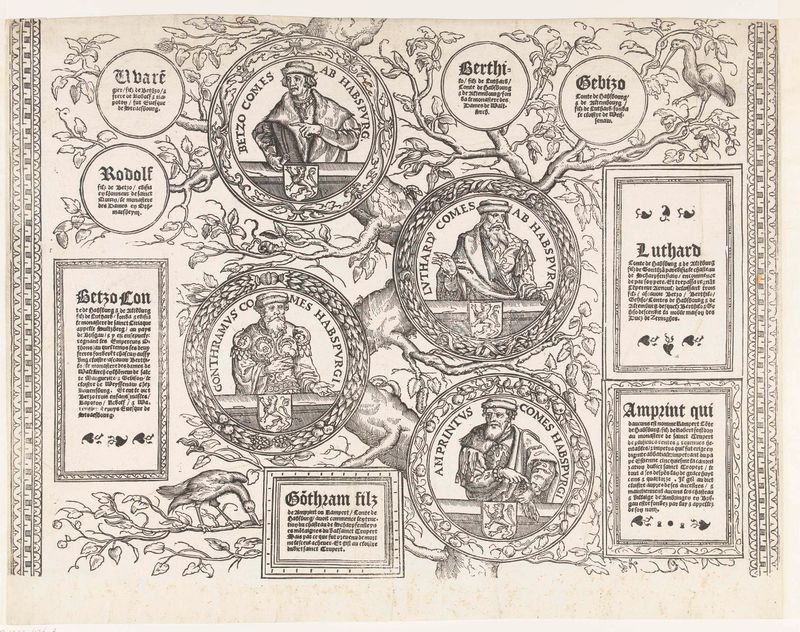
Stamboom van het Habsburgse huis, blad zeven
Robert Péril
Stamboom van het Habsburgse huis, blad zes
Robert Péril
Stamboom van het Habsburgse huis, blad twaalf
Robert Péril

Stamboom van het Habsburgse Huis, blad drie
Robert Péril

Stamboom van het Habsburgse huis, blad dertien
Robert Péril

Stamboom van het Habsburgse huis, blad zeventien
Robert Péril
More Historical Art
Browse all →
The Night Watch Militia Company of District II under the Command of Captain Frans Banninck Cocq
Rembrandt van Rijn
Lincoln Memorial
Henry Bacon
The Third of May 1808
Francisco de Goya

Isaac and Rebecca, Known as ‘The Jewish Bride’
Rembrandt van Rijn
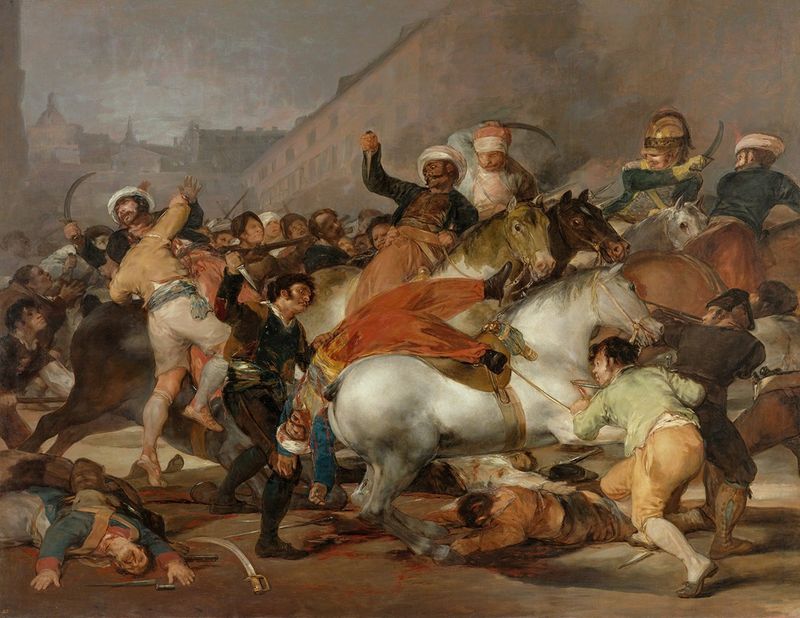
The Charge of the Mamelukes (1814)
Francisco de Goya

De vier ruiters van de apocalyps
Albrecht Dürer