
Stamboom van het Habsburgse Huis, blad drie — History & Facts
What secret hides in the quiet of the canvas? In the intricate dance of lineage and legacy, the past whispers to those who dare to listen. Look to the center of the artwork, where a sprawling tree of life takes form, its branches reaching out like tendrils of time. Notice how the muted tones of ochre and sepia converge, grounding the viewer in a history both rich and complex. The meticulous detail of each leaf and branch invites your gaze to wander, revealing not just names, but stories that echo through generations.
The stark contrast between the delicate lines of the tree and the bold strokes of the surrounding text highlights the tension between the living legacy and the weight of names inscribed. Delve deeper into the subtleties of the piece, where every knot in the tree symbolizes a union, and every division speaks to the fragility of power. A sense of awakening permeates the design; it becomes apparent that this is not merely a family tree, but a testament to ambition, alliances, and betrayals that shaped an empire. The interplay of light and shadow across the branches represents both the glory and the peril that accompanies such a grand lineage, urging us to reflect on the nature of heritage itself. Created between 1533 and 1535, this work emerged during a transformative period in European art and politics.
Robert Péril, a lesser-known figure in the Renaissance, was deeply embroiled in the complex narratives of the Habsburg dynasty, a family that was redefining power in Europe. This work captures not only their lineage but also the momentous shifts occurring in the art world, as artists began exploring the depths of human experience through elaborate and symbolic representation.
More Artworks by Robert Péril
Browse all →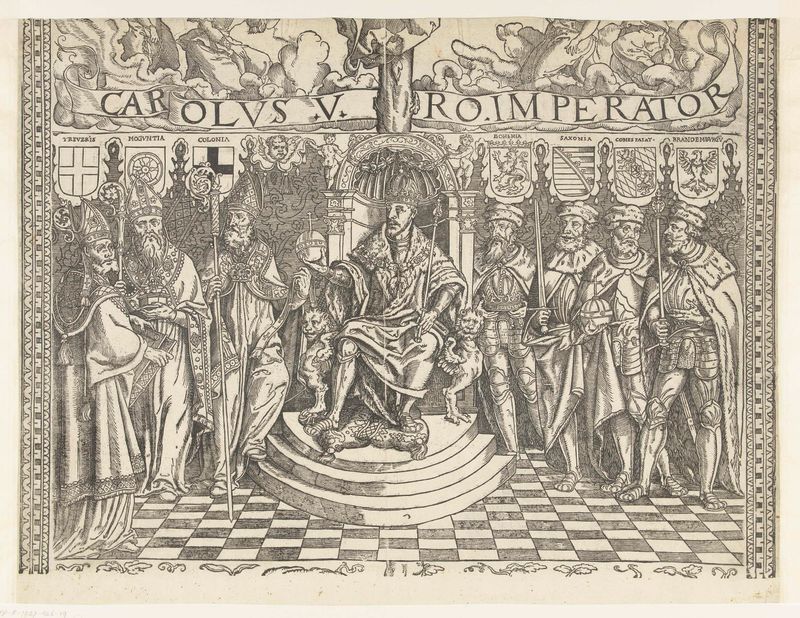
Stamboom van het Habsburgse huis, blad negentien
Robert Péril
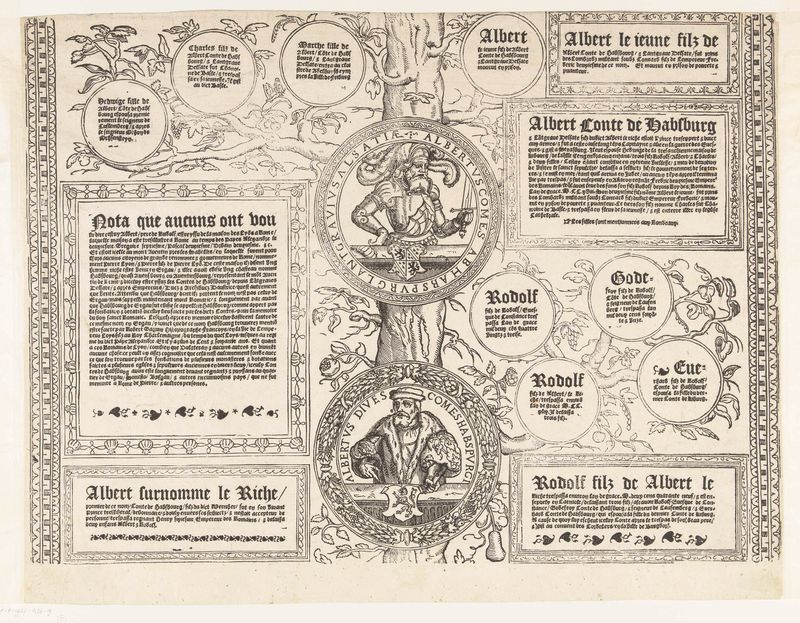
Stamboom van het Habsburgse huis, blad negen
Robert Péril

Stamboom van het Habsburgse huis, blad vijftien
Robert Péril
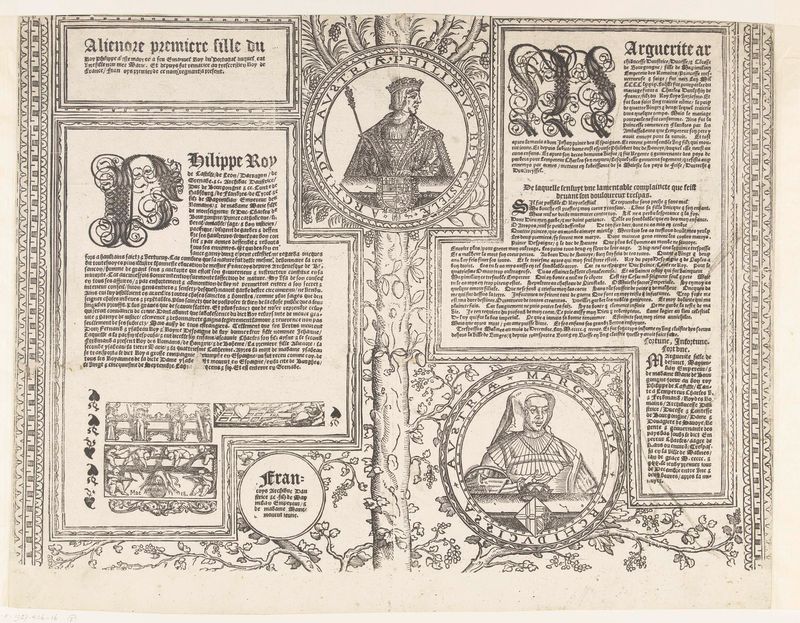
Stamboom van het Habsburgse huis, blad zestien
Robert Péril
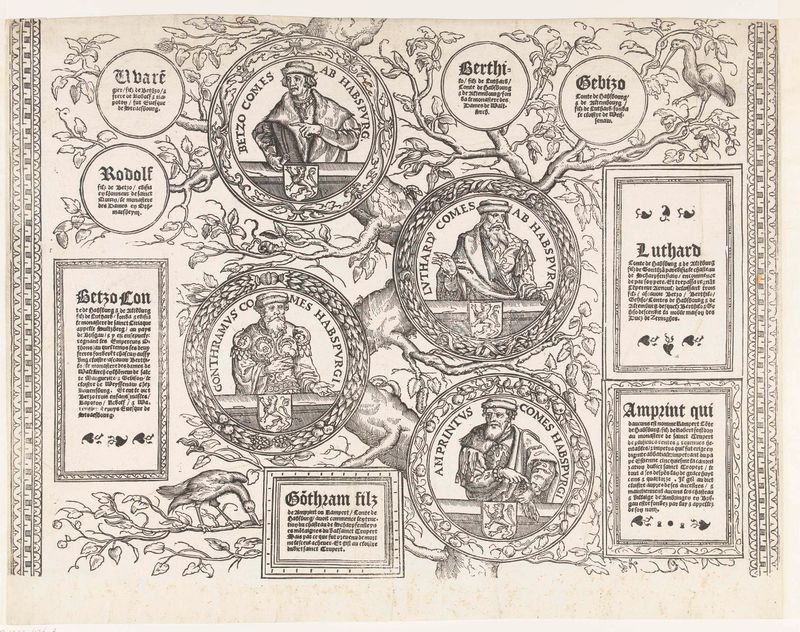
Stamboom van het Habsburgse huis, blad zeven
Robert Péril
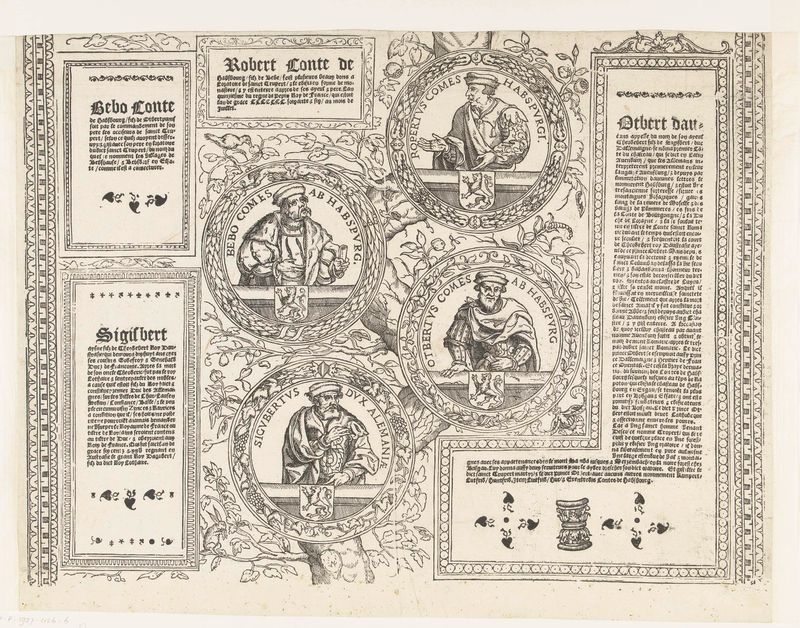
Stamboom van het Habsburgse huis, blad zes
Robert Péril
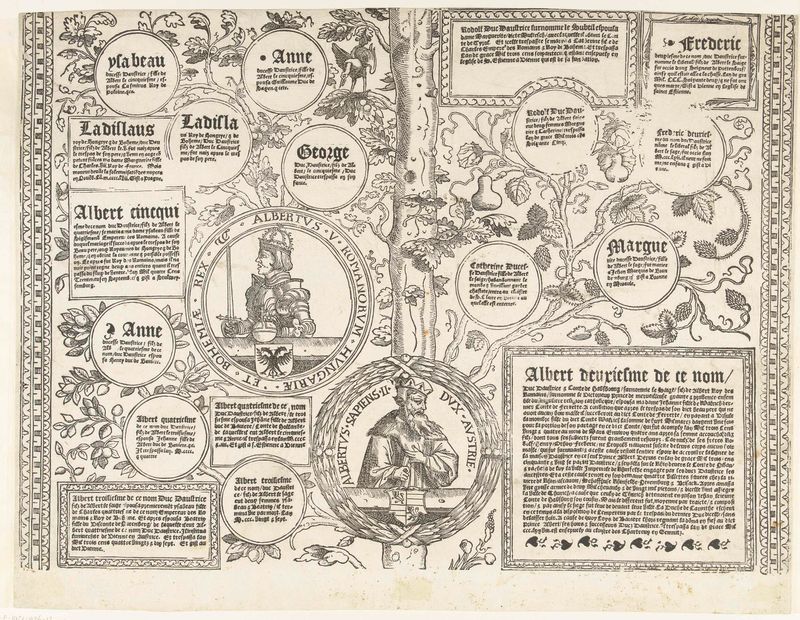
Stamboom van het Habsburgse huis, blad twaalf
Robert Péril
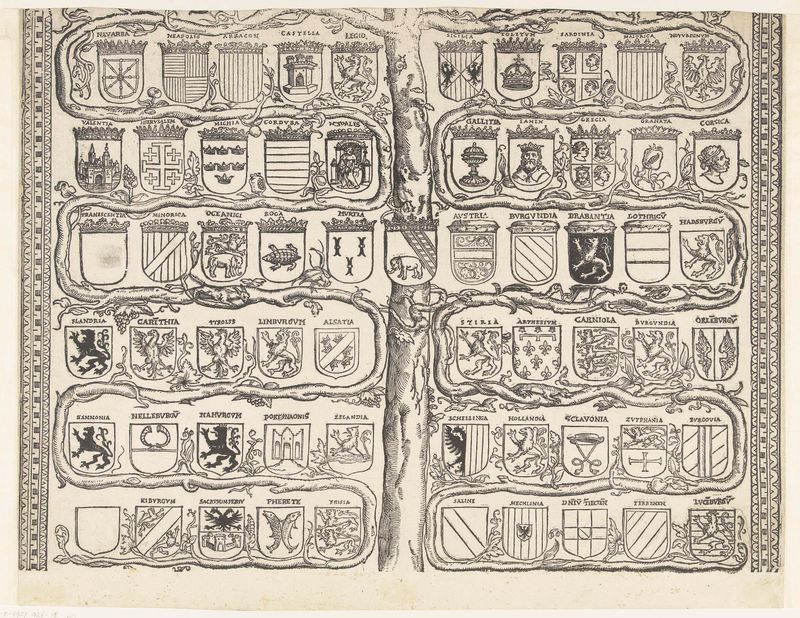
Stamboom van het Habsburgse huis, blad achttien
Robert Péril

Stamboom van het Habsburgse huis, blad dertien
Robert Péril

Stamboom van het Habsburgse huis, blad zeventien
Robert Péril
More Historical Art
Browse all →
The Night Watch Militia Company of District II under the Command of Captain Frans Banninck Cocq
Rembrandt van Rijn

Lincoln Memorial
Henry Bacon

The Third of May 1808
Francisco de Goya

Isaac and Rebecca, Known as ‘The Jewish Bride’
Rembrandt van Rijn

The Charge of the Mamelukes (1814)
Francisco de Goya

De vier ruiters van de apocalyps
Albrecht Dürer