
Stamboom van het Habsburgse huis, blad twaalf — History & Facts
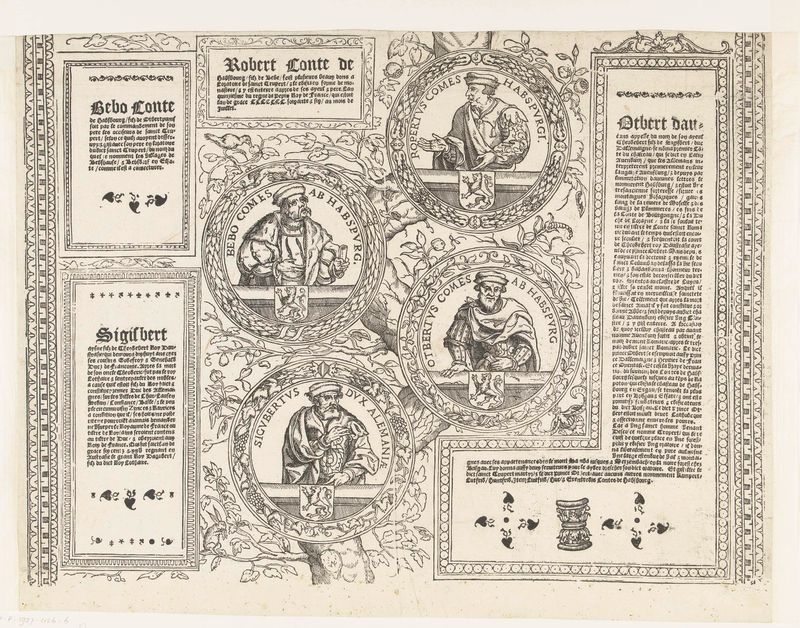
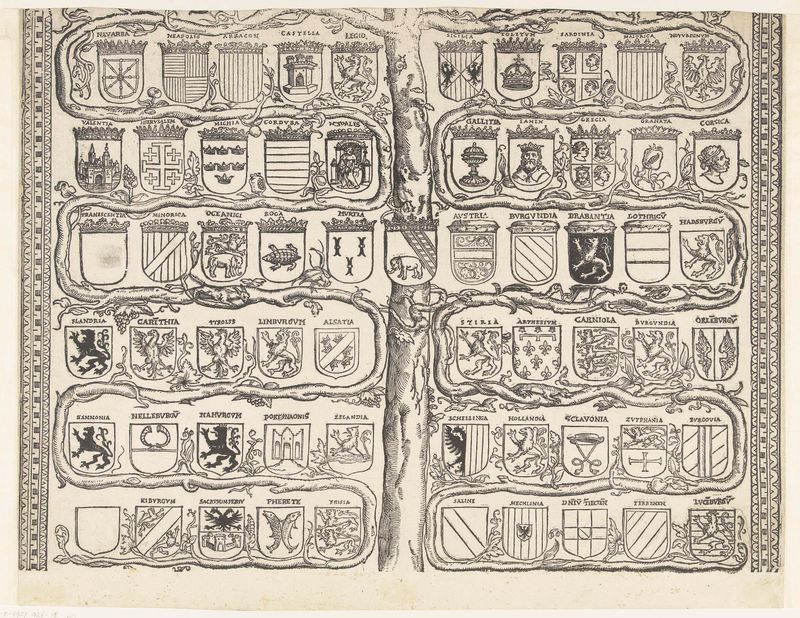
Who listens when art speaks of silence? In Stamboom van het Habsburgse huis, blad twaalf, the intricate lineage of the Habsburg dynasty unfolds like a quiet conversation, whispering tales of innocence intertwined with power. Look to the center, where a meticulously detailed tree branches outward, its roots delving into the rich soil of history. Notice how each figure, rendered with precision and clarity, holds an expression that oscillates between pride and vulnerability. The muted colors — soft greens, gentle browns — create a calm backdrop, allowing the viewer to linger on the faces and gestures that define this noble family.
The smooth lines and delicate embellishments guide your gaze from one generation to the next, drawing you deeper into their intricate web of relationships. Yet beneath this structured display lies an emotional tension. The stark contrast between the ornate heraldry and the simple, childlike faces hints at the innocence lost in the pursuit of legacy. Each face is a reminder of their humanity, often obscured by the weight of expectation that accompanies royalty.
The asymmetrical arrangement of figures forces us to confront the precarious balance between lineage and individuality, illuminating the fragility of their existence within this grand narrative. Robert Péril painted this genealogy during a period of significant political and social upheaval in Europe, between 1533 and 1535. Nestled in the heart of the Renaissance, the artist was immersed in a world where dynastic power was paramount, yet the fragility of human emotions began to find expression in art. The delicate interplay of innocence and authority captured in this work reflects both Péril's personal exploration of identity and the broader art movements that sought to humanize the distant figures of history.
More Artworks by Robert Péril
Browse all →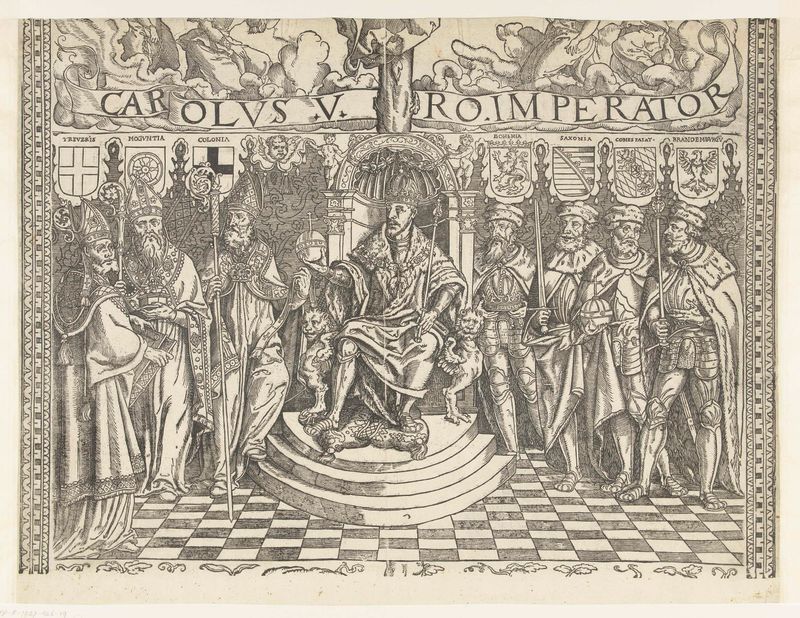
Stamboom van het Habsburgse huis, blad negentien
Robert Péril
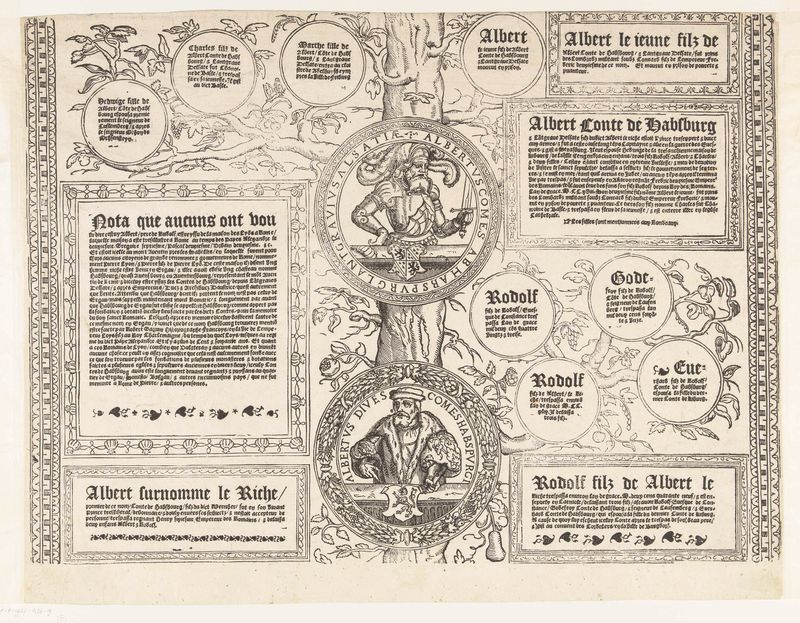
Stamboom van het Habsburgse huis, blad negen
Robert Péril

Stamboom van het Habsburgse huis, blad vijftien
Robert Péril
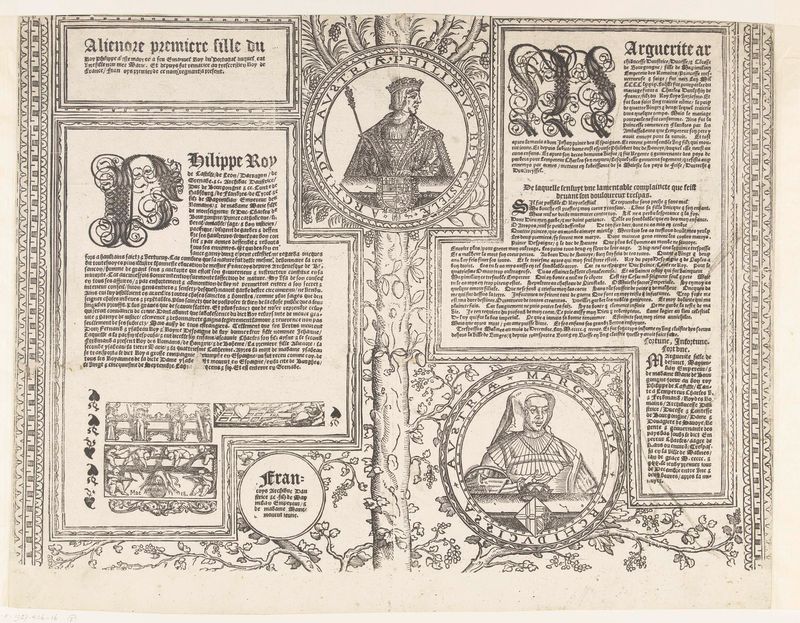
Stamboom van het Habsburgse huis, blad zestien
Robert Péril
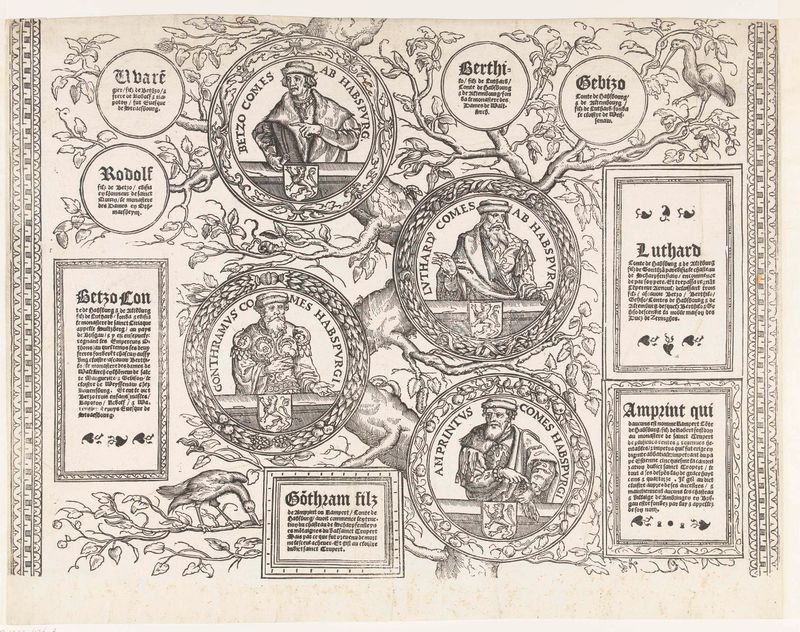
Stamboom van het Habsburgse huis, blad zeven
Robert Péril
Stamboom van het Habsburgse huis, blad zes
Robert Péril
Stamboom van het Habsburgse huis, blad achttien
Robert Péril

Stamboom van het Habsburgse Huis, blad drie
Robert Péril

Stamboom van het Habsburgse huis, blad dertien
Robert Péril

Stamboom van het Habsburgse huis, blad zeventien
Robert Péril
More Historical Art
Browse all →
The Night Watch Militia Company of District II under the Command of Captain Frans Banninck Cocq
Rembrandt van Rijn

Lincoln Memorial
Henry Bacon

The Third of May 1808
Francisco de Goya

Isaac and Rebecca, Known as ‘The Jewish Bride’
Rembrandt van Rijn

The Charge of the Mamelukes (1814)
Francisco de Goya

De vier ruiters van de apocalyps
Albrecht Dürer