
Stamboom van het Habsburgse huis, blad zestien — History & Facts
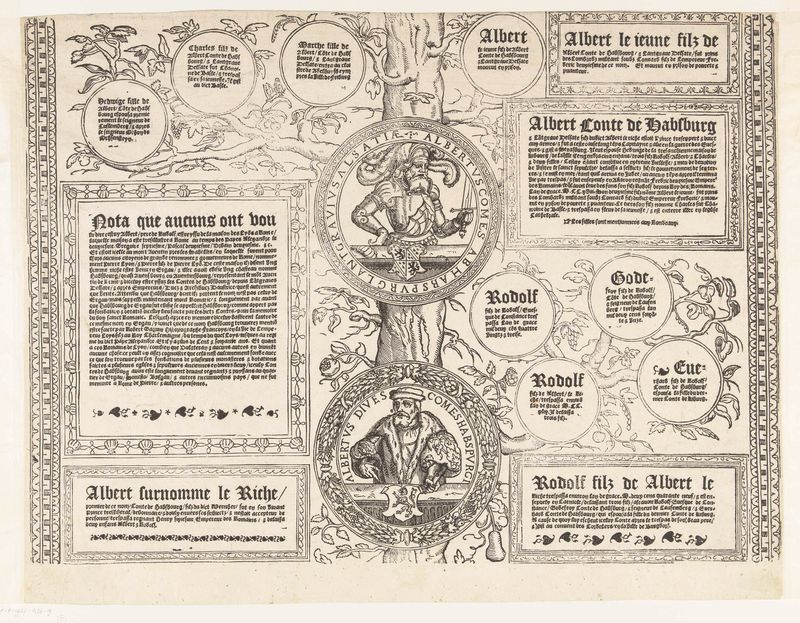
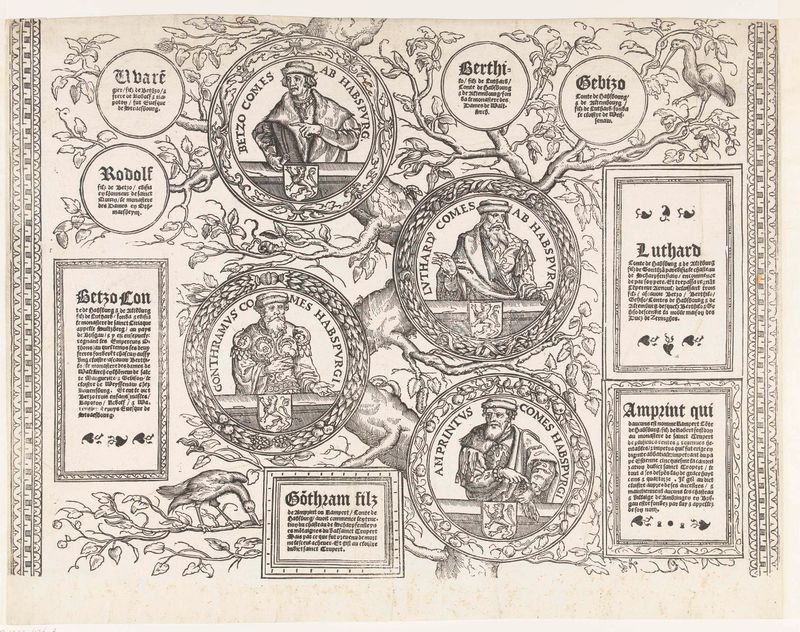
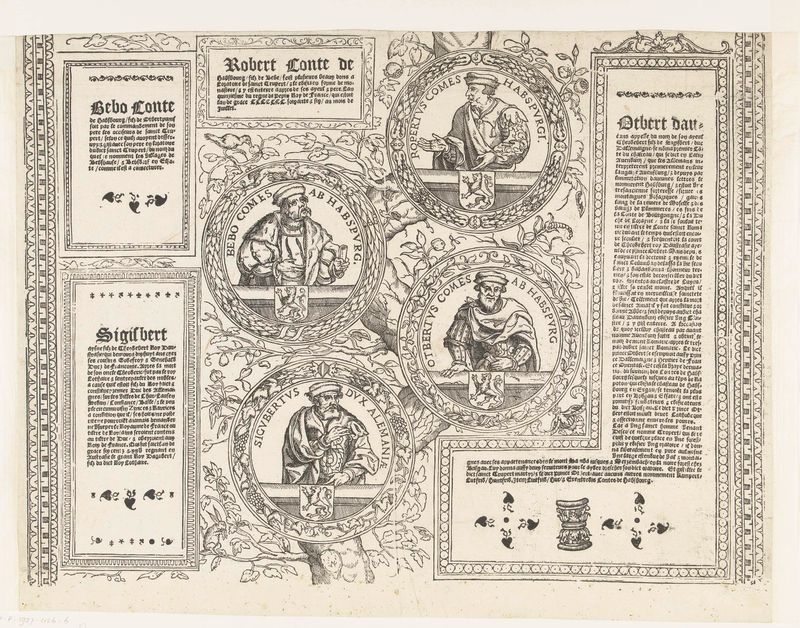
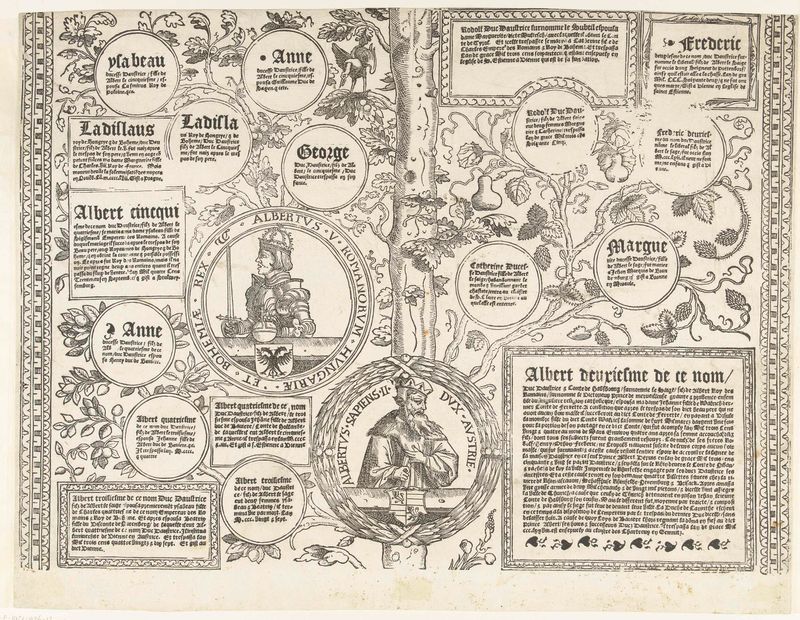
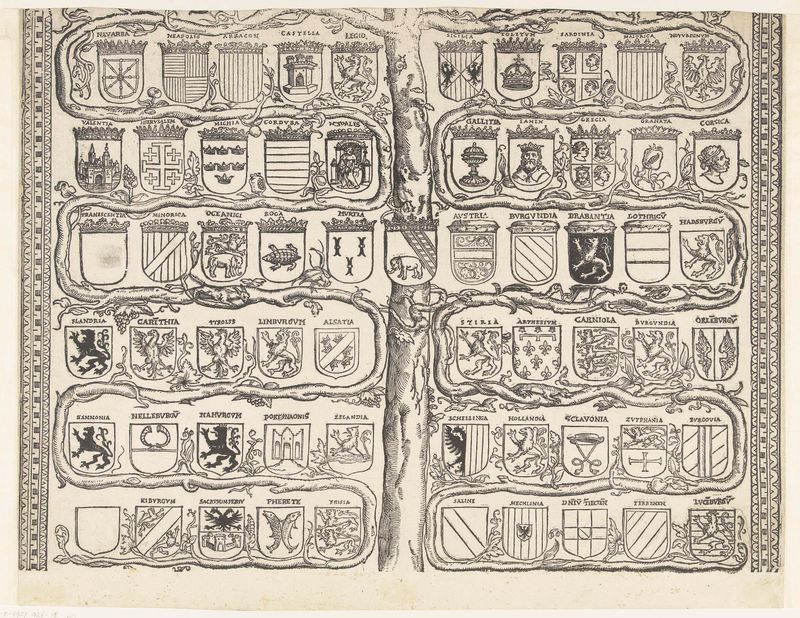
This assertion resonates deeply within the intricate designs of royal lineage, where each twist and turn of the tree speaks volumes of legacy and identity. In a world often dominated by shadows, the light illuminating these connections becomes both a guide and a revelation. To fully appreciate the artwork, focus on the central trunk, where the royal figures emerge, framed with careful precision. Notice how the delicate lines intertwine, suggesting bonds that transcend time.
The use of vibrant hues alongside muted tones draws the eye to key ancestors, each depicted with a distinct expression that captures their essence. The meticulous detail in the leaves, branching outwards, creates a sense of growth and continuity, a visual testament to the Habsburgs’ enduring influence. Yet, beyond its genealogical representation lies a profound commentary on heritage and power. The stark contrast between the vibrant figures and the subdued background evokes a sense of isolation amidst grandeur.
Each lineage connection, carefully crafted, reveals not merely familial ties but the weight of expectation and legacy that each figure bears. The light that bathes the scene symbolizes both enlightenment and burden, illuminating the paths taken and those left untraveled. Created between 1533 and 1535, this work emerged during a transformative period in the world of art and politics. Robert Péril was in the midst of a flourishing Renaissance, where the Habsburg dynasty was solidifying its influence across Europe.
Amidst the bustling courts and shifting alliances, the artist reflected the tensions of power through this intricate genealogical chart, capturing a moment in time where every detail mattered in the unfolding narrative of history.
More Artworks by Robert Péril
Browse all →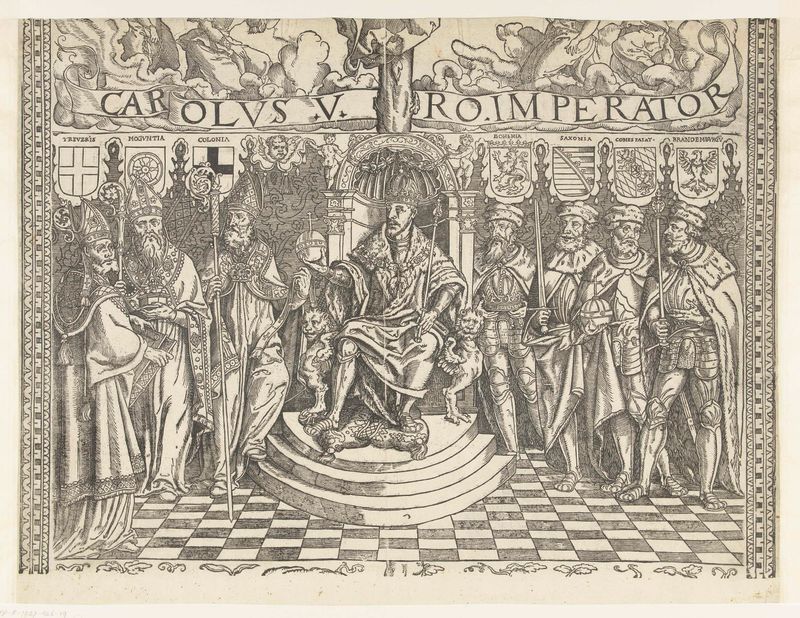
Stamboom van het Habsburgse huis, blad negentien
Robert Péril
Stamboom van het Habsburgse huis, blad negen
Robert Péril

Stamboom van het Habsburgse huis, blad vijftien
Robert Péril
Stamboom van het Habsburgse huis, blad zeven
Robert Péril
Stamboom van het Habsburgse huis, blad zes
Robert Péril
Stamboom van het Habsburgse huis, blad twaalf
Robert Péril
Stamboom van het Habsburgse huis, blad achttien
Robert Péril

Stamboom van het Habsburgse Huis, blad drie
Robert Péril

Stamboom van het Habsburgse huis, blad dertien
Robert Péril

Stamboom van het Habsburgse huis, blad zeventien
Robert Péril
More Historical Art
Browse all →
The Night Watch Militia Company of District II under the Command of Captain Frans Banninck Cocq
Rembrandt van Rijn

Lincoln Memorial
Henry Bacon

The Third of May 1808
Francisco de Goya

Isaac and Rebecca, Known as ‘The Jewish Bride’
Rembrandt van Rijn

The Charge of the Mamelukes (1814)
Francisco de Goya

De vier ruiters van de apocalyps
Albrecht Dürer