
Stamboom van het Habsburgse huis, blad vijftien — History & Facts
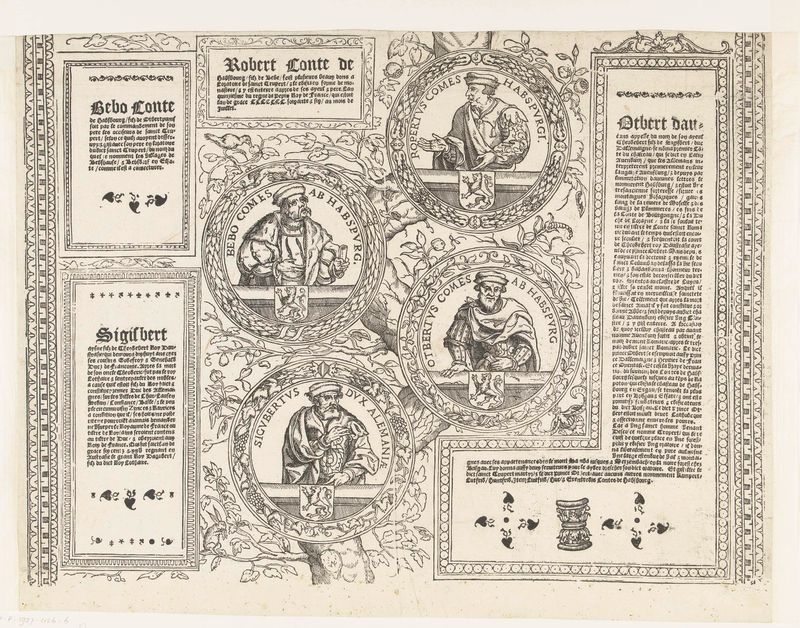
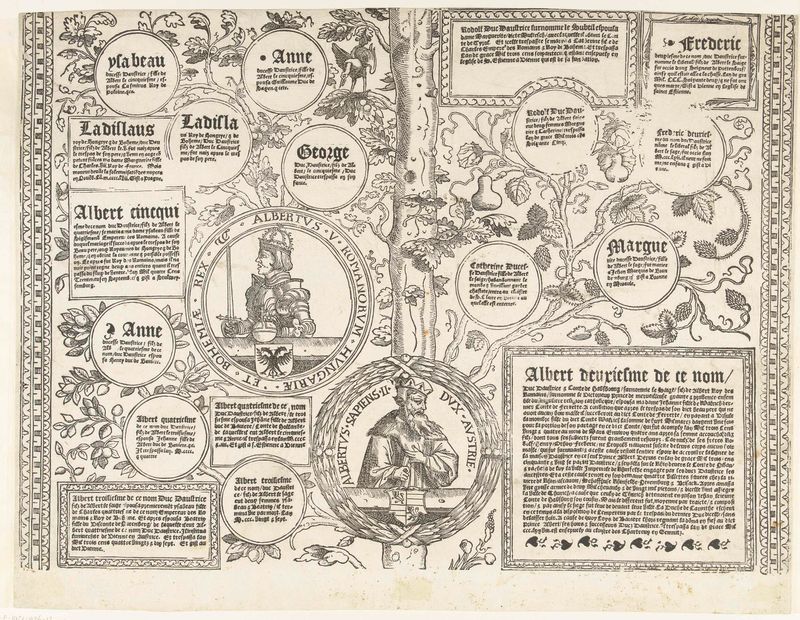
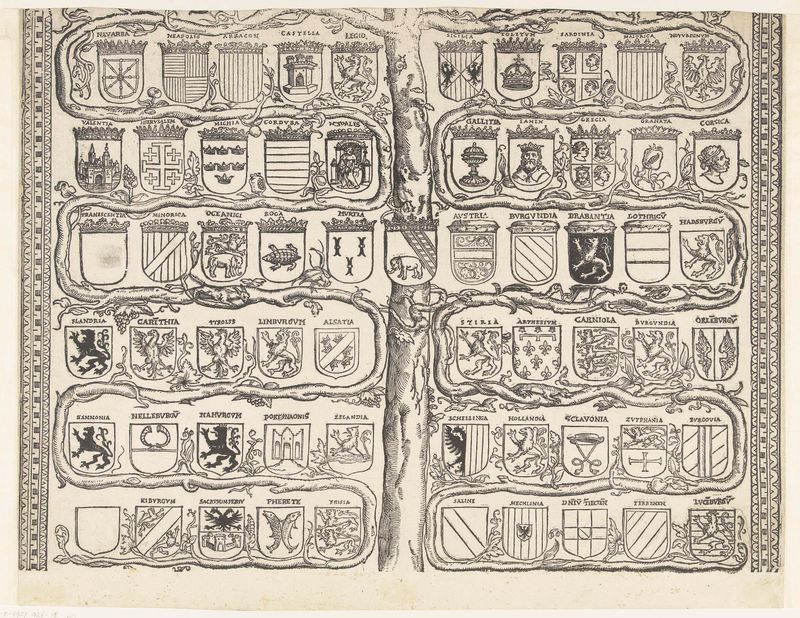
Can beauty exist without sorrow? This question lingers in the air as one gazes upon the intricate tapestry of lineage and legacy captured in this remarkable piece. Focus your attention on the meticulously rendered figures that populate the page, illustrating the genealogical tree of the Habsburg family. Notice how Robert Péril uses delicate lines to weave together a complex narrative of power and heritage. The careful arrangement of portraits, each adorned with distinctive attire, draws you into the world of nobility and divine right.
The subtle color palette, dominated by muted earth tones, lends an air of solemnity, while hints of gold embellishments suggest a hidden opulence buried beneath the weight of responsibility. Upon closer inspection, one uncovers layers of meaning intertwined with the familial connections depicted. The positions of the figures, some facing the viewer while others look away, evoke a sense of both unity and estrangement. The tree is not merely a record of ancestry; it echoes the burden of expectation that comes with noble lineage, hinting at the isolation that often shadows greatness.
The intertwining branches symbolize both strength and fragility, showcasing how beauty is often accompanied by an undercurrent of sorrow. Created in the years 1533 to 1535, this work emerges from a pivotal moment in European history, marked by the consolidation of power within the Habsburg dynasty. Péril, working in the context of the Renaissance's revival of humanism and familial pride, encapsulated a world on the brink of transformation. As the Habsburgs solidified their influence across Europe, this piece stands as a testament to both ambition and the inherent struggles of lineage.
More Artworks by Robert Péril
Browse all →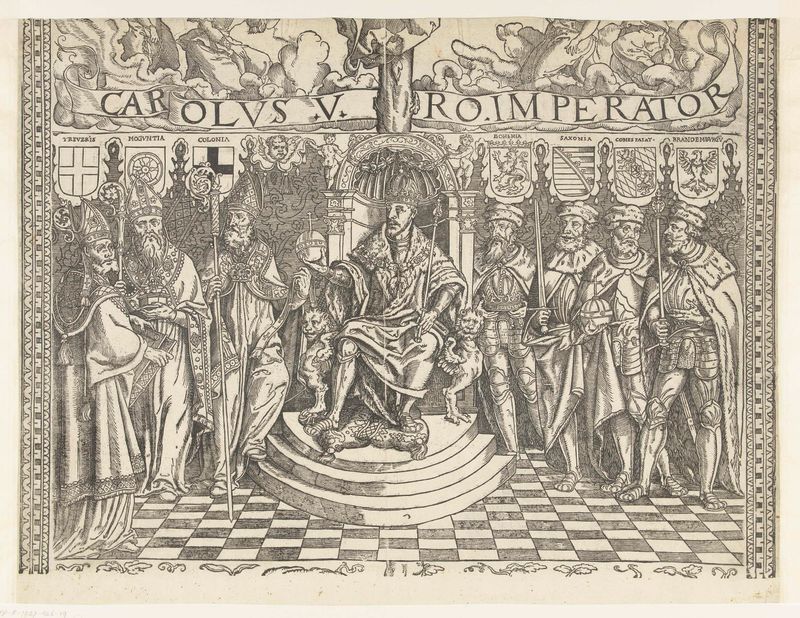
Stamboom van het Habsburgse huis, blad negentien
Robert Péril
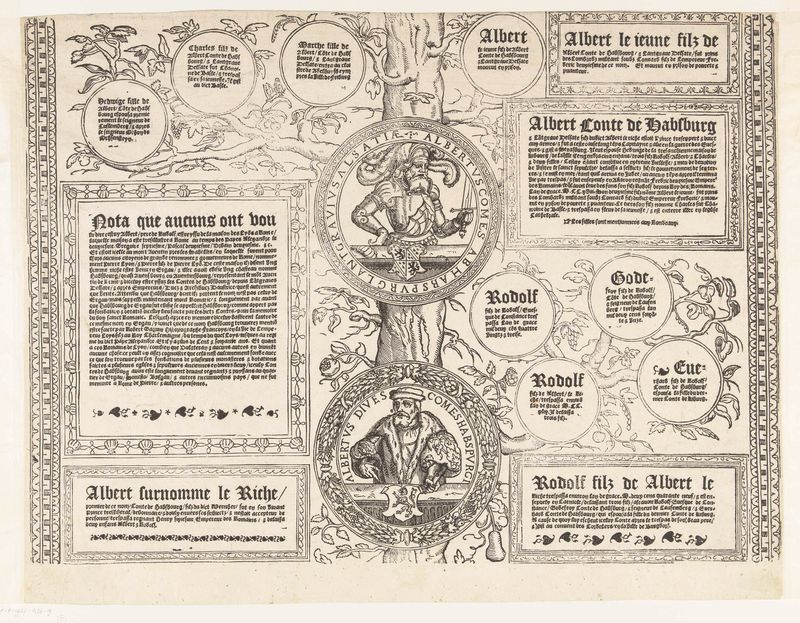
Stamboom van het Habsburgse huis, blad negen
Robert Péril
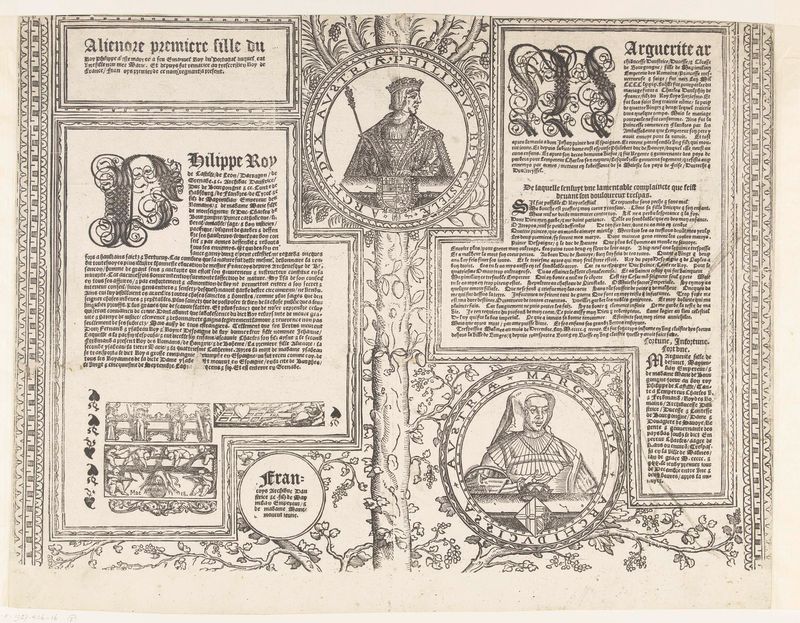
Stamboom van het Habsburgse huis, blad zestien
Robert Péril
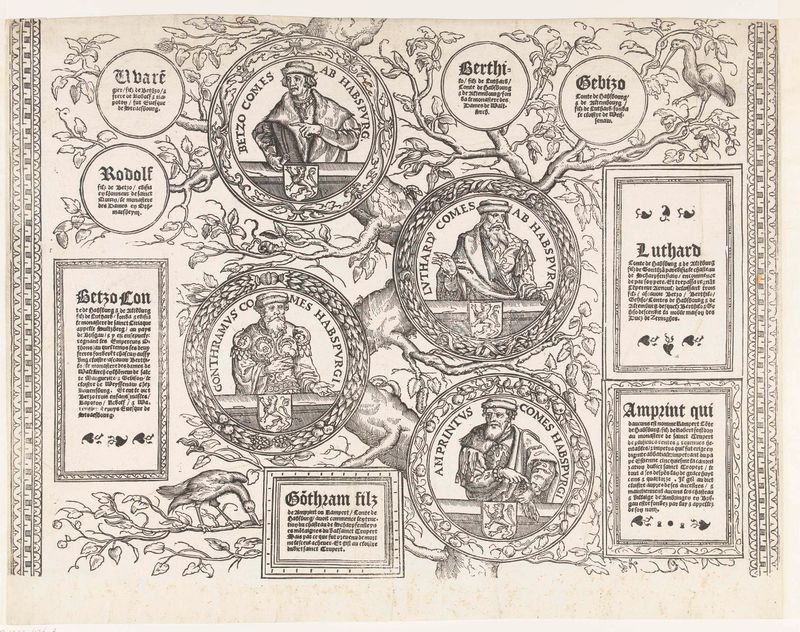
Stamboom van het Habsburgse huis, blad zeven
Robert Péril
Stamboom van het Habsburgse huis, blad zes
Robert Péril
Stamboom van het Habsburgse huis, blad twaalf
Robert Péril
Stamboom van het Habsburgse huis, blad achttien
Robert Péril

Stamboom van het Habsburgse Huis, blad drie
Robert Péril

Stamboom van het Habsburgse huis, blad dertien
Robert Péril

Stamboom van het Habsburgse huis, blad zeventien
Robert Péril
More Historical Art
Browse all →
The Night Watch Militia Company of District II under the Command of Captain Frans Banninck Cocq
Rembrandt van Rijn

Lincoln Memorial
Henry Bacon

The Third of May 1808
Francisco de Goya

Isaac and Rebecca, Known as ‘The Jewish Bride’
Rembrandt van Rijn

The Charge of the Mamelukes (1814)
Francisco de Goya

De vier ruiters van de apocalyps
Albrecht Dürer