
Stamboom van het Habsburgse huis, blad acht — History & Facts
In the intricate tapestry of lineage and legacy, shadows reveal the silent stories of those who came before us. The unseen yet palpable presence of history whispers through the meticulous details of this artwork, capturing the essence of a dynasty intertwined with both glory and tragedy. Focus first on the vivid colors that delineate each figure in the family tree, with a striking contrast between the vibrant hues and the deeper shadows that linger in the corners. Notice how the branches extend outward, each figure carefully rendered to showcase their importance, yet all are unified by the dark undertone of ancestral weight.
The composition draws your eye across the lineage, while the shadows between them create a sense of depth and interconnectedness that is both inviting and foreboding. Delving deeper, one can find the tension between light and shadow symbolizing the duality of power and vulnerability. Each figure’s expression tells its own story, hinting at triumph, sorrow, and the burdens of expectation that weigh heavily on them. The juxtaposition of the vibrant colors against the darker shades suggests not only a celebration of lineage but also an acknowledgment of the struggles that accompany it, creating a rich emotional landscape that invites reflection. Robert Péril created this remarkable piece between 1533 and 1535, during a period marked by the intricate politics of the Habsburg dynasty.
Living in a time of both artistic flourishing and political turbulence, Péril’s work reflects the cultural climate of the Renaissance, where lineage was of utmost importance, and the visual representation of family trees became a means to assert identity and legacy amid an ever-changing world.
More Artworks by Robert Péril
Browse all →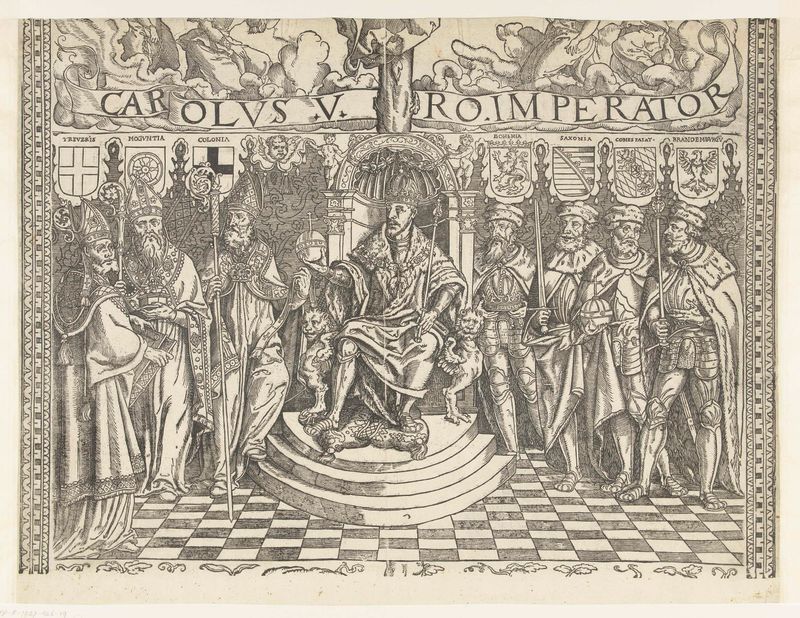
Stamboom van het Habsburgse huis, blad negentien
Robert Péril
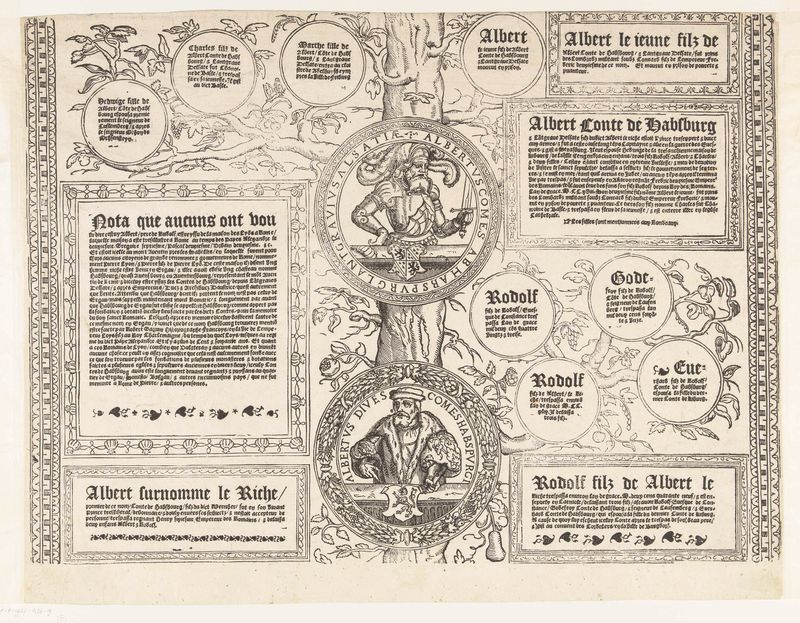
Stamboom van het Habsburgse huis, blad negen
Robert Péril

Stamboom van het Habsburgse huis, blad vijftien
Robert Péril
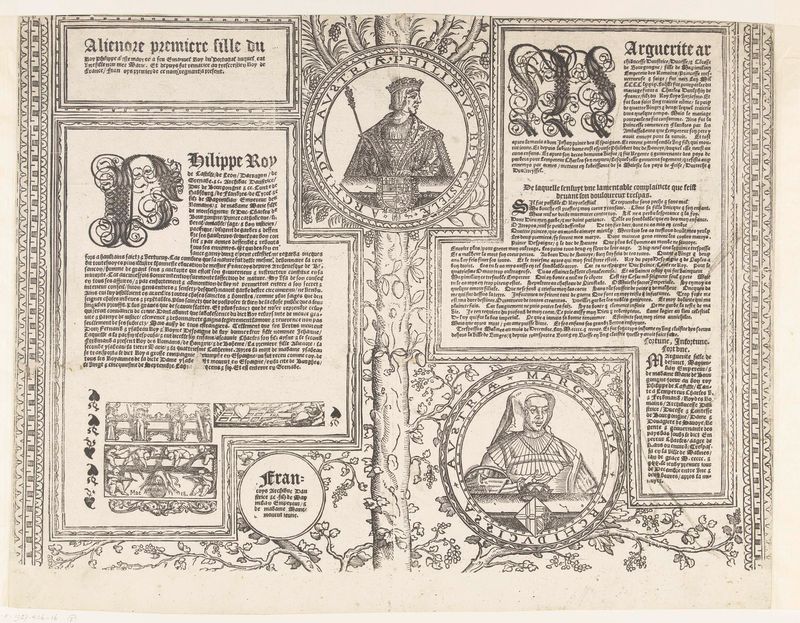
Stamboom van het Habsburgse huis, blad zestien
Robert Péril
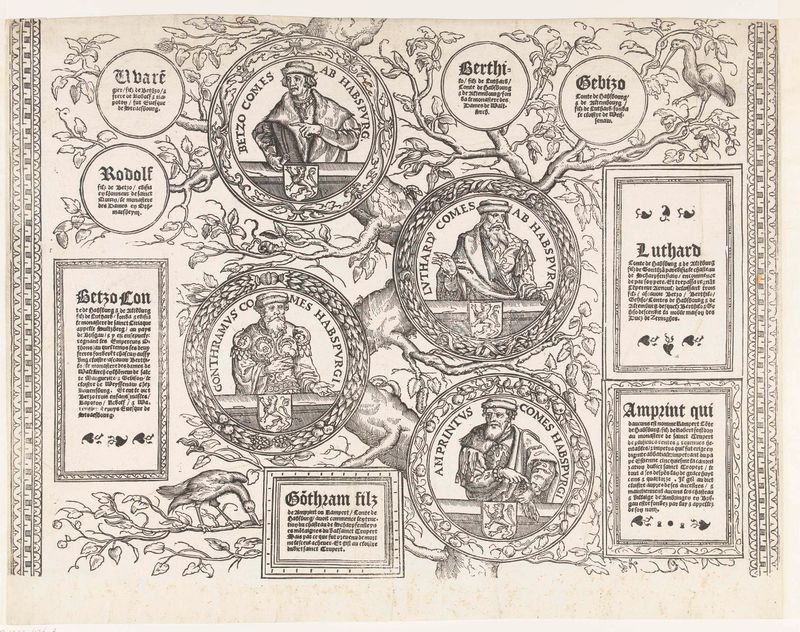
Stamboom van het Habsburgse huis, blad zeven
Robert Péril
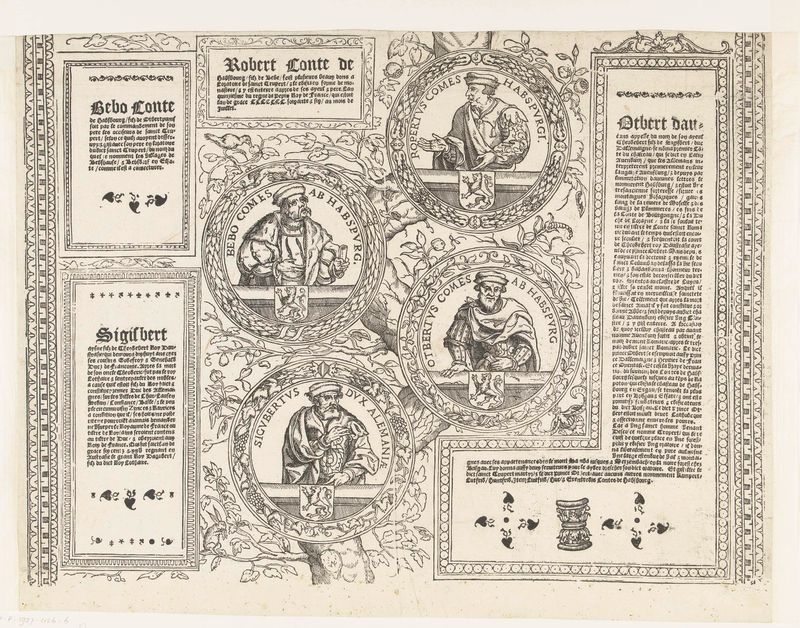
Stamboom van het Habsburgse huis, blad zes
Robert Péril
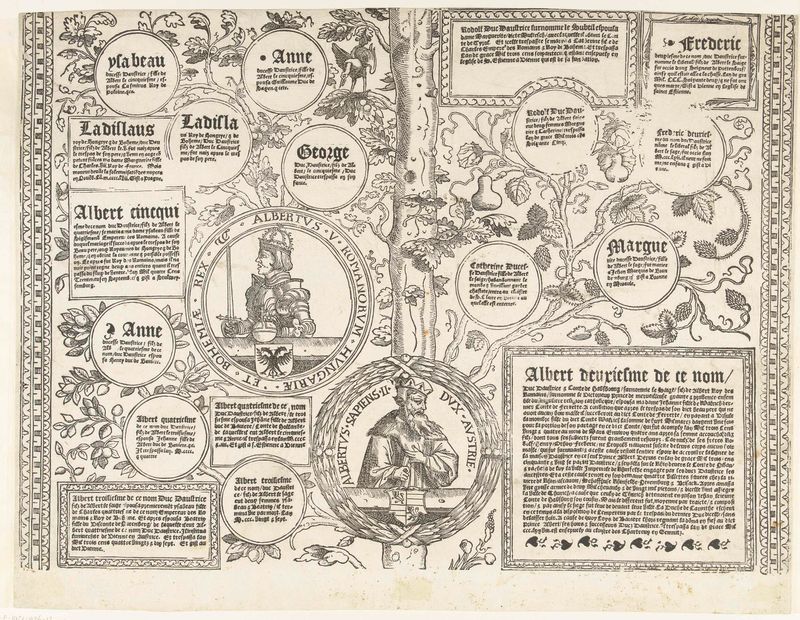
Stamboom van het Habsburgse huis, blad twaalf
Robert Péril
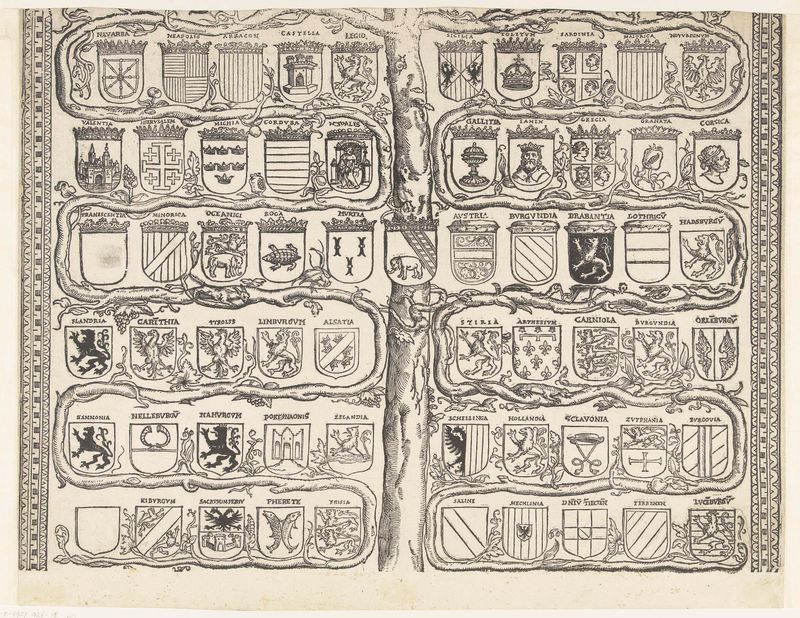
Stamboom van het Habsburgse huis, blad achttien
Robert Péril

Stamboom van het Habsburgse Huis, blad drie
Robert Péril

Stamboom van het Habsburgse huis, blad dertien
Robert Péril
More Historical Art
Browse all →
The Night Watch Militia Company of District II under the Command of Captain Frans Banninck Cocq
Rembrandt van Rijn

Lincoln Memorial
Henry Bacon

The Third of May 1808
Francisco de Goya

Isaac and Rebecca, Known as ‘The Jewish Bride’
Rembrandt van Rijn

The Charge of the Mamelukes (1814)
Francisco de Goya

De vier ruiters van de apocalyps
Albrecht Dürer