Standing Man with a Pouch — History & Facts
What holds the eye first in Standing Man with a Pouch is the way the figure’s weight settles—hips thrust forward, hands braced at the waist, a pose that suggests both fatigue and stubbornness. The man’s face, though only loosely sketched, seems to emerge from the haze of graphite with a beard and a downward gaze, as if caught in a moment of private thought. The pouch at his belt is drawn with a few confident lines, its curve echoing the slouch of his trousers and the relaxed bend of his knees.
Light barely grazes the paper; instead, Rembrandt lets the shadows do the work, building the man’s presence from soft, smudged contours. The unfinished quality draws you in, inviting you to fill in the story of this anonymous figure—laborer, wanderer, or perhaps a model in the artist’s studio. Drawings like this, made in the early Dutch Baroque, were often exercises in observation and character. In Rembrandt’s Leiden years, artists were turning to the world around them—ordinary people, not just saints and heroes—as worthy subjects.
Such sketches were rarely commissioned; they served as studies for larger works or as records of fleeting impressions. Unlike the polished portraits destined for wealthy patrons, these sheets were kept in portfolios, traded among artists, or simply left as private experiments. Little is recorded about the journey of this particular drawing, but its date, 1629, places it at the threshold of Rembrandt’s rise.
The immediacy of the mark-making still speaks, centuries later, of a world where even the humblest stance could command an artist’s full attention.
More Artworks by Rembrandt van Rijn
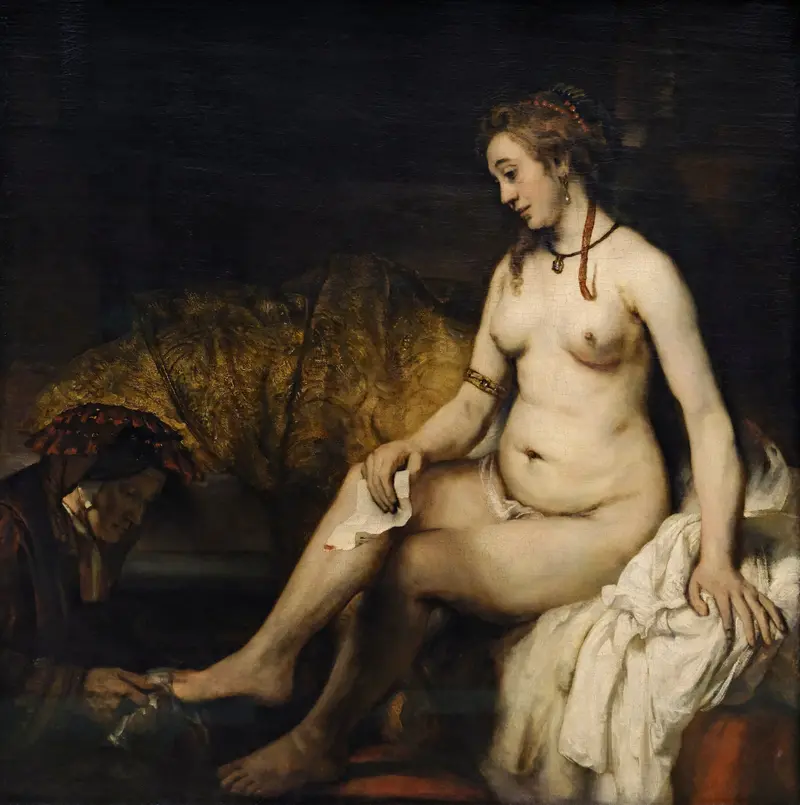
Bathsheba at Her Bath
Rembrandt van Rijn
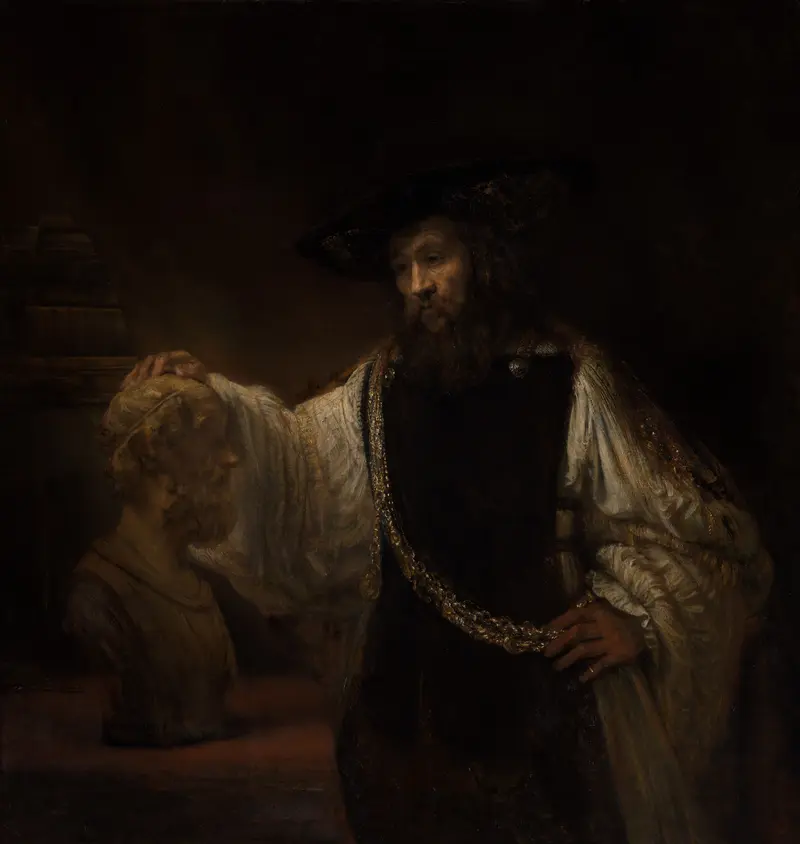
Aristotle with a Bust of Homer
Rembrandt van Rijn
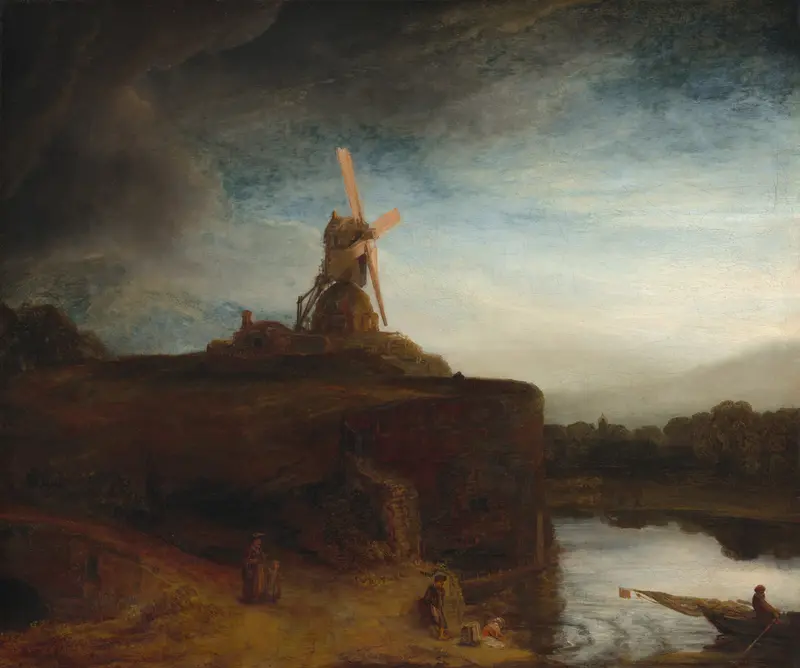
The Mill
Rembrandt van Rijn
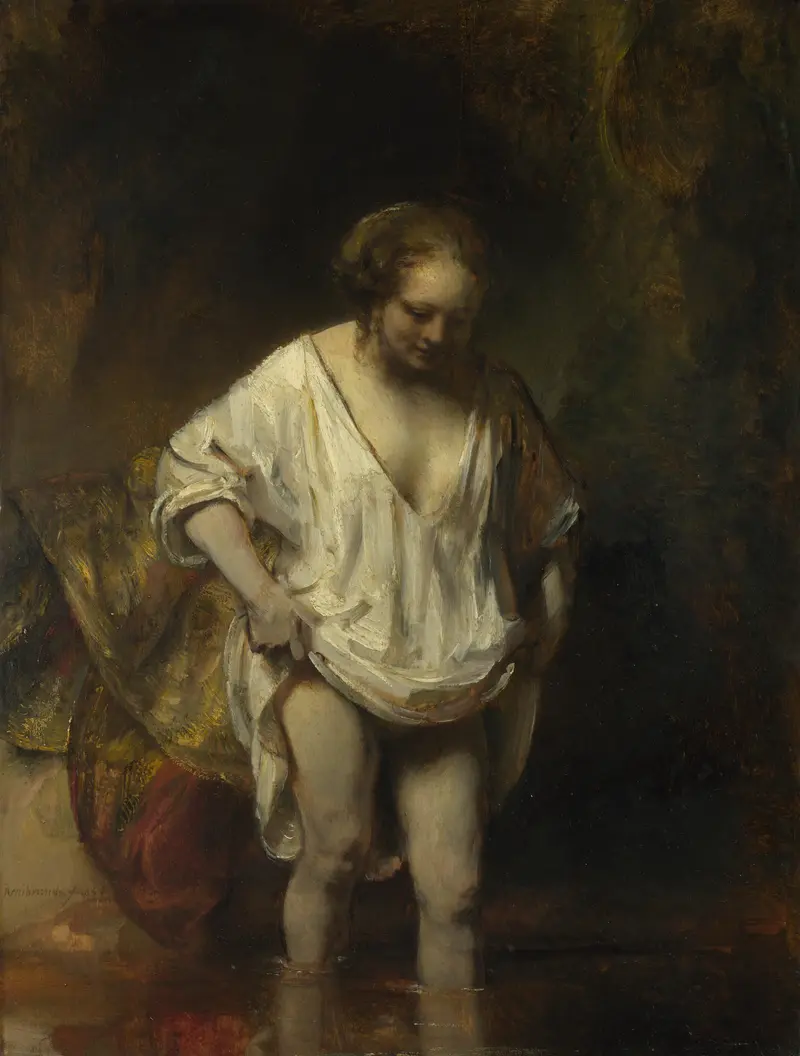
A Woman Bathing in a Stream
Rembrandt van Rijn
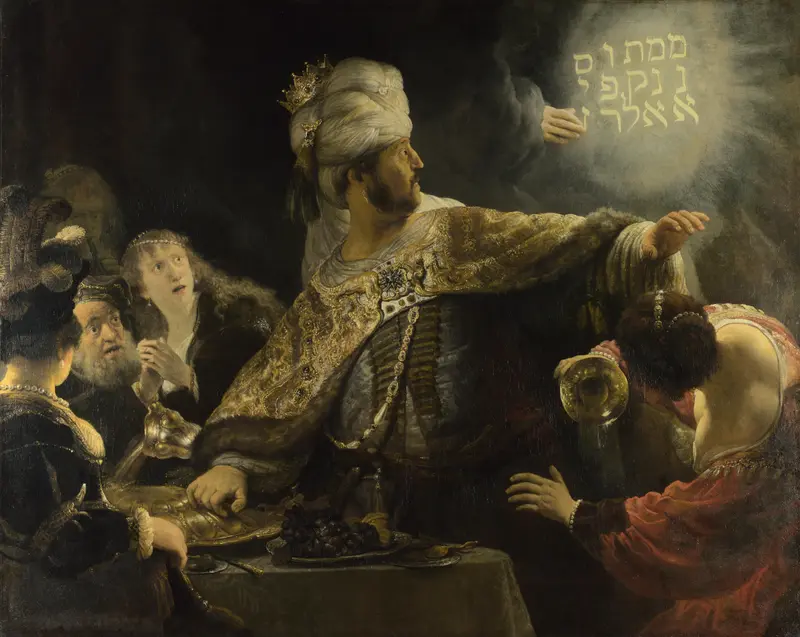
Belshazzar’s Feast
Rembrandt van Rijn
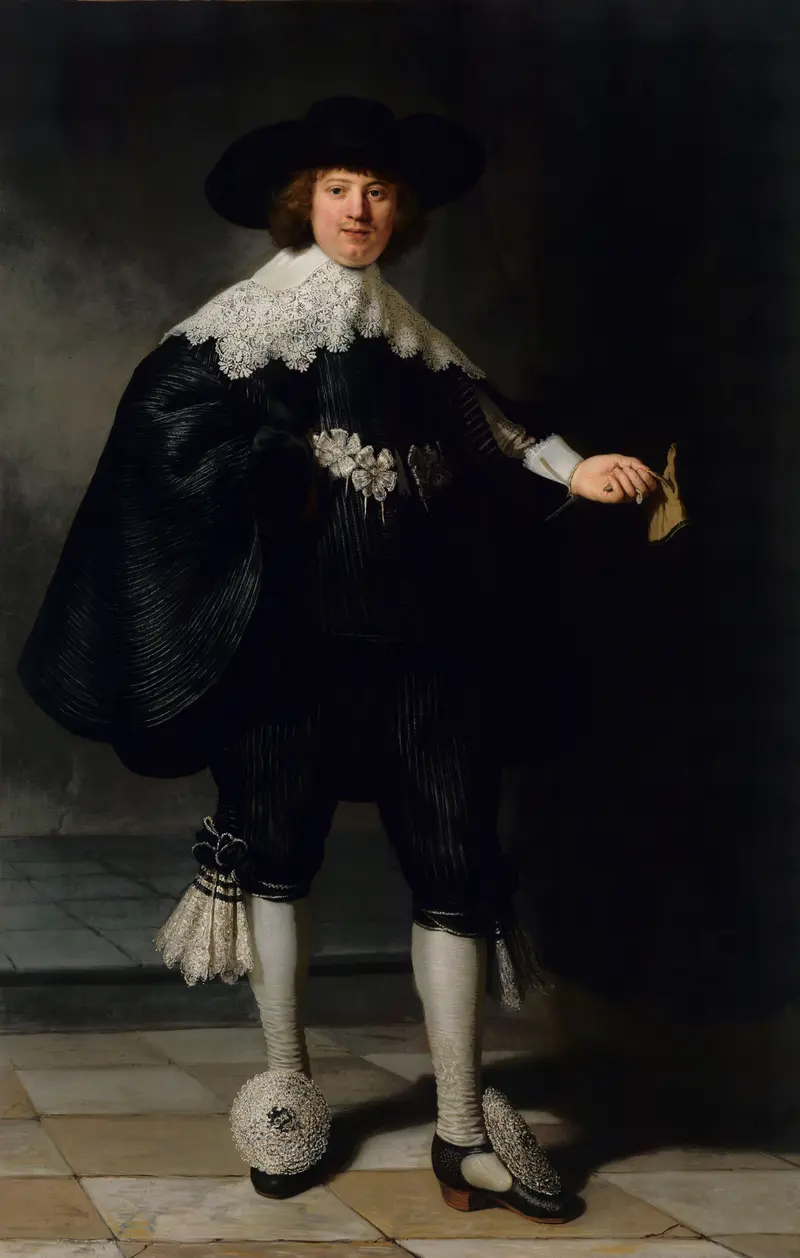
Portrait of Marten Soolmans
Rembrandt van Rijn
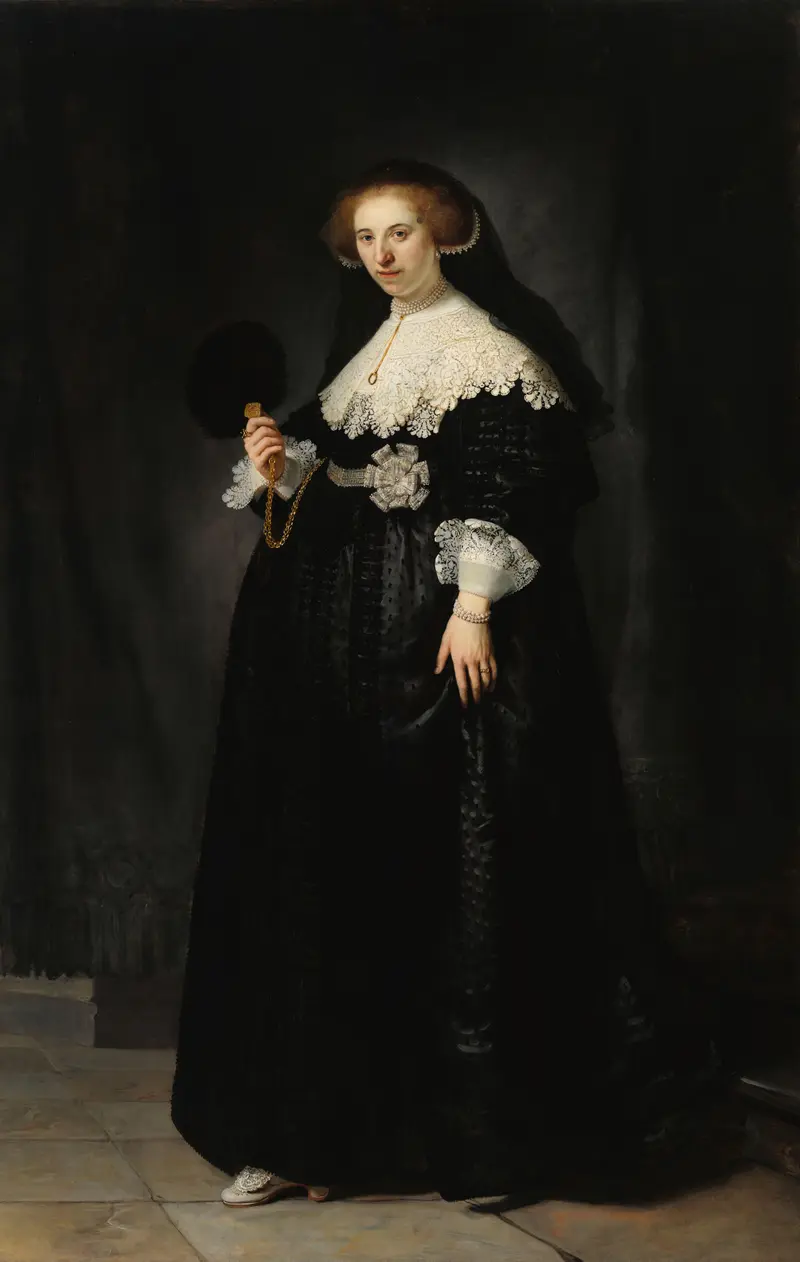
Portrait of Oopjen Coppit
Rembrandt van Rijn

The Prodigal Son in the Tavern
Rembrandt van Rijn
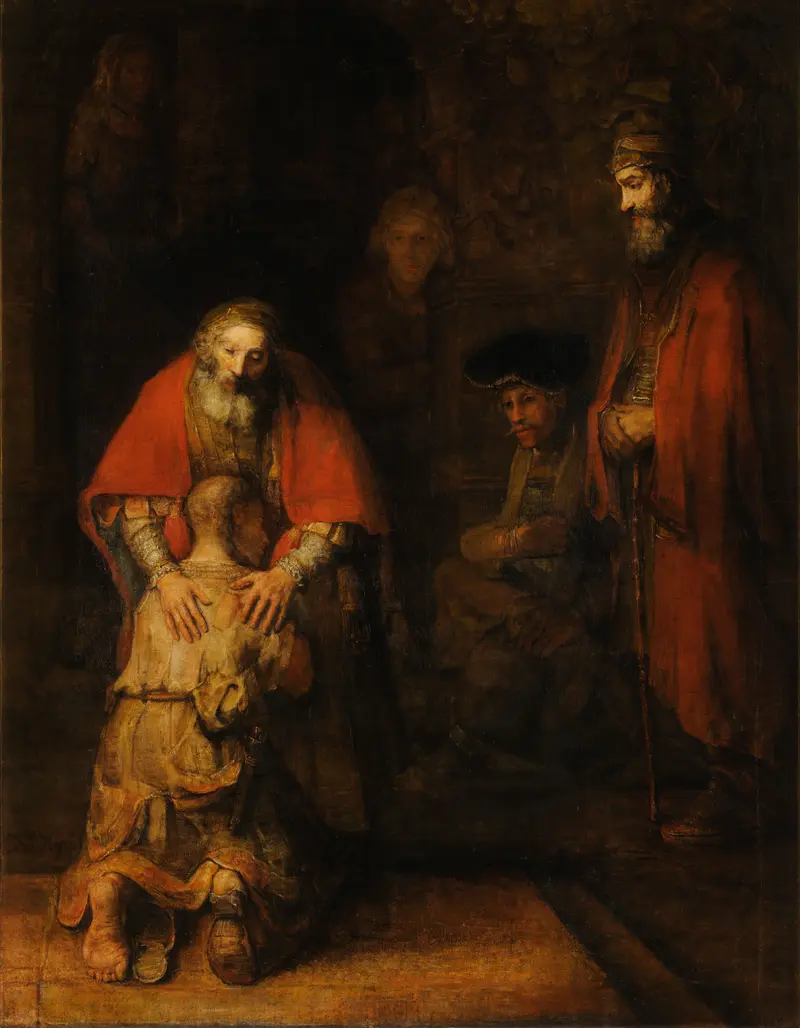
The Return of the Prodigal Son
Rembrandt van Rijn
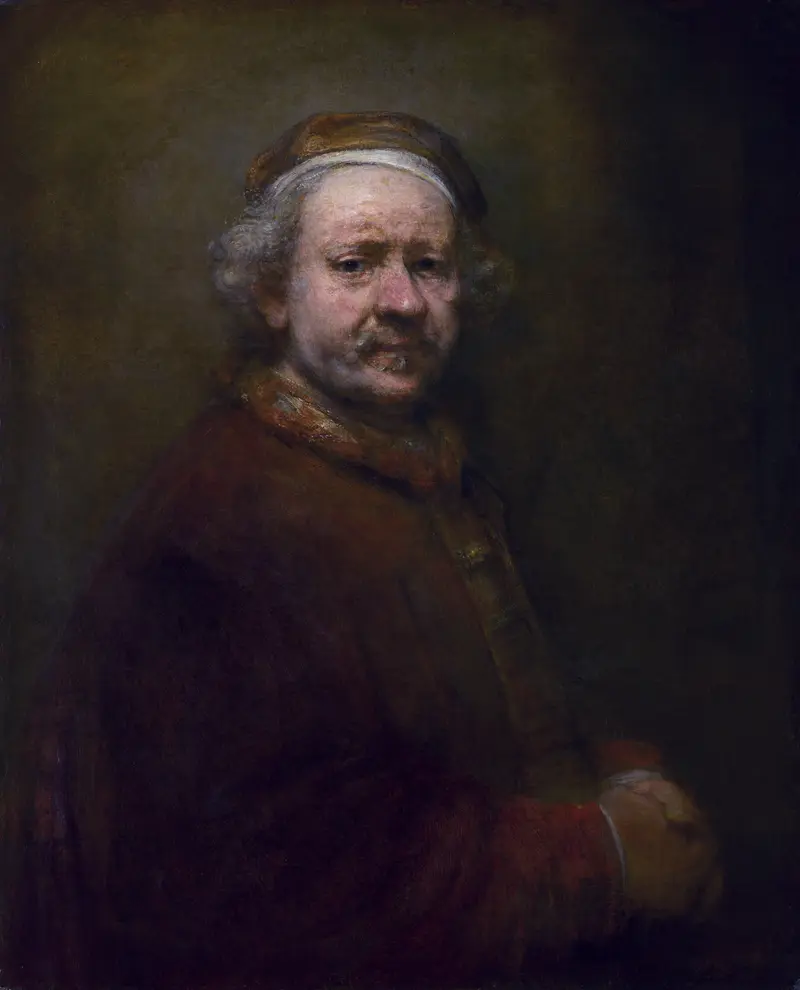
Self-Portrait at the Age of 63
Rembrandt van Rijn