
Station of Puebla. — History & Facts
What if beauty was never meant to be finished? In the heart of Station of Puebla, the vibrant chaos of life unfolds, capturing both ecstasy and the fleeting nature of existence. Look to the center of the canvas, where the station’s architectural grandeur draws the eye. Notice the interplay of light and shadow, as it cascades over intricately adorned columns, creating a sense of depth that invites you to step into this lively hub. The warm, earthy palette of ochres and deep reds resonates with the sun-soaked atmosphere, while the figures, rendered with exquisite detail, embody the pulse of daily activity—each gesture infused with a silent story. Beneath the surface lies a rich tapestry of contrasts: the bustling crowd against the stillness of the station, the vibrant colors juxtaposed with muted hues, suggesting life’s fleeting moments.
Each character, from the elegantly dressed travelers to the humble vendors, speaks to a shared humanity, igniting a sense of connection that transcends time. The artist captures not just a physical location, but the emotional landscape of longing and anticipation—an ode to journeys both literal and metaphorical. In 1869, C. Castro painted Station of Puebla during a period marked by the growth of railroads in Mexico, which transformed transportation and communication.
Nestled in the artistic currents of the time, he was influenced by the burgeoning realism movement, aiming to depict life as it truly was. This artwork emerged from a place of personal exploration as well, reflecting the artist's desire to immortalize the beauty and complexity of everyday moments.
More Artworks by C. Castro
Browse all →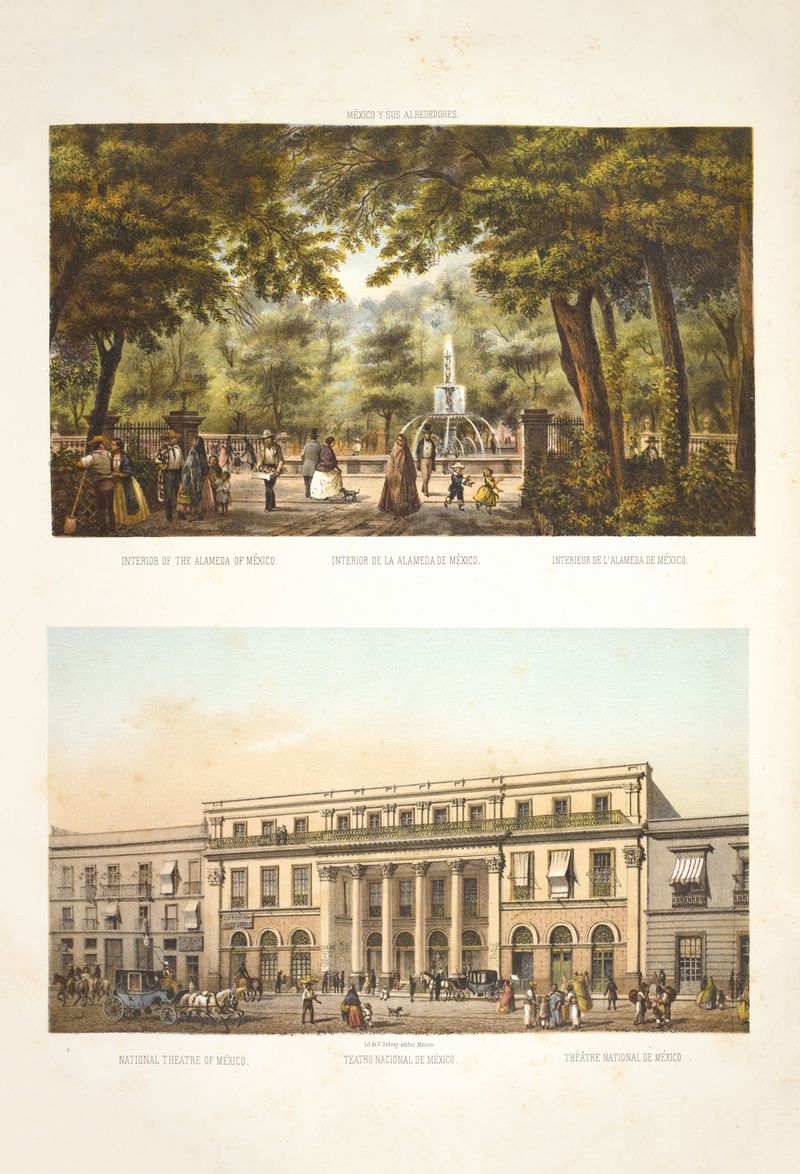
Interior of the Alameda of Mexico ; National Theatre of Mexico.
C. Castro
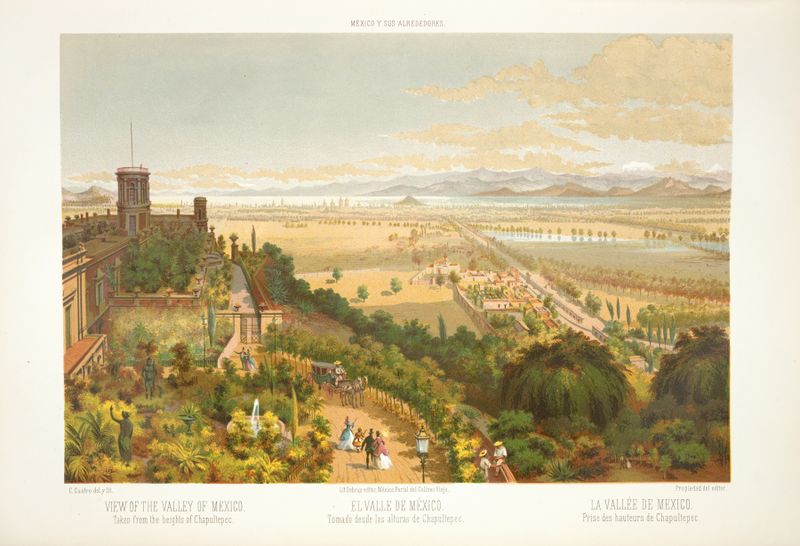
View of the Valley of Mexico, taken from the heights of Chapultepec.
C. Castro
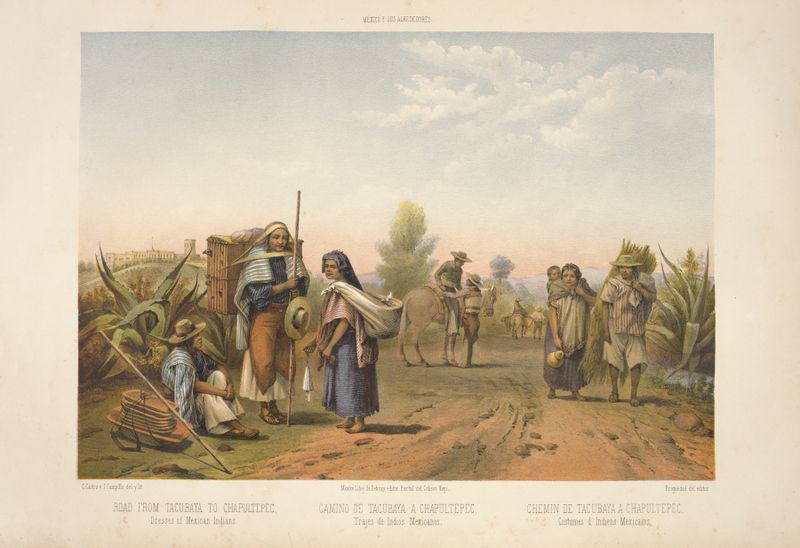
Road from Tacubaya to Chapultepec, dresses of Mexican Indians.
C. Castro
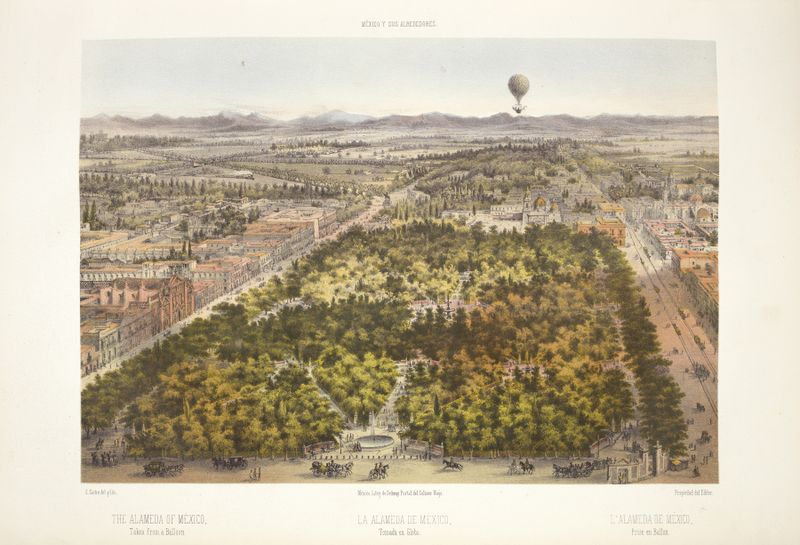
The Alameda of Mexico, taken from a balloon.
C. Castro
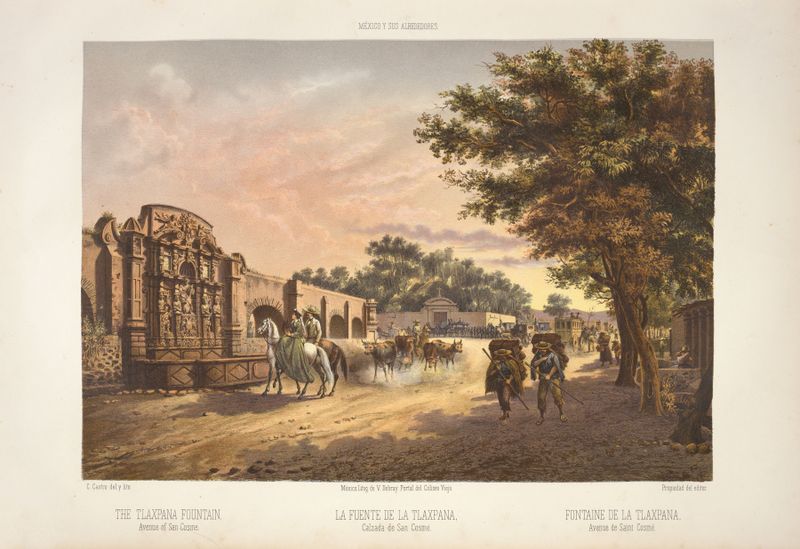
The Tlaxpana fountain, Avenue of San Cosme.
C. Castro
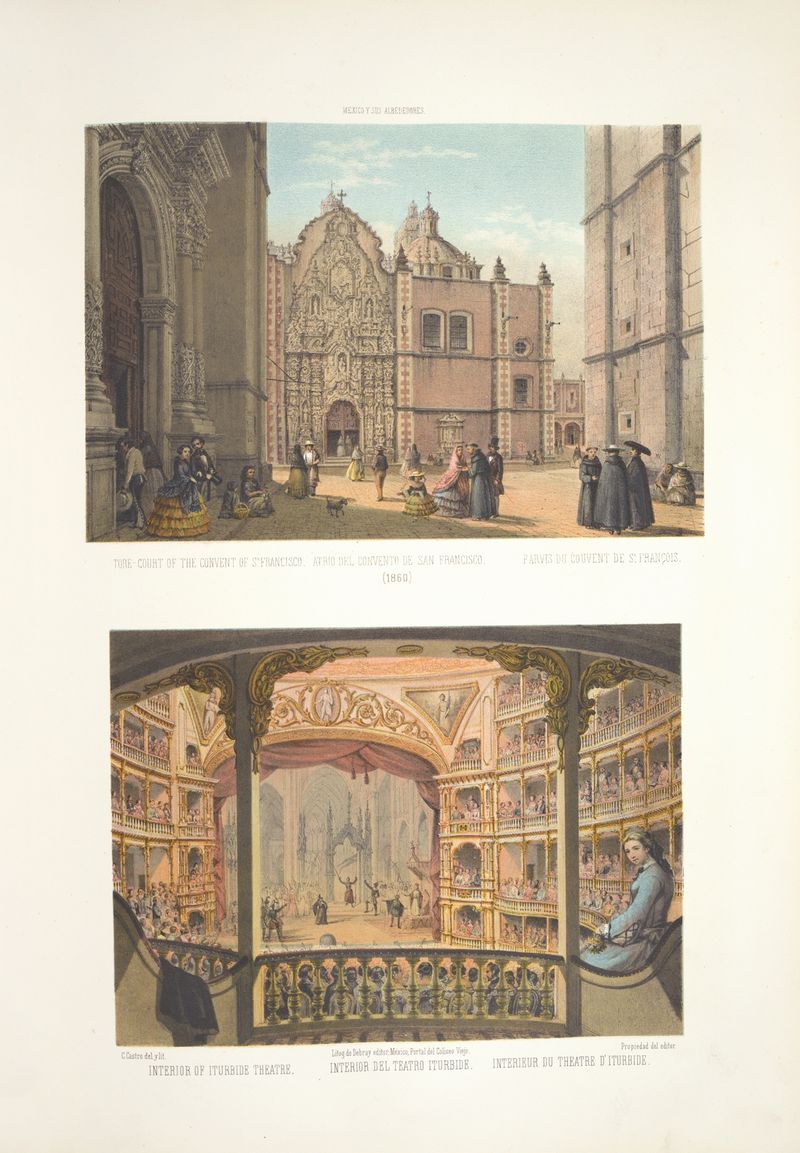
Tore-court of the convent of St. Francisco ; Interior del Teatro Iturbide
C. Castro
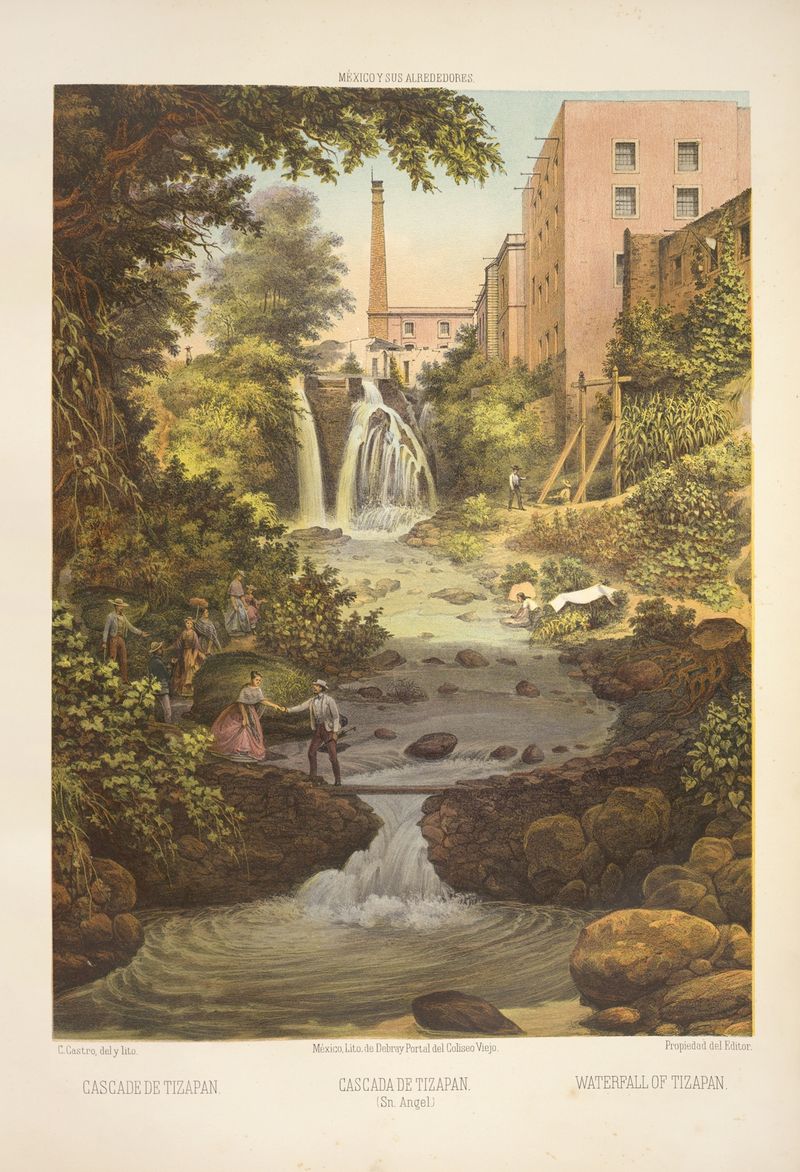
Waterfall of Tizapan
C. Castro
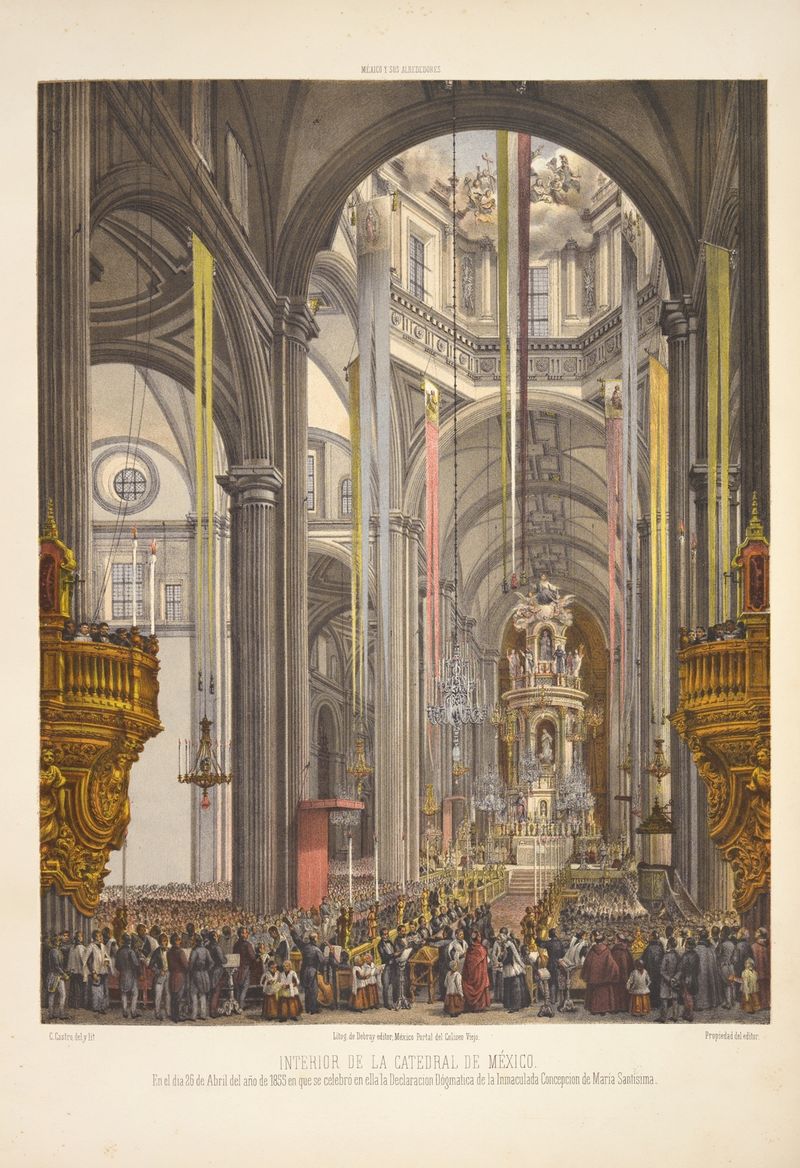
Interior de la Catedral de México. En el dia 26 de Abril del año de 1855 en que se celebró en ella la Declaracion Dógmatica de la Inmaculada Concepcion de María Santisima.
C. Castro
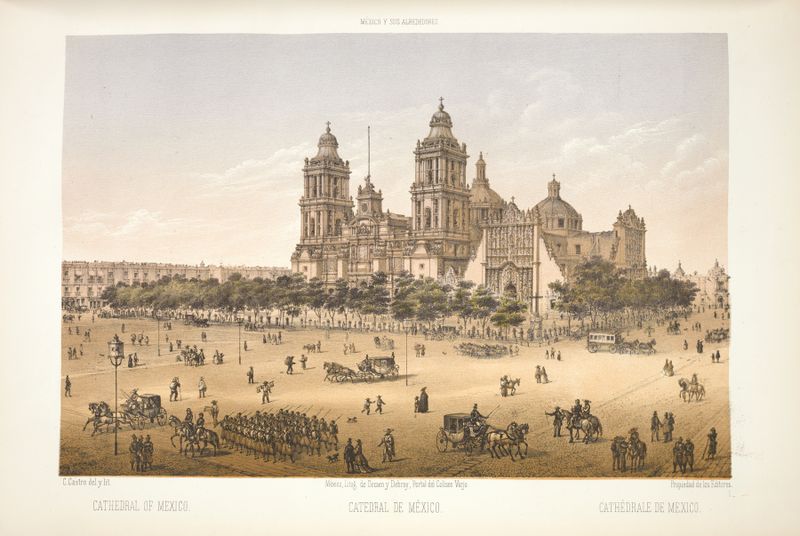
Cathedral of Mexico.
C. Castro
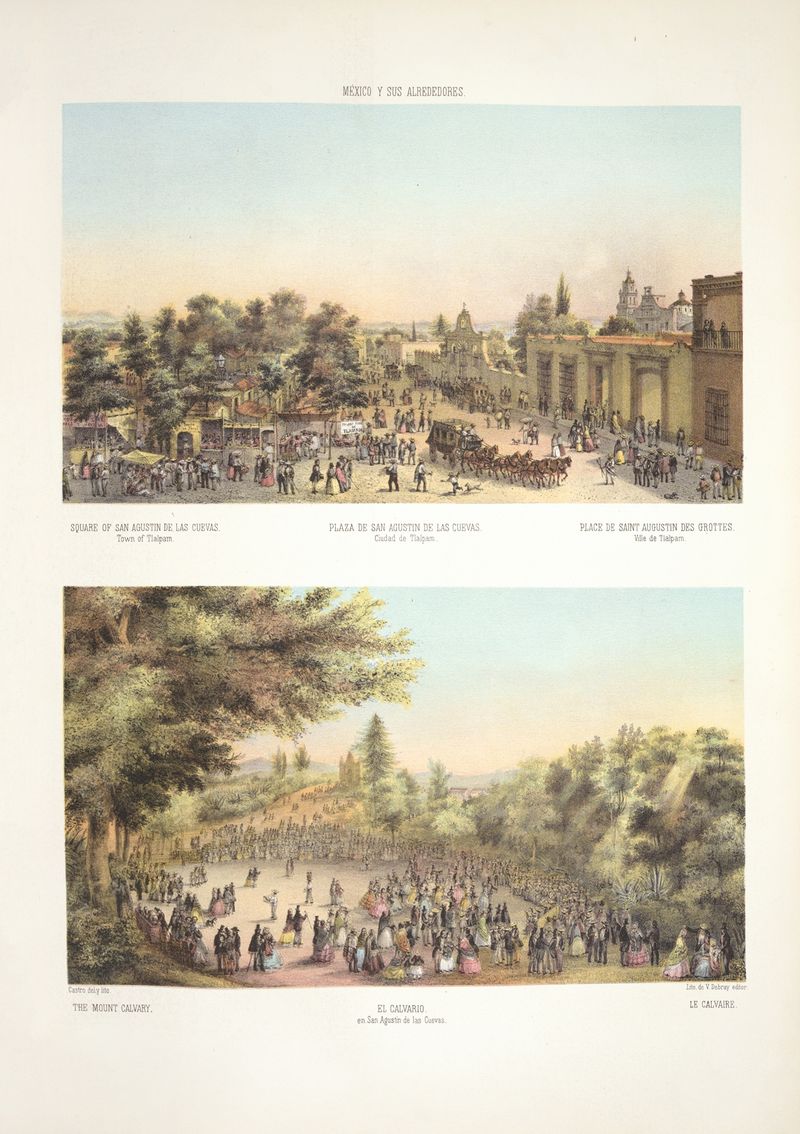
Square of San Agustin de las Cuevas, town of Tlalpam ; The Mount Calvary.
C. Castro
More Architecture Art
Browse all →
The statue of Liberty
Frédéric Auguste Bartholdi

View of Houses in Delft, Known as ‘The Little Street’
Johannes Vermeer

View of Houses in Delft, Known as ‘The Little Street’
Johannes Vermeer

The Cathedral in Rouen. The portal, Grey Weather
Claude Monet

The yellow house
Vincent van Gogh

The Church in Auvers-sur-Oise, View from the Chevet
Vincent van Gogh