Statuettes of Disabled War Heroes — History & Facts
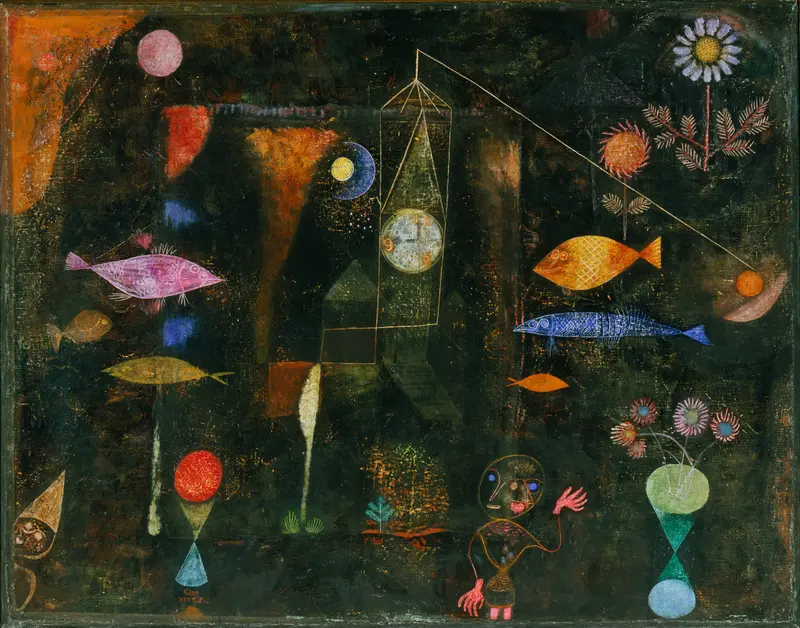
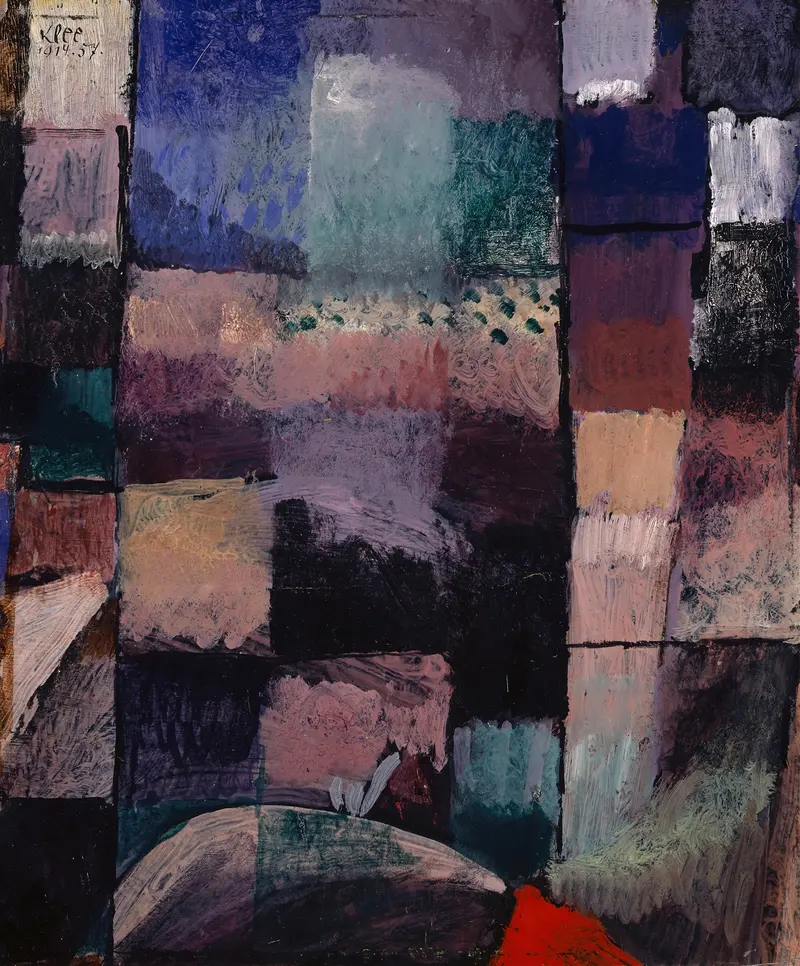
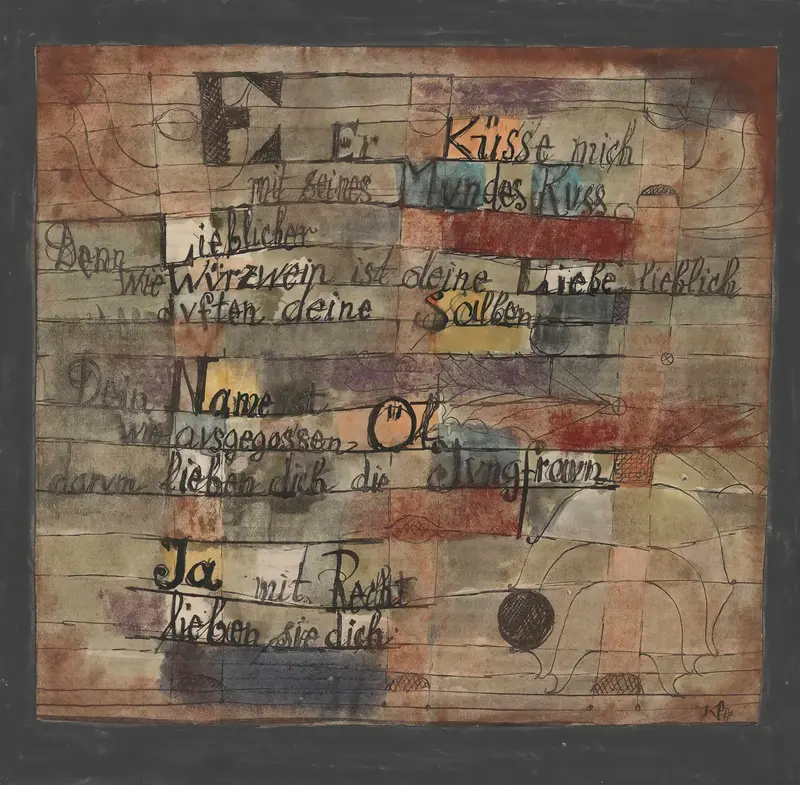
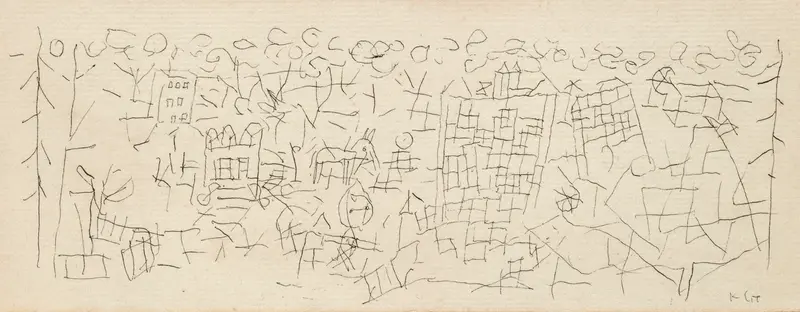
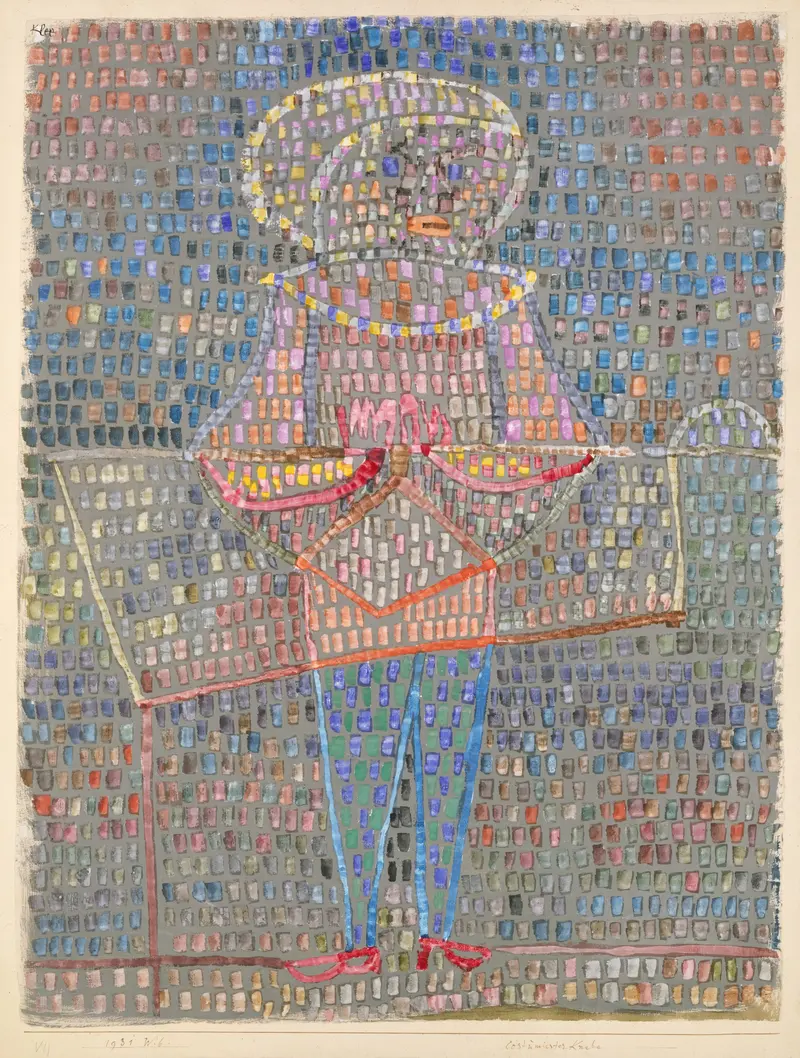
In Statuettes of Disabled War Heroes, Paul Klee uses a palette of muted colors, primarily earth tones, to depict abstract figures. The figures appear to be stylized representations of soldiers, each with unique features that suggest their individual stories. The setting is minimalistic, focusing on the figures rather than a detailed background.
This choice emphasizes the emotional weight of the subject matter, highlighting themes of sacrifice and resilience. The painting is executed in oil on canvas, showcasing Klee's distinctive style that blends abstraction with figuration. The brushwork is expressive, with bold outlines that define the figures and create a sense of movement. The composition is balanced, with the figures arranged in a way that draws the viewer's eye across the canvas.
Klee's use of color and form invites viewers to interpret the work on both emotional and intellectual levels. Paul Klee, a key figure in the Expressionist movement, often explored themes of war and its impact on humanity. Statuettes of Disabled War Heroes was created in the aftermath of World War I, reflecting the artist's concerns about the consequences of conflict. An interesting fact about this work is that Klee's abstract approach allows for a broader interpretation of heroism, moving beyond traditional representations.
This painting remains a poignant reminder of the sacrifices made by those who served.