
Steppe — History & Facts
In the vastness of a steppe, emptiness speaks volumes, echoing the complexities of our solitude and the heart's unvoiced yearnings. Look to the horizon where muted greens and browns blend seamlessly, creating a sense of endlessness that draws you in. Notice how the light dances across the grass, each stroke revealing a world both stark and serene. The brushwork is delicate yet assertive, a testament to the artist's skill in capturing the subtle variations of nature.
The composition invites contemplation, a visual expanse that feels both vast and intimately personal. Amidst this tranquil scene lies a deeper tension: the juxtaposition of solitude and freedom. The sweep of the landscape suggests boundless opportunity, yet the absence of figures highlights a profound loneliness. This emotional contrast invites viewers to reflect on their own experiences of isolation and connection, as the steppe becomes a mirror for human existence.
Every brushstroke carries a whisper of the unsaid, urging us to confront the silence that often envelops our lives. In 1900, Jan Stanisławski was navigating a period of artistic evolution, influenced by the burgeoning movement of modernism in Poland. The era was marked by a search for identity and the exploration of new artistic techniques. As he painted Steppe, Stanisławski was not only honing his craft but also responding to the cultural shifts around him, seeking to express the soul's quiet struggle against the vast backdrop of life.
More Artworks by Jan Stanisławski
Browse all →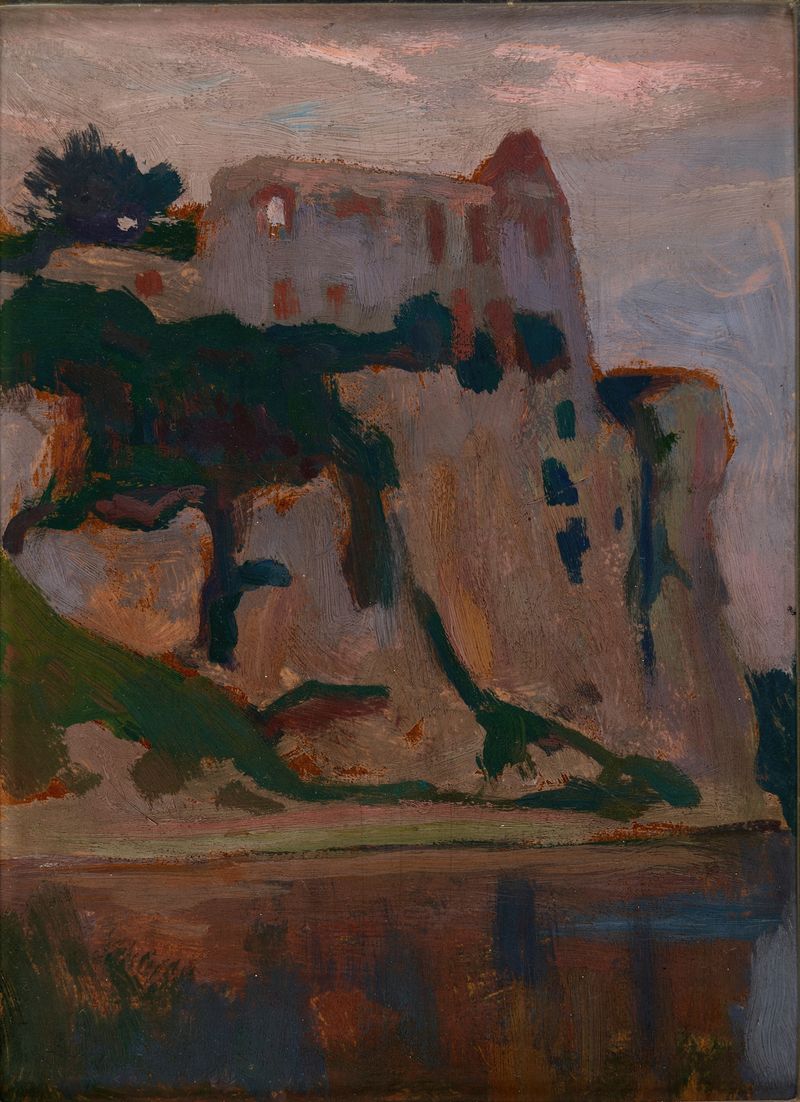
Tyniec at Dawn
Jan Stanisławski
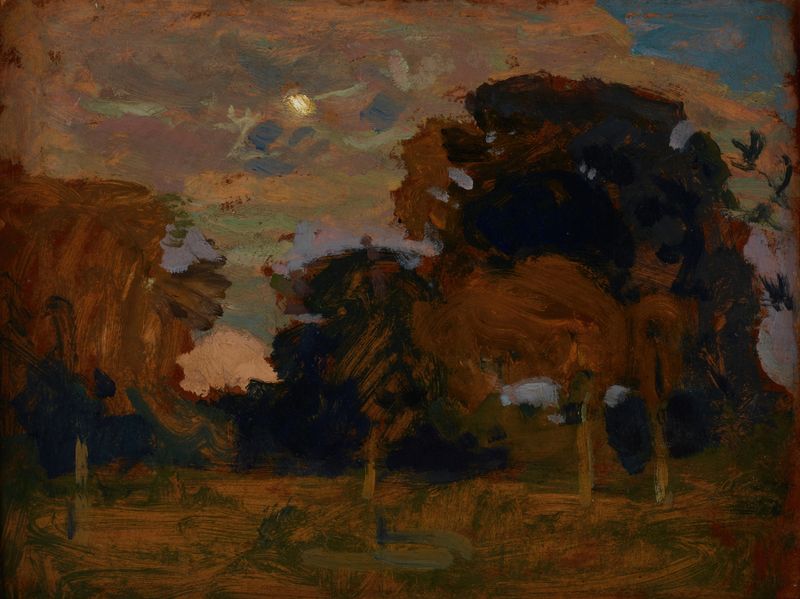
Moon in the Clouds
Jan Stanisławski
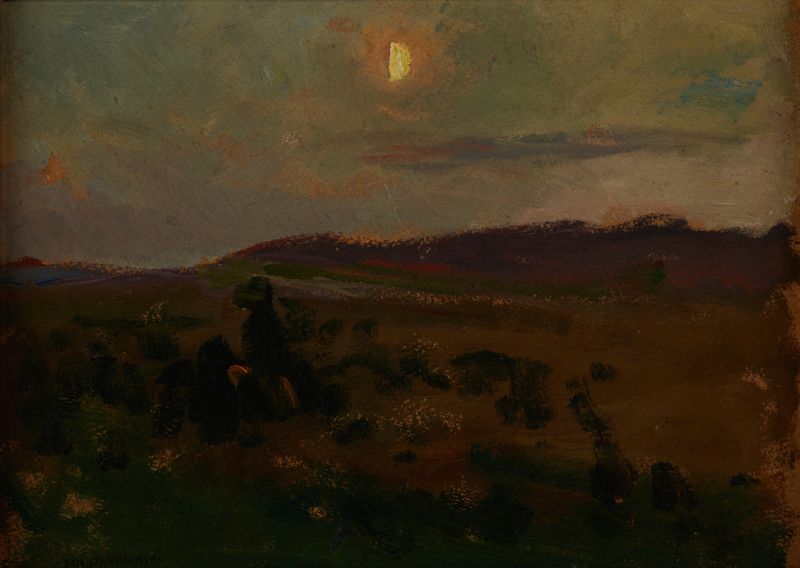
Moonrise
Jan Stanisławski
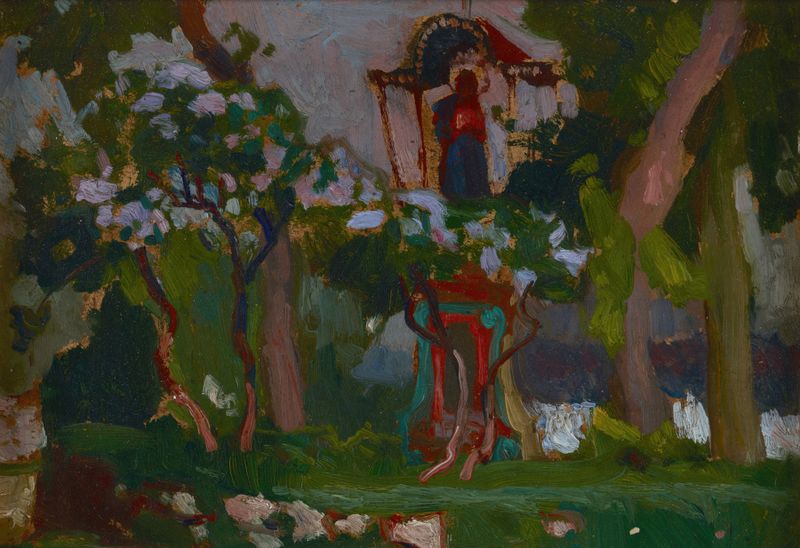
May
Jan Stanisławski
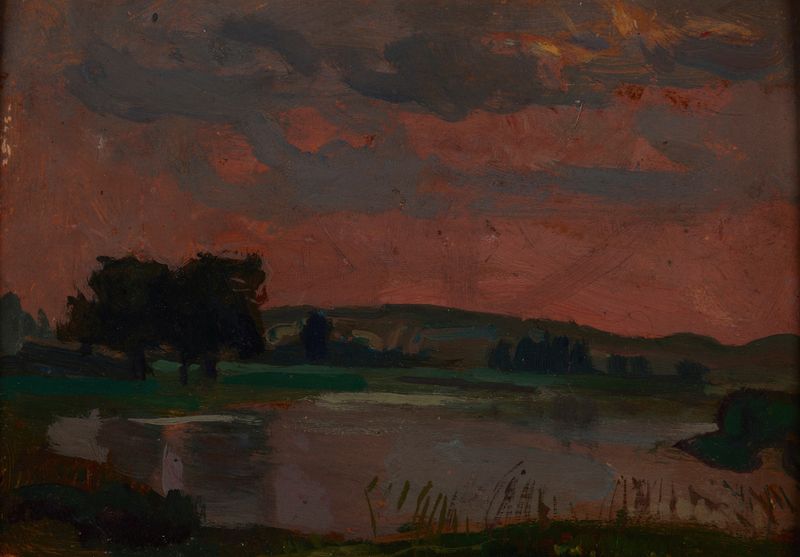
The Vistula in the Twilight
Jan Stanisławski
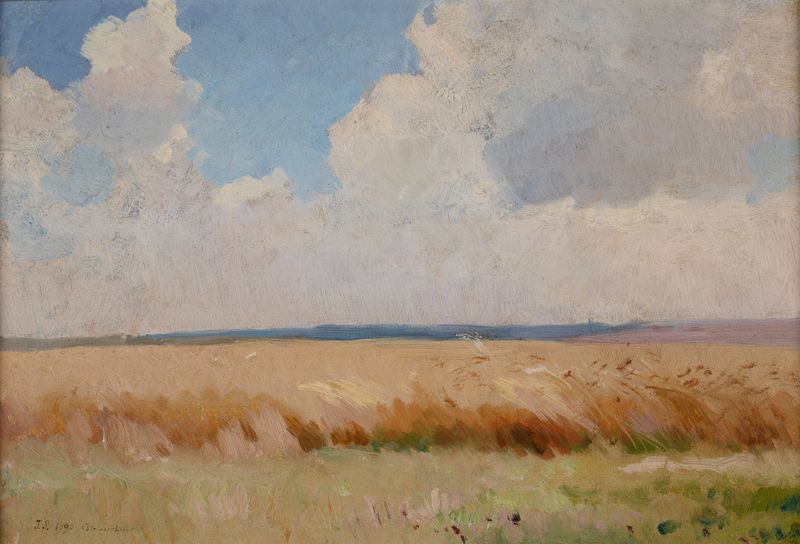
Field at Białocerkiew (Bila Tserkva)
Jan Stanisławski
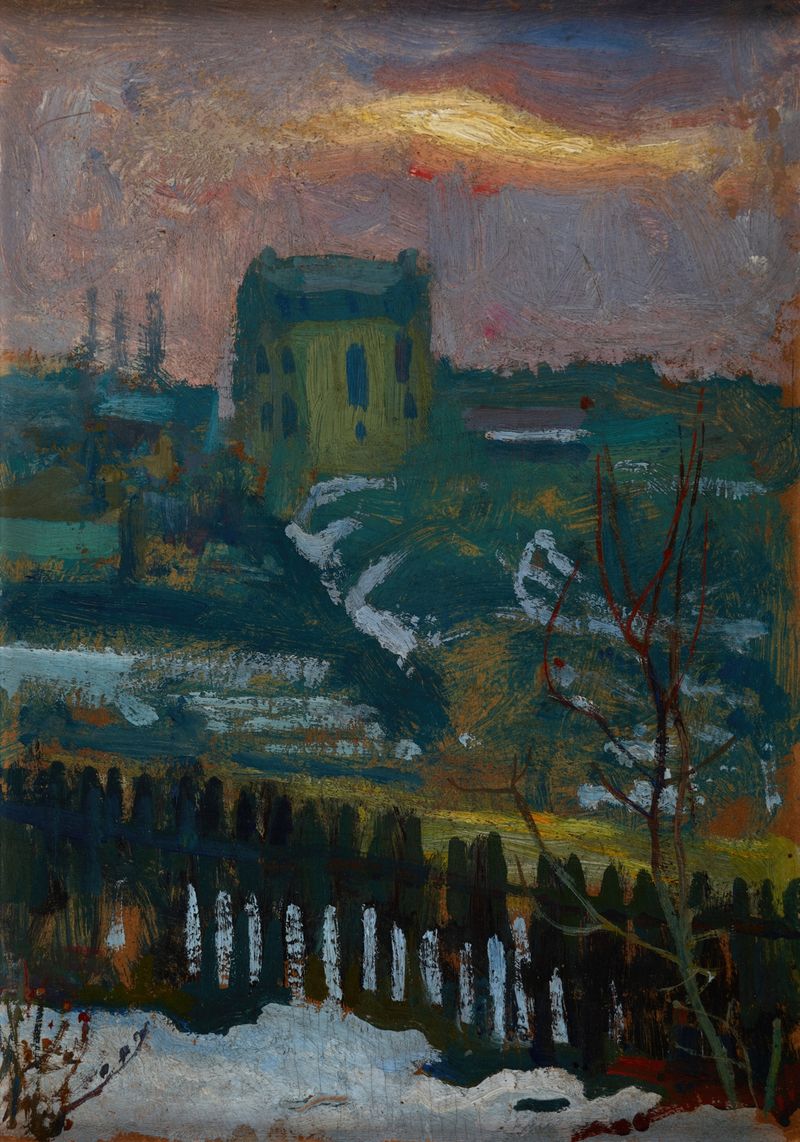
House in Winter
Jan Stanisławski
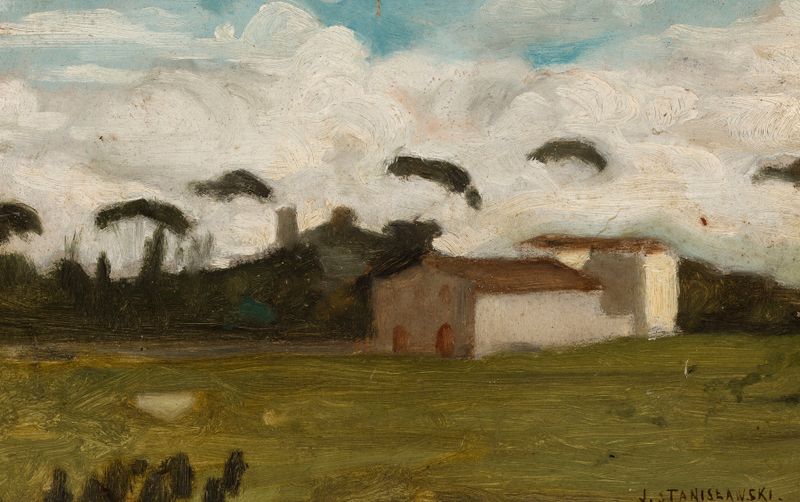
Landscape
Jan Stanisławski
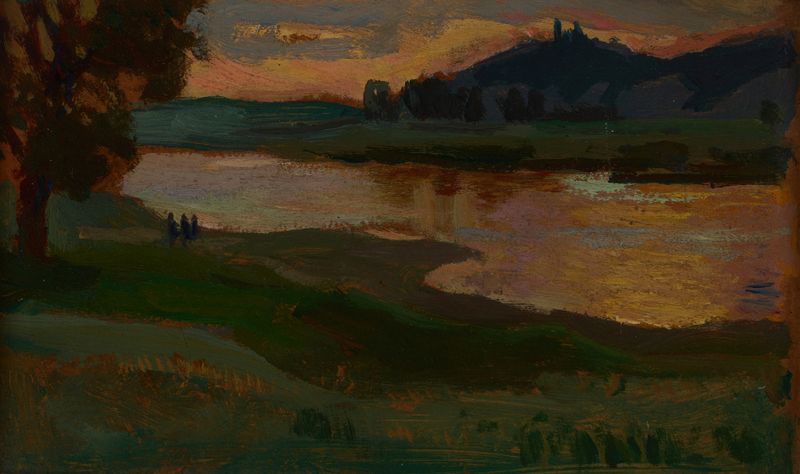
Bielany at Dusk
Jan Stanisławski
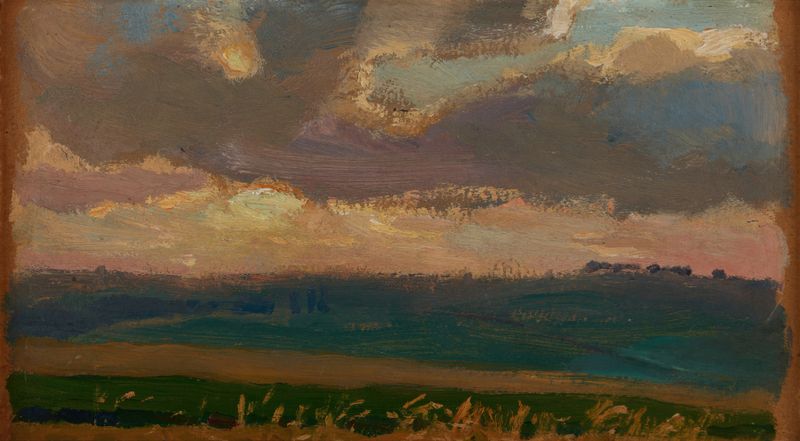
Fields at Proszowice
Jan Stanisławski





